REVIEW · BUON MA THUOT
Buon Ma Thuot: Coffee Farm Tour (Bean to Brew) with Pickup
Book on GetYourGuide →Operated by Scenicaholic · Bookable on GetYourGuide
Coffee and farming, explained step by step. This bean-to-brew tour in Buon Ma Thuot lets you see how the Central Highlands shape every cup. I like that you get hands-on moments (tree care and processing basics), not just a quick photo stop.
What I really like here: you tour both Arabica and Robusta areas and you learn practical steps for caring for coffee trees, from weeding to seasonal fertilization. I also love the human touch—English-speaking guides (including Ngan) tend to explain clearly, and pickup drivers (like Long) often keep the ride smooth and un-rushed.
One thing to consider: if you go outside the coffee harvest season, harvesting and drying activities won’t happen. The rest of the experience still runs, but the farm may feel less busy and less production-focused than during peak season.
In This Review
- Key things worth getting excited about
- Buon Ma Thuot coffee, from tree care to your cup
- Pickup and the short ride out of Buon Ma Thuot center
- Coffee garden visits: what you’ll actually learn in the fields
- Arabica vs Robusta: seeing two coffee worlds in one tour
- Wet-dry coffee processing: the method behind flavor
- Traditional irrigation systems: why farmers manage water so carefully
- Organic vs conventional: what the difference means on the ground
- Coffee tasting: black or milk, brewed by machine or filter
- Season check: what changes if you visit outside harvest time
- Price and value: is $25 worth 90 minutes of coffee education?
- Who this tour suits best (and who might skip it)
- If you book, do these small things to get more out of it
- Should you book this Buon Ma Thuot bean-to-brew tour?
- FAQ
- FAQ
- How long is the Buon Ma Thuot coffee farm tour?
- Do I get hotel pickup?
- Where is the meeting point?
- What coffee will I learn about on the farm?
- What farming topics are included during the garden visit?
- How is the coffee processing explained?
- What type of coffee tasting is included?
- What languages are supported?
- What happens if I visit outside coffee harvest season?
- Are there any rules or restrictions?
Key things worth getting excited about
- Arabica + Robusta farm time in Vietnam’s coffee capital
- Coffee tree care practice such as pruning, bud breaking, weeding, and basin cleaning
- Wet-dry processing overview of how specialty flavors develop
- Traditional irrigation systems explained, plus why they matter
- Black or milk tasting, brewed by machine or filter
- Pickup included around Buon Ma Thuot center, with an easy fallback meeting point
Buon Ma Thuot coffee, from tree care to your cup
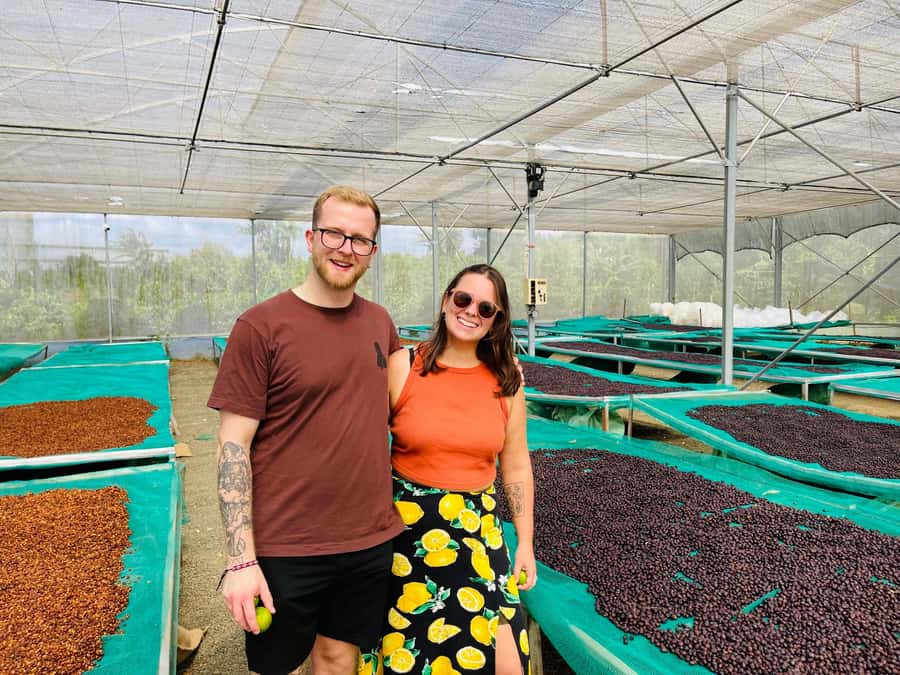
Buon Ma Thuot sits at the heart of Vietnam’s coffee country. On this tour, you get the story in the way it actually works: coffee starts in the trees, then moves into processing, then finally lands in your cup. It’s a nice reset if you’ve spent your time in Vietnam’s cities and want something grounded and real.
You’ll leave knowing more than the usual coffee tour pitch. Instead of only tasting, you learn what farmers do throughout the season to keep trees healthy and productive. That includes day-to-day maintenance and seasonal tasks. And because you’re learning processing basics too, your tasting makes more sense, even if you’re not a coffee nerd.
The vibe is also calm. Even when the topic is serious (coffee is serious business here), the experience is paced. You’re not shoved through a checklist. It feels like a guided education you can smell.
You can also read our reviews of more tours and experiences in Buon Ma Thuot.
Pickup and the short ride out of Buon Ma Thuot center
The tour is built around convenience. You either get picked up from your hotel or you head to Buon Ma Thuot Square to meet your driver. If you’re staying about more than 3 km outside the center, the simplest option is to meet at Buon Ma Thuot Square about 5 minutes early so you don’t miss departure.
Once you’re in the car, it’s a quick move from town to the plantation area. This matters because it keeps the whole experience tight. You’re not spending half your day in transit. You’re getting the farm time you came for.
From what I’ve seen described in the way pickups run, drivers tend to be friendly and responsible with the ride. If you’re dealing with a language gap, plan to use a translation app on your phone. In at least one case, English communication was handled that way, and it worked well.
Coffee garden visits: what you’ll actually learn in the fields
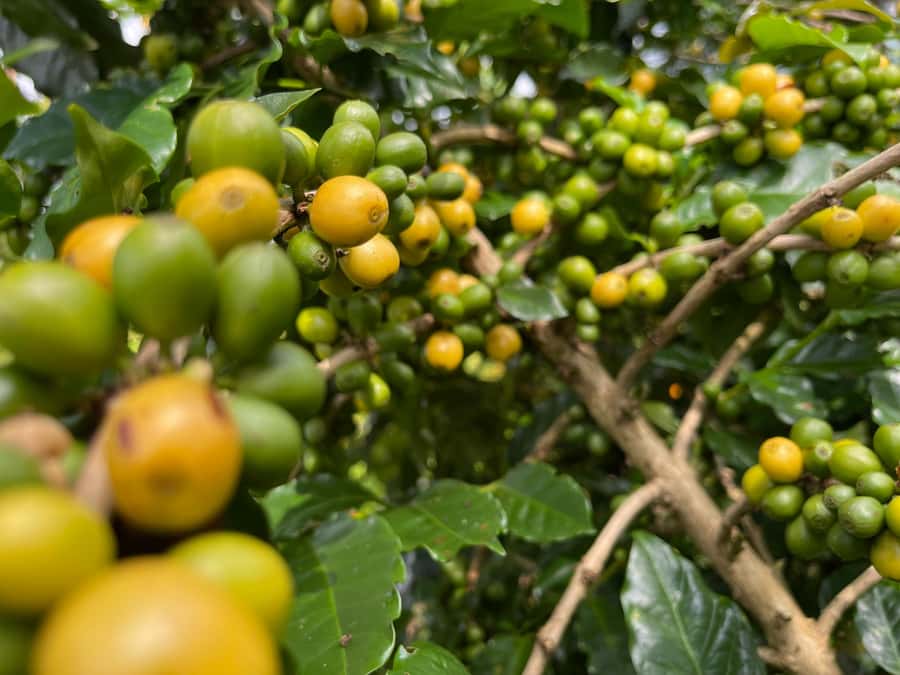
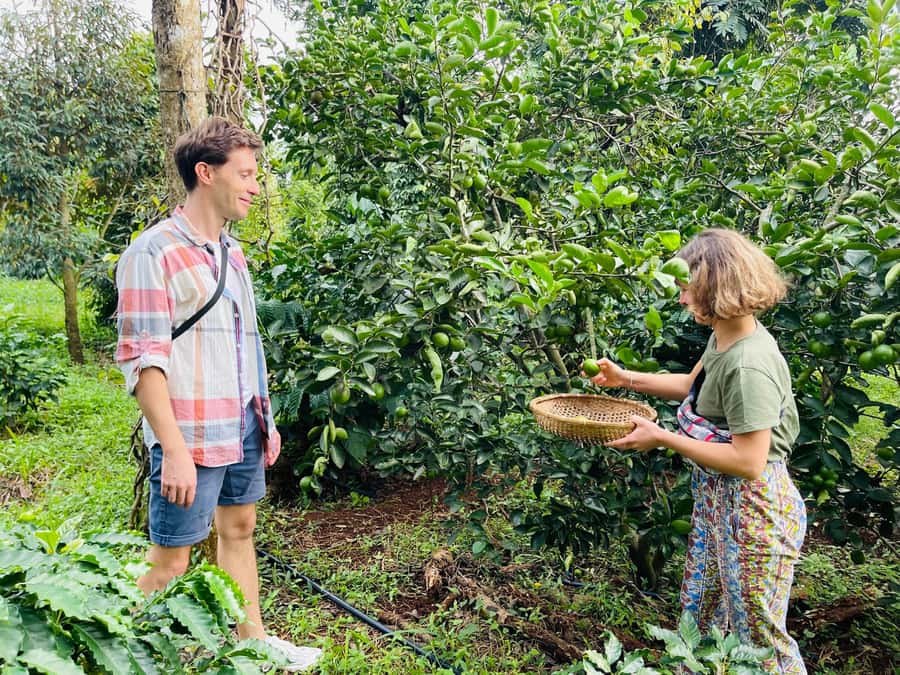
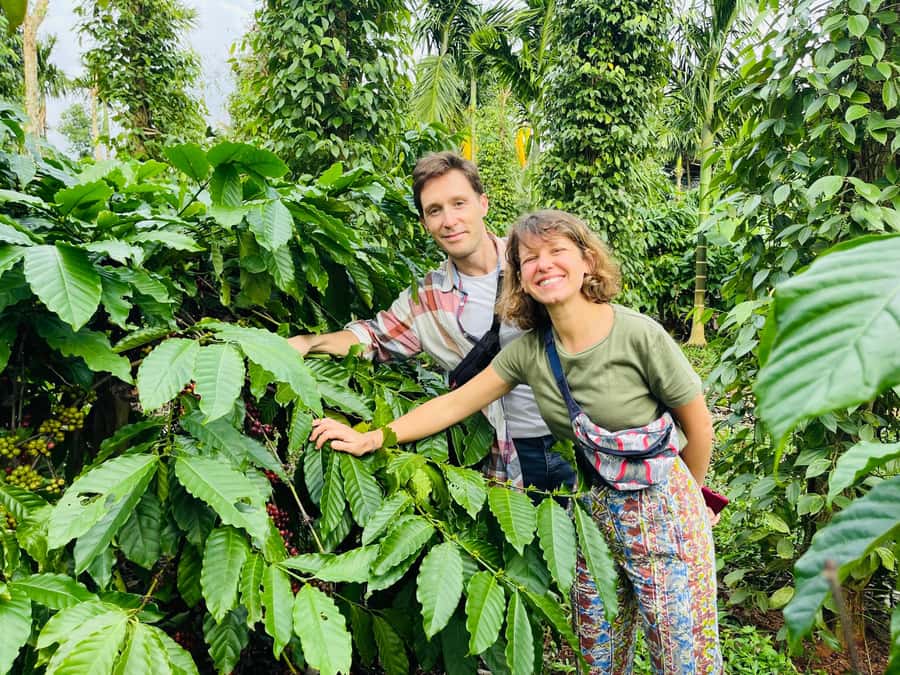
The core of the tour is the coffee farm walk-through and guide-led explanation. You start by touring the coffee garden and learning what separates these beans from generic “coffee on the shelf.”
Here’s what you should expect to hear about and see:
- how farmers care for coffee trees
- how to maintain the health of the plants through pruning and other tasks
- how the farm manages growth so the right crop is ready at the right time
- how the growing area and seasonal work connect to processing
Tree care is a big deal here. You’ll be introduced to procedures like pruning, bud breaking, proper weeding, seasonal fertilization, and cleaning the basin around the tree. Even if you don’t farm yourself, you’ll start to connect dots: coffee isn’t just “planted and forgotten.” It’s managed like a living system.
Another part I’d highlight is that you’ll be working with local people in coffee care processes. That’s what makes the whole thing feel authentic. You’re not just watching from the sidelines. You’re getting close enough to understand what the work looks like on the ground.
Arabica vs Robusta: seeing two coffee worlds in one tour
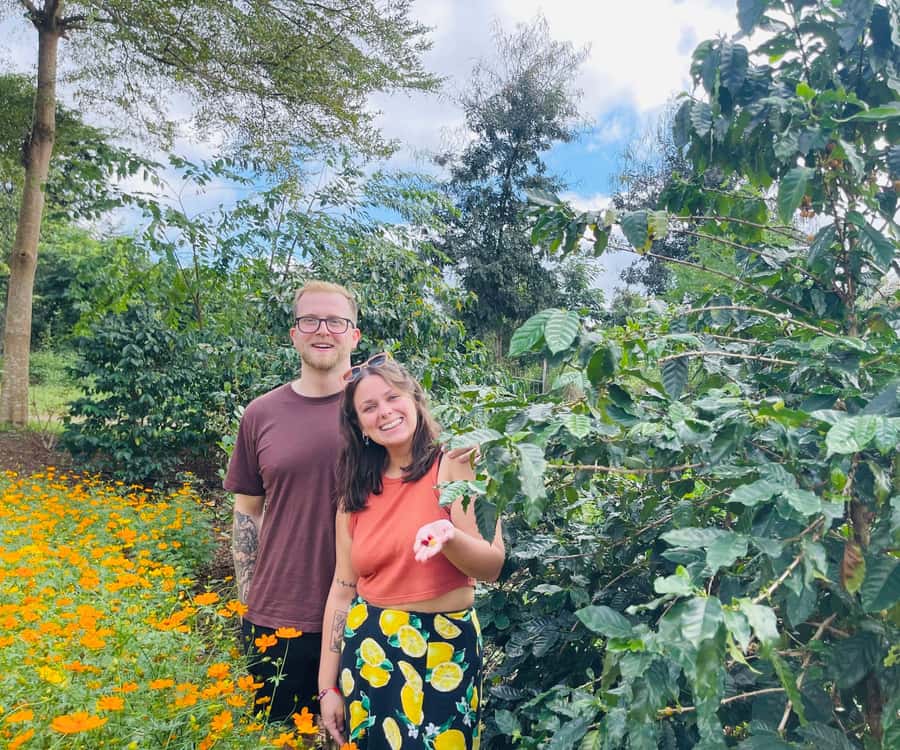
This is one of the more valuable parts of the experience because it avoids a common mistake: treating coffee as a single thing. You’ll visit both Arabica and Robusta areas in the region known for coffee quality.
What you gain from this:
- You see how farmers manage different plantings in the same area
- You understand that “coffee” is not one uniform product
- You taste the results later with a clearer context
Even if your palate is still developing, the tour gives you a framework. Later, when you think about acidity, body, or how strong a brew feels, you can connect those feelings to the plant and process you learned about.
Wet-dry coffee processing: the method behind flavor
After tree care, the tour shifts to processing. This is where coffee tours often get vague, but here you get a clearer overview of the wet-dry method and what it’s aiming to do.
You’ll learn about the bean processing procedure and how it supports flavorful specialty coffee. In practical terms, this means you get the sense that processing isn’t just “washing and drying.” It’s a controlled path from fruit to bean that affects how flavors come out.
Why this matters for you: when you taste coffee without processing context, you only experience the final cup. With processing context, you start noticing why you might prefer one cup over another. And even if your tasting is simple (black or with milk), your brain has more hooks for comparing.
Traditional irrigation systems: why farmers manage water so carefully
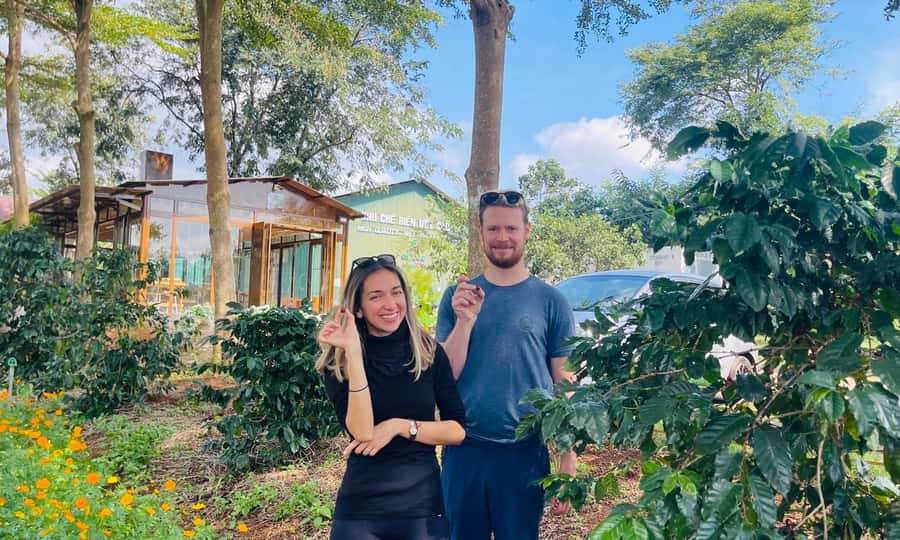
Another standout topic is the introduction to traditional irrigation systems. You’ll get instructions on how these systems work and an overview of the benefits of irrigation tech.
Water management is often invisible to casual coffee drinkers, but it’s essential here because coffee trees need steady conditions to thrive. The tour gives you an honest look at the logic behind irrigation. You’re not just told it exists—you’re shown how it’s operated and why it helps.
This is also where you’ll likely get a broader picture of Central Highlands farming realities. You’ll understand that successful production isn’t only about the plant. It’s about how people adapt to local conditions with the tools they have.
Organic vs conventional: what the difference means on the ground
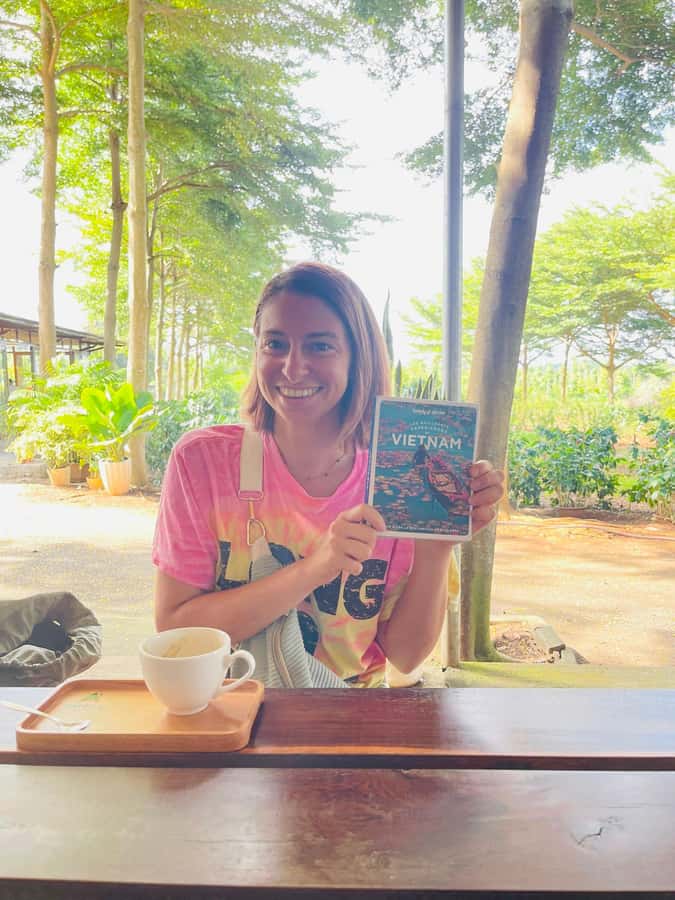
You’ll also learn about the difference between organic and conventional farming. The key value isn’t memorizing definitions. It’s understanding how farming choices can change what goes into the process and how farms manage growth.
Even without turning this into a lecture, the discussion gives you a more thoughtful way to shop later. If you buy coffee after your tour, you’ll have better questions for the seller. You’ll also have a better sense of why two bags with similar roast profiles can taste different.
Coffee tasting: black or milk, brewed by machine or filter
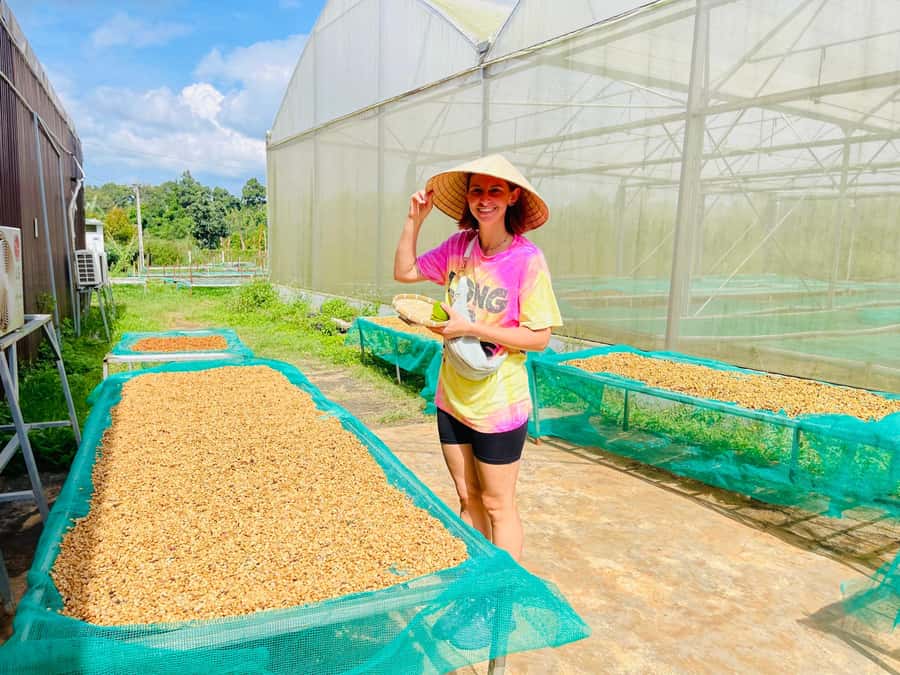
The tasting part is built around what most people actually like: black coffee or coffee with milk. And you’ll get it brewed using a machine or filter.
That setup is great for two reasons:
- You’ll taste the coffee in more than one style, so you can learn your preference quickly.
- You’ll experience how brewing method and milk change what you notice.
Don’t overthink it. Pay attention to what you can detect right away: aroma, strength, and how clean the cup feels. If you can, compare the black cup first, then the milk version. The milk can hide some notes, but it also makes the coffee’s texture easier to judge.
Also, the setting helps. In descriptions of the experience, people note the scenery and calm farm atmosphere. If the timing lines up with late afternoon, you may get a pretty view while you sip.
Season check: what changes if you visit outside harvest time
There’s an important reality check. If you join the tour outside the coffee harvest season, harvesting and drying activities won’t occur. Other parts of the experience still run, so you won’t lose the whole tour—but it may feel less like you’re watching active production.
If you care most about processing and production action, try to time your trip closer to harvest season. If you’re more interested in tree care, irrigation explanations, and tasting with background, then even off-season still works.
Price and value: is $25 worth 90 minutes of coffee education?
At around $25 per person for about 90 minutes, this tour is priced like an accessible, short-format experience. You’re not just paying for a cup of coffee. You’re paying for:
- transport between center and the farm
- a guided walk-through
- a structured explanation of farming practices
- a processing overview (wet-dry method)
- a specialty tasting session
- coffee time with a chance to ask questions in English or Vietnamese
For many people, the value comes from clarity. You leave with more than a souvenir. You leave with a framework you can use when you buy coffee later, and you can order more confidently at cafes at home.
The only “value downside” is the harvest-season effect. If you’re expecting harvesting and drying, off-season can reduce that production feel. Still, the farm care and processing education don’t disappear.
Who this tour suits best (and who might skip it)
This is a great match if you want a practical, not-too-long coffee experience. It’s especially good for:
- coffee lovers who want more than tasting
- first-time visitors to Buon Ma Thuot who want something outside the city
- people who like hands-on learning, even if it’s simple
- travelers who appreciate local farming and real-world details
You might skip or adjust expectations if:
- you only want active harvest and drying scenes (season matters)
- you dislike farm walks or being outdoors for a short period
- you’re looking for a long, in-depth class. This is timed at about 90 minutes.
If you book, do these small things to get more out of it
- Bring a translation app. Even when guides speak English well, pickup drivers and local staff may vary.
- Ask questions about what you’re seeing while you’re in the garden. Tree care steps make more sense when you ask how they’re done locally.
- If you plan to buy coffee, set a small budget and compare what you taste to what you’re offered. You’ll be able to judge more thoughtfully after the tasting.
Should you book this Buon Ma Thuot bean-to-brew tour?
I think you should book it if you want a short, high-signal coffee experience with pickup, tasting included, and genuine farming context. The tour’s biggest strengths are the farm-focused education (tree care, irrigation, processing) and the tasting format that helps you recognize what you like.
If your trip timing is flexible, choose a period that’s closer to harvest season for the fullest sense of the process. If not, it still works as an informative coffee lesson with a calm farm setting and a chance to taste specialty coffee with new context.
FAQ
FAQ
How long is the Buon Ma Thuot coffee farm tour?
The tour runs for about 90 minutes.
Do I get hotel pickup?
Yes. Hotel pickup and drop-off are included. Pickup is available around Buon Ma Thuot center city, or you can meet at Buon Ma Thuot Square if you’re farther out.
Where is the meeting point?
You’ll meet either at your pickup location in Buon Ma Thuot center or at Buon Ma Thuot Square as an alternate option.
What coffee will I learn about on the farm?
You’ll visit coffee areas with both Arabica and Robusta and learn about coffee care and processing basics.
What farming topics are included during the garden visit?
You’ll be introduced to coffee care procedures such as pruning, bud breaking, proper weeding, seasonal fertilization, and cleaning the coffee tree basin.
How is the coffee processing explained?
The tour includes an overview of the wet-dry method of processing and how it supports flavorful specialty coffee.
What type of coffee tasting is included?
You’ll enjoy black coffee or coffee with milk, brewed with a machine or filter.
What languages are supported?
The instructor/guides speak English and Vietnamese.
What happens if I visit outside coffee harvest season?
Harvesting and drying activities will not occur outside the harvest season, though other activities are still scheduled.
Are there any rules or restrictions?
Alcohol and drugs are not allowed, and making fire is not allowed.