REVIEW · BUON MA THUOT
Buon Ma Thuot: Bean to Brew Coffee Farm Tour with Tasting
Book on GetYourGuide →Operated by Scenicaholic · Bookable on GetYourGuide
Coffee farms are a living classroom. This one-hour bean-to-brew tour around Ea Kao lets you see how Robusta and Arabica are grown, cared for, processed, and finally brewed into a cup you can taste—machine or filter. I especially like the clear, expert focus on what farmers actually do in the field, plus the chance to compare farming styles and processes in a way that makes the cup at the end feel earned.
There is one thing to watch for: if you visit outside the coffee harvest season, you should expect fewer harvest and drying activities, even though the rest of the tour still runs.
In This Review
- Quick Take: Key Things to Know
- Entering the Coffee World at Ea Kao
- Walking the Robusta and Arabica Plantation With Expert Guidance
- Coffee Tree Care: Pruning, Fertilizing, Weeding, and the Basin Clean
- Organic vs Conventional Farming: What You’ll Actually Notice
- Irrigation Systems: Traditional Water Control Meets Efficiency
- Wet-Dry Processing: From Coffee Cherries to Specialty Beans
- The Tasting: Black, Milk, Machine, or Filter
- Price and Timing: Is $18 Good Value?
- Who This Tour Fits Best
- Should You Book This Buon Ma Thuot Coffee Farm Tour?
- FAQ
- How long is the coffee farm tour?
- Where does the tour start?
- Is there hotel pickup and drop-off?
- What coffee types are covered?
- Does the tour include tasting?
- What farming topics will I learn?
- What about organic vs conventional coffee?
- What should I bring?
Quick Take: Key Things to Know
- Robusta + Arabica on the same farm, with real explanations of the differences
- Organic vs conventional coffee farming, explained in practical terms
- Wet-dry processing steps, including how cherries become usable beans
- Hands-on-style farm care topics like pruning, weeding, fertilization, and cleaning the tree basin
- Brewing and tasting a cup of black or milk coffee, plus additional tasting moments you might be offered
- You meet at Ea Kao, with the farm about 10 km from the city center
Entering the Coffee World at Ea Kao
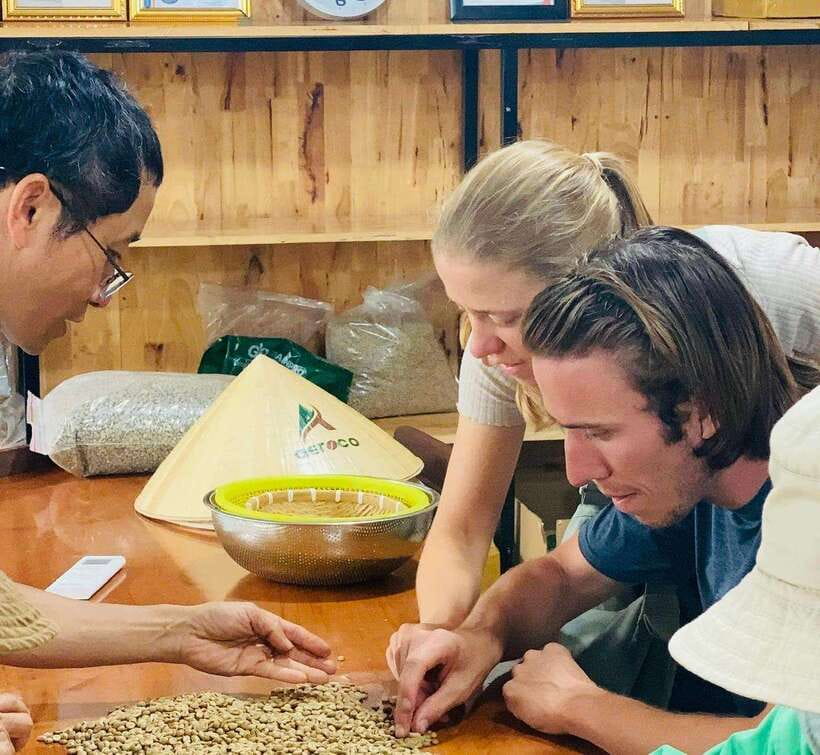
This tour starts at the meeting point in Ea Kao, and the farm is about 10 km from the city center. That matters because it keeps the experience from feeling like a vague coffee lecture. You’re moving through real plants, real processing steps, and a real farm routine, with your guide keeping the story connected from tree to cup.
You’ll also want to plan for short timing. The overall duration is listed as 1 hour, and the guided plantation visit is described as about 80 minutes. In plain terms: you will get a lot packed in, but you won’t have time to linger forever. If you like asking questions and getting answers, arrive a bit early so you can settle in and hit the start on time.
One more logistics note that’s easy to miss: the tour does not include hotel pickup and drop-off. So you’ll be relying on your own way to get to the right place. That’s also why I recommend confirming directions in the booking email and arriving at least 5 minutes early.
You can also read our reviews of more tours and experiences in Buon Ma Thuot.
Walking the Robusta and Arabica Plantation With Expert Guidance
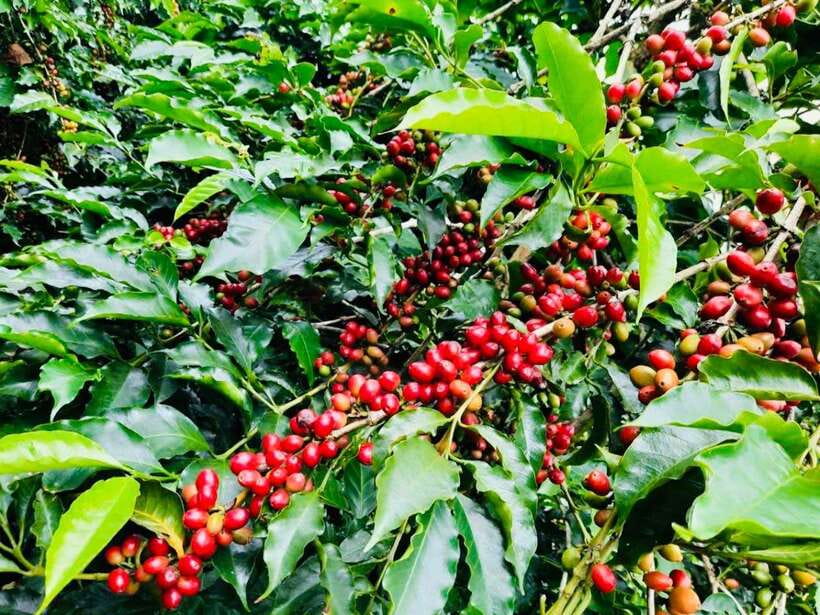
The core of this experience is guided time in the coffee garden, where you learn what’s happening to Robusta and Arabica along the way. You don’t just get a photo-friendly stroll. The guide is there to explain what you’re looking at and why it matters for flavor and quality later.
Expect to see and hear about harvesting and processing as part of the farm flow. There’s also a helpful angle that makes this tour more than a single-topic activity: the guide links farm work to outcomes in the cup. When they talk about pruning, weeding, or seasonal fertilization, it’s not random agriculture talk. It’s about getting the tree in the right condition to produce cherries that can be processed well.
A key consideration for planning: if you join outside the coffee harvest season, harvesting and drying activities won’t occur. You’ll still cover other scheduled parts of the tour, but the “from cherry to dried product” segment may be less active than you might imagine from a peak-season visit. If you’re hoping to see drying steps in action, check your dates carefully.
Coffee Tree Care: Pruning, Fertilizing, Weeding, and the Basin Clean
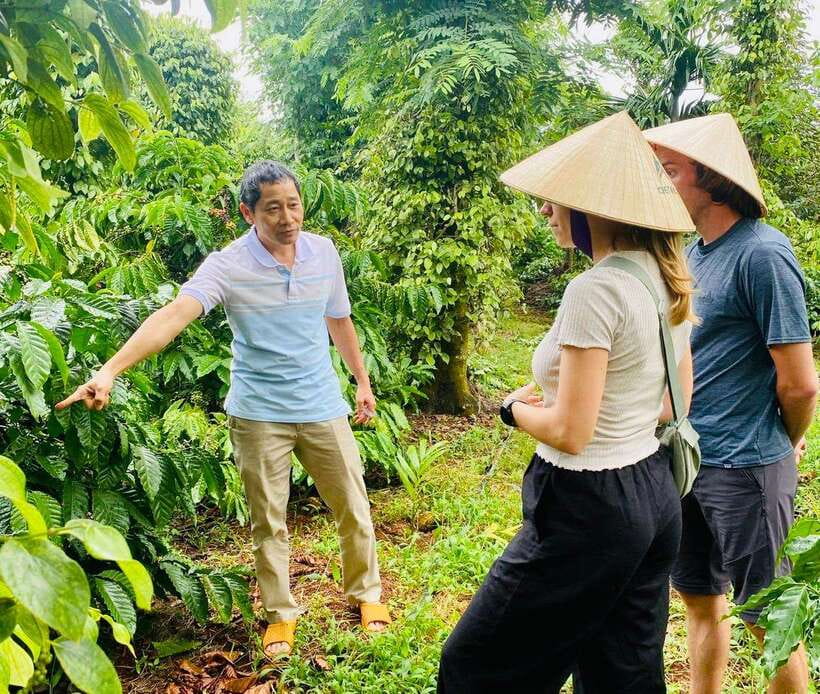
This is one of the most interesting sections because it’s practical. Coffee quality doesn’t start in a roaster. It starts in the garden, long before the beans ever reach a cup.
During the tour, you’ll join or observe locals working through essential coffee care practices such as:
- pruning
- bud breaking
- proper weeding
- seasonal fertilization
- cleaning the coffee tree basin
Why this section is worth your time: these tasks affect the health and productivity of the tree. A coffee farm is basically a long-term project, and these steps are part of keeping the plant vigorous. When you understand that, the tasting at the end stops being a random reward and starts being a preview of how good farming decisions can show up in flavor.
It also helps you appreciate why “organic” and “conventional” aren’t just labels. They describe real choices in how the tree is treated, fed, and managed over time.
Organic vs Conventional Farming: What You’ll Actually Notice
One of the tour’s stated goals is helping you understand the differences between organic and conventional farming. In a coffee context, this is the sort of comparison that can go either way: it can be vague marketing talk, or it can be grounded in how farmers manage the field.
Here, the focus is on farming distinctions alongside the other practical steps you see on site. You’re learning what farmers do, which gives you a better framework for making sense of organic versus conventional methods when you later shop for beans.
If you like food choices grounded in real production, this part is a strong value add. You’ll come away with a clearer idea of what might be behind the price difference you see at home—because the gap isn’t only taste, it’s the work and decisions behind the work.
Irrigation Systems: Traditional Water Control Meets Efficiency
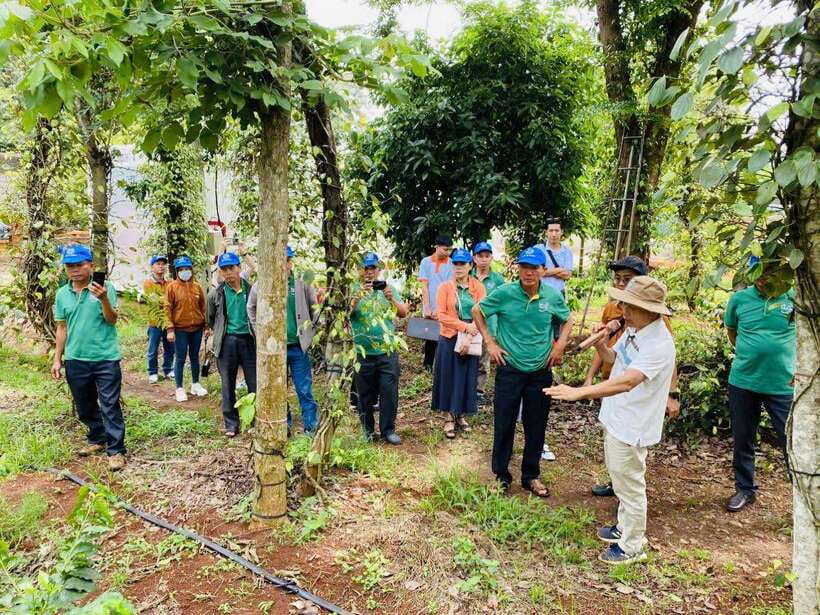
You’ll also get an introduction to operating traditional irrigation systems, along with an overview of the advantages of irrigation technology. This isn’t just “here’s water.” It’s about understanding how farmers manage water access for coffee trees.
For many visitors, irrigation is one of those behind-the-scenes topics that you rarely get to see. Here, you can connect it to the broader goal of farm care. Water management is one reason two coffee farms can produce very different results even when they grow similar coffee species.
This section is especially useful if you plan to keep learning after the tour. It gives you a few concrete terms and ideas so you can interpret what you read on bag labels or hear in other coffee conversations.
Wet-Dry Processing: From Coffee Cherries to Specialty Beans
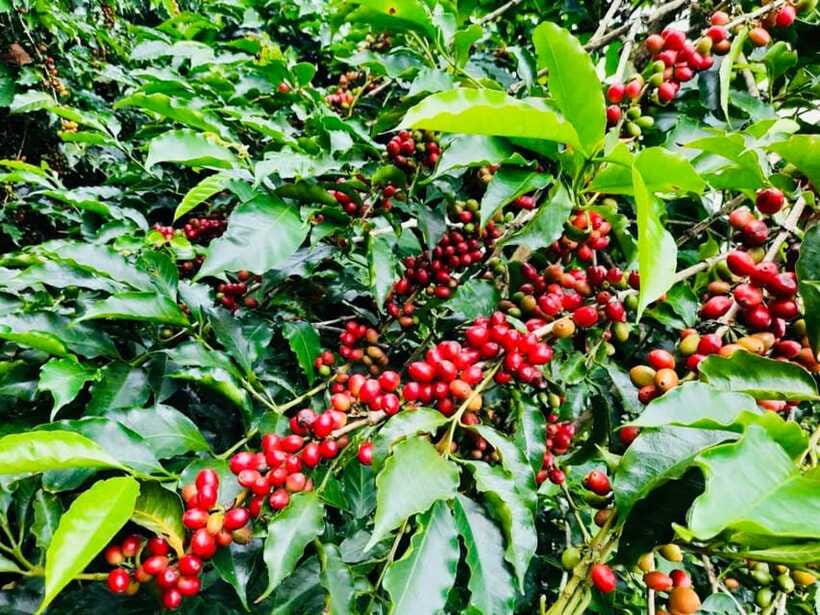
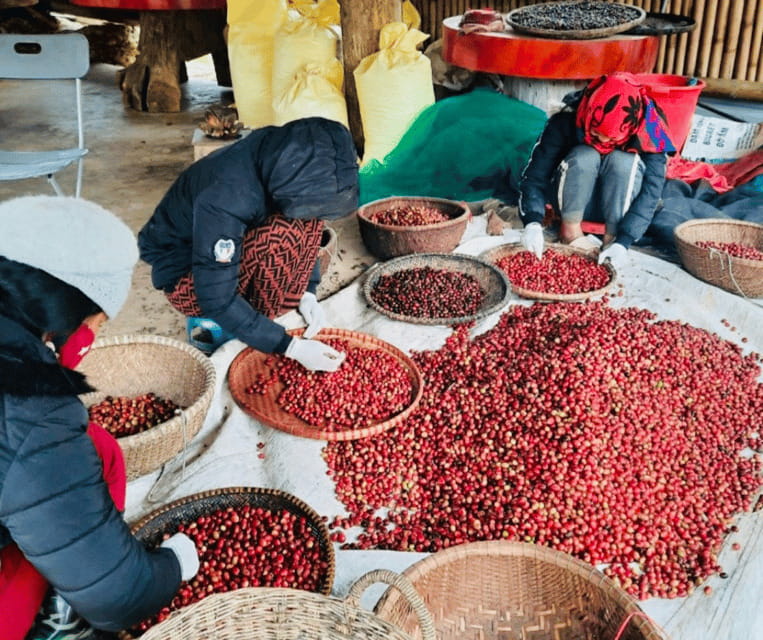
The tour’s processing segment uses a wet-dry method to create flavored specialty coffee. This is where the experience starts feeling like a real production walkthrough rather than a garden visit.
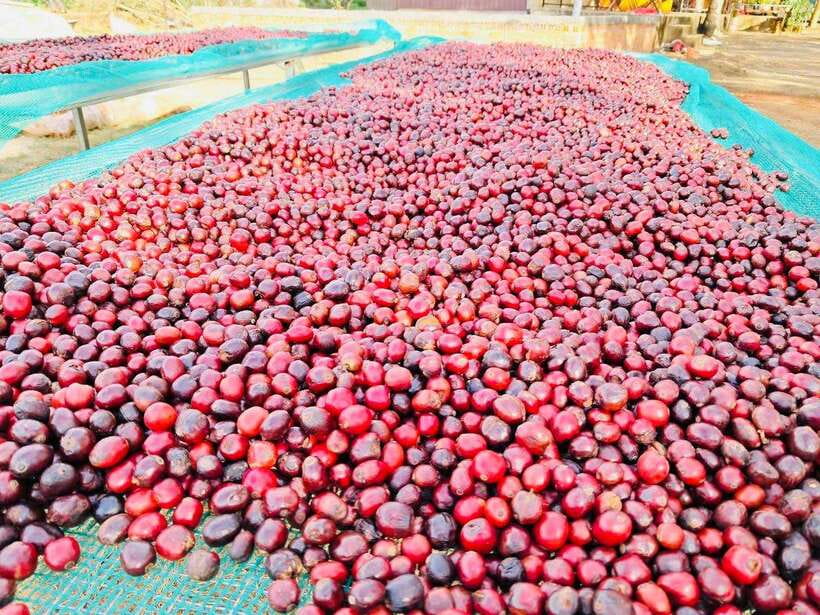
You’ll be introduced to how coffee beans are processed after harvesting, with the wet-dry approach explained as part of the journey from fruit to usable beans. Even if you’re not trying to become a coffee technician, the value is that you’ll understand processing as a flavor influence—not an afterthought.
Processing matters because it changes how the coffee develops and how flavors are carried forward. Once you learn that, tasting at the end becomes more meaningful. Instead of just thinking, This is good, you can think about what steps might have contributed to what you’re sensing in the cup.
And remember the harvest-season note: if you’re visiting when harvesting and drying aren’t happening, you may miss some of the most active processing moments. The tour will still guide you through the overall story, but the level of hands-on happening in the field can shift by season.
The Tasting: Black, Milk, Machine, or Filter
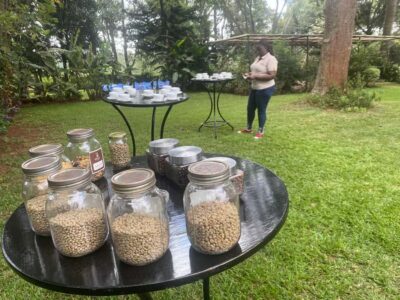
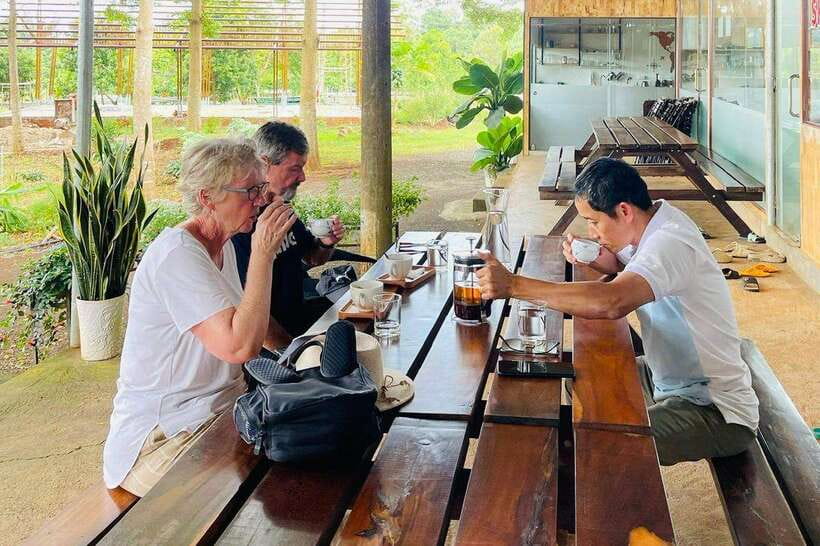
You finish by savoring your coffee—either black or milk, brewed using either machine or filter. This is the part that most visitors are excited about, and it’s also the best way to link everything you heard.
Because this tour includes both production education and a tasting, you get a useful balance. The coffee in the cup isn’t just a snack at the end. It’s a summary of what the farm care and processing steps were working toward.
One additional detail you might find during the experience is tasting freshly picked coffee cherries. Some visitors specifically report tasting cherries along with multiple coffee samples. Even if cherries aren’t available on every visit, the overall tasting idea is consistent: you’ll try coffees connected to what you learned earlier.
If you enjoy comparing textures and flavors, the black vs milk choice can feel like two different experiences. Black coffee lets you focus on the roast and natural character, while milk changes perceived acidity and bitterness. Either way, it’s a simple way to practice noticing what your senses pick up.
Price and Timing: Is $18 Good Value?
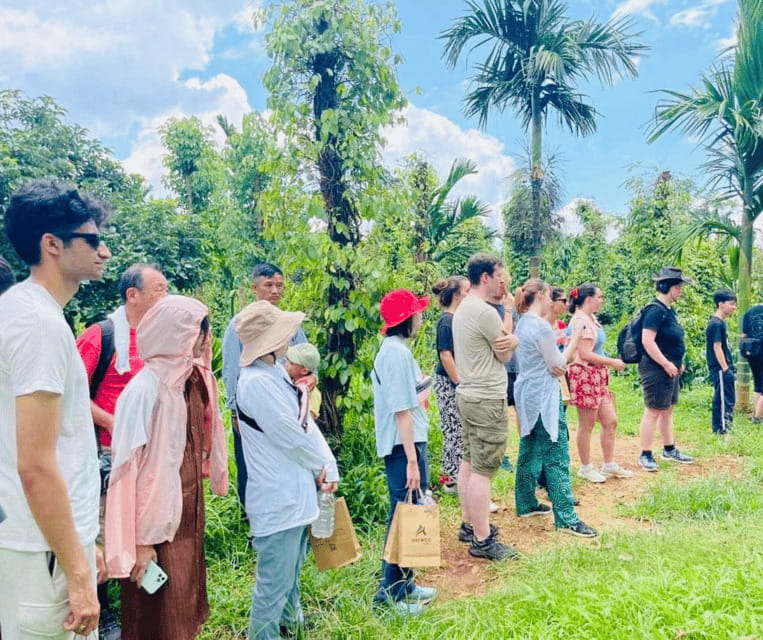
At $18 per person for a tour that runs about an hour, the pricing is fairly easy to judge. You’re paying for expert guidance on coffee farming and processing, plus a specialty tasting session, and it’s described as including all costs in the plan.
Where you should be honest with yourself: the price does not include hotel pickup and drop-off. If you’re staying outside convenient reach, transport becomes your responsibility. Also, the tour does not include packaged coffee for sale. If you want to buy beans afterward, you’ll need to plan that extra spend.
Still, for many visitors, this is good value because you’re getting farm education and a tasting in one short visit. You’re not spending half a day commuting and wandering. Instead, you’re focused on a single production story—trees to processing to cup—within a controlled time window.
Who This Tour Fits Best
This tour is a strong match if you:
- want coffee education that connects directly to what ends up in your cup
- enjoy agriculture details like pruning, bud breaking, fertilization, and basin cleaning
- like practical contrasts such as organic vs conventional and different processing approaches
- prefer short, structured experiences over long day trips
It may be less satisfying if you’re expecting peak-season harvest action year-round. Outside harvest season, harvesting and drying activities won’t occur, so you’ll get the education with less of the harvest/drying spectacle.
One more practical fit question: if you’re sensitive to smooth navigation, build extra time to find Ea Kao and the specific farm location. Some people report it can be hard to get to the correct place, so the fix is simple—arrive early and use the directions from your confirmation email.
Should You Book This Buon Ma Thuot Coffee Farm Tour?
I’d book it if you want an efficient, hands-on-feeling look at how Robusta and Arabica are produced and processed in Vietnam’s coffee-growing heartland, then capped with a real tasting of black or milk coffee. The tour earns its value with expert guidance and a production story you can actually connect to flavor.
Skip it only if your dates fall outside harvest season and you specifically want to see harvesting and drying in full action. Also, if getting to Ea Kao is a hassle for your plans, consider whether you’re comfortable handling transport without pickup.
If you like coffee more than coffee lore, this tour gives you a solid taste of the real work behind the bean.
FAQ
How long is the coffee farm tour?
The tour duration is listed as 1 hour. The guided plantation visit is described as about 80 minutes.
Where does the tour start?
You meet at Ea Kao. After booking, you get a confirmation email with directions to the specific location and the instructor’s contact details.
Is there hotel pickup and drop-off?
No. Hotel pickup and drop-off are not included.
What coffee types are covered?
You’ll learn about harvesting and processing of Robusta and Arabica coffee.
Does the tour include tasting?
Yes. You’ll savor a cup of specialty coffee at the end, with black or milk options, brewed by machine or filter. A coffee bean tasting is also part of the experience.
What farming topics will I learn?
The tour includes guidance on farm care tasks such as pruning, bud breaking, weeding, seasonal fertilization, and cleaning the coffee tree basin, plus an introduction to irrigation.
What about organic vs conventional coffee?
You’ll learn the differences between organic and conventional farming as part of the tour.
What should I bring?
Sun protection items are not included, so you’ll want to bring your own if you’ll be outside.