REVIEW · LA FORTUNA
Chocolate and Farm Tour with local Tico family
Book on Viator →Operated by Chocolate and Farm Tour · Bookable on Viator
Chocolate tourism usually means crowds. Here, you trade that for a real cacao plantation walk with a local family, learn why cacao is treated as a sacred superfood, and taste fresh cacao fruit straight from the farm. I really liked the hands-on feeling of harvesting and tasting, and I also enjoyed the participative chocolate-making at the end, including toppings you can customize. One thing to consider: the hands-on bar step can be time-dependent, so you might want to confirm with your guide early that you’ll have time to mold bars.
This is a $45, roughly 2-hour experience that stays focused. You’ll prepare and drink cacao beverages in a more traditional style and also make a sweeter hot chocolate the way many people in Costa Rica drink it, using fresh ingredients.
Then you’re done and free to explore La Fortuna on your own schedule. If you’re not into farm walking or the smell of organic agriculture, wear closed-toe shoes and plan for a warm, outdoorsy pace.
In This Review
- Key things I’d watch for
- Cacao farming in La Fortuna feels personal, not performative
- Price and timing: a $45, roughly two-hour experience that respects your day
- Where to meet your guide (and how to avoid wasting time)
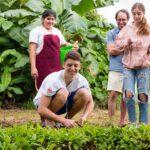
- The plantation walk: harvesting cacao fruit and tasting what grows around you
- Cacao drinks: traditional preparation first, then a Costa Rican hot chocolate
- Making chocolate bars and customizing toppings
- What you’ll learn about cacao beyond flavor
- Who this tour suits best (and who might want to rethink)
- The local-family angle: what makes it feel different
- My quick take: should you book this chocolate and farm tour?
- FAQ
- How long is the Chocolate and Farm Tour in La Fortuna?
- How much does it cost?
- Where do I meet the guide?
- What does the tour include?
- Is this a small-group tour?
- Will I receive a ticket on my phone?
- What is the cancellation window for a refund?
Key things I’d watch for
- Small group, capped at 12: less chaos, more conversation with the family and guide
- Cacao-to-drink-to-chocolate flow: you see cacao fruit, then taste it as drinks, then finish with chocolate bars
- Traditional and modern cacao drinks: you compare a more ancient-style preparation with a Costa Rican hot chocolate
- Hands-on tasting and participation: you’re not just watching from the sidelines
- Organic farm details: you may hear how they handle fungus in organic ways
Cacao farming in La Fortuna feels personal, not performative
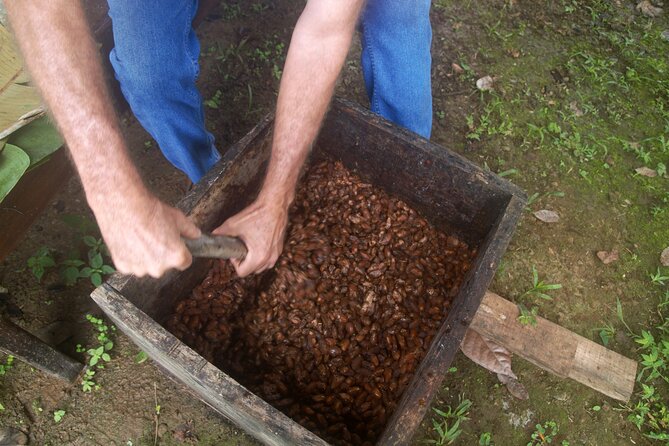
La Fortuna is surrounded by life that grows slowly and on purpose, and cacao is one of the best examples. This tour is built around that reality. You don’t just learn cacao exists—you learn how the fruit shows up from cacao’s tiny flowers, then you taste what that process creates.
What I like is that the focus stays on cacao as more than a sweet. The guide talks about why cacao is considered a sacred superfood in Costa Rica and how indigenous groups historically prepared cacao drinks. You’ll also hear about medicinal properties attributed to cacao. I’d treat that part as traditional wisdom and cultural belief—not medical advice—but it adds context that you won’t get from a generic hot chocolate stop.
And because you’re with a local farming family, the experience feels rooted in daily work: growing fruit, tending plants, and turning farm harvest into something you can share.
You can also read our reviews of more tours and experiences in La Fortuna.
Price and timing: a $45, roughly two-hour experience that respects your day
At about 2 hours for around $45, this tour is priced for people who want a meaningful taste of local food culture without carving out a whole day. That matters in La Fortuna, where you’ll probably also want time for waterfalls, hot springs, or a volcano-view drive.
The structure is also practical: you get a plantation walk, multiple tastings, and the chocolate-making finale, then you’re back to the meeting point with the rest of the day open. If you like the idea of packing a strong food experience into a small time box, this fits.
The only trade-off with a shorter tour is that everything has to stay moving. That’s why the hands-on bar portion matters: it sounds like a big, fun endpoint, but if the group is large (still capped at 12), timing can affect how long you spend on each step.
Where to meet your guide (and how to avoid wasting time)
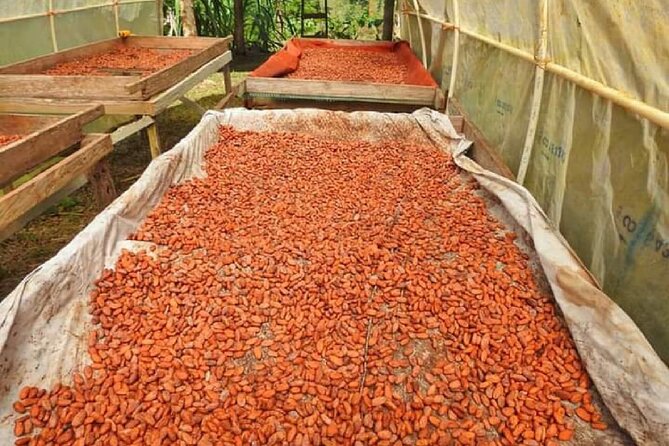
You meet your guide about 25 minutes outside La Fortuna, at Finca La Esperanza: Coffee and Chocolate Tour, Cabaña Blue Jeans, San Juan, Provincia de Alajuela, San Isidro, Costa Rica. It’s the kind of meeting point that feels easy once you’re there, but annoying if you show up late or unclear.
Here’s how to set yourself up well:
- Plan to arrive early enough that you’re not rushing in the heat.
- Wear closed shoes. You’re walking on a farm path, not a paved sidewalk.
- Bring your phone if you like keeping a few photos handy, but don’t let it slow the group down.
You’ll use a mobile ticket, and confirmation happens at booking. Also, the tour runs near public transportation, which can help if you’re piecing together your day without a private car.
The plantation walk: harvesting cacao fruit and tasting what grows around you
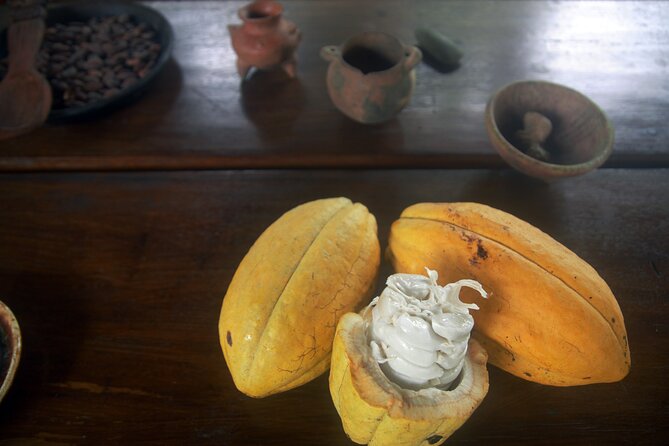
The best part of a cacao tour is getting close enough to see the plant life clearly. This one walks you through a cacao plantation and includes harvesting and tasting fresh cacao fruit. That’s a big deal, because cacao flavor is mostly about what’s happening right at harvest time.
As you walk, the guide explains how cacao changes from blossom to fruit. That’s not just a neat biology fact—it helps you understand why cacao products taste the way they do later. You’re linking the plant to the flavor.
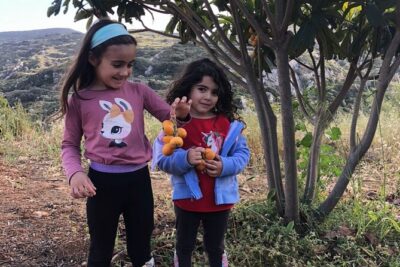
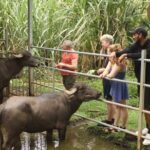
You’ll also sample local fruit grown on the property. I like this because it widens the lens beyond cacao. Instead of turning everything into chocolate only, you get a better sense of what a Tico farm meal can look like.
One detail worth noting from an organic-farm perspective: there’s mention of organic methods for controlling fungus. Even if you don’t catch every technical term, you’ll likely leave with a clearer idea that organic farming isn’t just a label—it’s hands-on work and constant attention.
Cacao drinks: traditional preparation first, then a Costa Rican hot chocolate
After the plantation part, the tour shifts gears into making and tasting cacao drinks. You prepare these beverages yourself, which is where the experience turns from educational to genuinely fun.
You’ll start with a more traditional, older-style cacao drink. The description emphasizes that cacao drinks prepared by indigenous groups were—and still can be—very different from the modern hot chocolate you’re used to. The guide presents it as a way to create balance and connection with nature. Again, treat that as cultural framing, not a scientific claim, but it’s meaningful because it shows how people have related to cacao for generations.
Then you’ll make a sweet hot chocolate using fresh ingredients—the style many people drink around Costa Rica. This is the moment where you can compare. If you’re a chocoholic, you’ll appreciate how different the flavors can be just by changing preparation.
What I found valuable is that the tour doesn’t force you into one definition of cacao. It gives you both ends: traditional preparation for cultural meaning and modern preparation for comfort.
Making chocolate bars and customizing toppings
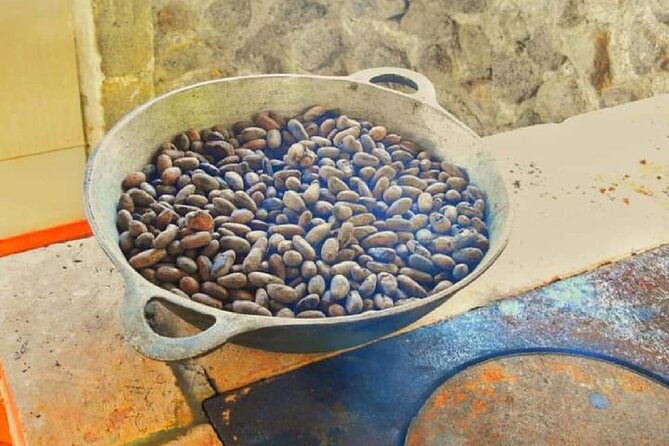
The finish includes molding chocolate bars using their cacao. This is the part that most people think of as the souvenir moment, but it’s better than a quick demo. It’s described as participative, with toppings available so you can customize what you make.
This is where you get to be your own chocolatier for a bit. Even if you’re not an expert, the fun comes from trying, tasting, and building your own version with toppings you choose.
One practical consideration: there’s at least one mention of a participant who didn’t get to make the bars as expected. That doesn’t mean the bar step is guaranteed for everyone in every situation—it may depend on timing, group flow, or how the session is paced. If bar-making is your top reason for booking, I’d ask your guide early in the tour how much time you’ll have for molding so you can plan your energy for that last step.
What you’ll learn about cacao beyond flavor
By the end, you’ll understand cacao as a whole system:
- The plant’s life cycle (how it goes from flower to fruit)
- Why cacao matters culturally (sacred superfood framing and traditional drink preparation)
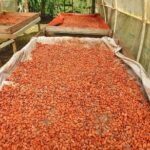
- How cacao becomes beverages and chocolate (you see the path from farm harvest to drink and then to molded bars)
- The idea of medicinal properties (presented by the guide as part of how cacao is valued)
Even if you only remember a few points, you’ll leave with a richer mental model. That’s the real value of this kind of tour: it turns chocolate from a product into a story you can explain.
And since the farm is described as organic, you may also pick up how they handle real-world farming concerns—like fungus control—using organic methods. That gives the tour a grounded “how it’s done” feeling, not just a tasting agenda.
Who this tour suits best (and who might want to rethink)
This is a strong match if you:
- Want an authentic, small-group experience instead of a crowded, scripted stop
- Love food that has a place and a process (not just a menu item)
- Enjoy interactive activities—tasting, making drinks, and getting involved in chocolate-making
- Appreciate cultural context, especially around indigenous preparations and Costa Rican traditions
- Prefer an experience that leaves your afternoon open for other La Fortuna plans
It may be less ideal if you:
- Have limited mobility or prefer mostly flat, paved routes. This includes a plantation walk.
- Want a long, in-depth classroom-style lesson. This is a hands-on tour, and it moves at a farm pace.
- Are very sensitive to outdoor smells and conditions (it’s a working farm environment).
The tour is run in English, which helps if you’re not traveling with translation support.
The local-family angle: what makes it feel different
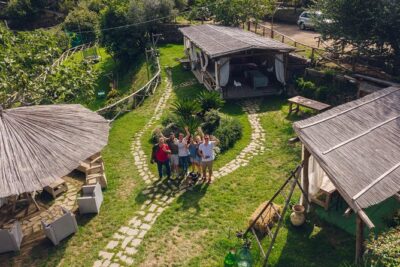
Cacao tours can be hit-or-miss. Some feel like a performance designed for quick photos. This one aims to be the opposite: it’s described as a real meeting with a Tico farming family, who take visitors in as honored guests and share their love of the land and culture.
I like this because it changes how you taste. Food tastes better when you understand the people and effort behind it. You’re not just buying chocolate—you’re participating in a farm day.
Also, the small-group cap (12) helps a lot. You get more chance to ask questions and get answers in plain language instead of shouting over a large crowd.
My quick take: should you book this chocolate and farm tour?
If you want a 2-hour experience that’s genuinely interactive, focused on cacao from fruit to drink to chocolate bars, and led by a local family on a working farm, I think this is worth booking.
You’ll likely enjoy it most if you like:
- tasting fresh cacao fruit and local produce
- comparing traditional cacao drinks with Costa Rican hot chocolate
- hands-on making (and playing with toppings)
Also, the satisfaction signals are strong: the tour has a 4.9 rating from 35 reviews, with 97% recommending it.
My advice: if bar-molding is a must for you, go in with that mindset and ask your guide how the hands-on step will work once you’re there. Other than that small timing consideration, this tour is a smart, good-value way to taste the real cacao side of Costa Rica—without eating your entire day.
FAQ
How long is the Chocolate and Farm Tour in La Fortuna?
It lasts about 2 hours (approximately).
How much does it cost?
The price is $45.
Where do I meet the guide?
Meet at Finca La Esperanza: Coffee and Chocolate Tour, Cabaña Blue Jeans, San Juan, Provincia de Alajuela, San Isidro, Costa Rica. The guide meets you about 25 minutes outside La Fortuna.
What does the tour include?
You’ll walk the cacao plantation, harvest and taste fresh cacao fruit, try local fruit, prepare and drink cacao drinks (traditional-style and a sweet hot chocolate), and mold chocolate bars with toppings.
Is this a small-group tour?
Yes. It has a maximum of 12 travelers.
Will I receive a ticket on my phone?
Yes, it uses a mobile ticket.
What is the cancellation window for a refund?
You can cancel for a full refund if you cancel at least 24 hours before the experience’s start time. If you cancel within 24 hours, it’s not refunded.