REVIEW · ANTIGUA GUATEMALA
Coffee farm experience
Book on GetYourGuide →Operated by Colonial Antigua · Bookable on GetYourGuide
Coffee is never just coffee here. This tour in Sacatepéquez connects you to the plant, the people, and the effort behind every cup. The guide, Baudilio, keeps it practical and human, not like a classroom.
I especially like the way you learn coffee from the source: how the plants are treated, what they need to grow, and how day-to-day work turns into a drink you can taste. I also like that you get a real tasting at the end, so the science and the field walk turn into something you can judge for yourself.
One thing to consider: this is outdoors time, with a walk that lasts about 105 minutes, so you’ll want solid closed-toe shoes and sun protection. If bugs are a problem for you, this tour is not a fit.
In This Review
- Key highlights you’ll actually care about
- Why a Ciudad Vieja coffee farm tour feels more real than a museum stop
- Getting there from Antigua: pickup timing and what to wear
- The Ciudad Vieja walk: coffee regions and field life in 105 minutes
- Coffee plant care and fertilization: the practical lesson behind a great cup
- From field to cup: tasting, processing, and what Guatemala means for coffee
- Price and value: is $55 a fair deal for this 3-hour tour?
- Small rules that keep the day smooth
- Who this tour fits best (and who should skip it)
- Should you book this coffee farm tour from Antigua?
- FAQ
- How long is the coffee farm experience?
- Where does pickup happen?
- How long is the Ciudad Vieja guided walk?
- What’s included in the price?
- What languages is the guide available in?
- What should I bring?
- Do I need sun protection?
- Is alcohol allowed during the tour?
- Is the tour suitable for everyone?
- Can I cancel and can I pay later?
Key highlights you’ll actually care about
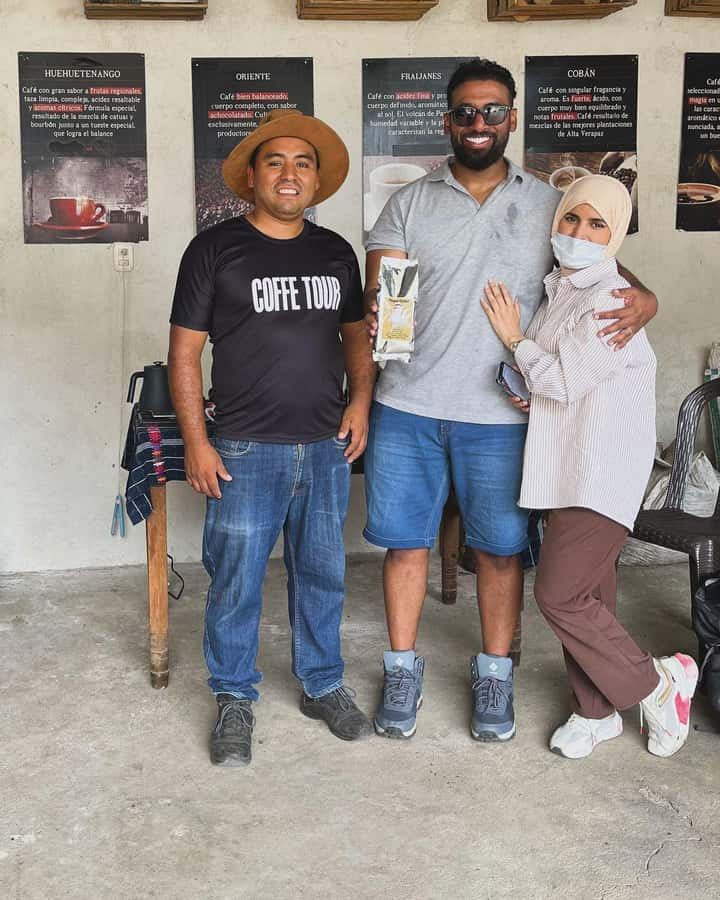
- A family-run feel: you’re welcomed like a visitor in someone’s home, not like a ticket number.
- Baudilio’s focus: clear explanations that connect farming steps to what ends up in your cup.
- Eight coffee regions explained: you’ll hear how Guatemala’s different zones shape coffee character.
- Fertilization and plant care: you get the practical side of how growers keep coffee healthy.
- Two sample tastings: you can compare types, smell them, and learn by doing.
- Coffee economics, not just romance: you’ll see how coffee supports families and local income.
Why a Ciudad Vieja coffee farm tour feels more real than a museum stop
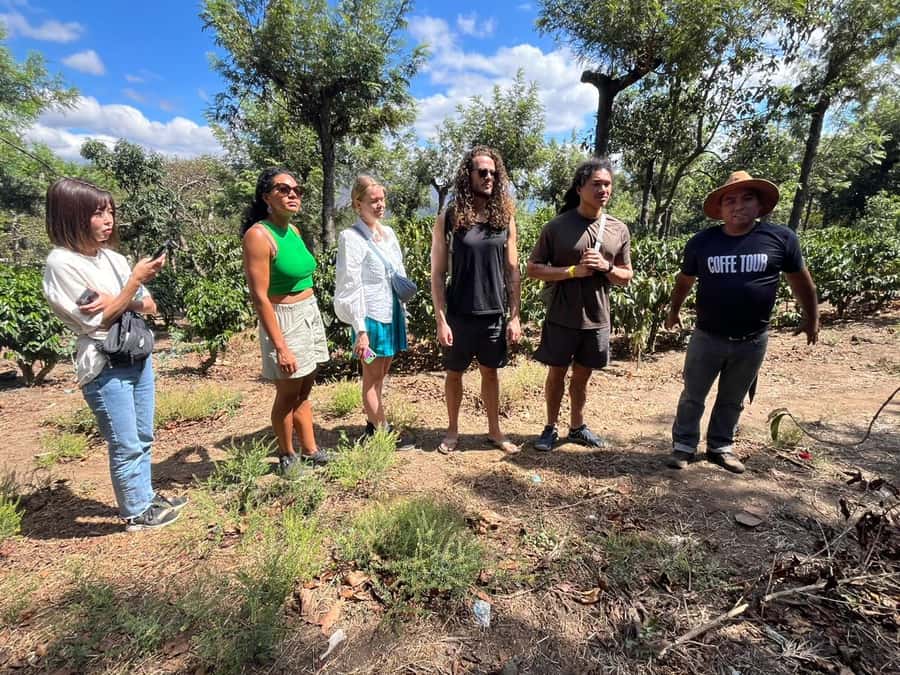
A coffee farm tour can easily turn into a script. This one doesn’t. It’s built around the cycle of coffee in Guatemala and the people who do the work—families, field routines, and the small decisions that add up.
What makes it especially satisfying is the connection between “what you’re seeing” and “what you’re tasting.” I like that you don’t just walk past plants. You get context for why growers do what they do—care, fertilization, and the conditions coffee needs—so the whole thing sticks in your head.
And yes, the warmth matters. The hosts show up as people, not actors. That family attitude shows in how they explain processes and how they treat questions. If you like learning from locals who actually make the product, you’ll feel at home here.
Getting there from Antigua: pickup timing and what to wear
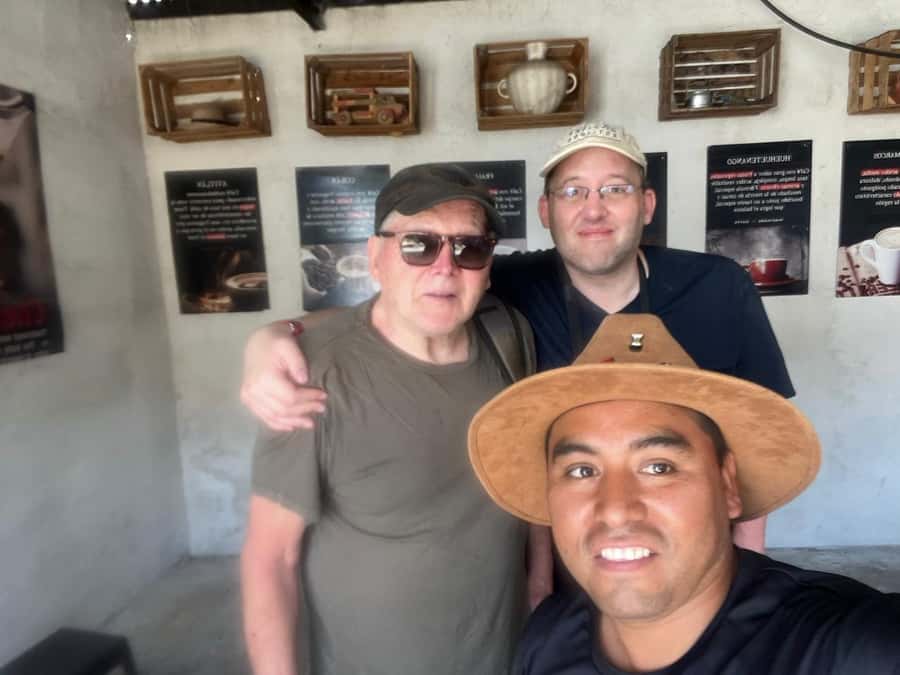
Pickup starts in Antigua Guatemala, with transport provided as part of the experience. Your contact is Baudilio, who arrives in his pick-up vehicle and brings you into the circuit in the Ciudad Vieja area.
The tour runs 3 hours total, with the main on-foot portion in Ciudad Vieja. That means you should treat it like a short hike-plus-lesson, not a quick drive-by.
Pack for comfort and sun:
- Wear comfortable clothes you can move in.
- Bring closed-toe shoes. The walking is part of the learning.
- Bring a hat or cap for sun protection.
- Have a charged smartphone (for photos and to keep track of time).
Bring cash too. Coffee purchases and small extras aren’t included, so you’ll want to pay easily on-site if you want to take something home.
The Ciudad Vieja walk: coffee regions and field life in 105 minutes
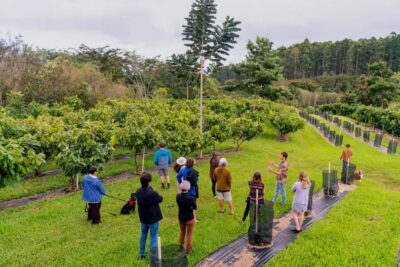
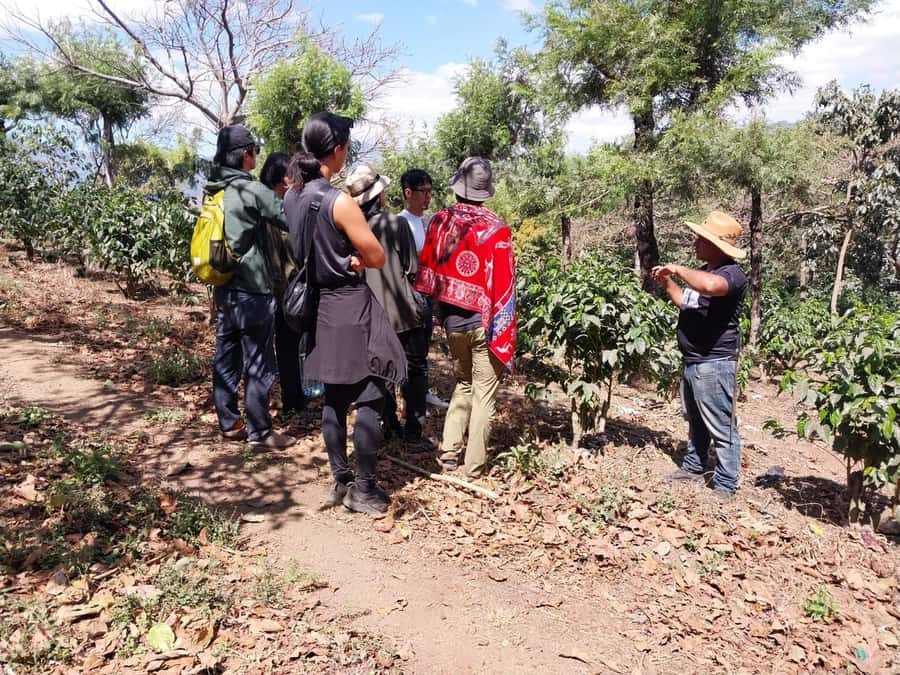
The itinerary’s heart is a guided tour and walk in Ciudad Vieja, lasting about 105 minutes. This is where the coffee education turns from talk into observation.
You’ll learn about the eight coffee regions of Guatemala. The value of that isn’t memorizing names—it’s understanding that not all coffee comes from the same conditions. Even within the same country, growing areas can differ enough to affect flavor and quality. You’ll hear how those regions fit into the bigger story of why Guatemalan coffee has its own identity.
You’ll also see how coffee plants are cared for. Expect questions and answers along the way, because the best part of this style of farm tour is that you’re walking through real work. You’re not just looking at plants—you’re learning how growers think about the plants day after day.
A nice practical touch: the guides emphasize daily effort. That matters because it shifts coffee from a casual purchase to a product with real labor behind it. You start noticing how long-term care is built into the process.
Coffee plant care and fertilization: the practical lesson behind a great cup
One of the strongest parts of this tour is the focus on plant care. You’ll learn:
- how coffee plants are treated over time
- what conditions a coffee plant needs to thrive
- how fertilization works in a growing operation
Why this matters for you: when you understand the basics of plant care, you can taste with more awareness. You’re less likely to judge a cup on sweetness alone. You start thinking about structure—how the coffee was nurtured and how that shows up in the cup.
This is also where the tour does something simple but meaningful: it ties agriculture to responsibility. Coffee growers aren’t just growing. They’re managing living plants that respond to weather, soil, and careful timing. When the guide explains how growers support healthy growth, it makes the “premium” part of coffee feel earned rather than marketing.
And because it’s a working family farm context, the explanations feel grounded. You get a sense of the effort behind the product and why coffee is such an important source of income for Guatemala.
From field to cup: tasting, processing, and what Guatemala means for coffee
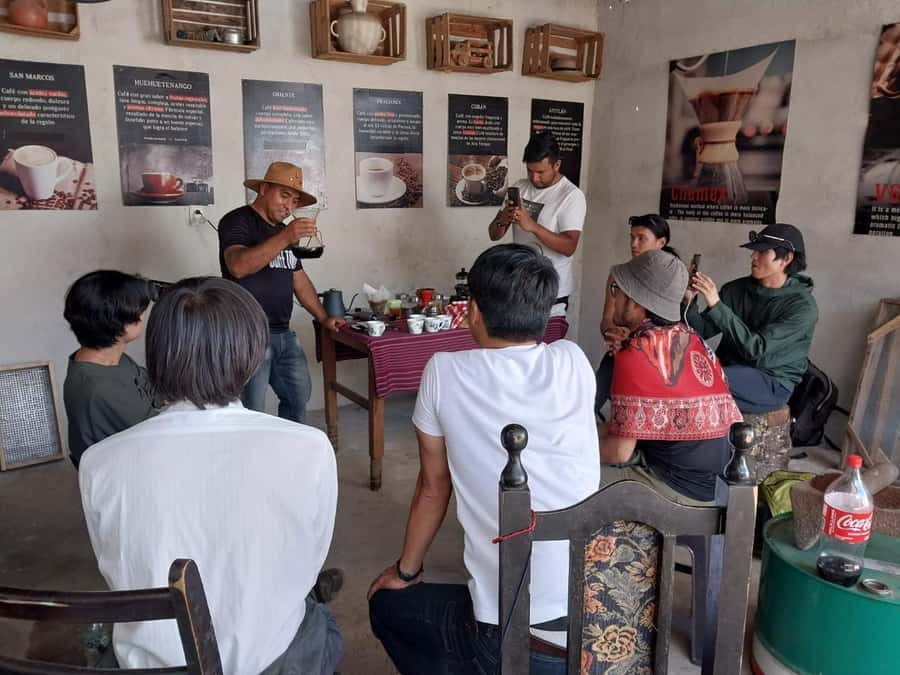
The experience ends with a coffee tasting included in the price. That tasting is your reward—and your reality check. You can compare what you’re hearing with what you’re tasting.
From what you’ll experience here, it’s not just one sample. You’ll get to try two types of coffee, and you’ll have a chance to smell and sample in a guided way. That’s a smart format because it builds your palate quickly. Even if you don’t consider yourself a “coffee person,” you can notice differences in aroma and flavor with minimal effort.
The farm hosts also explain the broader journey from plant to product. You’ll learn how the coffee is grown and processed, and you’ll hear about how Guatemalan coffee fits into local life and livelihoods. One review noted that the family distributes locally and packages and roasts themselves—so you’re not only learning the farm side. You’re seeing the closer link between harvest and what ends up in stores.
If you’re a buyer, this part matters. The tour helps you understand what you’re paying for, so shopping for coffee afterward feels less random.
Price and value: is $55 a fair deal for this 3-hour tour?
At $55 per person, this is not a “grab-and-go” add-on. But the value is strong if you care about coffee beyond taste.
Here’s what you’re paying for, in practical terms:
- Transportation from Antigua
- A live guide (English and Spanish)
- A guided walk and sightseeing portion in the Ciudad Vieja area
- A tasting included
You’re also paying for access to the people behind the coffee—families doing ongoing work—plus explanations of plant care, fertilization, and how Guatemala’s coffee system connects to income for growers. That’s the difference between a generic activity and one that helps you understand what you’re drinking at home.
What’s not included is also important. You should plan extra money if you want to buy coffee, and you should know that pounds of coffee (and extra drinks or food) are not part of the package. The tasting is included; take-home purchases are yours to decide.
One more angle: you’re learning where the money goes. The tour highlights the price of the industry for coffee growers, which helps you understand why coffee prices can feel high—and why that isn’t automatically “profit greed” without context.
Small rules that keep the day smooth
This tour has a few straightforward boundaries:
- No alcohol or drugs
- You should wear suitable clothes and closed shoes
- Bring your hat or cap
- Have a charged smartphone
- Bring cash
Also, some content may be shown in its original language. That’s usually not a problem because there’s a live guide in English or Spanish, but it’s good to know if you rely on full English explanations every minute.
Who this tour fits best (and who should skip it)
This is a good fit if you want:
- nature time without needing a long trek
- coffee education tied to real farm work
- a friendly, family-run feel and local conversation
- a tasting where you can compare two coffee types
It’s less ideal if you:
- need a fully seated, low-walking experience (you’ll be walking for about 105 minutes)
- struggle with insects and have insect allergies (this tour is not suitable for that)
- fall outside the age guidance: not suitable for babies under 1 year, people over 70 years, or people over 95 years
If you’re visiting Antigua and you want one day that smells like coffee instead of just looking at colonial streets, this is a strong contender.
Should you book this coffee farm tour from Antigua?
I’d book it if coffee matters to you more than checklists. This tour earns its place because it connects plant care, regional context, and tasting in a short 3-hour window. The Baudilio-led explanations, plus the family-host vibe, make it feel like you’re learning from the people who actually run the operation.
Skip it if you dislike outdoor walking in the sun or if you’re dealing with insect allergy concerns. Also, if you’re looking for a hands-off, classroom-only experience, the farm setting is part of the point.
If you go, do one thing that improves the whole day: ask questions while you’re walking. You’ll leave with a clearer sense of why Guatemalan coffee tastes the way it does—and how much work sits behind each cup.
FAQ
How long is the coffee farm experience?
The duration is 3 hours.
Where does pickup happen?
Pickup is included from Antigua Guatemala.
How long is the Ciudad Vieja guided walk?
The guided tour and walk in Ciudad Vieja lasts 105 minutes.
What’s included in the price?
Transportation, a guide, and a coffee tasting are included.
What languages is the guide available in?
The live guide is available in English and Spanish.
What should I bring?
Bring cash, a charged smartphone, and closed-toe shoes.
Do I need sun protection?
Yes. You’ll want a hat or cap to protect yourself from the sun.
Is alcohol allowed during the tour?
No. Alcohol and drugs are not allowed.
Is the tour suitable for everyone?
It’s not suitable for babies under 1 year, people over 95 years, people over 70 years, or people with insect allergies.
Can I cancel and can I pay later?
You can cancel up to 24 hours in advance for a full refund, and there’s a reserve now & pay later option (book now, pay later).