REVIEW · SAO MIGUEL ISLAND
Dairy farm Visit and Cow Milking Experience in Azores
Book on GetYourGuide →Operated by Islanders - Immersive experiences · Bookable on GetYourGuide
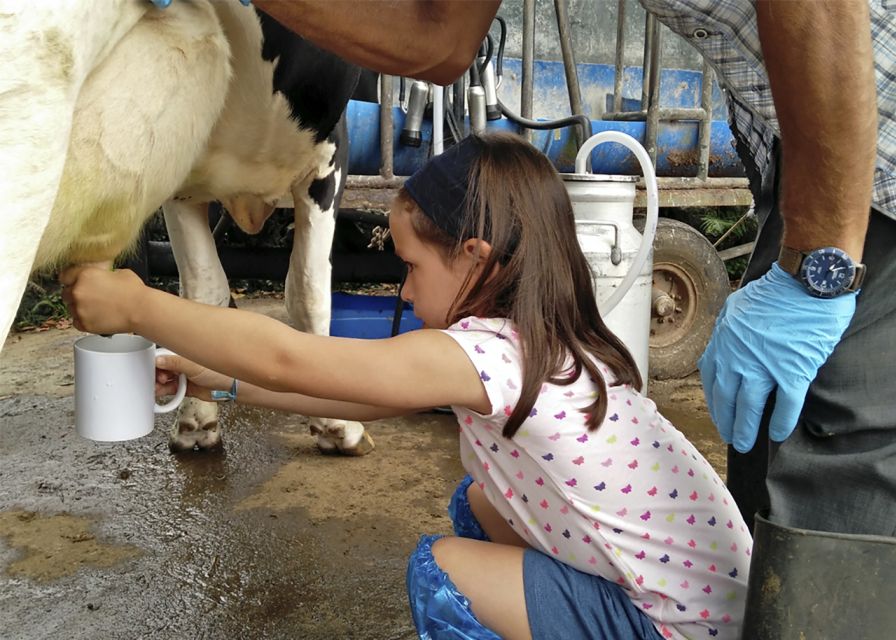
Hand-milking a cow changes your morning. I really loved the hands-on milking part in an outdoor pasture setting, where you’re close enough to smell the animals and understand the rhythm of farm work. I also loved how the guide walks you through organic milk production, including what happens at the collection and storage station. One thing to plan for: this experience is outdoors and not suitable for wheelchair users, so if conditions are rough the day can get cut short or adjusted.
For $57 per person, you get about 3.5 hours of local life with a small group, transport in an air-conditioned van, plus cheese and wine tasting. You’re not just sightseeing—you’re learning how milk goes from pasture to dairy counter, and then eating the results.
In This Review
- Key Things I’d Plan Around
- Entering the Azores Dairy World, One Cow at a Time
- Meeting by Praia da Vitória: Easy Start, Real Farm Day
- Pasture Walkthrough: Petting Cows and Learning the Routine
- What I Took From the Organic Production Explanation
- Getting Your Hands on the Milking Experience
- The Milk Collection and Storage Stop You’ll Actually Understand
- Cheese and Wine Tasting in a Private Home
- Transportation, Duration, and What “3.5 Hours” Means in Real Life
- Price and Value: Is $57 Worth It?
- Who Should Book This Dairy Milking Experience
- Should You Book the Dairy Farm and Milking Tour?
- FAQ
- How long is the dairy farm and cow milking experience?
- Where is the meeting point?
- Is hotel pickup included?
- What’s the group size?
- What languages are the guide?
- What’s included in the price?
- Do I actually get to milk a cow?
- Is the experience outdoors?
- What if the weather is bad?
- Is it wheelchair accessible?
Key Things I’d Plan Around
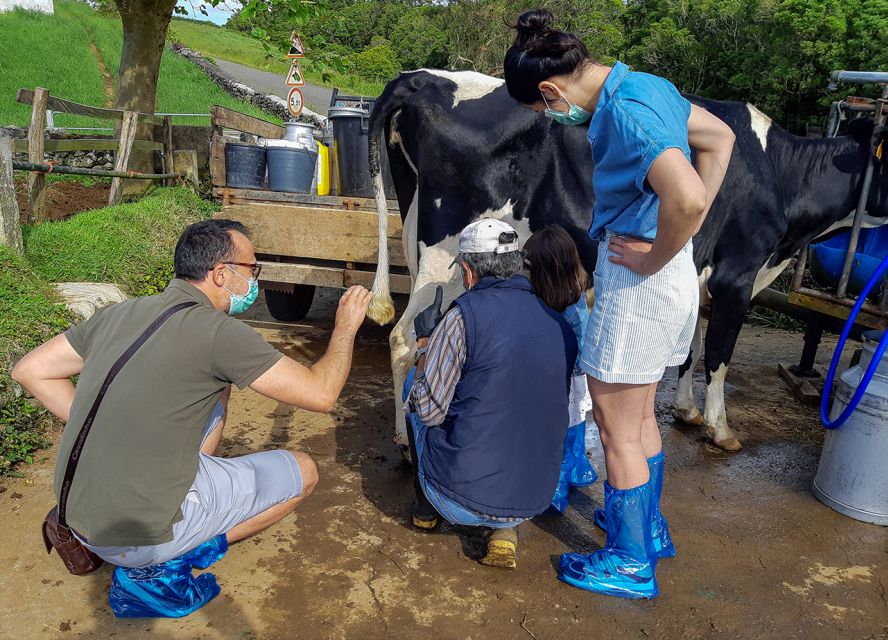
- Hand milking in the pasture: you do it, not watch it.
- Organic milk explained in plain language: conversion and production are part of the story.
- Close contact with the herd: pet the cows and take photos from the farm lanes.
- Milk collection and storage stop: see what happens after the milking is done.
- Cheese and wine tasting at the end: a satisfying payoff to all that dairy learning.
- Small group size (up to 8): more time with the guide, less waiting around.
Entering the Azores Dairy World, One Cow at a Time
This tour is built for people who like real work, real animals, and real explanations. The payoff comes fast: you arrive at a working Azorean dairy farm and quickly shift from visitor mode to helper mode. Then the morning becomes a mix of petting, learning, and yes, getting your hands involved.
Hand-milking sounds simple until you’re standing there doing it. That’s why it’s so memorable. You get a feel for the routine and the care behind everyday milk production, rather than treating dairy like something that magically appears at the supermarket.
And while the main event is the milking, the best part for me is the context. The guide doesn’t just point and smile; you’ll hear how the farm works, including the organic side and what it takes to keep that process going day after day.
Meeting by Praia da Vitória: Easy Start, Real Farm Day
The tour starts at a very specific spot you can navigate to on Google Maps: the ISLANDERS meeting point PV, near the Praia da Vitória marina. There’s free parking nearby, which matters because you don’t want your morning tangled up in last-minute driving stress.
You should note that hotel pickup and drop-off isn’t included. That’s common on island tours, but it’s worth planning for so you can arrive rested and on time. Once you’re at the meeting point, your guide gathers the group and you head out together in an air-conditioned van.
Small group also changes the vibe. Limited to 8 participants, you get better time with your guide and more chances to ask questions about what you’re seeing—especially once people start comparing notes after milking.
Pasture Walkthrough: Petting Cows and Learning the Routine
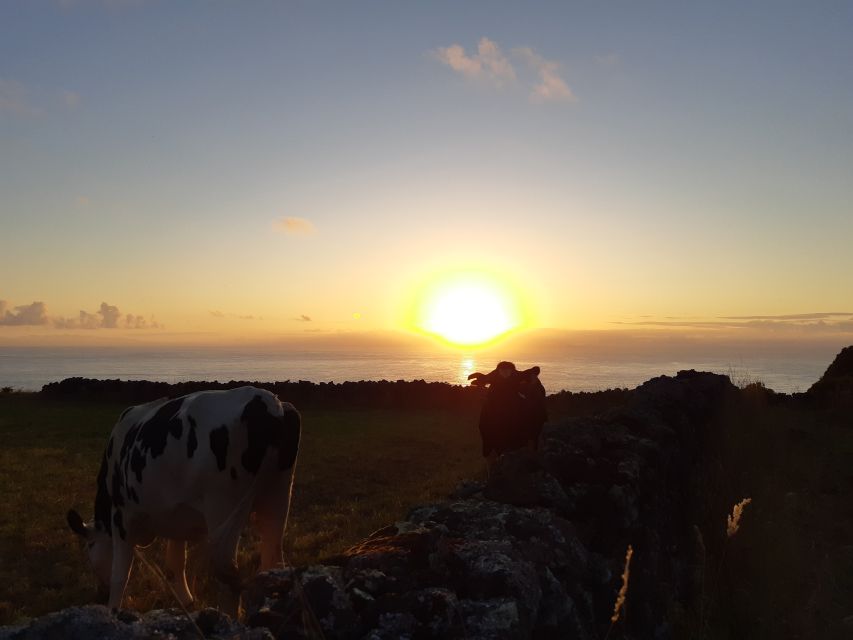
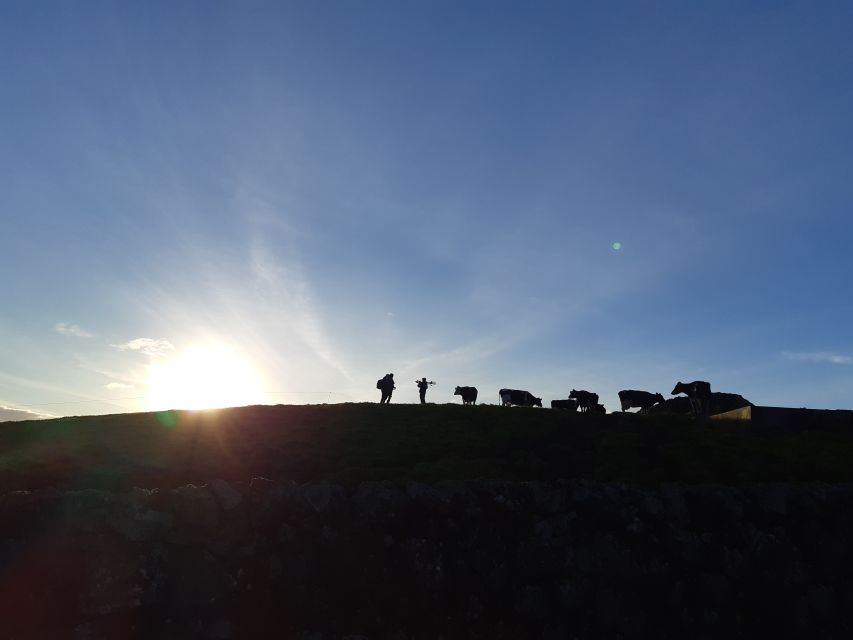
Before anyone grabs a stool, you’ll spend time on the farm grounds where the cows are outside in the pasture. This is where the experience earns its authenticity. You’re not sealed behind glass or far away behind a fence; you get to walk around and mingle with the animals in the space they actually live in.
Expect plenty of petting opportunities and photo moments. The cows are curious, and the farm lanes give you natural viewpoints for pictures—plus you’ll be close enough to notice how the herd behaves when the farmer moves through.
The guide’s role here is crucial. You’ll hear about daily tasks and how the farm’s milk production works in the Azores, with particular focus on organic mode. Even if you don’t know anything about dairy farming, the explanations are framed around what you can see: pasture life, the milking routine, and the handoffs that happen after the milking.
What I Took From the Organic Production Explanation
Organic isn’t just a label; it’s a management choice. When the guide talks about conversion and organic production, what really lands is the idea that the farm’s choices affect every step—from what goes into the animals’ routine to how milk is handled afterward. You leave with a clearer sense of why organic farms often feel more “process-driven,” because they’re managing more than just the milking itself.
Getting Your Hands on the Milking Experience
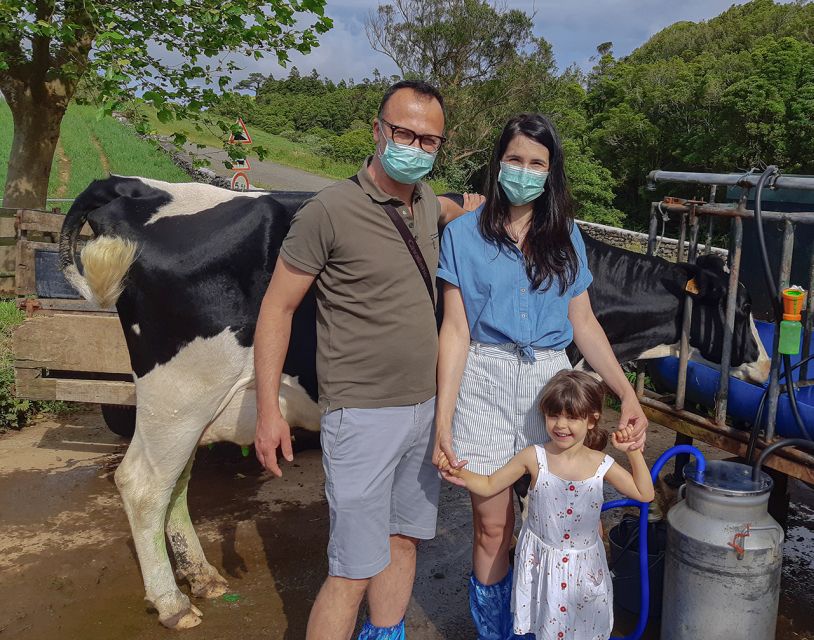
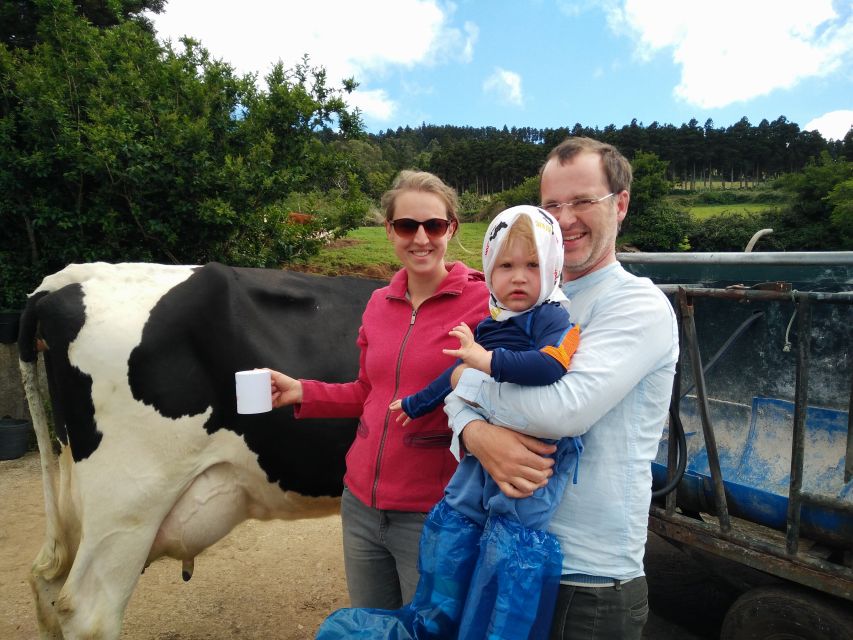
Now for the main event: you’ll manually milk a cow outdoors. This is the part most people come for, and it lives up to the promise because you’re doing it, not observing from the sidelines.
Your guide will show you what to do and help you get started. Once you’re in position, the learning becomes practical: hand placement, timing, and staying calm while the cow does what cows do. It’s physical work, but it’s also surprisingly engaging—like a hands-on craft class, with more moo involved.
One of the nicest parts here is that the experience balances instruction with room to enjoy the moment. You’re allowed to connect with the animals, not just complete a task. That makes the milking feel less like a stunt and more like a genuine window into farm life.
And when milking is done, you’ll get to taste the milk. Fresh milk straight from the farmer is one of those moments that resets your understanding of dairy. The taste is simple but real—no packaging stories, just the product of what you did a few minutes earlier.
You may also get small farm treats such as cookies along the way, which adds to that “you’re part of the day” feeling rather than a rigid, scripted experience.
The Milk Collection and Storage Stop You’ll Actually Understand
After milking, the tour doesn’t rush you out. You stop at the milk collection and storage station, where the guide explains its function and what makes it important.
This part is valuable because it closes the gap between farming and food. Milking is only the start; what happens right after matters for quality. You’ll learn how milk is collected and how the farm keeps it stored properly before it’s sent along for further processing.
Even if you only remember a few points, you’ll walk away with an actual picture of the workflow. Instead of thinking of dairy as a single step, you’ll understand it as a chain: pasture → milking → collection/storage → the next stages of production.
This is also where your questions make sense. When you can see the station and hear what it does, the whole process feels less abstract.
Cheese and Wine Tasting in a Private Home
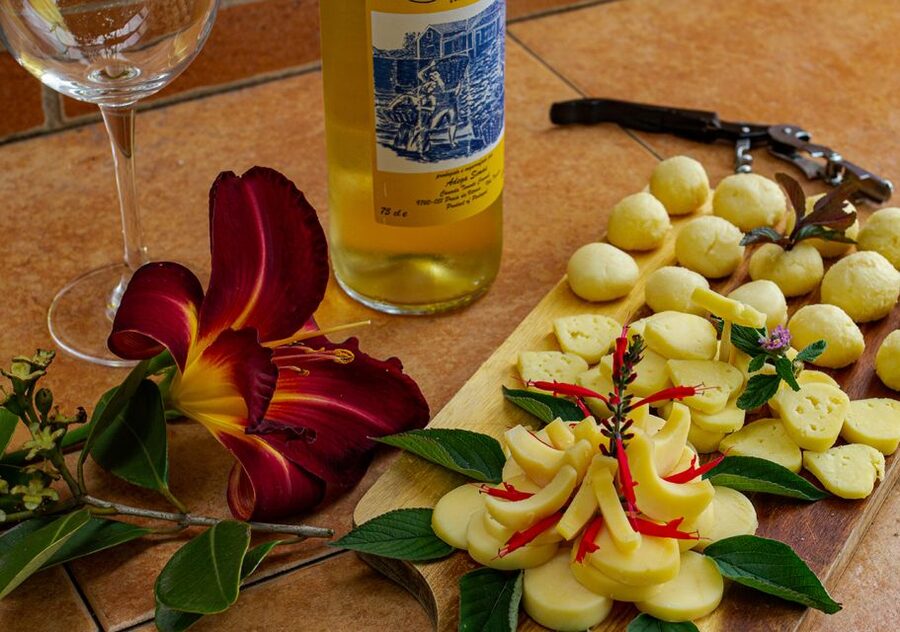
The final act is food and drink, and it’s timed well. By the time you reach the tasting, you’ve earned your appetite with work and learning, and you can taste the result with context.
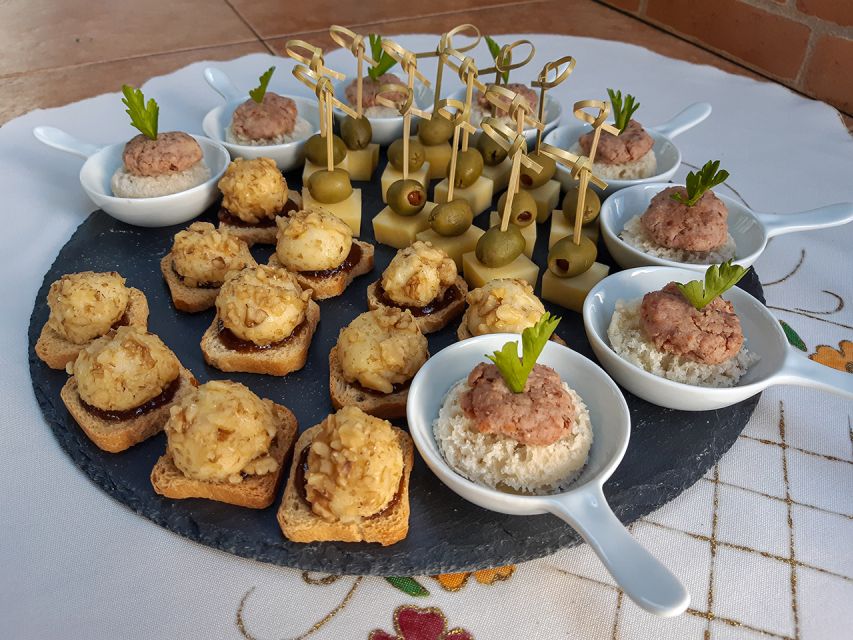
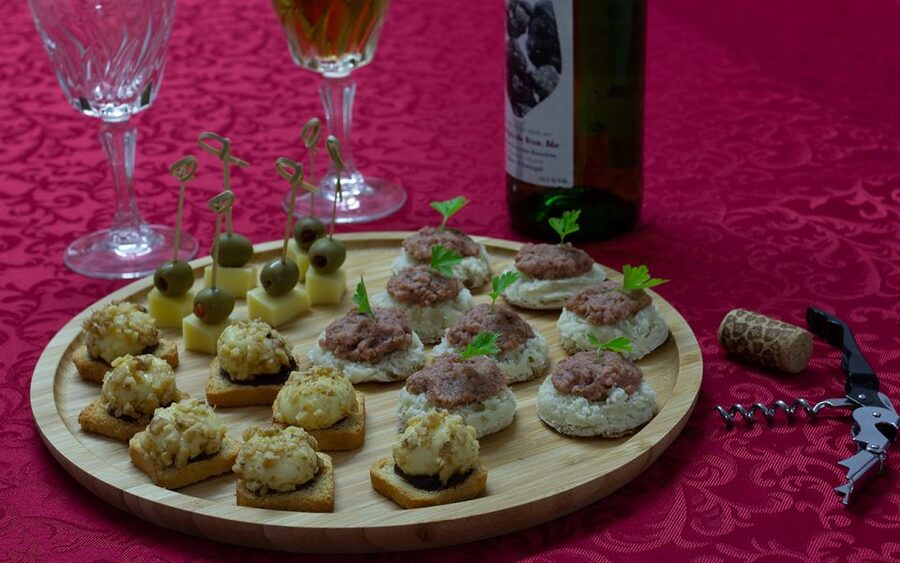
You’ll have cheese and wine tasting in a private home. That setting helps, too. It’s more comfortable and local than a commercial tasting room, and it typically feels like you’re being hosted rather than purchasing a ticket.
In addition to cheese and wine, you might also find a sweet element such as cake. Either way, the core remains clear: dairy first-hand, then a classic Azores pairing where the flavors make sense because you understand the milk’s journey.
This is also a good moment to ask cultural questions. The guide shares stories about islands’ culture, history, gastronomy, and traditions, and you’ll often get practical recommendations afterward—places to eat, what to try, and how to approach local specialties once you’re back on your own.
Transportation, Duration, and What “3.5 Hours” Means in Real Life
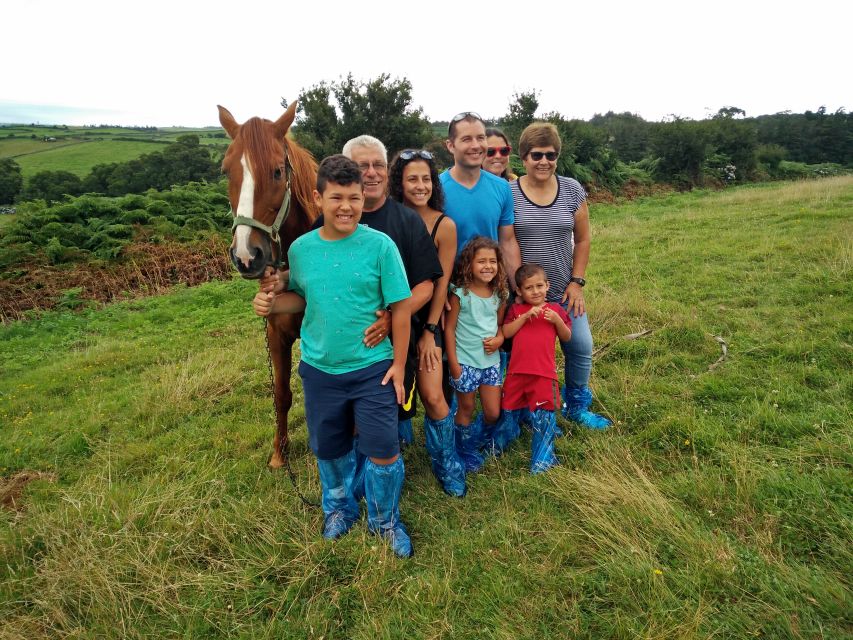
The tour runs about 3.5 hours. That’s long enough to do the main farm activities (walkaround, learn, hand-milk, then do the collection/storage stop), and still finish with tastings without dragging into the afternoon.
You’ll be in an air-conditioned van during transport, which is a smart comfort buffer on warmer days. The farm portion is outdoors, so you’ll want to be ready for pasture conditions and farm pacing: you’ll move as the guide moves, stop when it’s time to learn, and shift activities as the morning schedule flows.
Group limit matters here too. With a maximum of 8 participants, you’re less likely to spend long stretches waiting your turn. That means your time in the pasture feels active rather than stalled.
Price and Value: Is $57 Worth It?
At $57 per person, this isn’t just a quick photo stop—it’s a full morning of guided dairy education plus tastings. What makes the value feel fair is what’s included.
You get:
- a local guide
- transportation by air-conditioned van
- dairy farm visit
- cheese tasting and wine tasting
- overshoes
- and the main hands-on milking plus tasting the milk
So yes, you’re paying for access to a working farm experience. But you’re also paying for translation of that farm knowledge into something you can actually understand in one sitting.
If you’re comparing this to “tour-only” sightseeing, the difference is obvious. This tour gives you a skill-based, sensory experience—milking, learning the organic production thread, and then tasting what you helped produce through the cheese and wine.
Who Should Book This Dairy Milking Experience
This tour is a great fit for you if you:
- want a hands-on activity that’s actually the main event
- like meeting local guides and hearing how everyday work connects to food
- enjoy animals and prefer real farm access over viewing from a distance
- want a morning plan that ends with a satisfying tasting
It’s also a strong choice for couples and small friend groups who like structured time with a guide but still want personal interaction.
Skip it if you:
- use a wheelchair (it’s not suitable)
- don’t do well with outdoor farm conditions, or you’re traveling only with a very tight schedule and want minimal weather risk
Should You Book the Dairy Farm and Milking Tour?
If you’re the type who loves food history, farm-to-table reality, and hands-on experiences, I’d book it. The combination of hand milking, organic production explanations, and a real cheese-and-wine tasting at the end makes it feel like more than a single activity. It’s a connected story from pasture to plate.
Book with confidence if you can handle outdoors time and want to learn from a local guide instead of just taking photos. If you’re limited by mobility needs or you’re only available on a day with uncertain weather, plan to be flexible.
If you want the Azores to feel personal instead of staged, this dairy farm day is one of the most direct ways to get there.
FAQ
How long is the dairy farm and cow milking experience?
The tour lasts about 3.5 hours.
Where is the meeting point?
Use Google Maps to navigate to ISLANDERS (Meeting point PV), near the Praia da Vitória marina. There is free parking nearby.
Is hotel pickup included?
No, hotel pickup and drop-off are not included.
What’s the group size?
The tour is a small group limited to 8 participants.
What languages are the guide?
The live tour guide is available in English and Portuguese.
What’s included in the price?
The price includes a tour guide, transportation in an air-conditioned van, a dairy farm visit, cheese tasting, wine tasting, and overshoes.
Do I actually get to milk a cow?
Yes. You manually milk a cow as part of the experience.
Is the experience outdoors?
Yes. The milking is done by hand outdoors in the pasture, and the overall farm visit includes walking around the farm.
What if the weather is bad?
The activity may be canceled due to weather conditions.
Is it wheelchair accessible?
No, it is not suitable for wheelchair users.