REVIEW · KAMPOT PROVINCE
Kampot Pepper Farm Tour: Salt Fields, La Plantation & Cave
Book on GetYourGuide →Operated by Simon Cambodia Trip · Bookable on GetYourGuide
The salt fields make the day feel instant. This Kampot tour strings together salt harvesting, a quiet lake break at Brateak Krola Lake, and two very different nature stops: La Plantation for Kampot pepper and Phnom Chhngok Cave with limestone formations and ancient artifacts. I really like how the route mixes hands-on sights (salt) with calm scenery (the lake) and then finishes with a proper wow factor underground. I also love that you get an English-speaking guide right from pickup, plus French support at La Plantation if you want it. One thing to consider: if it’s raining, the salt fields may not look the same, so the big white-photo moment can be less dramatic.
What makes this outing practical is that it’s built for a half-day with light walking, photo stops, and a shared tuk tuk. You’re outdoors enough to feel you left town, but not so much that you’ll need a training plan. The main drawback is that it’s not ideal if you have mobility limitations, and it’s not aimed at kids under 6.
In This Review
- Key things to know before you go
- Salt Fields in Kampot: the white work of harvest season
- Brateak Krola Lake: calm water, real green, and an easy pace
- La Plantation: organic farming and how Kampot pepper gets made
- Phnom Chhngok Cave: limestone shapes and guided artifact spotting
- The tuk tuk rhythm: timing, walking, and where the day breathes
- Price and value: what $21 includes (and what it doesn’t)
- When to go: dry season wins for salt, but learning still counts
- Who this tour is best for
- Should you book the Kampot Pepper Farm Tour?
- FAQ
- How long is the Kampot pepper farm tour?
- How much does it cost?
- What’s included in the price?
- Are meals included?
- What should I bring?
- Where does pickup happen, and is there an extra fee?
- Is there French-language help?
- Is it suitable for young children or mobility limitations?
Key things to know before you go
- Salt fields photo timing: you’ll get two separate stretches to see and walk near the salt area.
- Brateak Krola Lake reset: a peaceful lake stop with lush surroundings and guide commentary.
- La Plantation pepper process: organic farming practices and Kampot pepper production explained.
- Phnom Chhngok Cave formations: limestone features plus ancient artifacts inside the cave.
- Guide language options: English throughout; French speaking guide available at La Plantation.
- Comfort matters: bring shoes, water, and sun protection for the walking segments.
Salt Fields in Kampot: the white work of harvest season
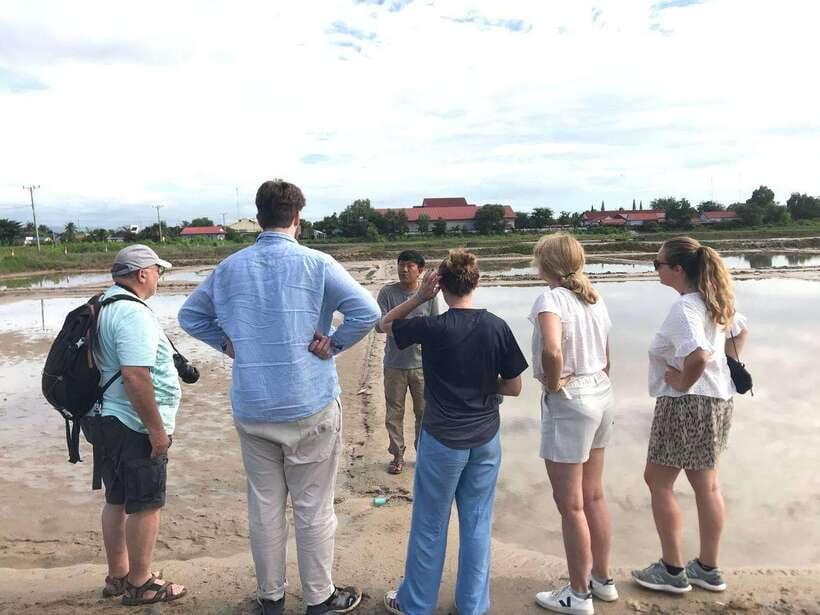
Your day starts with pickup in Kampot Province (hotel pickup is included for places in town). Then it’s straight to the salt fields, where the big draw is simple: those bright white flats against a blue sky. Even if you’re not a “salt person,” the visual contrast does the job fast, and it’s one of the quickest ways to understand how much of Cambodia’s coastal food-and-farm economy runs on practical labor.
You’ll spend two blocks here: first a 30-minute stretch with a photo stop, a guided look, and some walking, then another 20 minutes for more sightseeing. That split matters. It gives you time to get your best shot in the light you’re actually seeing that day, instead of rushing through everything in one pass. Your guide will walk you through the harvesting process, so you’re not just staring at piles of salt like it’s a modern art exhibit.
One rainy-season note: the tour info is blunt that in raining season you may not be able to see the salt as well. If you’re traveling when showers are common, manage expectations. You can still learn about the harvesting, but the photo payoff might be softer.
You can also read our reviews of more tours and experiences in Kampot Province.
Brateak Krola Lake: calm water, real green, and an easy pace
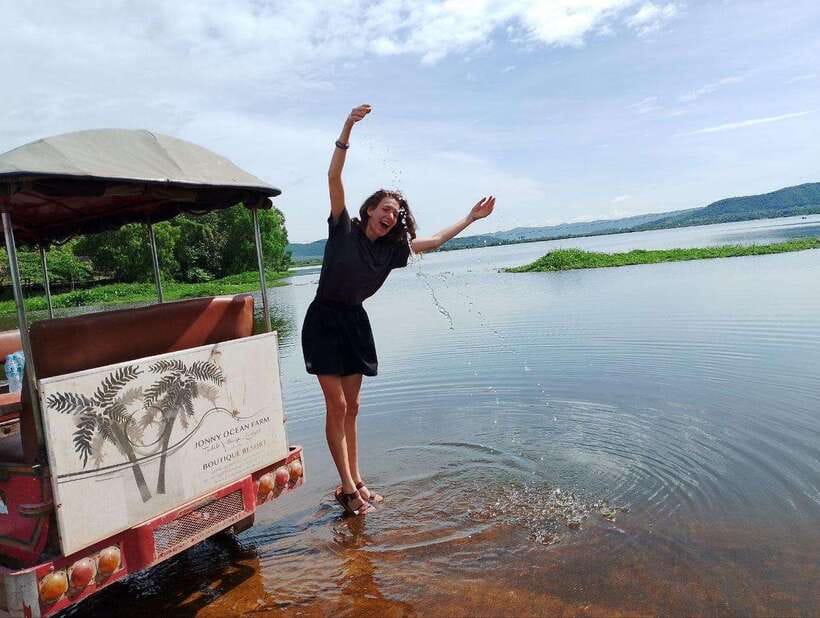
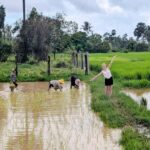
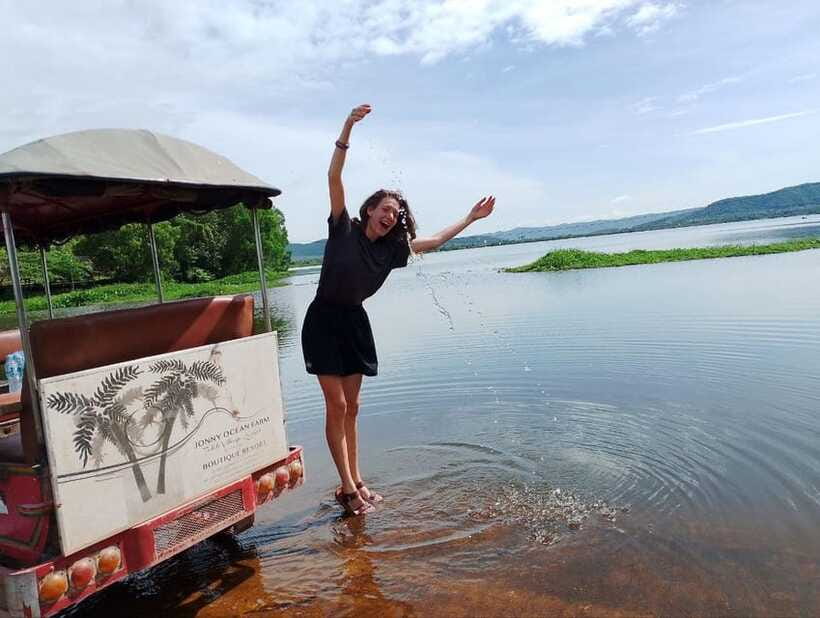
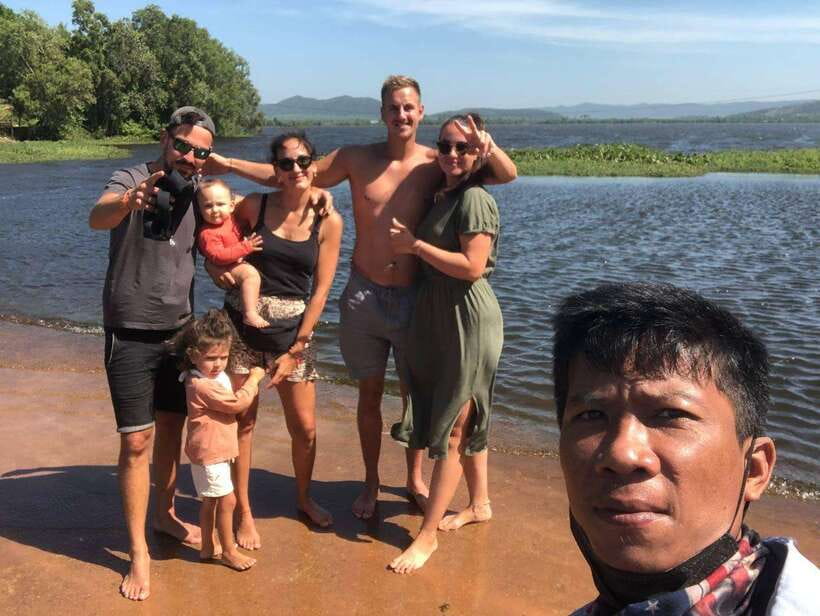
After salt, the tour shifts gears. You head to Brateak Krola Lake, described as a tranquil area surrounded by lush nature. This is the moment I’d call the breathing space in the schedule. When your first stop is bright and open, a quieter, greener environment helps the day feel less like a checklist.
You’ll have time to take it slow here and enjoy the setting. Because it’s part of the guided day, you’re not just on your own with a camera. Your tuk tuk driver also functions as the guide in English, sharing insight along the way, so the scenery comes with context.
This stop is especially good if you like “small moments” on a tour: standing still for a few minutes, watching the water and the plants around it, and realizing you’ve escaped the constant roadside motion of town.
If you’re the type who prefers lots of activity nonstop, this lake time can feel slower. But if you want a balanced day—something scenic plus a little learning—this is the kind of stop that makes the overall tour feel worth it.
La Plantation: organic farming and how Kampot pepper gets made
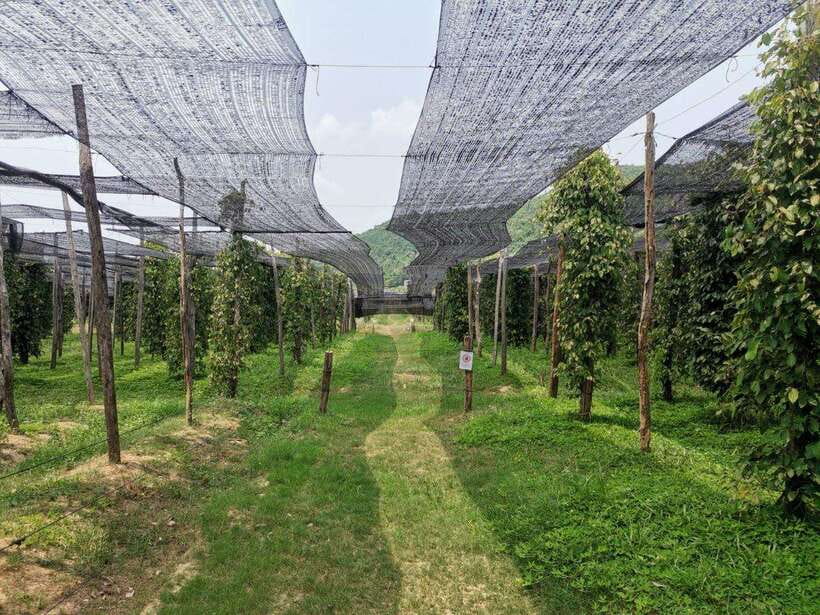
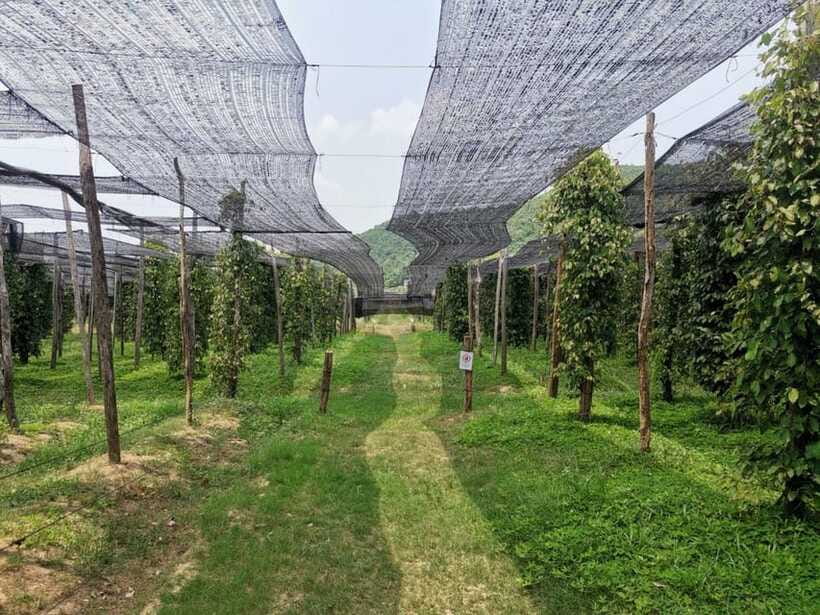
Next comes La Plantation, where the focus turns from salt to Kampot pepper. The big promise here is learning about organic farming and the pepper production process. This part is worth paying attention to because Kampot pepper’s reputation doesn’t come from luck. It comes from how it’s grown and handled.
You’ll get guided explanations here, and there’s a useful bonus: if you prefer French, this is the stop to ask for a French-speaking guide. That’s a smart setup for bilingual travelers because it lets you understand the technical pieces clearly, without forcing everyone into one language.
What I like about this stop is that it’s not just a “gift shop with a story.” You’re seeing farming principles, and then linking them to the final product people buy back in Kampot. Even if you don’t plan to buy pepper that day, the explanation helps you understand what you’re tasting when you later use it in cooking—or when you see bottles on shelves back home.
If you’re sensitive to long, warm outdoor breaks, pay attention to how much sun you’re standing in during this segment. Bring the hat and sunscreen listed for the tour, and you’ll enjoy the learning more.
Phnom Chhngok Cave: limestone shapes and guided artifact spotting
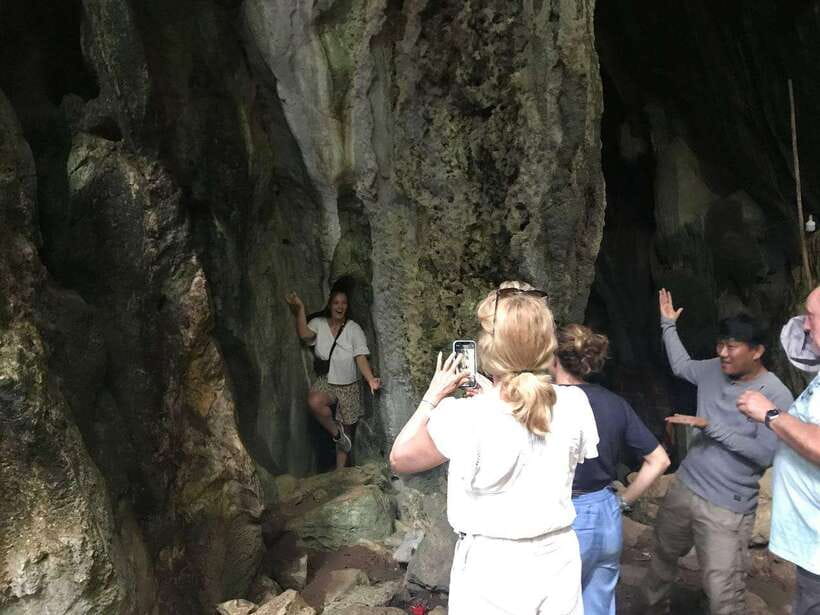
Then it’s cave time. Phnom Chhngok Cave is known for limestone formations and ancient artifacts, and your guide brings you through the cave so you don’t miss the details. Caves are one of those places where it’s easy to just look and move on. With a guide, you get pointers on what to watch for—how the formations look, and what the artifacts mean in context.
This is the most “different” stop on the tour. Salt fields and pepper farms are part of everyday agriculture. The cave is the opposite: it’s geology and time folded into one walk. You’ll want a camera, because limestone textures can be hard to appreciate without a picture for comparison later.
What to consider: caves can be uneven underfoot and can feel cooler than outside, depending on humidity. The tour recommends comfortable shoes, and I’d treat that as non-negotiable. You’ll thank yourself when you’re stepping around rocks and watching your footing instead of thinking about footwear.
The tuk tuk rhythm: timing, walking, and where the day breathes
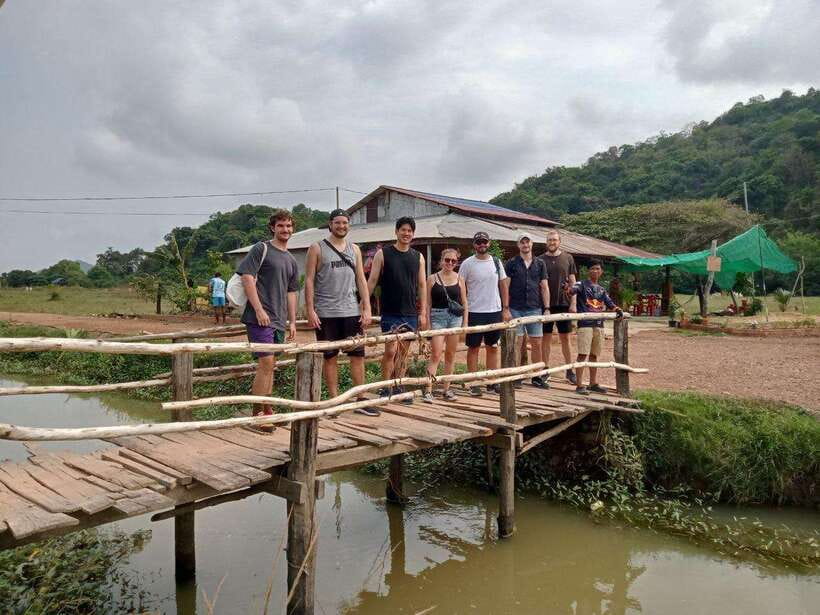
The whole tour runs 6 hours, so it’s long enough to feel like a real outing, but short enough to still have energy for dinner in Kampot after. It’s also built around a shared tuk tuk, so you’re not stuck waiting for a private driver. The tradeoff is that you’re moving as a group, with set timing between stops.
Here’s how the pacing feels in practice:
- Two short, guided blocks at the salt fields (30 min then 20 min).
- A break/photo/walk stop labeled 841 Santa Fe Dr with 30 minutes, plus sightseeing and hiking elements.
- A final stretch lasting about 2 hours, combining a guided component with shopping, sightseeing, a walk, and more hiking, plus scenic drives on the way back.
That “final stretch” is where you can decide how you want to spend your energy. If you like shopping, you’ll have time. If you’d rather keep moving, you can stick closer to the guide and use the walking moments for views.
If you’re wondering whether this feels like a workout: it’s not described as intense training, but you should assume you’ll be walking and hiking on uneven ground. The tour is also not suitable for people with mobility impairments, and it’s not for children under 6, so keep that in mind if anyone in your group has limitations.
Price and value: what $21 includes (and what it doesn’t)
At $21 per person, this is the kind of price that works best if you want a guided day without paying for private transport. Here’s what’s included:
- Entrance fees
- Share transportation by tuk tuk
- An English-speaking driver as your tour guide
- French speaking tour guide available at La Plantation
- Pickup & drop off at your hotel within town
There’s also some useful cost control in the way it’s structured. Because entrance fees are included, you’re not doing last-minute math at each stop. And the guide format is practical: one English guide for the day, then optional French at La Plantation for the pepper farming portion.
What’s not included:
- Meals
- Private tour
- Private transportation
- Extra pickup/drop off charge: $5 if your hotel is 3 km from Durian Roundabout
- An optional Kep crab market add-on for $10 per person (listed as extra, and not part of the main mention of the day)
If you want value, plan your meals so they aren’t a surprise cost. Since meals aren’t included, you’ll likely want cash or a card ready for whatever the break stop turns into, plus a post-tour dinner.
And if you’re the type who likes flexibility, the tour info also supports “reserve now, pay later,” with free cancellation up to 24 hours for a full refund. That’s helpful when you’re matching your day to weather and salt visibility.
When to go: dry season wins for salt, but learning still counts
The tour itself hints at the biggest seasonal factor: rainy season may limit salt visibility. If your main goal is those iconic white salt fields, choose a drier window in Kampot when the salt flats look their best.
That said, even when salt visuals are reduced, the day doesn’t collapse into a dud. You still get:
- guided explanation of the harvesting process,
- a lake stop for scenery and calm,
- pepper farming learning at La Plantation,
- cave exploration with formations and artifacts.
So think of it like this: dry season maximizes the photo part, while any reasonable weather day can still deliver the pepper + cave value.
Who this tour is best for
This tour fits best if you want a small variety day: agriculture outdoors, a calm nature pause, one farming stop with process learning, and one cave stop with guided artifact viewing.
You’ll likely enjoy it most if:
- you like learning as you walk, even in shorter time blocks,
- you want a guide who can switch language needs (English throughout; French at La Plantation),
- you’re okay with comfortable-but-active travel (good shoes and some hiking).
If you dislike walking on uneven ground, or you’re traveling with mobility limitations, this may not be the right match.
Should you book the Kampot Pepper Farm Tour?
If your goal is a guided Kampot day that mixes salt fields, Brateak Krola Lake, organic Kampot pepper learning, and Phnom Chhngok Cave, this is a strong buy for $21. The best reason to book is the format: you’re not just sightseeing stops; you’re getting guided explanations at multiple points, and the guide language options make it easier to understand the farming and cave details.
I’d book this especially if you can travel in drier conditions, so you’ll have the best chance at seeing the salt fields the way you probably imagined. If it’s rainy season and photos are your top priority, you may have to accept a toned-down salt look—but you’ll still have pepper and cave, which are the harder-to-replace experiences in this day.
If you’re deciding last-minute, I’d ask yourself one question: do I want a 6-hour, guided, outdoors-heavy Kampot sampler without private pricing? If yes, this tour is a practical choice.
FAQ
How long is the Kampot pepper farm tour?
The tour lasts about 6 hours.
How much does it cost?
It is priced at $21 per person.
What’s included in the price?
Entrance fees, share transportation by tuk tuk, an English-speaking driver as your guide, French speaking tour guide availability at La Plantation, and hotel pickup and drop-off within town.
Are meals included?
No, meals are not included.
What should I bring?
Bring comfortable shoes, a hat, a camera, sunscreen, and water.
Where does pickup happen, and is there an extra fee?
Pickup is included at your hotel in town. There is an extra charge of $5 if your hotel is 3 km from Durian Roundabout.
Is there French-language help?
Yes. The tour offers English and French. A French-speaking guide is available at La Plantation.
Is it suitable for young children or mobility limitations?
It is not suitable for children under 6 years or for people with mobility impairments.