REVIEW · KAMPOT PROVINCE
Kampot Countryside include Pepper farm,Kep crab market beach
Book on GetYourGuide →Operated by Rina Kampot · Bookable on GetYourGuide
Pepper, salt, and cave steps in one day. I like this tour because it strings together Kampot’s working countryside and its most photogenic stops: the Phnom Chhngok cave views and the hands-on peppercorn tasting on a real plantation.
I also appreciate the guide-led flow and the fact it’s a private group experience with steady pacing across a long circuit. The one drawback to plan for is that food isn’t included, and the day has some real walking—especially the 203 steps up to the cave temple—so you’ll want comfortable shoes and a snack strategy.
In This Review
- Key Highlights at a Glance
- From Kampot Pickup to a Long Countryside Circuit
- Salt-Production Factory Visit: What You’ll Learn in the Real Process
- Phnom Chhngok Cave Temple and Its 203 Steps to Shiva
- Brateak Krola Lake: A Man-Made Lake With Khmer Rouge-Era Context
- Pepper Plantation Tour and Peppercorn Testing You Can Actually Taste
- Kep Crab Market: Seafood Sampling, Lunch Choices, and Swim Break
- Private Group, English Guide, and Why Translation Matters
- Price and Value: What $50 Per Group Up to Two Buys You
- Who This Tour Suits Best (and Who Might Want a Different Plan)
- Should You Book Kampot Countryside and Kep Crab Market?
- FAQ
- How much does the Kampot Countryside tour cost?
- How long is the tour?
- Is food included?
- What’s included in the pepper farm part of the tour?
- Where do I get picked up?
- What should I bring, and is it suitable for young children or older adults?
Key Highlights at a Glance
- Pepper tour and tasting on-site, including peppercorn testing
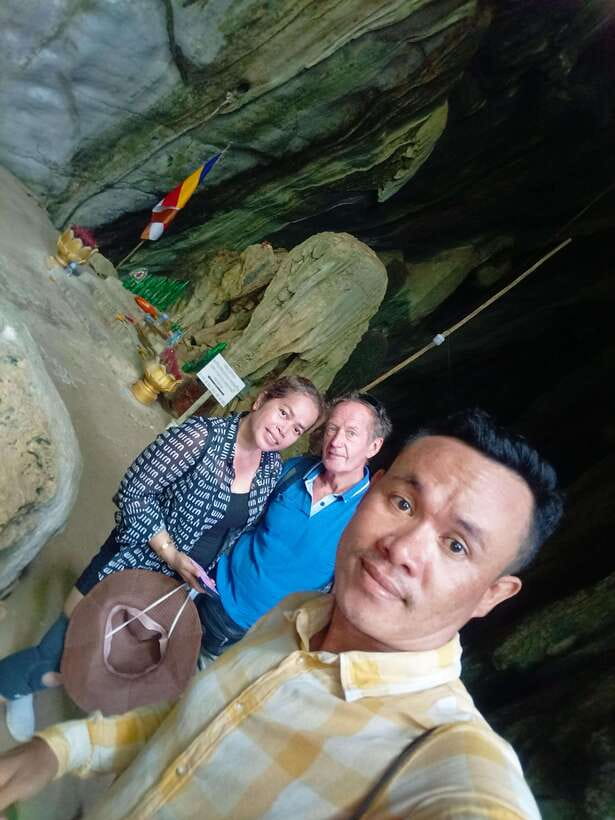
- Phnom Chhngok cave temple with 203 steps and a Shiva brick temple inside
- Salt-production factory visit and a clear look at how the process works
- Brateak Krola Lake visit with context about how it was built during the Khmer Rouge era
- Kep crab market + beach time, with swimming or relaxing before heading back
From Kampot Pickup to a Long Countryside Circuit
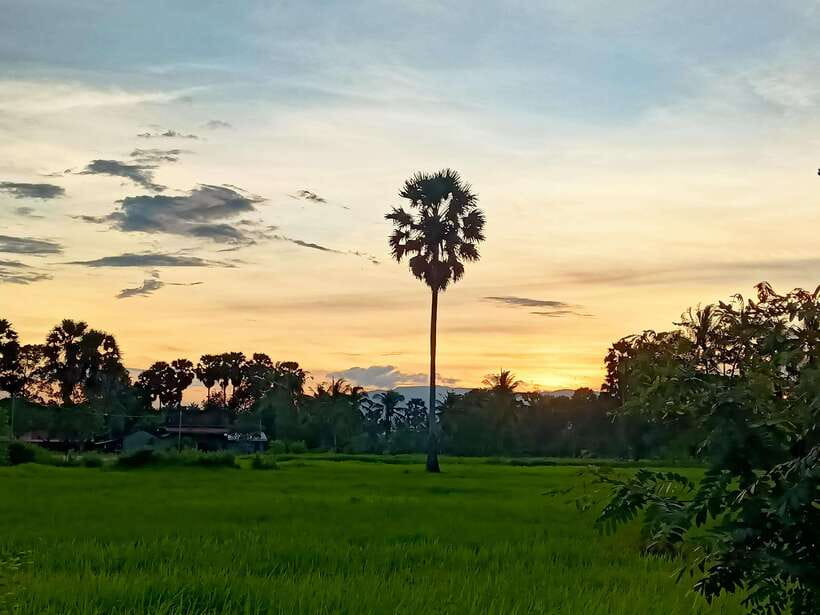
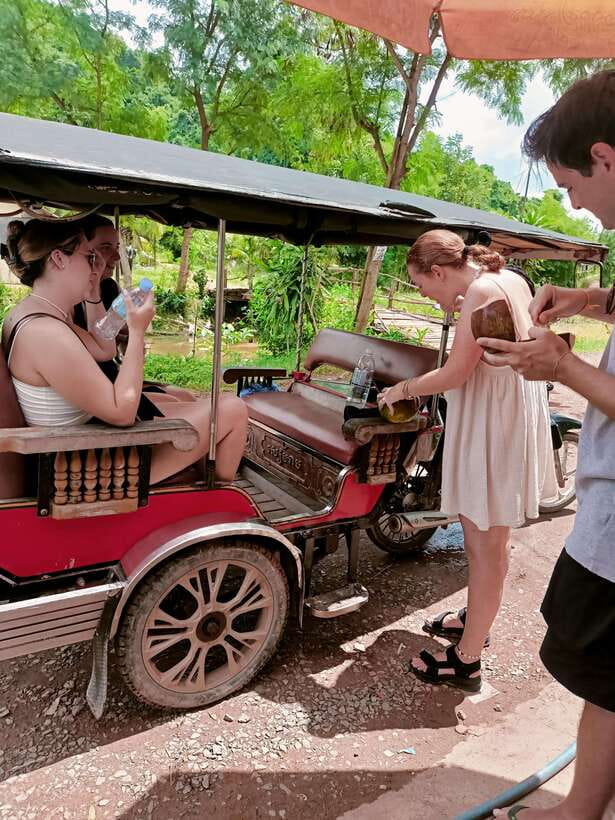
This is a full-day ride out of Krong Kampot, then back again, with a string of short tuk tuk legs that keep the day moving. You’ll usually meet near Epic Art Cafe (opposite it), but the operator can also pick you up or drop you off directly at your hotel or restaurant—just note the pickup distance limit (no farther than 3 km from the meeting point).
The day is built for people who want variety without doing the navigation headache themselves. You get a guide, you get the transport, and you get enough stops to feel like you actually learned something about how Kampot Province works—not just saw it from a distance.
Because it’s a private group and the price is listed per group (up to 2), it can be good value if you’re a couple or a small travel party that wants to move together at a comfortable pace.
You can also read our reviews of more tours and experiences in Kampot Province.
Salt-Production Factory Visit: What You’ll Learn in the Real Process
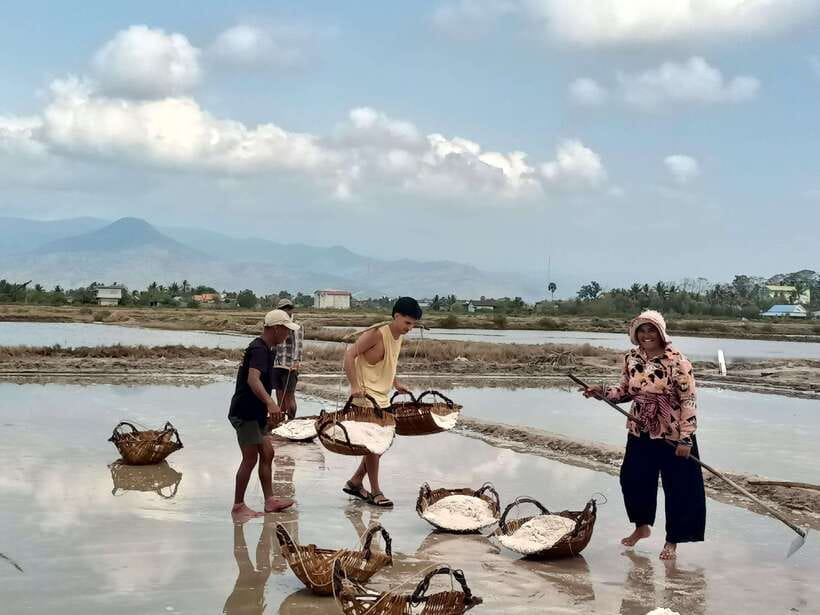
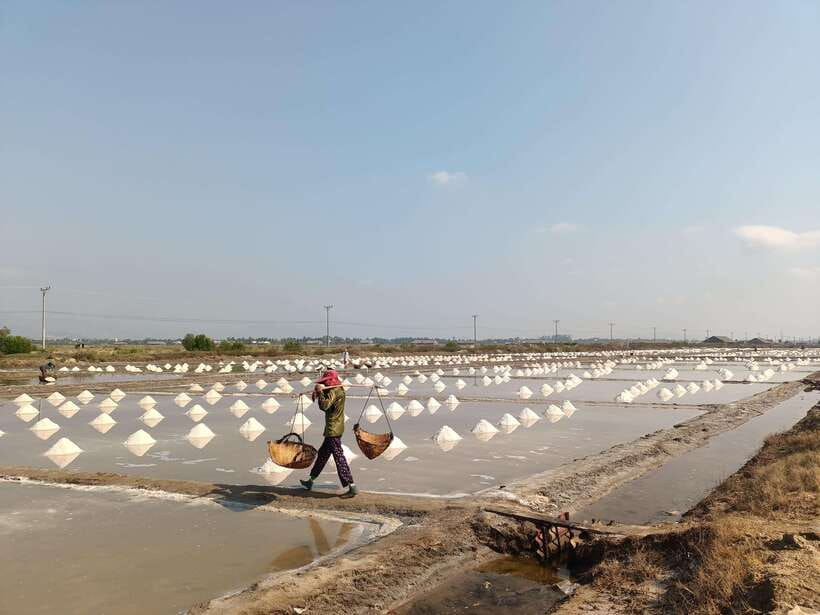
The first major countryside stop is a salt-producing facility on the outskirts of Kampot. This isn’t just a photo stop. You’ll get a guided visit that explains why salt production matters here and walks you through the steps of how salt is produced.
Why I think this works: salt is one of those things people recognize, but they rarely see the full workflow. On this tour you’re not guessing—you’re shown the logic of the process, and you get context for the economic importance to the area.
What to expect during the visit is mostly time on-site with a guide talking you through the production. It’s also a good start to the day because it breaks up the heat and travel stress early, before you move into more active walking later.
Phnom Chhngok Cave Temple and Its 203 Steps to Shiva
Next comes the big climb: Phnom Chhngok cave temple, with 203 steps to reach the entrance. The effort is real, but so are the payoff views. From the cave entrance you’ll get wonderful views, and inside the main chamber there’s a remarkable brick temple linked to the Funan-era, dedicated to Shiva.
The cave temple is also one of those places where your guide’s job matters. You’re not just walking into a hole and hoping for cool photos. You’ll learn what you’re looking at—especially the temple inside the cave—so the stop feels meaningful instead of random.
Practical tip: go at your own pace on the steps. The tour is paced by a guide, not by a stopwatch, and the cave is outdoors for parts of the route, so plan for sun and sweat. If you’re someone who hates uphill effort, this is the moment to decide whether you’ll power through or take it slower.
Brateak Krola Lake: A Man-Made Lake With Khmer Rouge-Era Context
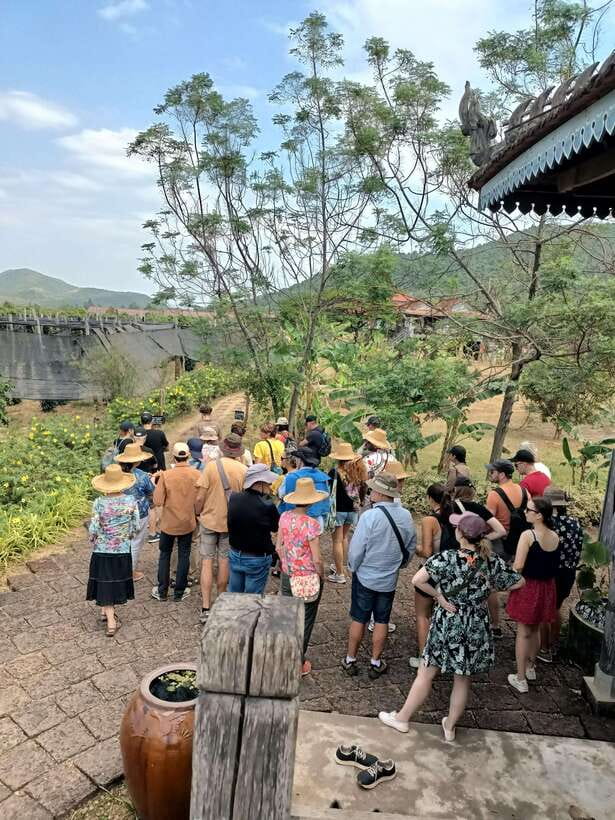
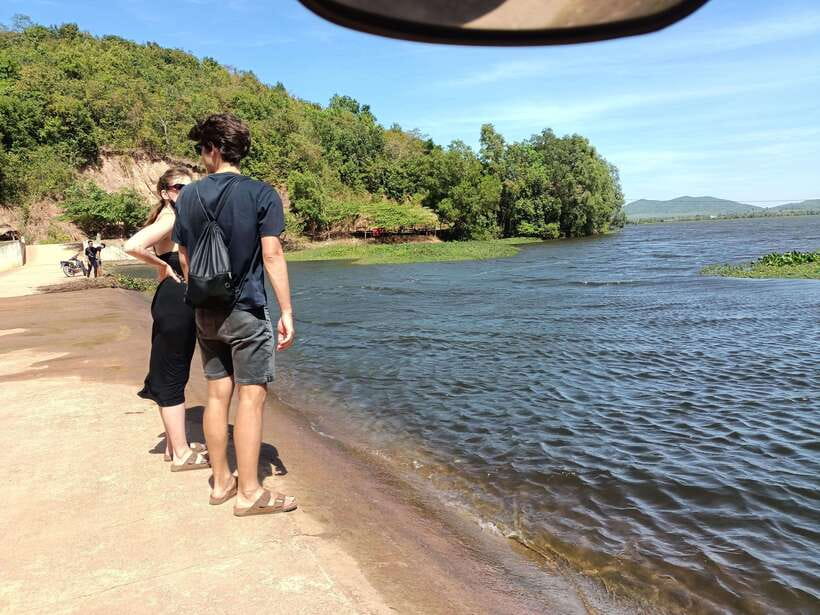
After the cave, you’ll visit Brateak Krola Lake. This is a man-made lake, constructed during the time of the Khmer Rouge. The tour information also notes slave labor in relation to how it was built, so it’s a visit that calls for a bit of respect and a thoughtful mindset.
This stop is valuable because it adds context to the Cambodian countryside that you won’t get from beaches alone. You’re seeing how infrastructure and suffering can be tied together in one place—and learning about that reality as part of the day’s guided route.
In terms of what you’ll do here, expect a calm visit compared with the cave climb. It’s less about exertion and more about understanding the place and what it represents. If you prefer a day that’s mostly uplifting and light, you may still appreciate it, but you should know it carries heavier historical weight than the pepper fields and crab market.
Pepper Plantation Tour and Peppercorn Testing You Can Actually Taste
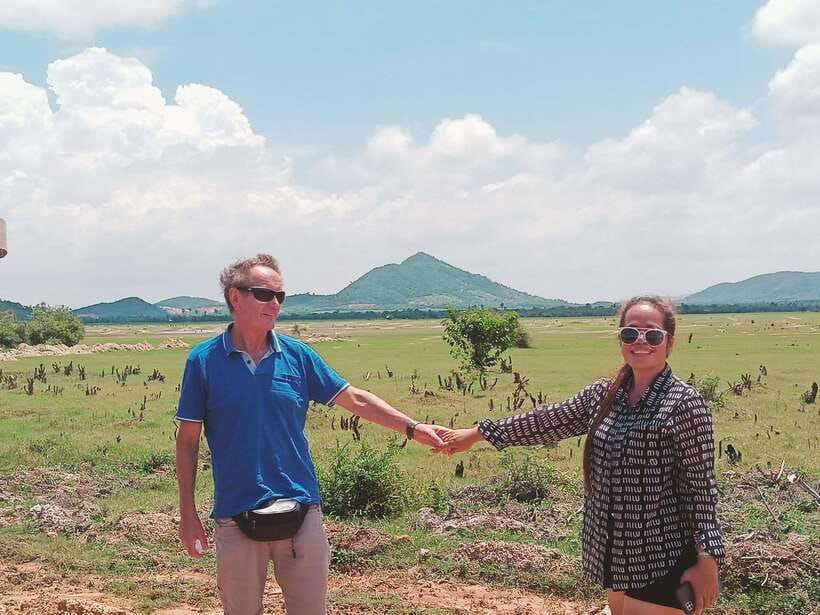
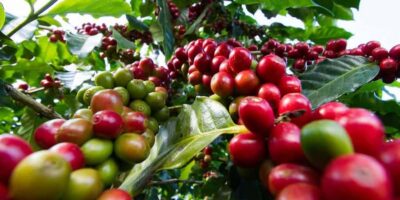
Then comes one of the most fun parts: a guided tour of a large pepper plantation, followed by peppercorn testing. This is where the tour earns its keep if you like food and local products.
During the pepper visit, you’ll learn about the pepper production process and then do on-site tastings of the pepper produced there. If you’ve ever wondered how pepper changes from plant to grain to flavor, this is the kind of stop that turns curiosity into something you can literally taste.
One reason I think people enjoy this segment is time. In a private setup, the guide can slow down and explain, and that shows in the experience. For example, one guide named Phalla was noted for being patient and taking plenty of time during the pepper farm portion, including spending around 2 hours there while explaining things carefully with a translator when needed.
So yes, there’s a learning component, but it’s also tactile and sensory. You’re not only hearing about pepper—you’re trying it.
Kep Crab Market: Seafood Sampling, Lunch Choices, and Swim Break
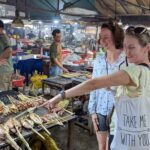
Finally, the tour heads to Kep for the crab market area. You’ll have the chance to test seafood or have lunch here—just keep in mind food isn’t included, so you’ll pay as you go.
This stop also comes with free time built into the flow. In the past, the guide approach has included leaving you time to walk around and take in the atmosphere at your own pace, including time for a sunset-style stroll by the water.
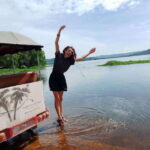
And then comes the best part if weather is kind: you can swim or relax on the beach before heading back to Kampot. Even though the tour is structured, this is where it turns into a “day off” moment—especially if you’ve spent the earlier hours on stairs, factories, and plantation pathways.
Practical note: bring your own sun protection and a way to handle water time. Sunglasses and sunscreen aren’t included, so if you tend to burn, don’t wing it.
Private Group, English Guide, and Why Translation Matters
This tour runs as a private group with a live English guide. That matters a lot on a day full of explanation: salt production steps, cave temple meaning, plantation process, and why a lake’s construction story is part of Cambodia’s modern history.
One detail I like: guides have been described as patient even when English isn’t perfect on either side, using a translator to keep explanations clear. That’s a huge deal because you’ll remember the day based on what you understand, not just what you took pictures of.
Pacing is also handled in a way that keeps you from feeling rushed. The schedule includes multiple tuk tuk legs—short bursts followed by longer travel between stops—so your day feels like a route rather than a series of sprint stops. That’s especially important on a full 8-hour outing.
Price and Value: What $50 Per Group Up to Two Buys You
At $50 per group up to 2 for an 8-hour private day, this can represent strong value if you compare it to piecing together separate activities and transport.
Here’s what you’re getting that would normally cost extra:
- Guided tour service across multiple countryside stops
- Pepper tour and testing (not just a drive-by)
- Entrance fees
- Bottle of water plus a fresh coconut
Food is the main thing you’ll fund yourself. And you may spend a bit on beach and swim-related items if you forgot them. But overall, for a day that includes salt, cave temple entry, plantation learning, and Kep crab market time, you’re not paying for just one attraction.
If you’re traveling solo, the per-group structure may mean you’re paying for space you could otherwise share. But if you’re a couple or two friends who like guided context, private value tends to improve fast.
Who This Tour Suits Best (and Who Might Want a Different Plan)
This tour makes the most sense for people who:
- want a guided look at how Kampot Province works, not just sightseeing
- like food-related stops such as pepper tasting
- can handle a moderate walking day, including the 203 steps at Phnom Chhngok
- appreciate history context, including the Khmer Rouge-era background tied to Brateak Krola Lake
It may not suit people with certain health or physical limitations. The activity is listed as not suitable for people over 80, for people with high blood pressure, for pregnant women, and for children under 2. There’s also a weight limit listed at over 200 lbs (91 kg). If any of that applies to you, it’s worth asking your operator what the plan would look like on the day—especially for the steps.
Also, it’s not a good pick if you need baby strollers or baby carriages. And alcohol and drugs aren’t allowed.
Should You Book Kampot Countryside and Kep Crab Market?
I’d book this tour if you want a balanced day: one part working countryside (salt and pepper), one part cultural sightseeing (Phnom Chhngok cave temple), and one part relaxation and food time (Kep crab market plus beach). It’s the kind of itinerary that gives you more than a checklist of places, because the guide’s explanations connect the dots.
If you hate stairs or you’re trying to keep spending very low, you may need to adjust expectations. Food isn’t included, and the cave climb is real. But if you show up with good shoes, sun protection, and cash for meals, this feels like a practical way to experience Kampot Province in a single day with a guide.
FAQ
How much does the Kampot Countryside tour cost?
The price is listed as $50 per group, up to 2 people.
How long is the tour?
The duration is 8 hours. Starting times can vary, so you’ll need to check availability.
Is food included?
No. Food is not included. You’ll have options for lunch or seafood tasting at the crab market, but you’ll pay for it yourself.
What’s included in the pepper farm part of the tour?
The pepper plantation portion includes a guided pepper tour and peppercorn testing.
Where do I get picked up?
Pickup is normally at the meeting point opposite Epic Art Cafe in Krong Kampot. Pickup and drop-off at your hotel or restaurant can be arranged if it’s within 3 km of the meeting point.
What should I bring, and is it suitable for young children or older adults?
Bring cash. Sunglasses and sunscreen are not included. The tour is not suitable for children under 2, pregnant women, people with high blood pressure, people over 80, or people over 200 lbs (91 kg).