REVIEW · UDAIPUR
Farm to Table: With a local farmer family
Book on GetYourGuide →Operated by Strode Experiences · Bookable on GetYourGuide
A farm day turns into dinner fast. This 2-hour experience on the outskirts of Udaipur pairs a short country walk with a hands-on cooking lesson, then drops you into a proper Rajasthani meal with chaas. You’re not just eating food here. You’re learning how it gets to your plate.
I especially like the way you walk through working fields—mustard greens, chickpeas, and the kind of farm routine most city visits never see. I also love that you get involved with the food, from learning spice basics to helping shape dishes like Dal Bati and Gatte Ka Saag.
One thing to consider: you’ll be outside in a rural setting, and the kitchen setup may be simple—think mud-clay stove, open-air cooking—so this isn’t a polished restaurant-style show.
In This Review
- Key Points to Know Before You Go
- Farm Life on the Edge of Udaipur: What This 2-Hour Table Visit Really Feels Like
- Getting There and Finding the Meeting Point Without Headaches
- Arrival: Warm Welcome, Country Smells, and a Quick Sense of Place
- Short Walk to Temples and Devras: Local Meaning Before the Meal
- Field Time With Local Farmers: Mustard Greens and Chickpea Flour in Context
- Spice Lesson in the Open-Air Kitchen: Learning What Makes Rajasthani Food Work
- Watching vs Doing: How Hands-On Cooking Actually Helps You Enjoy the Meal
- Eating Under a Neem Tree: The Group Feast That Ties It All Together
- Buttermilk Reset: Why Chaās Is More Than a Side Drink
- Culture Extras: Artisans, Musicians, and the Lived-In Side of Rajasthan
- Price and Logistics: Is $21 Good Value for What You Get?
- What Might Surprise You (and How to Prepare)
- Who This Farm-to-Table Experience Fits Best
- Should You Book? My Straight Answer
- FAQ
- Where is this experience located?
- How long does the farm-to-table experience last?
- What is the price per person?
- What’s included in the ticket?
- Is conveyance included?
- What languages will the host or greeter use?
- What should I expect to do during the activity?
- What’s the traditional drink mentioned in the experience?
Key Points to Know Before You Go
- Temple + devra walk: you start with a short guided stroll that adds local meaning to the scenery
- Field-to-ingredients learning: you see how crops like mustard greens and chickpeas connect to the dishes
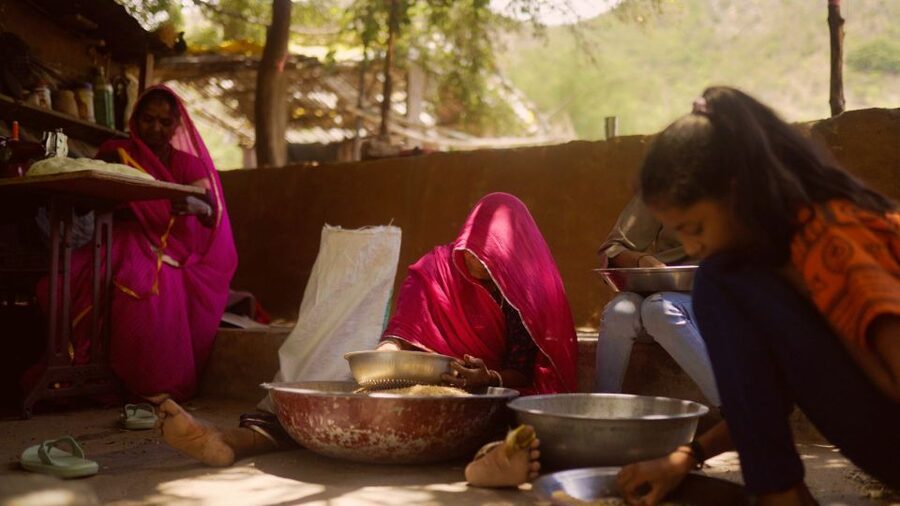
- Hands-on cooking: you make parts of the meal, not just watch
- Wood-fired clay-oven style: batis are described as baked in a wood-fired clay oven
- Cultural add-ons: local artisans and musicians can be part of the group time
- Fresh buttermilk reset: chaas helps cool things down between spicy courses
Farm Life on the Edge of Udaipur: What This 2-Hour Table Visit Really Feels Like
This is farm-to-table in the practical sense. You arrive in a rural village setting, meet the farmer family, and quickly shift from “touring” to “making sense of how food happens.” The whole experience is designed to move at a human pace: short walking segments, clear food stations, and a shared meal at the end.
At $21 per person for about 2 hours, the value comes from participation. You’re not paying just for a plate. You’re paying for access: farming stories, spice learning, cooking instruction, and a sit-down Rajasthani lunch or dinner-style feast.
It also helps that the group format is built for conversation. You’re in and around the same space—fields, kitchen, then eating—so questions come naturally. If you like food that has a backstory and you enjoy talking to people while you eat, you’ll get your money’s worth quickly.
Getting There and Finding the Meeting Point Without Headaches
The meeting point is where your host will be waiting for you. The big practical note: the experience is on the outskirts of Udaipur, and conveyance is not included.
So here’s the smart approach: if you don’t already have a car/driver, plan to arrange one separately or ask for help coordinating a vehicle. The info says they can help arrange transport if needed, but charges are handled separately.
Time-wise, this is short. That’s good, because you won’t waste half a day on logistics. But it also means you should aim to arrive on time so you don’t feel rushed during the field walk and cooking stages.
Language support is English and Hindi, which matters. You’ll be able to follow the cooking lesson and ask questions without feeling stuck.
Arrival: Warm Welcome, Country Smells, and a Quick Sense of Place
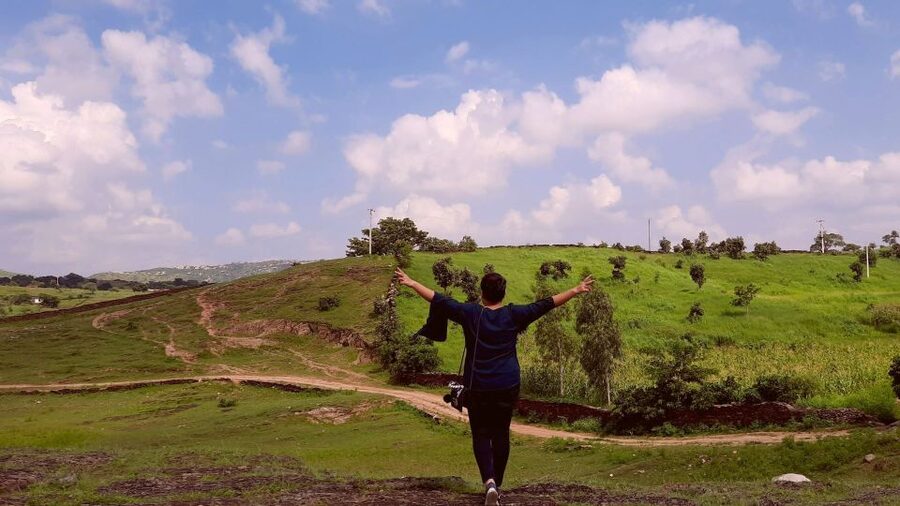
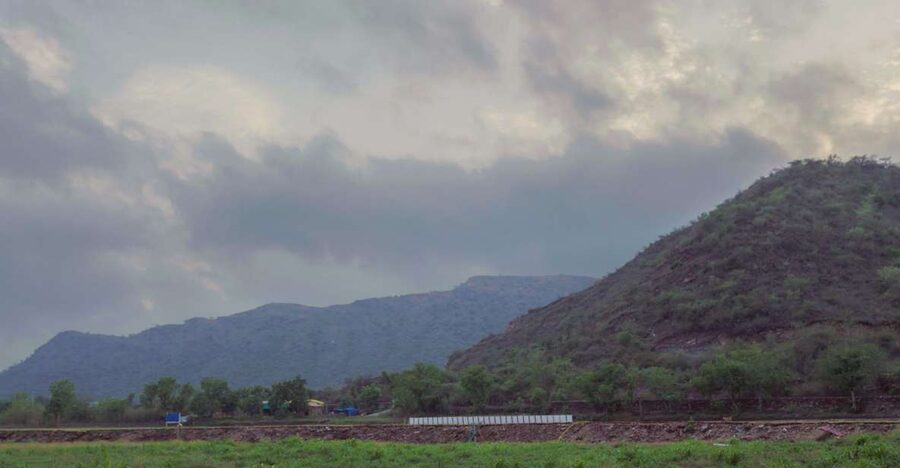
You start in the village environment with a friendly welcome from local villagers. The setting is described as serene countryside—rolling hills, mustard fields, and nearby temple spaces—so the first minutes already feel like a different world from central Udaipur.
What I like about this opening is that it sets expectations. You’re not walking into a staged food set. You’re entering a real working community where food is tied to daily rhythms. Even the air—earthy aromas from outdoors—signals that you’re about to connect farming to cooking, not just taste the finished results.
If you’re sensitive to dust, sun, or getting a little dirty, dress accordingly. You’ll likely be walking on uneven village paths. Comfortable shoes beat the stylish ones here.
Short Walk to Temples and Devras: Local Meaning Before the Meal
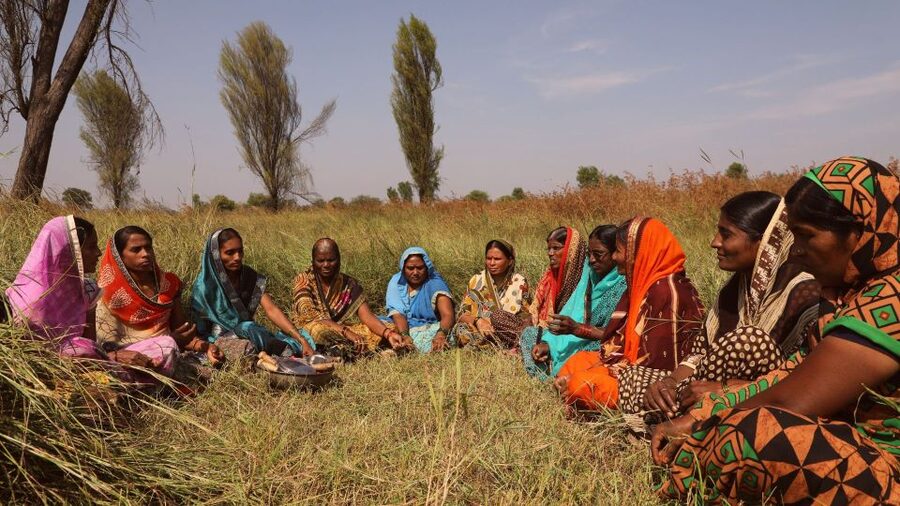
The day includes a short walking tour to local temples and devras (small shrine spaces). This matters more than it sounds. In rural Rajasthan, religious sites aren’t far-off monuments. They’re woven into daily life, and guides often use these stops to explain how people think about land, seasons, and community.
Expect the walk to be paced and guided. It’s not a long hike. It’s a connector: you see the countryside, pause around sacred spots, and then shift toward the fields where crops are grown.
This part is also a good reality check for your camera. The best views are often simple: a temple structure against open sky, fields stretching out, and people moving in the distance. If you go expecting Instagram glamour, you might miss the charm.
Field Time With Local Farmers: Mustard Greens and Chickpea Flour in Context
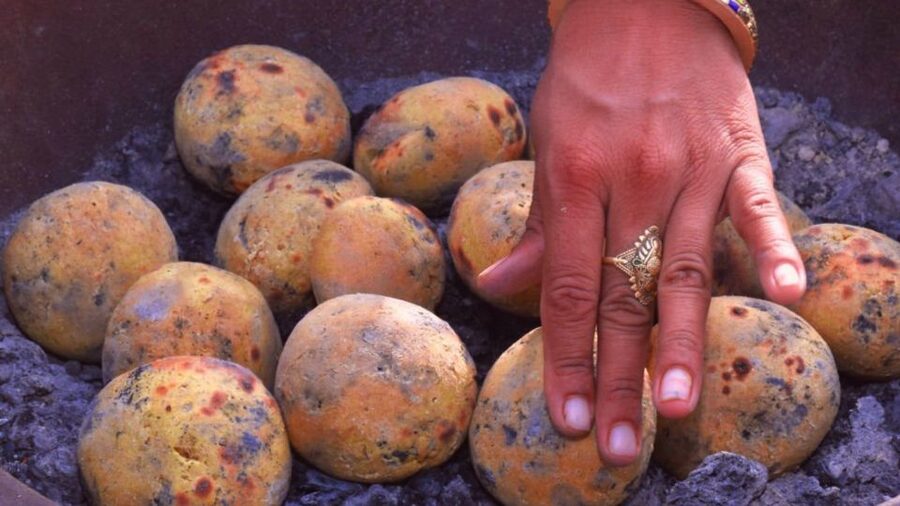
After the opening stroll, you move into the fields where crops like mustard greens and chickpea flour are grown. The farming lesson focuses on traditional farming methods, and that’s where the experience becomes more than “a cooking class with lunch.”
Here’s what you get out of it: you learn how ingredients are tied to what the land can do. Mustard and chickpeas aren’t random menu items here; they are practical staples shaped by climate and soil.
You’ll interact with the local farmers and pluck fresh farm veggies with them. That means you’re not just hearing about ingredients. You’re seeing how fresh produce changes the whole cooking process—texture, aroma, and the way spices behave when they hit fresh vegetables.
Wear clothes you’re okay with getting outdoors. Even if the pace is gentle, farm fields are farm fields: dust, sun, and the occasional patch of uneven ground.
Spice Lesson in the Open-Air Kitchen: Learning What Makes Rajasthani Food Work
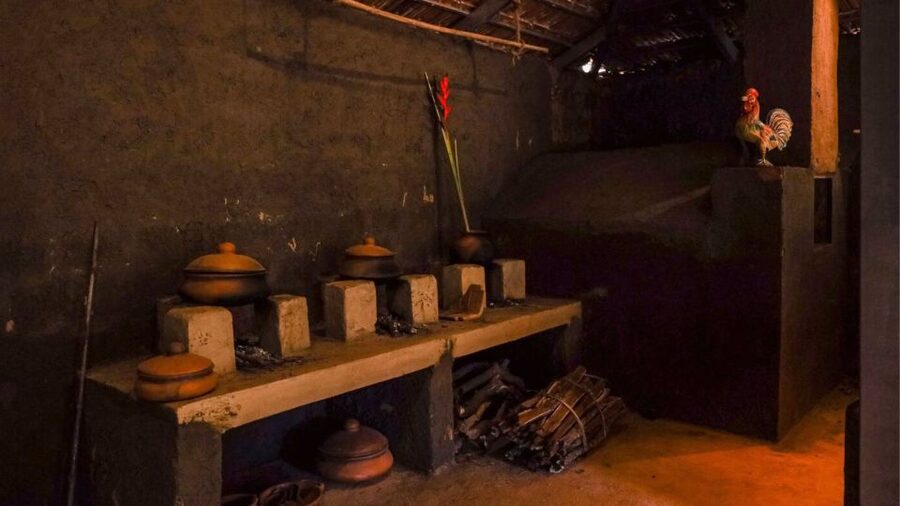
Next comes the open-air kitchen and an informative cooking lesson. This is where you’ll learn about spices and how they’re used in real cooking, not just thrown in at the last second.
The food list is built around recognizable Rajasthani classics, and you’re taught to prepare them step by step:
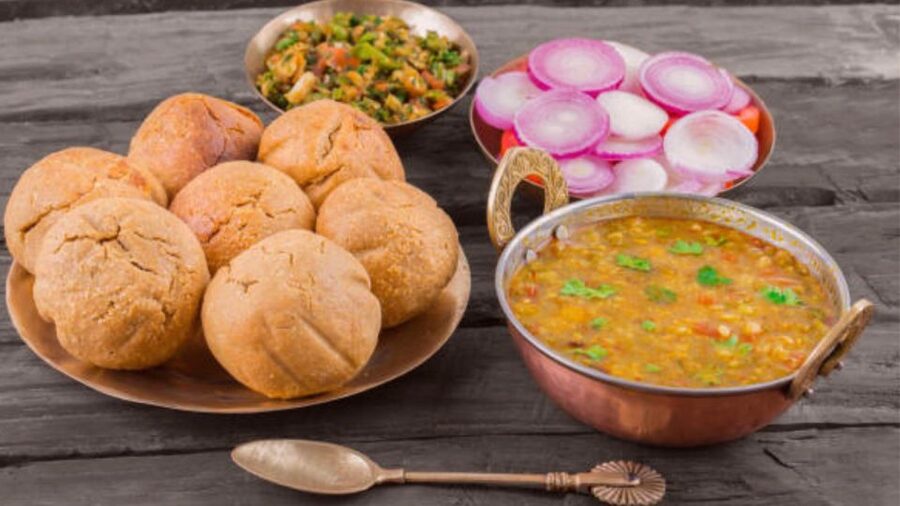
- Dal Bati: you craft dough for batis that are baked in a wood-fired clay oven, then pair them with lentil curry spiced with native masalas
- Churma: a sweet mix of crushed batis, ghee, and local jaggery
- Gatte Ka Saag: chickpea flour dumplings cooked in a rich, spicy curry
The way these dishes are described tells you the structure of the meal. There’s a base of wheat (batis), a savory lentil and curry system (dal and gatte preparations), plus a sweet ending (churma).
One more practical note: wood-fired clay ovens and open-air kitchens mean smells are part of the experience. If you love roasted aroma and spice heat, you’re in the right place. If you hate smoke or strong cooking odors, plan for it.
Watching vs Doing: How Hands-On Cooking Actually Helps You Enjoy the Meal
You’re given interaction time, not just spectator seating. That participation is what makes the final feast taste better, even if you’re not a “serious foodie.”
When you help make dough, crush components, or understand spice blends, you start noticing things that you’d normally ignore. You’ll likely pay attention to dough texture, heat level, and the way curry thickness changes with each ingredient.
This matters because at the end you’re not just eating a menu. You’re eating a result you helped shape. It’s an easy way to understand why Rajasthani dishes feel hearty and comforting even when they’re spicy.
Eating Under a Neem Tree: The Group Feast That Ties It All Together
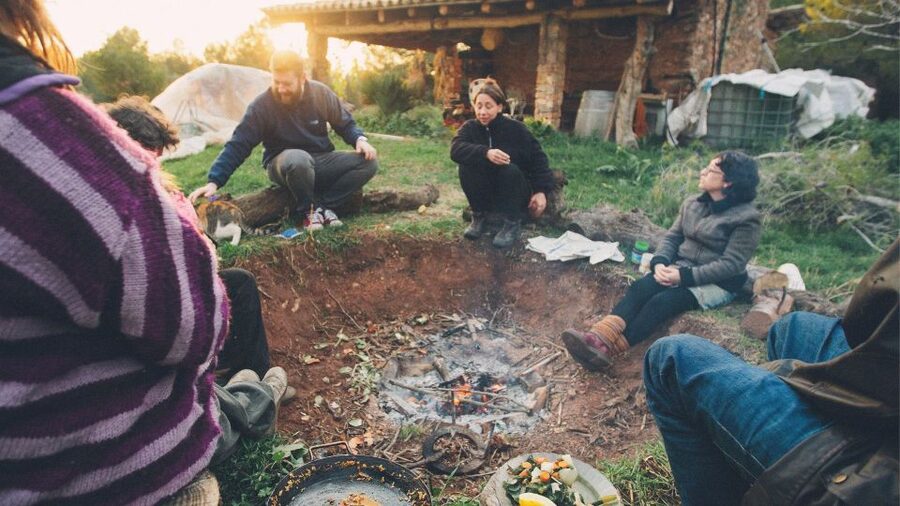
Finally, you eat the meal in a relaxed outdoor setting under a neem tree. The meal is described as a group feast, and it includes:
- Dal Bati Churma
- Sarson Ka Saag (mustard greens)
- Gatte Ka Saag
- Chaas (buttermilk made of yogurt)
This lineup is smart. It moves from savory to greens to dumplings, then finishes with sweetness. The chaas is especially useful. In spicy food, it’s not just a drink. It’s a palate reset that helps you keep enjoying each course.
Also, the outdoor setting changes the vibe. Eating outdoors in a village environment feels slower and more connected than eating in a dining room. If you like conversation, this is the part where it happens naturally.
Buttermilk Reset: Why Chaās Is More Than a Side Drink
Chaas shows up as a traditional buttermilk made of yogurt. You get it as a refreshing glass during the cooking process, and it comes with the meal too.
I like chaas because it’s functional. It cools your mouth and helps balance spice heat. It also gives you something to sip while food is cooking, so you aren’t stuck waiting with nothing happening.
If you’re the type who gets overwhelmed by spicy meals, this is a built-in comfort solution. You don’t have to white-knuckle the heat.
Culture Extras: Artisans, Musicians, and the Lived-In Side of Rajasthan
The experience can include local artisans and musicians, adding a lively cultural layer around the meal time. This isn’t the generic “watch a performance” format. It’s described as enriching the experience and immersing you in local vibrancy, tied to the group setting.
One practical takeaway: if music is part of your session, plan for noise in the outdoor space. That’s normal in village gatherings. If you need quiet, you might want to bring a small distraction tool like noise-reducing earplugs.
Price and Logistics: Is $21 Good Value for What You Get?
For $21 per person, this is good value if you want more than eating. You’re paying for:
- a farm walk and short village sightseeing element (temples/devras)
- farmer interaction and fresh veggie plucking
- spice learning and cooking instruction
- a full sit-down meal under a neem tree
- included food
Not included is conveyance, which is the main potential add-on cost. If you already have transport, the price is straightforward. If you need to arrange a vehicle, that changes the total. Still, the schedule is short, so you’re not paying for a full day out of town.
The other “value” angle is that it’s only 2 hours. You get an experience that feels complete without turning into a long outing you have to recover from.
What Might Surprise You (and How to Prepare)
The cooking and kitchen setup may be more rustic than what you might expect from city photos. One key detail: the cooking area can involve a manmade mud-clay fire stove. That’s not a problem, but it is a different vibe than a modern restaurant kitchen.
So go with the mindset of learning and eating in a working home environment. Bring patience for the simple reality of rural cooking spaces. If you want high comfort interiors, this won’t be that.
Also, because you’re outside and around farms, dress for sun and movement. Comfortable shoes, a hat, and water help.
Who This Farm-to-Table Experience Fits Best
You’ll likely enjoy this most if you:
- like cooking lessons where you actually do tasks
- want to connect ingredients to farming, not just sample dishes
- enjoy outdoor village settings and talking with hosts in English or Hindi
- are happy with a short, focused 2-hour rural day
You might skip it if you:
- want a polished, fully indoor experience
- need guaranteed modern kitchen comfort
- dislike spending time outdoors in a countryside setting
If you’re visiting Udaipur and want one break from lakes and monuments, this gives you a different kind of Rajasthan—through food and the people growing it.
Should You Book? My Straight Answer
If you care about where food comes from and you enjoy hands-on learning, I’d book it. The combination of farm walk + cooking instruction + a shared Rajasthani feast for $21 is the main reason. You get more story per minute than most food experiences.
If you’re mainly chasing a comfortable, showroom-style outing, you may feel a mismatch. This is rustic and real. The best part is that it doesn’t pretend to be anything else.
FAQ
Where is this experience located?
It takes place in Rajasthan, India, on the outskirts of Udaipur.
How long does the farm-to-table experience last?
The duration is 2 hours.
What is the price per person?
The price is $21 per person.
What’s included in the ticket?
Food is included.
Is conveyance included?
No. Conveyance is not included, but help arranging a vehicle may be available, with charges handled separately.
What languages will the host or greeter use?
The host or greeter is available in English and Hindi.
What should I expect to do during the activity?
You’ll do a short walking tour to local temples and devras, interact with farmers and pluck fresh veggies, learn about spices, and prepare Rajasthani dishes like Dal Bati and Gatte Ka Saag.
What’s the traditional drink mentioned in the experience?
A traditional buttermilk drink made of yogurt, called chaas.