REVIEW · MANGAPWANI
Joazani forest & Spice farm with lunch
Book on GetYourGuide →Operated by TripTrek · Bookable on GetYourGuide
Zanzibar hides real forest magic. This tour pairs a walk through Joazani Forest with time to spot the red colobus monkeys, found only on Zanzibar’s islands, then follows it with a spice farm where you taste and smell spices you usually only see in jars.
I love that you’re not just looking at animals—you’re walking a real, living forest where you’ll also learn about flora and fauna. I also like that the spice farm part is hands-on, not a lecture, so you get to connect smells like turmeric and cinnamon to how they grow.
One thing to think about: it’s not suitable for people with animal allergies, since you’ll be in a natural wildlife area.
In This Review
- Key Points at a Glance
- How This Tour Feels: Forest Walk, Then Smell-First Learning
- Morning Pickup and the Drive Into Joazani Forest
- Walking Zanzibar’s Biggest Forest (and What You’ll Learn)
- Red Colobus Monkey Time: Your Best Shot at a Zanzibar-Only Species
- Spice Farm Walk: Smell and Taste How Zanzibar Spices Actually Work
- Spiced Rice Lunch With Fruits: Where the Day Turns a Corner
- Spice Shopping at the Farm: What to Buy and How to Think
- Price and Value: Is $99 Per Person Fair?
- Guide + Language Options: How You’ll Experience the Day
- What to Bring: Simple Gear That Helps a Lot
- Who Should Book This Tour (and Who Might Skip It)
- Should You Book Joazani Forest and Spice Farm With Lunch?
- FAQ
- Where is this tour located?
- What time is hotel pickup?
- How much does the tour cost?
- What is included in the price?
- What do you do at Joazani Forest?
- What spices can you taste and smell at the spice farm?
- What is lunch like?
- What should I bring?
- What languages are available for the guide?
- Can I pay later, and what’s the cancellation policy?
Key Points at a Glance

- Biggest forest on Zanzibar: built for an easy walking pace and close-to-nature viewing.
- Red colobus monkeys: your best chance to see a Zanzibar-only species.
- Spice farm walk: taste and smell spices such as turmeric, cardamom, cinnamon, black peppers, cloves, and nutmegs.
- Spiced rice lunch + fruits: included meal after the walking.
- Time with a guide: learn about the forest’s plants and animals and how Zanzibar spices are used.
- Small-group friendly feel: one small group of four appreciated having time to linger.
How This Tour Feels: Forest Walk, Then Smell-First Learning
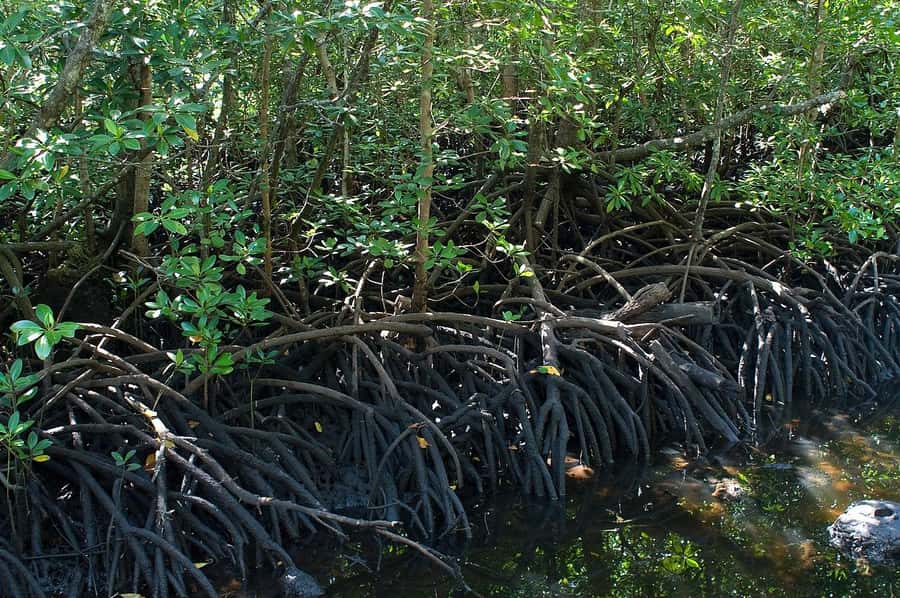
This is a two-world day: first, you get the green hush of Zanzibar’s forest in the Joazani area. Then you switch gears to a spice farm where the focus shifts from sight to scent and flavor.
I like this combo because it’s a full sensory day. The forest teaches you how an ecosystem works, and the spice farm turns that knowledge into something you can actually remember when you cook later.
You also get a simple rhythm. You’re picked up, you drive to the main stops, and the day is organized around the two experiences—forest and spices—without feeling rushed.
You can also read our reviews of more tours and experiences in Mangapwani.

Morning Pickup and the Drive Into Joazani Forest
You start early, with hotel pickup at 8:00. That early timing matters on Zanzibar. You’ll beat some of the worst heat, and you’ll have more comfortable walking conditions once you’re in the forest area.
The drive is included, along with transportation back to your hotel. That’s a real value point because you’re not left figuring out how to get between forest and spice farm on your own.
Once you arrive, the day shifts into walking mode: you’ll explore the biggest forest on the Zanzibar island, and your guide helps you connect what you’re seeing to the local plant and animal world.
Walking Zanzibar’s Biggest Forest (and What You’ll Learn)

Joazani Forest is the anchor of the tour. Expect a walk that feels like you’re inside Zanzibar nature rather than just passing through a quick viewpoint.
You’ll also explore history connected to the forest—specifically flora and fauna (plants and animals). Even if you’re not a science person, it’s useful. When you understand why certain trees and small creatures live where they do, the whole experience becomes more than a walk for photos.
And yes, the guide keeps it practical. If you’re the type who likes knowing what to look for, you’ll appreciate that the walk isn’t just movement. It’s meaning, built around what grows there and what lives around it.
Red Colobus Monkey Time: Your Best Shot at a Zanzibar-Only Species

Here’s the headline reason people choose this tour: time with the red colobus monkey, a species found only in Zanzibar’s islands.
You’ll have fun time in the forest, and the goal is simple: spot monkeys in their natural space. The main trick is patience and quiet. Even when you’re excited, keep your voice low and your movements gentle. That helps you see more and it helps the animals keep doing their monkey business.
Small details can change the feel of this portion. One small group of four liked having enough time to take it slowly. In a larger crowd, you might feel like you’re always waiting for everyone else. If you like having room to linger, this is a point in favor.
Also, watch your footing. Forest walks can be a mix of roots and uneven ground, so wear comfortable shoes and stay present. The best sightings happen when you’re not rushing.
Spice Farm Walk: Smell and Taste How Zanzibar Spices Actually Work

After Joazani, you drive to the spice farm. This part feels different in the best way. You still walk, but now you’re looking at plants you can connect to flavors.
The spice farm experience includes a rainforest-nature setting with tropical plants, trees, and spices. That matters because spices aren’t just dried products. Seeing the plant growing gives you context for how it tastes and how it’s used.
Expect the guide to help you experience spices through your senses. The tour highlights tastings and smells from spices grown in Zanzibar, including:
- Turmeric
- Cardamom
- Cinnamon
- Black pepper
- Cloves
- Nutmegs
And more along those lines.
I like that this isn’t just a list. When you smell something like cardamom right where it grows, it sticks in your memory. You also get a better sense of what you’re buying later—less guesswork, more confidence.
Spiced Rice Lunch With Fruits: Where the Day Turns a Corner

At the end of the spice farm portion, you’ll have lunch. The meal is spiced rice served with fruits, and it’s included in the price.
This is a good placement for lunch because you’ll be coming off walking time. You’ll likely feel hungry, but you won’t be sitting down too early when you’re still energized and overstimulated.
Two small practical tips help make lunch feel smooth. First, drink the provided water during the day. Second, try to eat at a steady pace. You’ll want your energy back for the final part of the day—shopping and browsing.
Spice Shopping at the Farm: What to Buy and How to Think
You’ll also have time for spice shopping at the spice farm. That can be fun if you go in with a simple plan.
Don’t just buy what smells strongest. If you cook at home, think about what you actually use. Turmeric is great for everyday dishes, cinnamon fits baking and warm drinks, and cloves and nutmeg are strong flavors—small amounts go a long way.
If you’re unsure, ask your guide what spices pair well together. The guide’s role isn’t only educational during the walk. You can use that knowledge at the end when you’re deciding what to take home.
It’s also smart to remember that spice freshness can matter. Even without getting too technical, you’ll usually get better results using spices soon after purchase. If you plan to bring your purchases home, choose what you’ll use first.
Price and Value: Is $99 Per Person Fair?
At $99 per person, this tour isn’t the cheapest option. But it’s also not built like a bare-bones transfer. The price includes transport from your hotel and back, a guide, entrance fees, lunch, and water.
That bundle is where the value shows up. You’re paying for logistics (two locations), a guided experience (forest + spice farm), and the included meal. If you were to do this on your own, you’d still need transport, you’d still pay entrance fees, and you’d probably spend time negotiating guides or tickets.
So I’d call it good value if you want a guided day that handles the tricky parts for you. If you already have a driver and a plan to visit both places separately, you might compare costs. But for most people, this price is a practical shortcut to a smoother day.
Guide + Language Options: How You’ll Experience the Day

The tour includes a guide, and the languages listed are English and French. That’s important because it affects how much you’ll get out of both the forest and spice farm explanations.
A good guide turns a walk into understanding. In this case, you get that through learning about flora and fauna in the forest and learning how spices are grown and used in Zanzibar.
If you’re traveling with mixed language needs, it’s still reassuring that the tour supports more than one language. You’ll have less time lost to confusion and more time focused on what’s in front of you.
What to Bring: Simple Gear That Helps a Lot
This is one of those tours where small prep makes the day better. You’re asked to bring:
- Sunglasses
- Sun hat
That’s solid advice for Zanzibar. Even with a forest element, the day includes walking and open-air time. Shade helps, but you’ll still be exposed.
I’d also wear comfortable walking shoes. The tour includes walking in both the forest area and on the spice farm grounds, so your feet will thank you.
Bring water habits too. Since water is included, you don’t need to carry much, but you should still drink regularly during the morning and after the forest portion.
Who Should Book This Tour (and Who Might Skip It)
This tour fits best if you want a balanced day with two clear themes:
- Wildlife in Zanzibar’s forest (red colobus monkey time)
- Spices you can smell and taste, plus an included lunch
It’s also a good fit for people who like guided explanations. You’ll learn about forest plant and animal life, not just take a quick walk and leave.
Skip it if you have animal allergies, since it’s not suitable. Also, if you hate walking in sunny conditions, reconsider. The day includes walking in a forest environment and then on a spice farm after a drive.
Should You Book Joazani Forest and Spice Farm With Lunch?
If your Zanzibar trip has room for one classic day trip with a real sense of place, I think this is worth booking. You get the star wildlife opportunity—the red colobus—plus a spice farm that’s practical and sensory, ending with spiced rice lunch and fruit.
Book it if you value an organized day that handles transport, guide, and entrance fees. The included meal and water also make the day feel complete, not like you’re searching for food halfway through.
Don’t book it if you have animal allergies. If that applies, you’ll want a different nature experience with a lower wildlife exposure risk.
FAQ
Where is this tour located?
The tour is in the Unguja South Region of Tanzania (Zanzibar).
What time is hotel pickup?
Pickup is at 8:00 from your hotel.
How much does the tour cost?
The price is $99 per person.
What is included in the price?
Included are transport from your hotel and back, a guide, entrance fees, lunch, and water.
What do you do at Joazani Forest?
You walk around the biggest forest on Zanzibar, enjoy time with the red colobus monkey, and learn about history tied to the forest’s flora and fauna.
What spices can you taste and smell at the spice farm?
You’ll experience spices grown in Zanzibar such as turmeric, cardamom, cinnamon, black pepper, cloves, nutmegs, and more.
What is lunch like?
Lunch includes spiced rice with fruits.
What should I bring?
Bring sunglasses and a sun hat.
What languages are available for the guide?
The tour is offered in English and French.
Can I pay later, and what’s the cancellation policy?
You can reserve and pay later, meaning you can book your spot and pay nothing today. You can cancel up to 24 hours in advance for a full refund.