REVIEW · KALAMATA
Kalamata: Farm-to-Table Experience with Cooking
Book on GetYourGuide →Operated by MamaGaia · Bookable on GetYourGuide
A farm morning in Messinia turns dinner into a hands-on story. At MamaGaia, you pick ingredients, learn cheese basics, and cook a full set of traditional dishes in a working rural setting, not a demo kitchen. You’ll get the farm views—olive trees everywhere—and the calm that comes from doing things at a slower pace.
I especially like two parts: Sfela and Anthotyro cheesemaking, taught step by step, and the way the cooking session uses what you harvested (tomatoes, peppers, herbs, eggs) instead of bringing everything prepped. The result is a meal that feels like it belongs to the land, not just to a menu.
One consideration: you’ll walk on uneven farm ground and you’ll be around farm animals, so this isn’t a match for wheelchair users, people with back problems, or anyone with animal allergies.
In This Review
- Key things to know before you go
- Why MamaGaia’s farm-to-table day feels so real
- Your morning starts with Nicole and Porta-style hospitality
- Harvesting in the garden: what you pick shapes the whole menu
- Getting your hands on cheese: Sfela and Anthotyro basics
- Cooking the meal: Kagianas, grilled patties, tzatziki, and salad
- Why the cultural notes change how you eat
- The farm feast: olive-tree dining with nature noise
- What $141 gets you (and where the value really comes from)
- Timing, group size, and how to prepare
- Who should book this cooking experience
- Should you book MamaGaia for this one-day Greek cooking class?
- FAQ
- How long is the Kalamata farm-to-table cooking experience?
- What’s included in the price?
- What dishes and foods will I learn to make?
- What languages are the hosts/guides?
- What should I bring?
- Is it okay for dietary restrictions or allergies?
Key things to know before you go
- Small group of up to 10: more hands-on time and easier questions for your hosts.
- Pick-your-own ingredients: tomatoes, peppers, herbs, seasonal produce, plus fresh eggs from the coop.
- Cheese workshop focus: you learn the process for Sfela and Anthotyro, not just tasting.
- Cooking real classics: dishes like Kagianas, Greek salad, tzatziki, and grilled beef patties.
- Wood-fired bread: local flour bread baked in a traditional oven to go with the meal.
- English, Greek, Spanish support: your greeter can keep you comfortable through instructions.
Why MamaGaia’s farm-to-table day feels so real
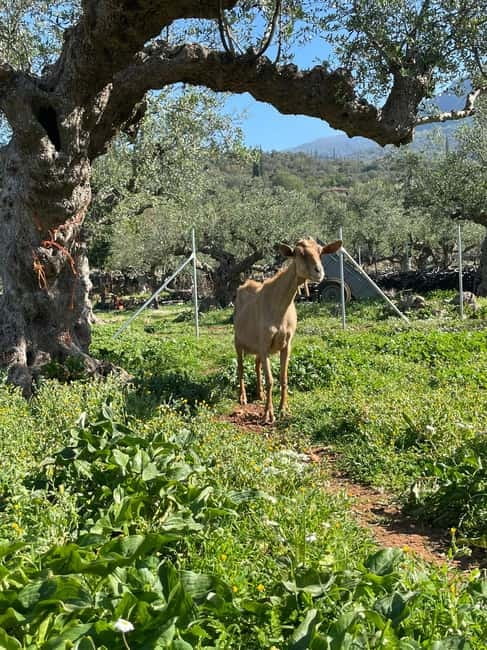
This isn’t a “watch someone cook” activity. The flow is built around doing the work in the right order—meet the animals, harvest the garden, make cheese, then cook with what’s in your hands. That structure matters because it turns ingredients into context.
You’re also in the heart of Messinia, with wide views of rural Greece and olive trees stretched across the countryside. The setting is part of the lesson: you see where food comes from, then you cook it using the same local logic.
And it’s not only about the meal. The hosts explain cooking techniques and the cultural role of dishes, so you leave knowing what to look for when you cook Greek at home.
Your morning starts with Nicole and Porta-style hospitality
A big reason people love this experience is the warm welcome. The hosts—often including Nicole and Porta—set a friendly tone from the first moment, so you’re not stuck feeling like you’re “behind” if you’re new to cooking.
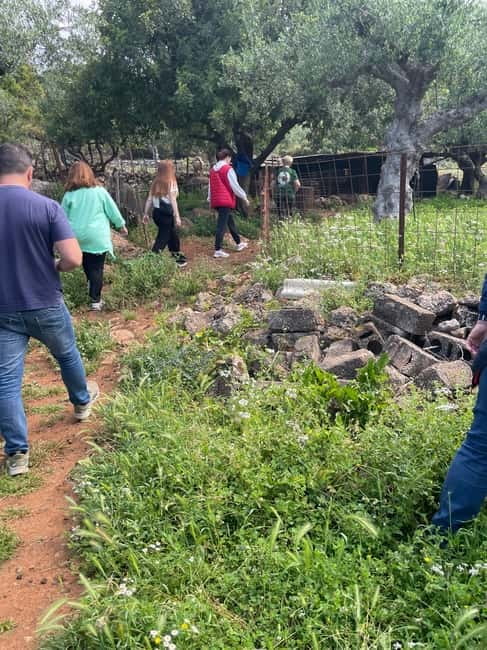
You’ll walk onto the farm and immediately get that rural-country rhythm: herbs and soil in the air, calm shade, and animals that are part of daily life instead of a staged photo spot. Expect a light mix of orientation and practical guidance, not a lecture.
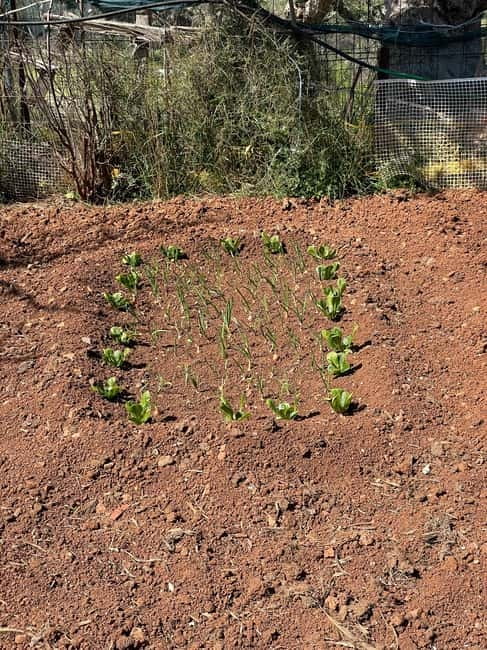
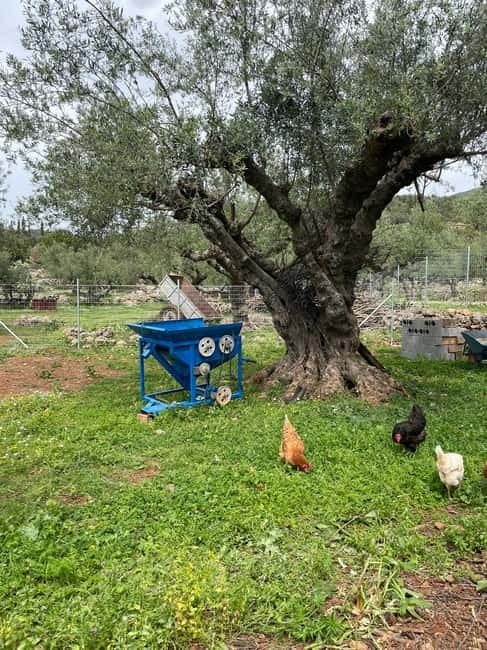
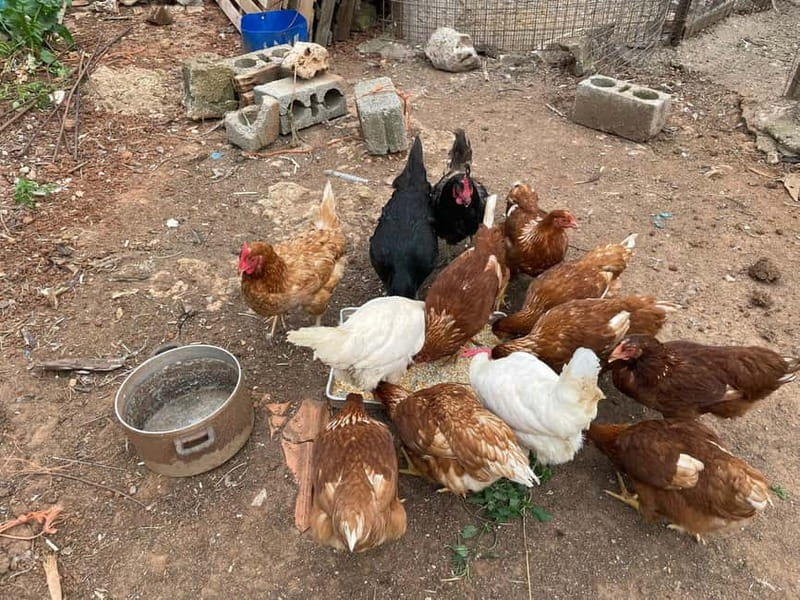
Then the animals become part of the story. Goats provide the milk used for the homemade cheese, free-range chickens lay the eggs you’ll collect, and farm dogs often follow along as you explore.
Harvesting in the garden: what you pick shapes the whole menu
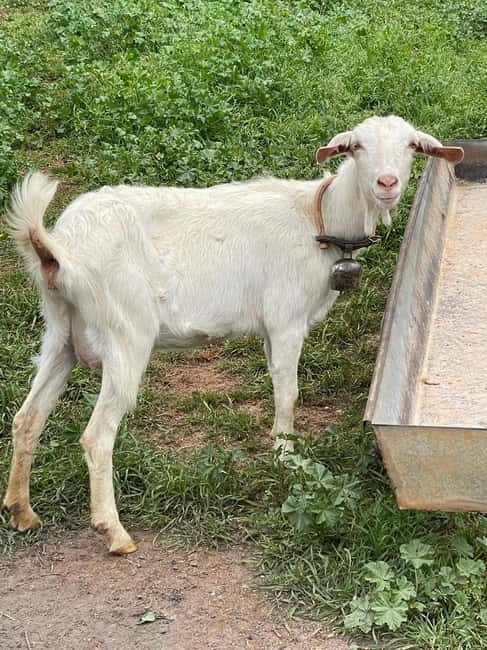
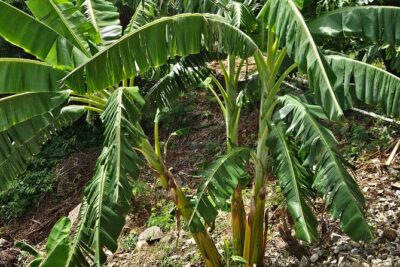
In the vegetable garden, you get to harvest your own ingredients for the meal you’ll prepare. You should plan on picking items like tomatoes, peppers, and herbs, plus other seasonal produce depending on what’s ready.
This is one of the best “small” details that makes the day feel worth it. When you choose the ingredients yourself, you notice quality. You can smell herb freshness. You can see tomato ripeness. Then later, when you cook Kagianas or a Greek salad, you understand why local cooks treat these items as the center of the plate.
Depending on the season, you may also taste local products that fit Messinia’s Mediterranean climate—like olives or figs. Even if you’ve had these foods before, tasting them in a farm setting changes your sense of flavor.
Getting your hands on cheese: Sfela and Anthotyro basics
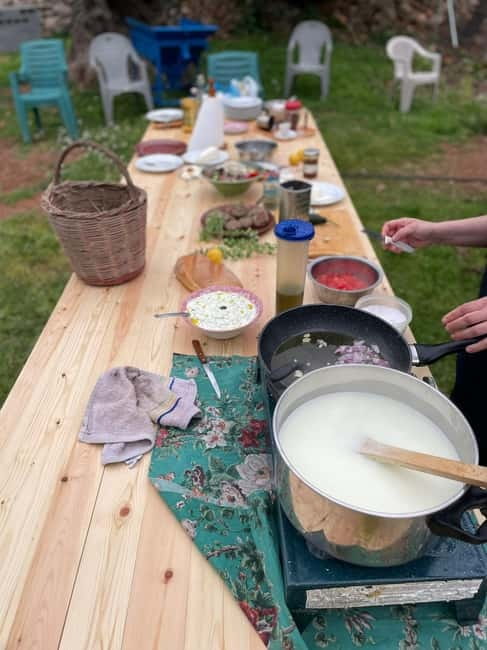
After harvesting, you head to the rustic outdoor kitchen for the cheesemaking workshop. This is where the day becomes more than a cooking class—because you learn cheese processes, not just recipes.
You’ll learn how to make Sfela, a semi-hard, brined cheese that’s a regional specialty. You’ll also make Anthotyro, a soft, creamy cheese with a delicate flavor. The hands-on approach is what people tend to remember, because you can connect steps to results.
Here’s why this is valuable for you: Greek cheese has textures and flavors that behave differently in cooking. Once you understand the basics behind brining, firmness, or creaminess, you’ll be more confident when you see Sfela-like or Anthotyro-like cheese in a shop back home.
The workshop also helps you notice timing and technique. Cheesemaking is sensitive to conditions, and the hosts guide you through what to watch—so you’re not guessing.
Cooking the meal: Kagianas, grilled patties, tzatziki, and salad
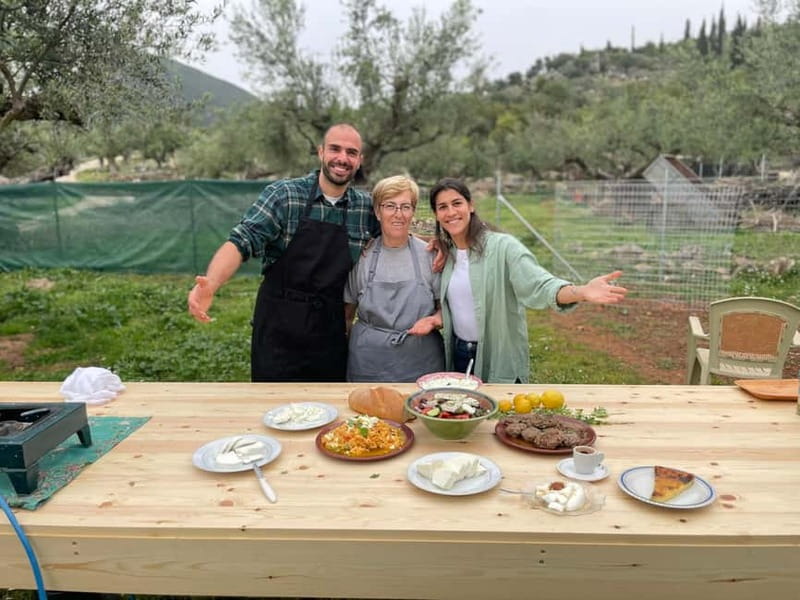
Once your cheese and farm ingredients are ready, you cook an authentic Greek meal under the guidance of your hosts. The menu isn’t one dish—it’s a full spread, so you get practice with multiple flavors and methods.
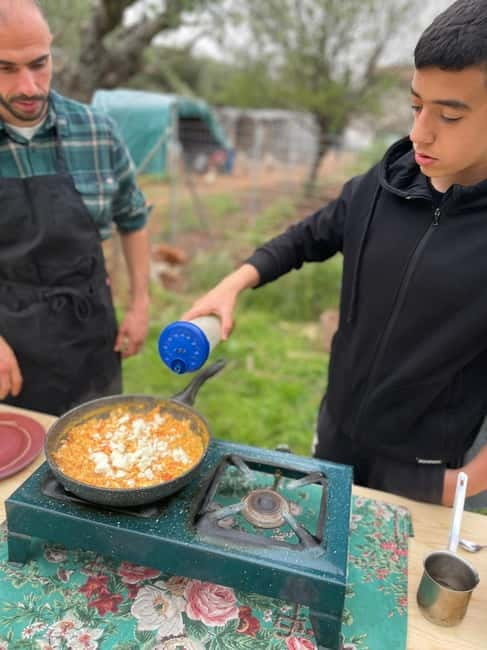
Kagianas is one of the star dishes. This rustic dish uses eggs, fresh tomatoes, and local cheese, and it’s cooked to a perfect finish with the right balance of set and creaminess. When you’ve worked with fresh tomatoes from the garden, Kagianas makes more sense—this is not “tomato flavoring,” it’s tomato character.
You’ll also grill free-range beef patties and serve them with fresh garden greens. On the side, there’s homemade tzatziki, which is the kind of sauce that teaches you more than taste: it shows how dairy, cucumber, and herbs connect and cool a grilled main.
Then comes the Greek salad, built from a classic mix of tomatoes, cucumbers, onions, olives, and feta, finished with extra virgin olive oil. Because you’ll have already handled tomatoes and herbs earlier, you’ll likely cook with more intention—paying attention to how much you really need, and what freshness does to the final bite.
Bread rounds out the meal in a memorable way. You’ll have freshly baked bread made with local flour, baked in a traditional wood-fired oven. It’s the kind of detail that turns a good plate into a satisfying full table.
Why the cultural notes change how you eat
One thing this experience does well is pairing technique with meaning. The hosts explain the cultural significance of each dish and the cooking techniques that make it work.
That matters because Greek food can look simple, but it’s built from smart decisions: what cooks first, what should stay fresh, how herbs are used, and how cheese changes texture. When you understand the “why,” you can recreate the spirit even if you don’t have the exact same ingredients at home.
Also, cooking as a group helps. You’ll learn by doing, and you’ll pick up tips simply by watching how others handle tasks. It’s not about perfection. It’s about learning the process.
The farm feast: olive-tree dining with nature noise
When the meal is ready, you gather around a beautifully set table outside. You’ll eat in open air with olive trees nearby and the sounds of nature in the background.
This part is more than atmosphere. Eating outdoors with ingredients that you collected and transformed gives you a stronger sense of satisfaction. You’re tasting a sequence you helped create—garden to kitchen to table.
Plan to slow down here. The best part of farm food is noticing small contrasts: herb freshness versus brined cheese tang, grilled beef richness against cool tzatziki, and the way olive oil ties a salad together.
What $141 gets you (and where the value really comes from)
At $141 per person for a 1-day experience, you’re paying for multiple guided components, not just a meal. The day includes a guided farm tour, a hands-on cheesemaking workshop, a cooking class with locals, and a farm-to-table meal—plus all necessary equipment and ingredients.
That’s the real value: you’re not buying a single dish. You’re paying for instruction across harvest, cheese, cooking, and eating, with the hosts guiding you through enough steps that you can actually repeat parts of it later.
The main cost you’ll need to handle separately is transportation to and from the farm. If you’re staying in the nearby area, this is a smooth add-on. If you’re farther out, budget time (and maybe a driver) so you don’t rush your morning.
Timing, group size, and how to prepare
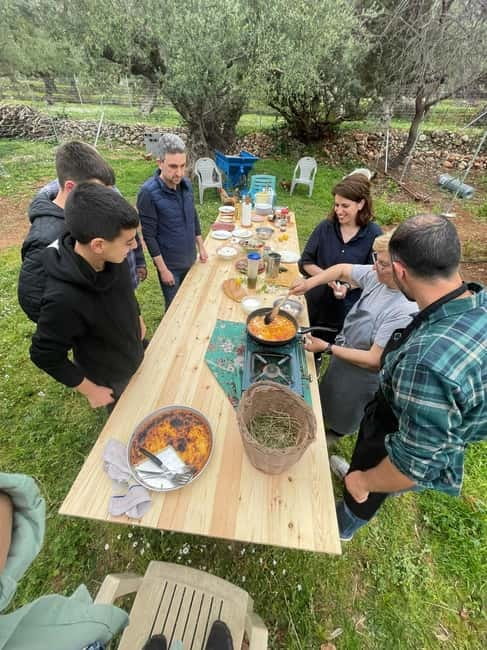
This is a 1-day activity with starting times that depend on availability. The group is limited to 10 participants, which keeps it personal. You’re less likely to get stuck waiting, and you should have a better shot at asking questions in the moment.
Bring comfortable shoes (uneven surfaces are part of farm life), a hat, sunscreen, and water. A camera helps too, since the olive-tree views and farm animals are constantly happening in your peripheral vision.
Wear clothing you don’t mind getting a little farm-dirty. Even with careful hosts, you’re harvesting and working in a rustic outdoor kitchen.
Smoking isn’t allowed, and the experience can be rescheduled due to weather. If rain is likely, pack smart and be flexible.
Who should book this cooking experience
This works best if you want a hands-on Greek day that goes beyond a standard meal. You’ll enjoy it if you like cooking with fresh ingredients, you’re curious about how regional cheese fits into Greek food, and you prefer learning from locals in a working farm setting.
It’s also a great pick for food-first travelers who want a practical skill set: cheesemaking basics (Sfela and Anthotyro), cooking methods for Greek classics, and the ability to recreate the flavors later.
It’s not the right fit if you have back problems or if you use a wheelchair, and it’s not suitable if you have animal allergies. Also, plan your pacing accordingly—this is a farm walk and kitchen work day.
Should you book MamaGaia for this one-day Greek cooking class?
If your goal is to eat Greek food with real context—and to learn techniques you can reuse—this is a strong yes. The best part is the chain of experiences: harvest → cheese workshop → cooking → outdoor meal. That flow is what makes the $141 price feel like instruction, not just entertainment.
I’d book it if you’re traveling with a flexible morning, you’re comfortable walking on uneven ground, and you want a small-group day with hosts who are genuinely focused on how food is made. Free cancellation up to 24 hours before the start time also gives you a safety net if the weather looks shaky.
Skip it if mobility limits are an issue or if animal exposure could be a problem. Otherwise, this is exactly the kind of day that makes Greece feel close up—one plate, one lesson, one farm at a time.
FAQ
How long is the Kalamata farm-to-table cooking experience?
It lasts 1 day.
What’s included in the price?
The experience includes a guided farm tour, hands-on cheesemaking, a cooking class, a farm-to-table meal, and all necessary equipment and ingredients.
What dishes and foods will I learn to make?
You’ll make cheese including Sfela and Anthotyro, then cook dishes such as Kagianas (eggs, fresh tomatoes, and local cheese), grilled free-range beef patties with garden greens, homemade tzatziki, Greek salad, and wood-fired bread.
What languages are the hosts/guides?
The host or greeter offers English, Greek, and Spanish.
What should I bring?
Wear comfortable shoes and bring a hat, sunscreen, camera (if you want photos), and water.
Is it okay for dietary restrictions or allergies?
You should inform the provider of any dietary restrictions or allergies in advance. The day also may include animal-related activities, so it isn’t suitable for animal allergies.