REVIEW · OAHU
Kona Coffee Tasting: A Farm to Cup Experience
Book on Viator →Operated by The Coffee Lab by Hala Tree Cafe · Bookable on Viator
Kona coffee tasting can be simple and still feel special. In this farm-to-cup session at The Coffee LAB by Hala Tree Cafe, you’ll sample three 100% Kona coffees and learn how what happens on the farm shows up in your cup. I love the hands-on teaching, especially the practical way they guide your senses. I also like that the focus stays on Kona’s real variables: cultivation, fermentation, drying, and roasting.
The one possible downside is that it’s weather-dependent, so if conditions are poor, you may need to reschedule. Still, with a small group size (up to 12) and a short, friendly pace, it’s an easy win for coffee lovers on Oahu.
In This Review
- Key things to know before you go
- Kona Coffee From Mauna Loa: What this Farm-to-Cup Session Delivers
- Meeting at The Coffee LAB by Hala Tree Cafe and Getting Ready
- The Three-Coffee Flight: What You’ll Taste and Why It Matters
- Learning the Correct Way to Smell and Taste Coffee
- Growing, Fermentation, Drying, Traceability: The Farm Story Behind Each Cup
- Cultivation and harvest decisions
- Traceability and process transparency
- Drying techniques and fermentation methods
- Roasting choices
- Ocean-View Feel and the Practical Pace of the Session
- Price and Value: Is $10 Worth It for Kona?
- Weather, Duration, and What Could Change
- Who Should Book This Kona Coffee Tasting?
- Should You Book? My Take
- FAQ
- Where does the Kona Coffee tasting take place?
- How long does the experience last?
- How much does the tour cost?
- What language is the experience offered in?
- What will I taste during the tasting?
- How big are the groups?
- Are service animals allowed?
- What if the weather is bad?
- Can I get a full refund if I cancel?
Key things to know before you go
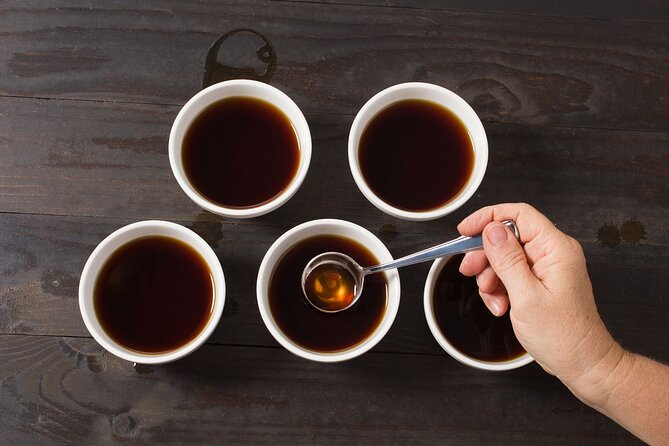
- Three-coffee flight focused on Kona and differences you can actually taste
- Family-farm story tied to Mauna Loa, including growing, harvest, processing, and roasting
- Real sensory training with tips for how to smell and sip so flavors land better
- Small, intimate group capped at 12 people for a more personal session
- English-led experience that works for beginners and regular coffee drinkers
Kona Coffee From Mauna Loa: What this Farm-to-Cup Session Delivers
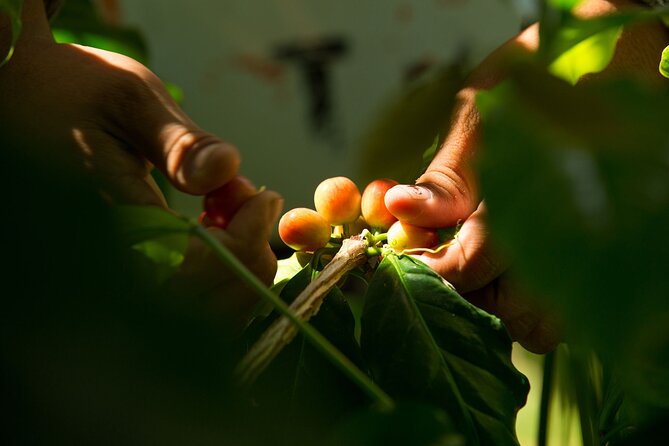
This experience is built around one idea: coffee flavor isn’t magic. It’s cause and effect. The team at The Coffee LAB by Hala Tree Cafe walks you through how decisions on the farm and in processing flow into what you notice at the table—aroma, acidity, body, and that last lingering taste.
You start with a guided tasting of three Kona coffees. The goal isn’t to overwhelm you with technical terms. It’s to help you hear the story of each cup, then taste for the differences tied to variety and processing methods. If you’ve ever had two coffees labeled Kona and wondered why they taste so different, this is the answer with a flight format.
And yes, it’s specifically Kona. The coffees are described as grown on a family-owned farm on the slopes of Mauna Loa. That matters because Kona’s growing conditions, cultivation choices, and processing styles are tightly linked to flavor outcomes. They’re not just pouring drinks and moving on.
You can also read our reviews of more tours and experiences in Oahu.

Meeting at The Coffee LAB by Hala Tree Cafe and Getting Ready
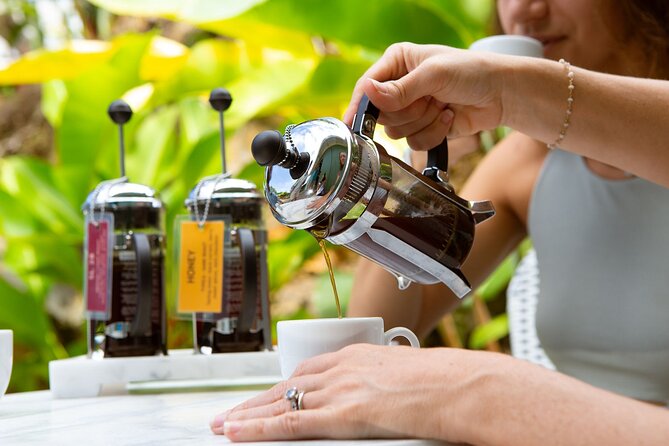
The session starts at The Coffee LAB by Hala Tree Cafe at 51-666 Kamehameha Hwy, Kaaawa, HI 96730. That’s the kind of meeting spot that’s easy to find, and it’s near public transportation, so you’re not forced into complicated logistics.
One small detail I really liked: the vibe is relaxed and straightforward. You meet at the shop level (people in the group are already setting up, cups out, tasting portion ready), so you’re not waiting around for a long intro. The tone stays friendly, and the instruction is geared to get you tasting correctly without making you feel like you need a coffee degree.
Groups are kept small—maximum 12 travelers—which changes the feel. You can ask questions. You can slow down when a scent catches you. You’re less likely to get lost in the crowd.
The Three-Coffee Flight: What You’ll Taste and Why It Matters
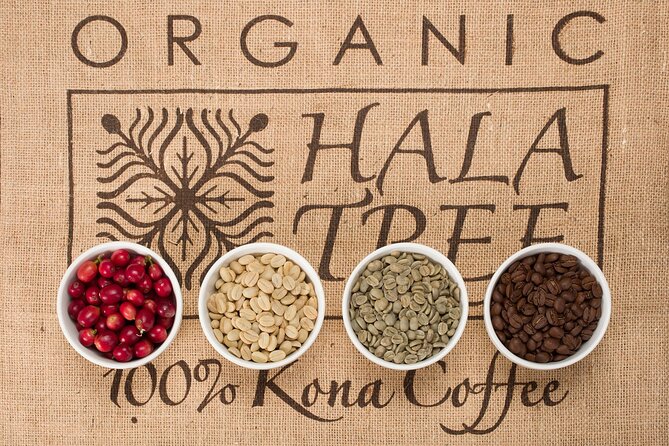
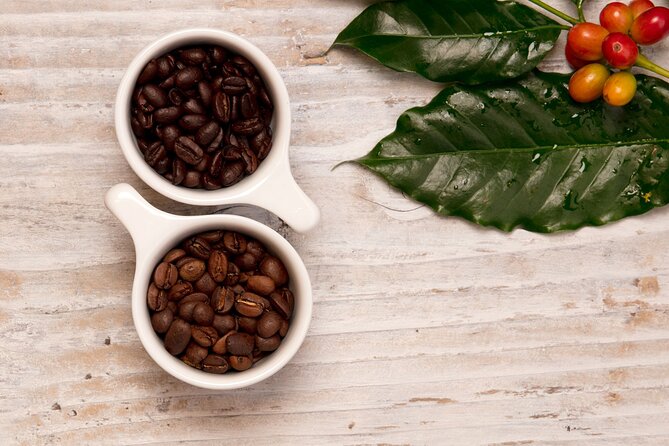
You’ll taste a flight of three of their finest Kona coffees, described as 100% Kona. Each one is used to spotlight differences in variety and processing methods. That’s the heart of why the session is fun even if you’re not a hardcore coffee person.
Here’s how this kind of flight helps you (and why it’s better than random sips):
- You taste in sequence, so your palate has a reference point.
- You learn what to notice next rather than trying to guess everything at once.
- You start linking flavor you taste to the process explanation you hear.
Even at this short duration—about 1 hour (approx.)—the flight gives you enough contrast to understand how fermentation and roasting choices shift the character. In plain terms: the process can change sweetness, acidity, and how flavors develop as the coffee cools.
Learning the Correct Way to Smell and Taste Coffee
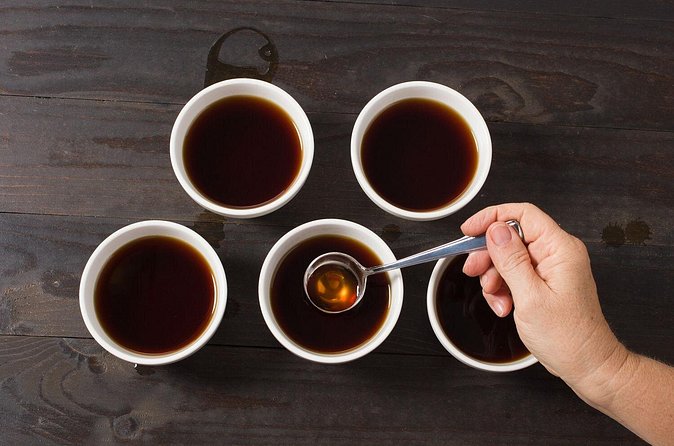
The most helpful part for me wasn’t any single coffee. It was the technique they teach so you don’t accidentally rush your senses.
A simple tip that changed how I tasted: smell with your mouth open. It sounds odd until you do it. Keeping your mouth open helps you bring aroma signals up and forward, so you catch more nuance before the coffee even hits your tongue.
Then they encourage you to think about where the liquid goes in your mouth. Take a sip and let it spread over different areas instead of swallowing immediately. After you’ve swallowed, they recommend breathing through your nose to finish the flavor experience. That last step matters because aroma plays a huge role in what you perceive as taste.
If you do these steps, you stop tasting like you’re drinking coffee and start tasting like you’re reading it. It’s also a great skill to take home. The next time you’re offered two coffees side-by-side, you’ll know how to compare them without guessing.
Growing, Fermentation, Drying, Traceability: The Farm Story Behind Each Cup
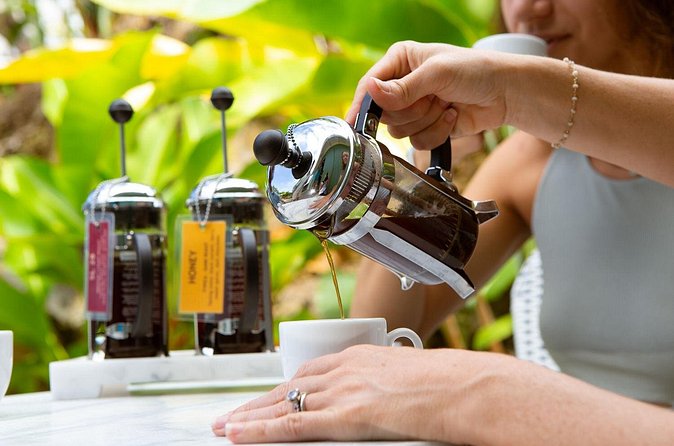
This is where the experience earns its farm-to-cup label. Along with the tasting, you get a presentation about an award-winning Kona farm—how coffee is grown, harvested, processed, and roasted.
From what’s shared, several themes keep coming up:
Cultivation and harvest decisions
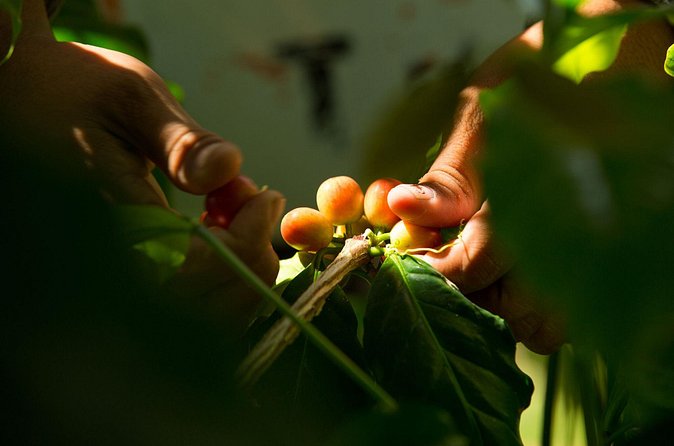
Coffee doesn’t taste like the future. It tastes like what happened earlier. The team explains how cultivation choices affect outcomes in the cup, and why harvesting timing and handling matter before fermentation and drying.
Traceability and process transparency
They emphasize traceability, including how they can connect a specific coffee to how it was grown and processed. For you, that translates into confidence. You’re not just buying a label—you’re learning what chain of decisions created that cup.
Drying techniques and fermentation methods
They point to innovative drying techniques and experimental fermentation methods. Even if you don’t memorize every process name, the point is clear: fermentation isn’t one-size-fits-all. Different fermentation styles can push flavors toward fruit-like tones, sweetness, or different levels of complexity.
Roasting choices
Roasting is where a lot of nuance can be hidden or revealed. The session includes explanations about roasted versus lighter roasted profiles, so you understand why one coffee might taste brighter and more lifted, while another feels rounder and deeper.
Ocean-View Feel and the Practical Pace of the Session
The coffee shop setting makes the experience feel like an easy interlude, not a classroom marathon. One highlight mentioned in feedback is the view on the way to Kona coffee—so if the weather cooperates, you’ll likely enjoy that sense of place while you’re getting your bearings.
Time-wise, the session generally lands around 35 minutes for many groups, even though it’s listed as about 1 hour. That shorter feel is a strength. You get a lot of value quickly: tasting, explanation, and a sensory technique you can reuse elsewhere.
Group size also helps you feel un-rushed. With up to 12 people, the team can keep questions moving and adjust if someone wants help tasting something specific.
Price and Value: Is $10 Worth It for Kona?
At $10 per person, this is priced like an entry-level experience, not a premium day-long coffee tour. The value comes from what you receive in that hour: a structured tasting of three Kona coffees, guided instruction on how to taste properly, and a focused explanation of farm and processing factors.
For context, most places that offer tasting flights charge more, and many don’t teach you a clear method for smelling and tasting. Here, you’re paying for three things:
- A tasting flight (not just one pour)
- A guide who explains what you’re tasting and why
- A simple sensory method you can use after you leave
If you want a quick way to build understanding of Kona beyond the usual shopping conversation, this is a smart use of time and money. If you’re already a total coffee nerd and want deep lab-level specifics, you might want more advanced classes afterward—but as an accessible start, this price feels fair.
Weather, Duration, and What Could Change
This experience requires good weather. If it’s canceled due to poor conditions, you’ll be offered a different date or a full refund. That’s not a red flag—it’s normal for outdoor-adjacent experiences in Hawaii where the environment drives operations.
Duration stays tight: about 1 hour total, with many sessions around the mid-30s range. That makes it ideal for building into a broader day—especially if you’re balancing beach time with one culture-food stop.
Who Should Book This Kona Coffee Tasting?
This is a great match if you fall into any of these groups:
- Coffee beginners who want to taste with purpose and learn how to compare cups
- Regular coffee drinkers who already like Kona and want to understand the why behind differences
- People who enjoy food lessons but don’t want a long, slow workshop
- Anyone traveling with a mix of experience levels, since the instruction is designed to be accessible
It may be less satisfying if you want a hands-on farm visit on-site (this session is described as a tasting experience at The Coffee LAB and is centered on guided education and sampling). But if your goal is to learn how farm processing and roasting shape flavor, you’ll leave with a better nose and a better vocabulary.
Should You Book? My Take
If you’re even mildly curious about what makes Kona coffee taste like Kona, book it. For $10, you’re getting a focused flight of three 100% Kona coffees, taught with a method that helps your senses work together. The small group size (up to 12) also keeps it friendly and interactive, not rushed.
I’d skip it only if you’re looking for a long, full-day farm excursion. Otherwise, this is the kind of short, practical experience that improves how you taste everything for the rest of your trip.
FAQ
Where does the Kona Coffee tasting take place?
It starts at The Coffee LAB by Hala Tree Cafe, 51-666 Kamehameha Hwy, Kaaawa, HI 96730, USA. The experience ends back at the meeting point.
How long does the experience last?
It runs for about 1 hour (approx.).
How much does the tour cost?
The price is $10.00 per person.
What language is the experience offered in?
It’s offered in English.
What will I taste during the tasting?
You’ll taste a flight of three Kona coffees (100% Kona), selected as part of the guided tasting.
How big are the groups?
The experience has a maximum of 12 travelers.
Are service animals allowed?
Yes, service animals are allowed.
What if the weather is bad?
This experience requires good weather. If it’s canceled due to poor weather, you’ll be offered a different date or a full refund.
Can I get a full refund if I cancel?
Yes. You can cancel up to 24 hours in advance for a full refund. If you cancel less than 24 hours before the start time, the amount paid is not refunded.