REVIEW · LA HERRADURA
La Herradura Coffee Farm: tour in Europe’s only plantation
Book on GetYourGuide →Operated by Almuñécar Mateos Invest SL · Bookable on GetYourGuide
Europe’s only coffee farm fits into 70 minutes. I love the organic coffee walk near Nerja and the 30+ tropical fruits growing with real Mediterranean sea views, but you’ll hit two steep stretches and need to be ready for a proper garden hike.
This is a family-run stop where Manuel leads the tour, mixing practical farming info with humor that keeps even kids engaged. The walk ends at a centuries-old Andalusian cortijo where you can pick up seasonal fruit, local products, and the farm’s roasted coffee.
In This Review
- Key highlights worth your time
- Why La Herradura’s Coffee Plantation Feels Like a One-Off in Spain
- Getting There on Foot: Meeting Point, Beach Area Access, and Steep Spots
- The 70-Minute Walking Tour: Coffee Plants Plus Up to 30 Tropical Fruits
- What “Organic” Means Here: Permaculture, Water Optimization, and Soil Regeneration
- Coffee to Roasting: How the Guide Connects Growing to Flavor
- The Finish at a 300-Year-Old Cortijo: What You Can Buy and Why It’s Worth Waiting For
- Price and Value: Is 17 USD a Smart Trade for a Short Walk?
- Who This Tour Is Best For (and Who Should Rethink It)
- Small Tips That Make a Big Difference
- FAQ
- FAQ
- How long is the La Herradura Coffee Farm tour?
- Where does the tour take place?
- Is the tour mostly walking?
- What happens during the tour?
- What should I bring?
- What’s included in the price?
- Is food or drinks included?
- Do I need hotel pickup?
- What languages are available?
- Is it accessible for wheelchair users?
- Should You Book La Herradura Coffee Farm?
Key highlights worth your time
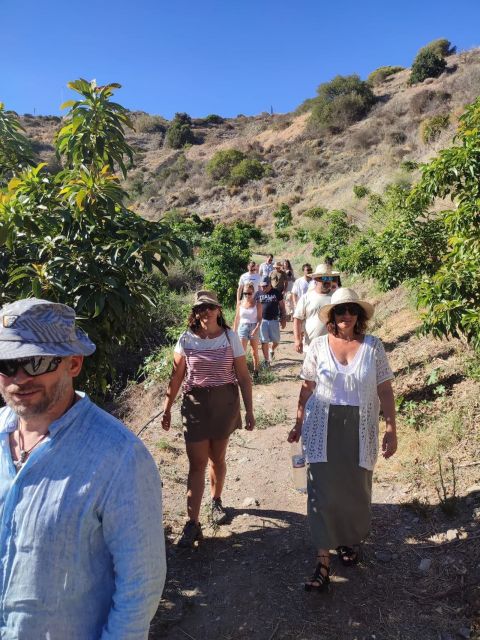
- Europe’s only coffee farm plus an actual walking tour through working plants
- Organic coffee cultivation alongside pesticide-free orchards and regeneration goals
- Up to 30 exotic fruit types shaped by the local microclimate
- Seaviews over La Herradura paired with shade breaks and chairs in steep areas
- A 300-year-old cortijo finish with farm fruit and roasted coffee for sale
Why La Herradura’s Coffee Plantation Feels Like a One-Off in Spain

If you’re doing the Costa del Sol loop and you want something that doesn’t feel like a copy-paste attraction, this plantation is a strong pick. The big hook is simple: this is Europe’s only coffee farm in a place better known for beaches and sunsets.
What makes it interesting is the setting. You’re in Andalusia near Nerja and La Herradura, and the farm’s gardens sit in a microclimate that supports both coffee and a long list of tropical fruit trees. I like that the tour doesn’t just show plants like a museum display. It shows a working farm, with real constraints and real choices.
The other reason I think you’ll enjoy it: you’re not rushed through a single highlight. The route is paced at walking-tour speed, and you get stops where Manuel explains what’s happening and why it matters for the plants.
Getting There on Foot: Meeting Point, Beach Area Access, and Steep Spots
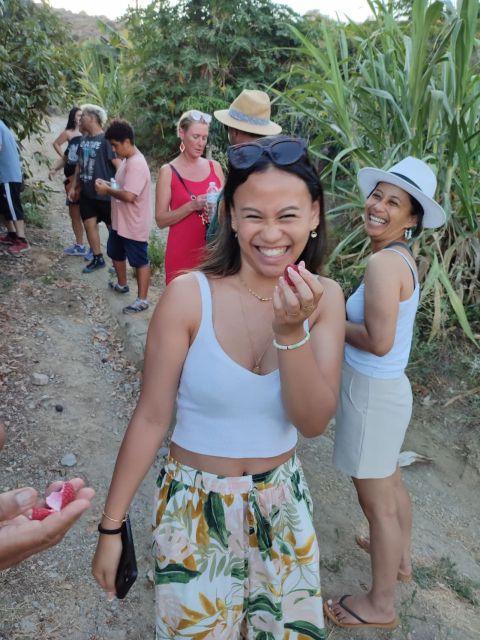
The experience is built around walking. The farm is described as walking distance from La Herradura beach and about 10 minutes from Nerja, so it fits naturally into a day around the coast rather than feeling like an all-day bus trip.
The tour has a 70-minute duration and includes a guided walk through the plantation. There’s no hotel pickup or drop-off, so plan to get yourself to the meeting point using the option you booked. The meeting point can vary, and it’s also different from the ending point, so check your details before you leave.
Here’s the real practical note: there are two steep areas. The good part is that the organizers say there will be pauses and chairs available, so you’re not stuck sprinting up a slope without breaks. I’d still treat it like a short hike, not a flat stroll.
The 70-Minute Walking Tour: Coffee Plants Plus Up to 30 Tropical Fruits
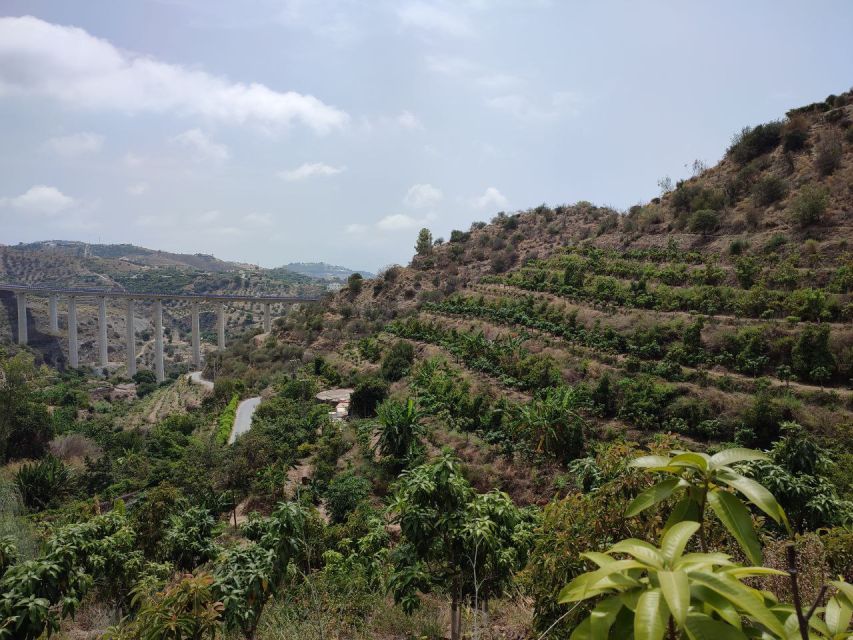
This is the heart of the outing. You’ll spend your time walking through a plantation that mixes coffee with a wide range of fruit and other crops. The tour is explicitly designed as a walking guided experience through productive coffee plants and exotic orchards.
Coffee here is not hidden behind a fence. You should expect to see the productive coffee plants and learn how they’re tended. At the same time, the farm is known for growing tropical fruits in Spain, with guides pointing out that the orchards can include up to 30 different types of exotic fruits due to the special local weather.
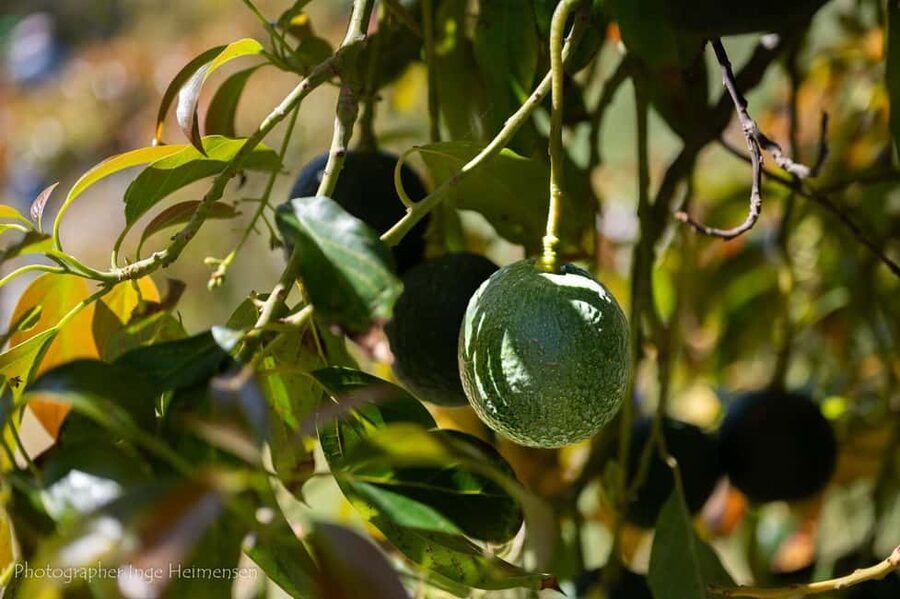
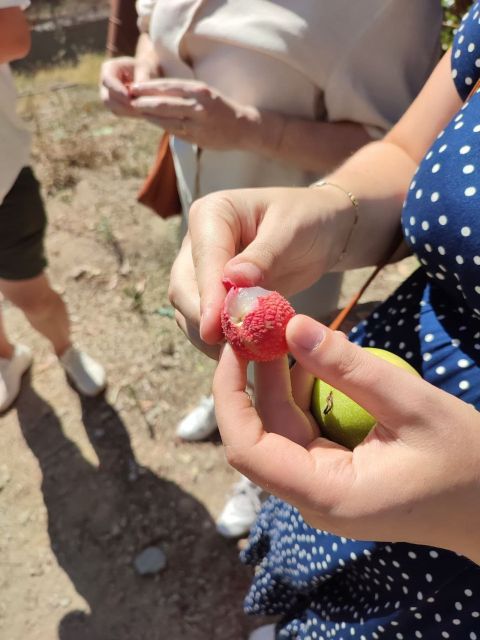
The plant list you’ll hear about includes some standout items: mango trees (including Spain’s oldest mango tree), centennial chirimoyas, dragon fruit trees, sugar cane, lychees, and a low-water-mark avocado plantation. You’ll also get to see how these crops share space rather than existing as one single crop across the whole farm.
What I like about this setup for you is the contrast. Coffee plants tend to look modest compared to showy tropical fruit trees, so the mix helps you understand that coffee farming isn’t a separate world. It’s part of a broader agricultural plan.
What “Organic” Means Here: Permaculture, Water Optimization, and Soil Regeneration
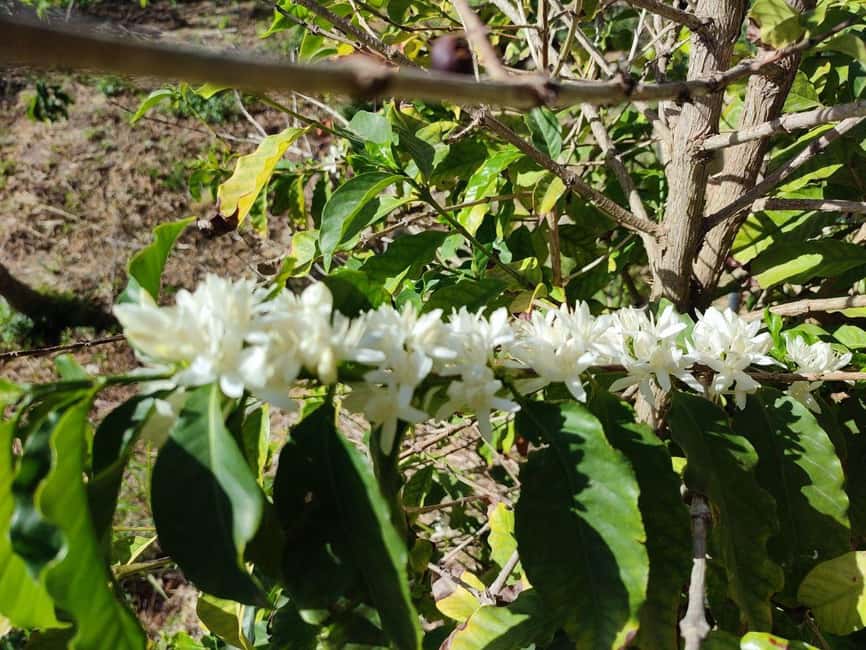
This tour is not only about what grows. It’s also about how the farm tries to keep things healthy over time, using an organic approach. The organizers flag organic farming challenges in the local environment, and they connect the farm’s method to concepts like permaculture and regeneration.
You’ll hear about:
- pesticide-free orchards
- water optimization
- soil regeneration
Even if you’re not a farming nerd, this matters. Water management is the big deal in many parts of Spain, and the tour explains how the farm balances crop needs with conserving resources. That’s practical knowledge you can carry with you, even after the tour ends.
I also appreciate that they don’t oversell simplicity. Organic farming is harder, and you’ll learn that the farm developed its system with effort and experimentation. That honesty makes the tour feel more real.
Coffee to Roasting: How the Guide Connects Growing to Flavor
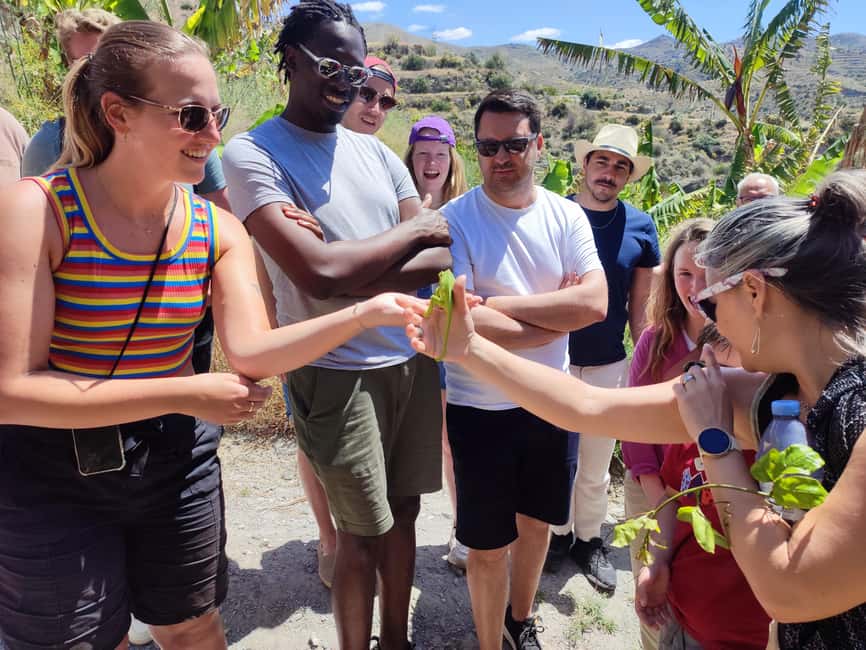
One reason this plantation tour works for coffee lovers is that it links the plant to the final product. The farm’s tour description covers the basics of harvest and roasting processes, and you should expect the guide to connect the dots between what you see in the field and what ends up in the roasted coffee you can buy later.
The guides also describe a sensory component. During the experience, you’ll get chances to sample tropical fruits and then taste or experience the freshly brewed coffee notes as part of the visit. Food and drinks aren’t listed as included in the overall package price, so don’t assume a full drink-and-snack setup. But the tour itself is positioned as a tasting-style learning experience.
In the field, you’ll also notice that this is a farm built for diversity. Multiple types of fruit and other plants reduce the feel of a monoculture. That makes the tour more interesting visually, and it also fits the sustainability story you’ll hear about.
The Finish at a 300-Year-Old Cortijo: What You Can Buy and Why It’s Worth Waiting For
The tour ends at a 300-year-old Andalusian cortijo, and that’s not just a scenic finale. It’s where you can buy seasonal fruit from the farm, local products, and the farm’s roasted coffee.
This is one of the parts you’ll likely remember, because it turns your walk into an outcome. Seeing a tree in the plantation is one thing; taking home fruit or coffee that came from the same operation is another.
You’ll also get a view of the farm setting from the cortijo area, which adds a calm close after the walking portion. It’s a good moment to reset your pace, check what you might want to buy, and ask a few last questions without feeling rushed.
Price and Value: Is 17 USD a Smart Trade for a Short Walk?
At about $17 per person (for a 70-minute tour), this is positioned as a value-friendly experience, especially if you care about authenticity. What you’re paying for is not just a route through plants. You’re paying for access to a working farm, guided explanations in multiple languages, and the time of the people running the place.
The strongest value points:
- Small operation feel, since it’s a family-run experience rather than a big factory-style tour
- Specific rarity factor (Europe’s only coffee farm)
- Hands-on type learning, including fruit sampling during the visit and the chance to taste coffee notes
- Meaningful takeaways, since you can buy roasted coffee and seasonal fruit at the end
If your goal for the day is only a quick photo stop, you might find it pricey. If your goal is a guided, educational garden walk with real product at the finish, it’s a fair exchange.
Who This Tour Is Best For (and Who Should Rethink It)

This tour is a strong fit for people who like outdoors time and want their vacation facts to come with context. It’s also a good family option because it’s not only coffee; it’s coffee plus tropical fruits, and the guide uses engaging storytelling to keep attention moving.
In particular, kids tend to enjoy the sense of discovery. You’re walking through a living mix of trees, and the variety is part of the fun.
But it’s not for everyone. The tour is marked as not suitable for:
- people with mobility impairments
- wheelchair users
- people with low level of fitness
- people with insect allergies
- people with heart problems
If you fall into any of those categories, I’d respect that guidance. The route includes steep areas, and even with chairs and pauses, it’s still a walk through uneven plantation terrain.
Small Tips That Make a Big Difference
A few practical things will make your visit smoother:
- Wear comfortable shoes with grip. This is a walking tour with steep sections.
- Plan for sun. Even if you get breaks and chairs, you’re still outdoors for most of the time. Bring protection if you’re sun-sensitive.
- Confirm your meeting point. It may not be where you end, and the ending point can differ depending on what you booked.
- Follow the farm rules: no littering, no making fire, and no smoking. It’s part of keeping the organic environment protected.
- If you’re coming from the coast, give yourself a little time buffer so you don’t arrive stressed right before the walk.
Also, the guide is described as speaking multiple languages, including English, French, Spanish, and German. If language matters a lot for you, double-check what’s available for your start time.
FAQ
FAQ
How long is the La Herradura Coffee Farm tour?
The tour duration is 70 minutes.
Where does the tour take place?
It takes place in La Herradura, Andalusia, Spain, near Nerja.
Is the tour mostly walking?
Yes. It’s described as a 70-minute walking guided tour through the coffee and tropical fruit plantation.
What happens during the tour?
You’ll see productive coffee plants, learn about organic cultivation, harvest, and roasting processes, and explore tropical fruit trees. You’ll also have the chance to sample fruit and coffee during the experience.
What should I bring?
Wear comfortable shoes.
What’s included in the price?
You can visit Europe’s only coffee farm, see the variety of fruit and coffee plants, learn about permaculture, water optimization, and soil regeneration, and end at a 300-year-old cortijo where you can buy seasonal fruit, local products, and roasted coffee.
Is food or drinks included?
Food and drinks are listed as not included. However, the tour experience includes opportunities to sample farm items such as tropical fruits and coffee notes.
Do I need hotel pickup?
No. Hotel pick up and drop-off are not included.
What languages are available?
The tour guide is listed as available in English and Spanish, and the activity also lists English, French, Spanish, and German.
Is it accessible for wheelchair users?
No. It is not suitable for wheelchair users and people with mobility impairments.
Should You Book La Herradura Coffee Farm?
I think you should book if you want something specific and real: coffee in Spain you can actually see growing, mixed with an orchard of tropical fruits, explained by Manuel in a way that doesn’t feel like a lecture. The $17 price works well for the time on your feet, the rarity factor, and the chance to buy roasted coffee and seasonal fruit at the end.
Skip it if steep hills would be an issue for your body, or if insect allergies and heart problems apply to you, since the tour isn’t designed for those needs.
If you’re based near Nerja and you like farms, plants, and hands-on learning, this is one of those trips that makes the region feel more lived-in than just scenic.