REVIEW · LA PAZ MEXICO
La Paz: Pearl Farm Experience and shop
Book on GetYourGuide →Operated by La Paz City Map · Bookable on GetYourGuide
Pearls have a way of shrinking the ocean into something you can hold. This La Paz pearl farm experience mixes sea life with pearl farming history, plus a real look at how pearls are cultivated today. You also get time in an exclusive jewelry shop at the end, so the story doesn’t stop at the lab.
Two things I like a lot. First, the history angle is specific, including the claim that the pearl in Queen Elizabeth’s crown comes from La Paz. Second, you get to see live marine organisms up close while learning how modern pearl culturing works.
One possible drawback: it is a short 2-hour visit, and there is no food served, so plan on buying a drink or snack nearby if you need it.
In This Review
- Key highlights you’ll notice right away
- Why La Paz pearls have a reputation all over the world
- Starting at Avenida Pichilingue: a short tour that stays focused
- The living part: pearl oysters and other sea life up close
- Inside the pearl laboratory: learning the modern process
- The hands-on moment: why it’s more than watching
- Pearl types and the full production idea
- The jewelry shop: what to look for when you’re tempted to buy
- Price and value: is $68 worth 2 hours?
- Who will enjoy this most in La Paz?
- Should you book the La Paz Pearl Farm experience?
- FAQ
- How long is the La Paz pearl farm experience?
- Where does the tour start?
- How much does the tour cost?
- What languages is the tour offered in?
- What’s included in the tour price?
- Is food included?
- Are souvenirs or jewelry included?
- What’s the cancellation policy?
Key highlights you’ll notice right away
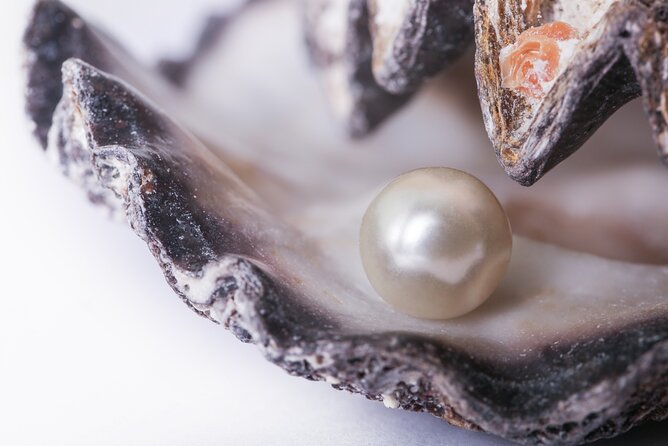
- La Paz pearl story: from ancient importance through modern cultivation
- Live marine exhibits: pearl oysters plus crabs, urchins, starfish, and fish
- Lab visit: see how pearl production connects to real tools and procedures
- Hands-on time: you get an interactive moment during the process talk
- Shop stop at the end: admire and purchase pearl jewelry if you want
Why La Paz pearls have a reputation all over the world
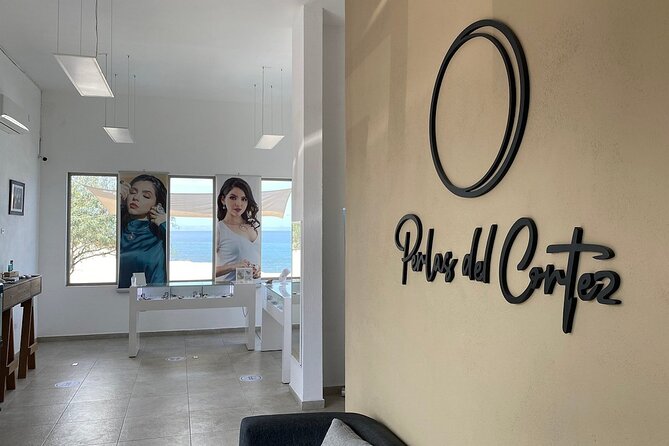
La Paz pearls aren’t just a cute souvenir idea. The experience frames pearls as something people have valued for a very long time, and that matters because it helps you look at the oysters with less of a tourist lens and more of a craft lens. You start to understand pearls as the result of patience, careful work, and a living system.
Then the tour adds a big-name anchor: the pearl in Queen Elizabeth’s crown is said to come from La Paz. That kind of detail is useful. It makes the history feel concrete instead of vague, and it explains why these pearls are treated as a premium product even now.
The best part for me is the way the topic stays grounded. You’re not just hearing that pearls exist. You’re learning why La Paz pearls became desirable, and how cultivation is done in a modern way to produce consistent results.
Starting at Avenida Pichilingue: a short tour that stays focused
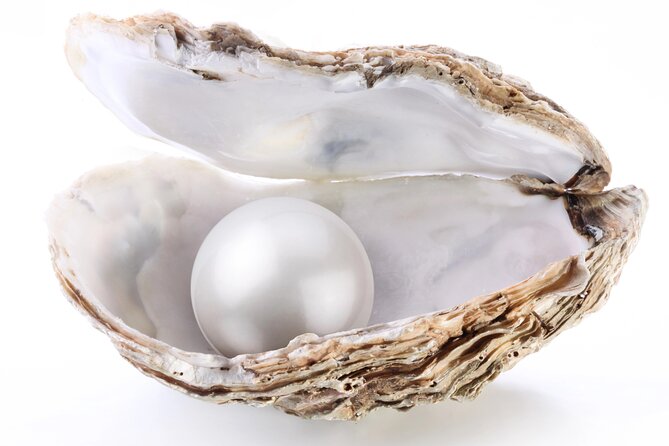
You begin at Avenida Pichilingue, and the whole experience runs about 2 hours. That timing is a plus if you’re on a tight schedule in La Paz. You can fit it between other activities without losing half a day, and you still get a complete story arc: history, living sea life, the cultivation process, and a shop visit.
Because it’s short, the pace is clear. You’ll spend enough time to see what matters, but you won’t get stuck waiting around. It also means you should show up ready to pay attention, especially if you’re curious about the step-by-step cultivation process.
If you want a slow, leisurely museum vibe, this may feel too hands-on and timed. But if you like short tours that do one thing well, this works.
The living part: pearl oysters and other sea life up close
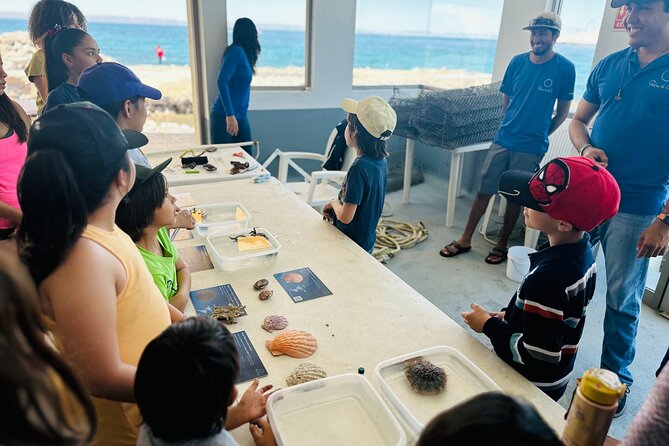
One of the most compelling parts is that you interact with live marine organisms. The farm setup includes pearl oysters, plus crabs, urchins, starfish, fish, and more. Instead of learning pearl production as abstract biology, you see the animals that make the whole thing possible.
This is where the experience becomes memorable beyond the pearl itself. You start noticing how these creatures fit into an environment and how delicate the process is. It also helps you understand why the tour keeps talking about cultivation, care, and timing. Pearls aren’t manufactured like jewelry components. They come from living organisms, so the farm’s workflow has to respect that.
If you’re the type who loves science explanations but also likes to look at real creatures, you’ll probably enjoy this section more than you expect. It turns a product story into a natural world story.
Inside the pearl laboratory: learning the modern process
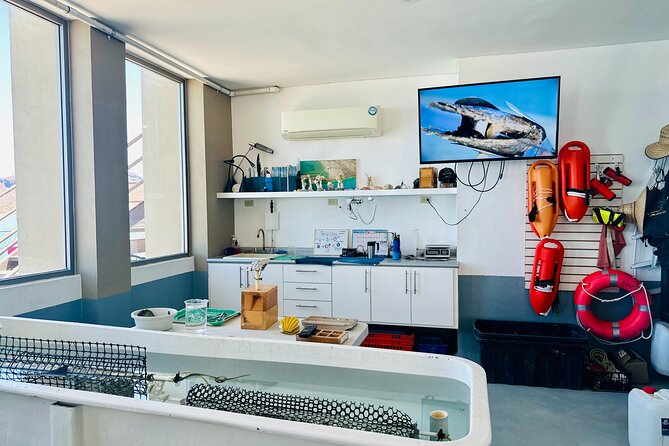
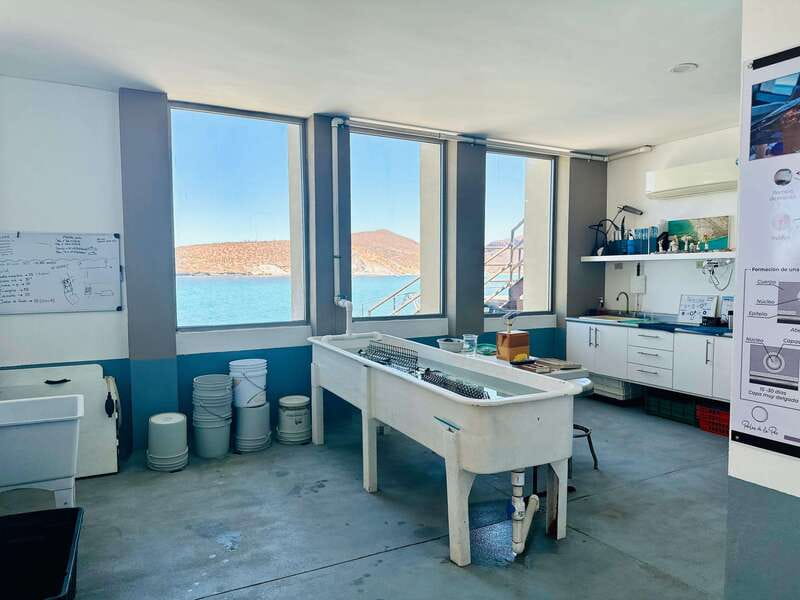
You also visit the laboratory, which is a major value point. The tour isn’t only a walk-through with decorative tanks. It’s structured around what pearl farming looks like in practice, including the importance of the area and the art of modern pearl culturing.
In this part, the guide’s role is important. A real highlight is learning the history of pearls and then watching the process in a way that connects the past to today. The owner, Ivan, is specifically mentioned as giving history going back several thousand years, then showing the process through the oysters life cycle. Even if you don’t catch every detail, the overall structure helps you follow what’s happening.
There is also a very specific moment that stands out: you may see the implantation process where a marble is surgically placed, which leads to the formation of a pearl. That kind of detail does two things:
1) It explains the cause-and-effect behind pearl production.
2) It makes the craft feel real, not magical.
This is one of those tours where you leave understanding why pearls look the way they do, and why the process has to be careful.
The hands-on moment: why it’s more than watching
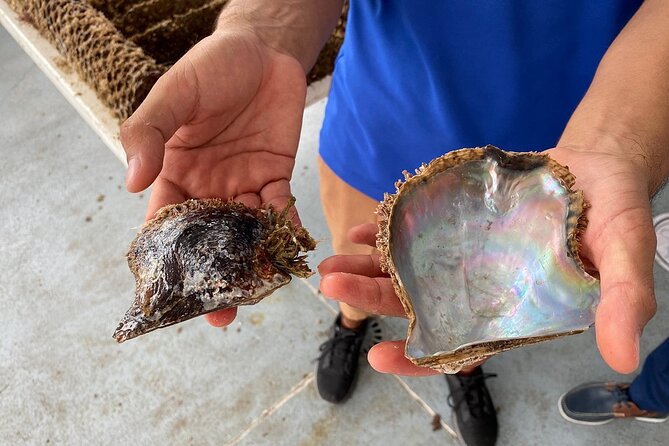
Hands-on experience is included, and that’s often where tours either disappoint or convert you from spectator to participant. In this case, the tour keeps it tied to pearl farming education rather than turning it into a gimmick.
You’ll get interactive time as part of the instruction around the cultivation process and what goes into producing pearls. The point is not to turn you into a pearl farmer overnight. It’s to help you understand the sequence and the reasoning behind it so the science sticks.
If you’re traveling with someone who usually prefers activities over lectures, the hands-on component helps balance that. And if you’re the curious type who asks questions, this is the kind of setting where questions make sense. You’re standing near the animals and tools that the talk is about.
Pearl types and the full production idea
The experience also emphasizes appreciation of different types of pearls and the whole process of obtaining them. Even without seeing every stage in a production timeline, you should walk away with a clearer idea of how the pearl’s formation connects to the oyster’s life cycle and the farm’s work.
This matters if you’ve ever shopped for pearls and wondered why they vary so much. Better understanding of the process often makes you more confident when you look at jewelry later. You know what you’re seeing is the result of a controlled cultivation method, not a one-size-fits-all nature product.
It also gives you better conversation fuel. You can explain that pearls are tied to living organisms and cultivation steps, not just a shiny piece of luck.
The jewelry shop: what to look for when you’re tempted to buy
The tour ends with access to an exclusive jewelry shop. You can admire and purchase pearl jewelry there, and this is the place where you’ll see the product that the lab work was building toward.
Two practical thoughts help here:
- Treat the shop as the final chapter, not the main event. The value of the tour is the education and the close-up experience.
- If you plan to buy, take your time comparing pieces in the shop. Since the tour teaches you that pearl types and cultivation matter, you’ll likely spot more differences than you would otherwise.
Important note: jewelry and souvenirs are not included. So go in with your own budget in mind. If you’re hoping the tour price automatically covers pearls, adjust expectations early.
Also, since food isn’t included, you might find it easier to manage your spending and energy if you eat first and then shop with a clear head.
Price and value: is $68 worth 2 hours?
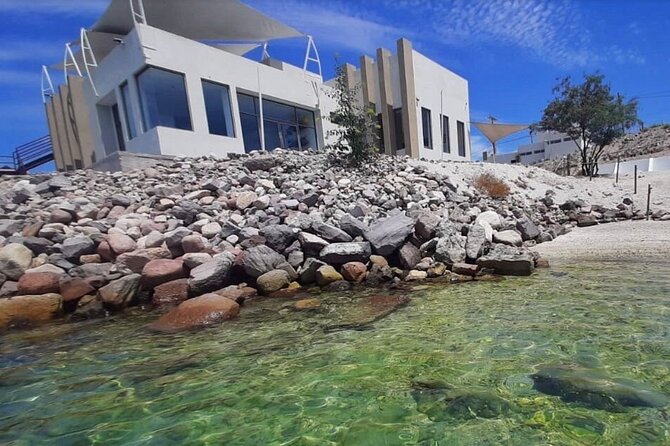
At $68 per person for about 2 hours, the biggest question is what you actually get for the price. Here’s the honest breakdown:
You’re paying for:
- A guided, English/Spanish lecture tied to regional pearl history
- A lab visit focused on modern pearl culturing
- A close look at live marine organisms (not just photos)
- An included hands-on component
- A final stop at an on-site jewelry shop
That bundle is where the value comes from. If the experience were just a short history talk, $68 might feel steep. If it were only a shop stop, it would be a different story. But this combines learning, real animals, and an actual process explanation in a tight time window.
The short duration is also part of the value. You’re not committing a half day. You’re getting a focused experience that fits into a normal La Paz itinerary.
If you hate shopping tours, take comfort: the shop is optional in terms of your wallet. Your day is built around the farm and the cultivation education.
Who will enjoy this most in La Paz?
This is a great fit if you:
- Like science that comes with real-life visuals (oysters, tanks, and the cultivation procedure)
- Want a memorable experience that isn’t only about beaches and city views
- Enjoy interactive tours where you learn while you’re doing
- Are interested in buying pearl jewelry but want context first
It’s also a smart choice for people who like short activities with a clear outcome. In two hours, you’ll understand why La Paz pearls have status and what makes cultured pearls possible.
If you’re expecting a big outdoor adventure or a long guided walk through town sights, you may feel like something else is missing. This tour’s “wow” is the living process and the craft story, not travel miles.
Should you book the La Paz Pearl Farm experience?
I’d book it if you want a compact, educational tour that shows you pearls as a craft made by people working with living sea creatures. The lab visit, the live marine organisms, and the explanation of the implantation process are exactly the kind of combination that sticks with you after you leave.
Skip it or reconsider if:
- You’re mainly interested in food, long sightseeing, or a full-day outing.
- You’re sure you don’t want to spend time in a jewelry shop area at the end (even if you don’t buy).
If you’re on the fence, this is the kind of experience where the 2 hours usually feels worth it because you don’t just look at pearls. You understand how they are made.
FAQ
How long is the La Paz pearl farm experience?
The tour lasts about 2 hours.
Where does the tour start?
The starting location is Avenida Pichilingue.
How much does the tour cost?
The price is $68 per person.
What languages is the tour offered in?
The live tour guide speaks English and Spanish.
What’s included in the tour price?
Included are the historical significance and art of modern pearl culturing, a visit to the laboratory, appreciation of different types of pearls and the whole process, hands-on experience, and a guided tour.
Is food included?
No food is served on this tour. Food and beverages are available for purchase.
Are souvenirs or jewelry included?
Souvenirs and jewelry are not included, though pearl jewelry is available for purchase.
What’s the cancellation policy?
You can cancel up to 24 hours in advance for a full refund.