REVIEW · LA RIOJA SPAIN
La Rioja: Jamon Iberico Farm Tour and Tasting with Wine
Book on GetYourGuide →Operated by Timonfaya Travel Lanzarote · Bookable on GetYourGuide
Ham happens out in the open air. This La Rioja experience takes you through an organic operation in the Ocón Valley and explains how Jamón Ibérico de bellota is made, while you also meet animals up close. I especially like the free-range farm walk with Duroc piglets and the bonus visit to pure Spanish horses in freedom. The one thing to factor in is that the experience is listed as 3 hours, but the pacing can run shorter, and the wine moment may feel more like a pour than a long, guided tasting.
You’ll start at the organic farm called El Encinar, tour the facilities where artisan organic meats are produced, then finish with a guided tasting of ecological jamones alongside Rioja red and white. If you like learning where your food comes from (and you enjoy animal-focused visits), this format makes sense. Just keep your expectations realistic about the tasting length and what’s included in the wine portion.
In This Review
- Key tour takeaways (what matters most)
- A 3-hour taste of La Rioja pig life in the Ocón Valley
- Starting at El Encinar: where Duroc piglets live and grow
- Walking the facilities: organic artisan meats and sausages in the real workflow
- Feed mill stop: the unglamorous part that makes the whole system make sense
- Jamón Ibérico de bellota explained the way you can actually remember
- Pure Spanish horses in freedom: why this stop isn’t just a bonus
- The tastings: ecological jamón plus Rioja red and white
- Price and logistics: does $146 feel like fair value?
- Who should book this tour (and who might not love it)
- Should you book this Jamón Ibérico farm tour in La Rioja?
- FAQ
- How long is the Jamón Iberico farm tour and tasting?
- Where does the tour take place?
- Is the tour guided in English?
- What animals and farm areas do you visit?
- Do you see how feed is made?
- What food do you taste?
- Is there wine included?
- Is the experience wheelchair accessible?
- Can I cancel for a refund?
- Is there an option to pay later?
Key tour takeaways (what matters most)
- El Encinar organic farm start: Duroc piglet breeding under organic farming in the Ocón Valley
- Whole-pig production context: tour of facilities where organic artisan meats and sausages are made
- Feed mill stop: see and hear how animal feed works in the operation
- Horse farm visit: pure Spanish horses kept free on the property
- Ecological tasting + Rioja pairing: jamón tasting with both Rioja red and Rioja white
A 3-hour taste of La Rioja pig life in the Ocón Valley
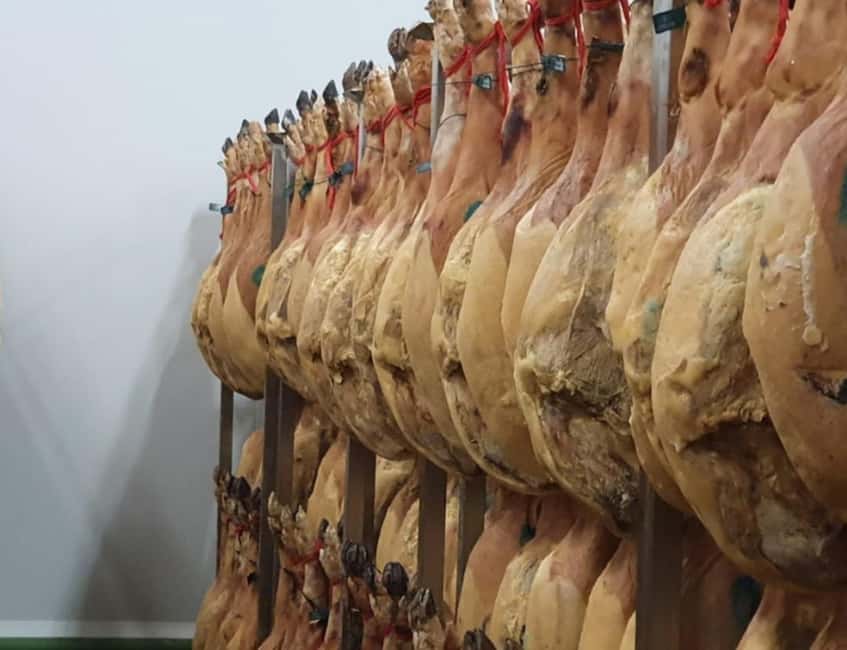
This tour is built around one simple idea: you don’t just taste Jamón Ibérico: you learn the farm work behind it. In La Rioja, that story starts with organic piglet breeding in the Ocón Valley, within a Biosphere Reserve setting. The route then keeps moving—fields, facilities, feed, and animals—so your brain can connect the dots instead of treating ham like a mystery product from a shop.
The 3-hour length is a key part of the value equation. You’re paying for an all-in visit that covers animals, production explanation, and then a pairing-style tasting. When the timing is tight or the tour runs closer to 2 hours, you feel it—because there’s a lot packed into that window.
If you’re the type who enjoys farm logic (how animals are raised, what they eat, and how it connects to the final product), you’ll get a lot out of it. If you’re expecting a slow, multi-hour food-and-wine seminar, you might want to manage expectations.
Starting at El Encinar: where Duroc piglets live and grow
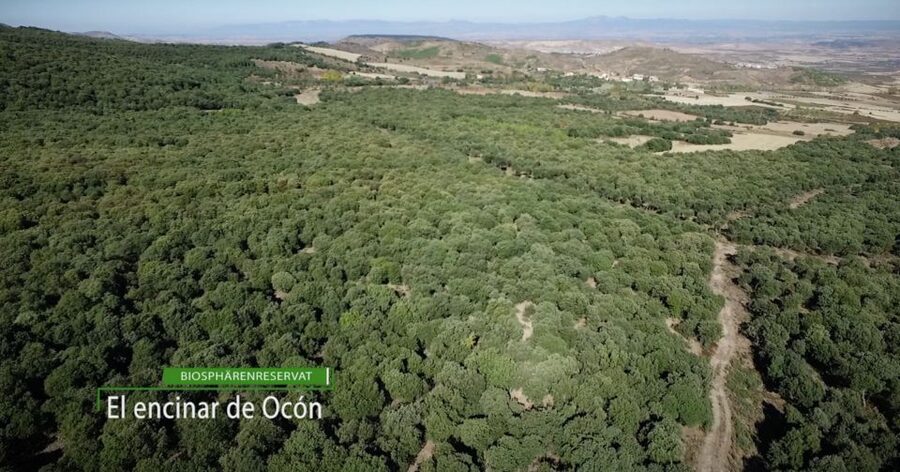
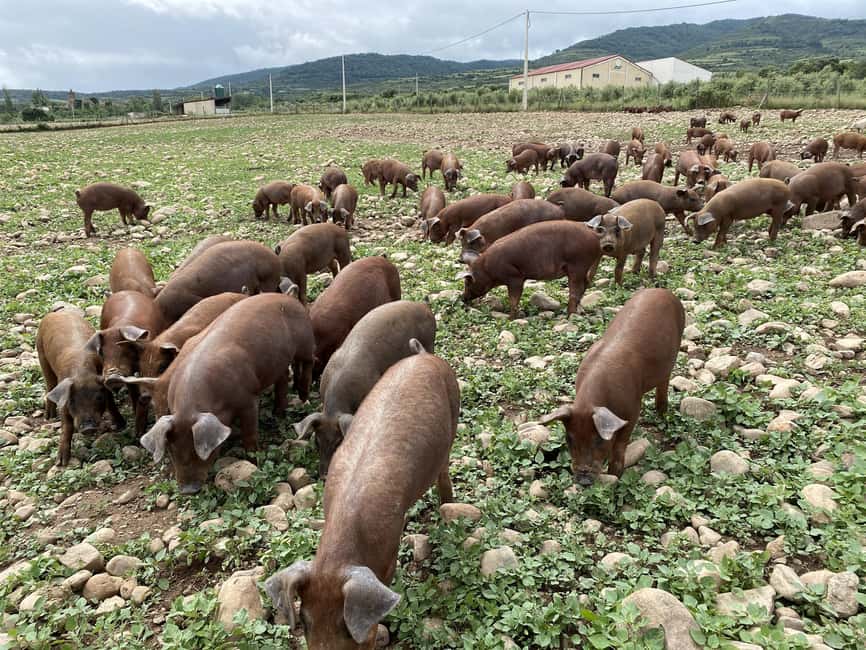
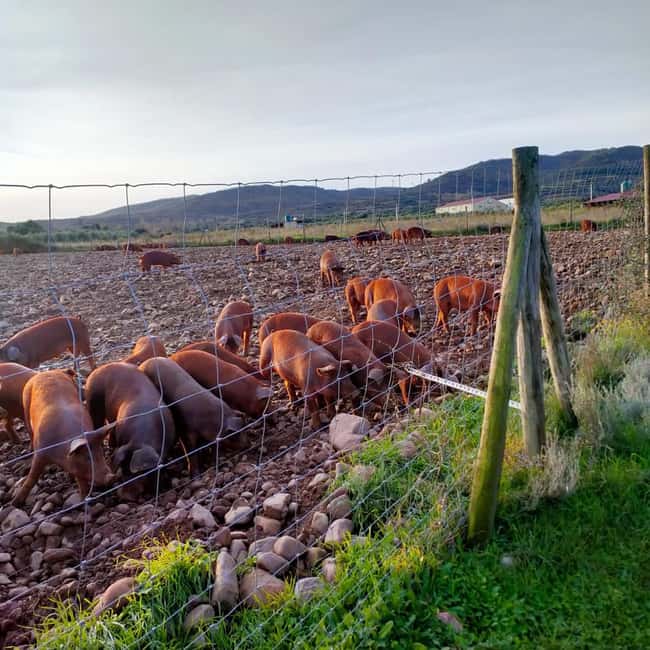
The visit begins at the organic farm called El Encinar. This is where the tour’s main theme—Duroc piglet breeding—becomes visible. You’re not just hearing theory. You walk through the farm areas showing different growth stages, and you get a sense of how the piglets live in open air and in contact with nature.
What I like about this start is that it sets up the rest of the tour. Jamón Ibérico de bellota doesn’t come from nowhere. The tour explains the process of how the prestigious ham is created, and by starting with piglets living and breeding in a natural setting, it helps you understand why those early steps matter.
You also visit between olive groves and cereal fields. That matters more than it sounds. It reinforces that the operation depends on real farmland rhythms, not just a processing facility. When food is tied to fields, the whole supply chain feels less like a factory and more like an ecosystem.
Walking the facilities: organic artisan meats and sausages in the real workflow
After the farm walk, the tour continues into the facilities where the operation elaborates organic artisan meats and sausages. This is the part that usually feels most practical. You see up close how the process is carried out, not just the marketing labels.
Even if you’re not a food technician, a guided walkthrough helps you connect what you saw outside to what happens inside. Outside, you’re looking at pig growth stages and a working animal program. Inside, you’re learning how an organic artisan operation moves from animal inputs to prepared products.
One small caution: the included description emphasizes seeing stages and explanations, but it doesn’t promise a deep technical factory walkthrough with extreme detail. If you’re the kind of traveler who wants every step spelled out like a textbook, you might wish for more. Still, for most people, this level of access feels like the sweet spot between farm-tour charm and real production knowledge.
Feed mill stop: the unglamorous part that makes the whole system make sense
A standout included element is the visit to the mill for animal feed, including an explanation of the operation of the feed system. This is not the glamorous moment of the tour, but it’s the one that helps you think clearly about the product.
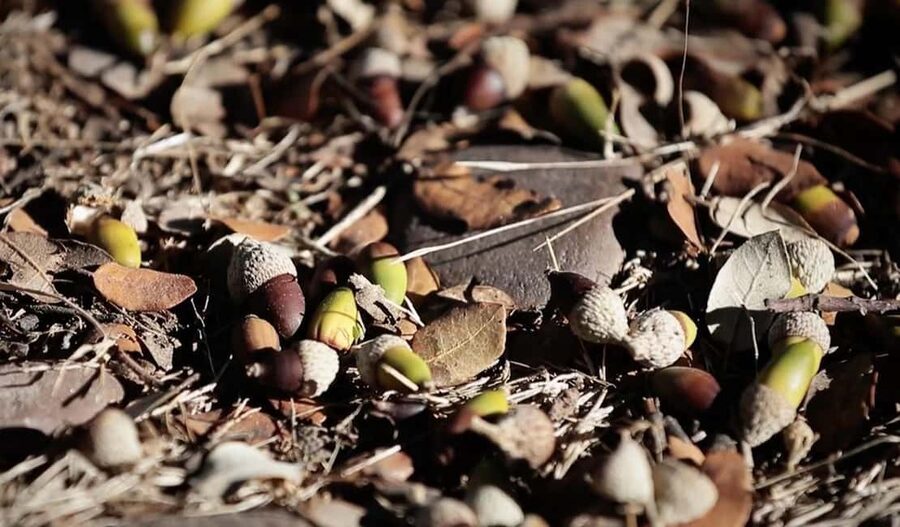
Why? Because feed is part of the story behind acorn-fed traditions. The tour later focuses on Jamón Ibérico de bellota and tasting ecological acorn-fed hams, and feed is the connective tissue between what the pigs eat and what you experience at the end.
If you enjoy farms where you can ask questions and get answers that sound like real work—this stop usually lands well. It also helps the tour feel more complete. You’re not only watching animals; you’re seeing how the operation keeps them fed and managed.
Jamón Ibérico de bellota explained the way you can actually remember
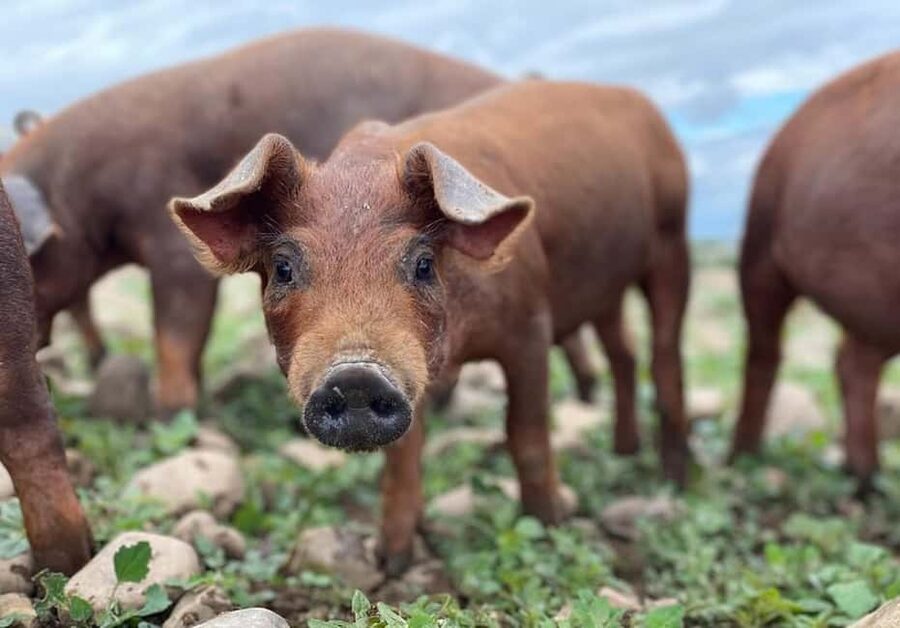
At some point, the tour explicitly teaches you how Jamón Ibérico de Bellota is created—described as the most prestigious ham in the world. I like how this is framed in the flow of the tour: farm first, facilities second, feed logic in between, and only then the tasting.
This structure helps you remember details because the explanations are anchored. You can relate what you hear about the ham to what you just saw in animal growth, the production setup, and the operation that supports it.
Also, the tasting is not just one product. It includes commented tasting of ecological Jamón Ibérico and ecological acorn-fed hams. That gives you a chance to compare within the Jamón universe instead of treating every slice as the same. If you care about differences, you’ll likely feel more satisfaction at the end.
Pure Spanish horses in freedom: why this stop isn’t just a bonus
One of the tour highlights is the visit to a farm of pure Spanish horses kept in freedom. This is included as a separate stop, not a side glance. And that’s a big deal if you enjoy animal encounters that feel integrated into a working estate.
The reason I think this is worth your time: it adds a second layer of agricultural life. You’re not only in a pig-focused environment. You’re seeing that the property runs multiple animal programs, and that often signals a more balanced, lived-in farm rather than a one-product showroom.
Practically, it also breaks up the rhythm. After walking, touring facilities, and learning about processing, you get a moment that’s more about watching—movement, space, and freedom. It can be a pleasant reset before tasting.
The tastings: ecological jamón plus Rioja red and white
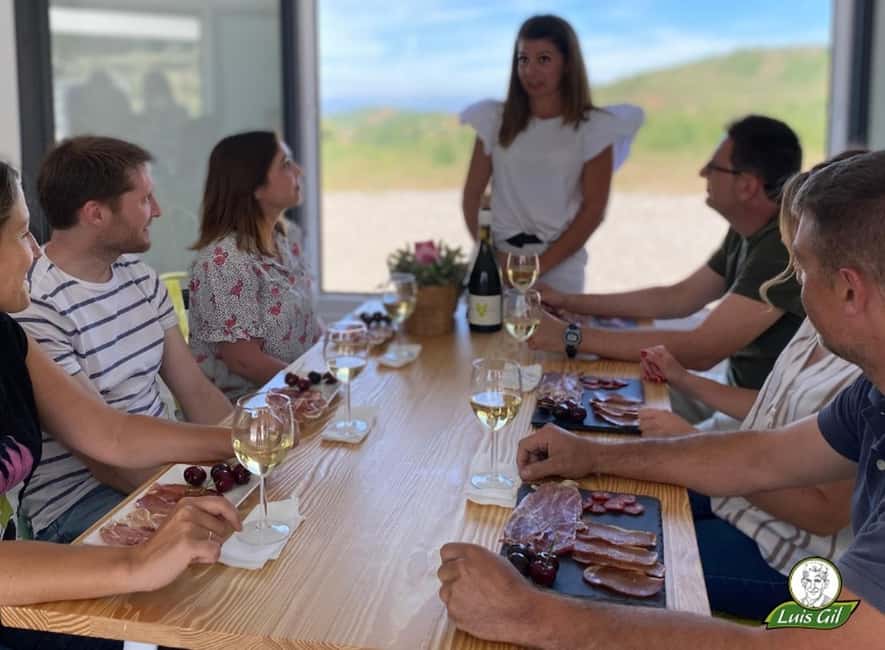
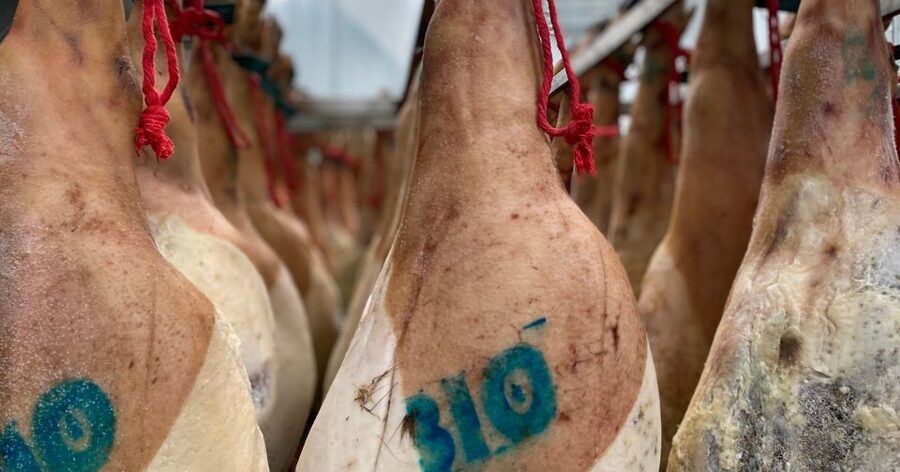
The tour ends with a tasting of the operation’s organic jamones paired with Rioja wine. Included tastings feature commented tasting of ecological Jamón Ibérico and ecological acorn-fed hams, with wine from Rioja.
Here’s the practical part: you’re included for 1 red wine and 1 white wine from Rioja. That’s not a full-blown wine workshop, but it is enough to shift you from eating ham like a tourist to thinking about pairing.
In my view, this is where you should set expectations. One past experience sounded like the food portion may feel generous, while the wine component may be lighter on guidance. So if you’re a serious oenophile who expects a detailed tasting of aromas and structure, you might find it more casual than you want.
Still, the combination is sensible. You get enough ham variety to compare and enough Rioja to notice how acidity, fruit, and tannin behavior can change how the ham tastes in your mouth. And because the tasting is “commented,” you should get at least a basic guide to what you’re trying to pick up.
Also worth noting: some pig-product tastings can include sausage or chorizo-style items along with ham. If you’re there for a pure ham-only experience, keep that in mind. The overall theme is pig products, so expect more than just a single slice.
Price and logistics: does $146 feel like fair value?
At $146 per person, you’re not paying for a simple farm stroll. You’re paying for a guided, multi-stop experience that includes:
- farm walk with piglet growth stages
- facilities showing how organic artisan meats and sausages are elaborated
- a visit between olive groves and cereal fields
- explanation of the animal feed operation via the mill
- a horse-farm visit
- commented tasting of ecological Jamón Ibérico and ecological acorn-fed hams
- wine pairing: Rioja red + Rioja white
That’s a lot on paper, and it can justify the price if the timing and tasting portion match the promise. But the one drawback to watch is the gap between the listed 3 hours and what can play out in practice. If you end closer to 2 hours, you lose time in the sections that are most valuable for learning—farm walk depth and explanation pacing.
The other value risk is the wine experience. You are included for Rioja red and white, but if the wine portion feels more like drinking than tasting, some of the cost weight shifts toward food and animals rather than wine education.
So here’s the honest way to judge value for yourself:
- If you want animal-and-farm context plus a tasting, this can feel fair.
- If you’re mainly paying for wine sophistication or a full-length 3-hour guided flow, you may feel shortchanged.
My practical tip: arrive ready to absorb information quickly. This is an information-dense farm tour, not a slow, roaming picnic.
Who should book this tour (and who might not love it)
This experience is a strong match for you if:
- you like hands-on food origins and farm operations
- you want to understand Jamón Ibérico de bellota without getting stuck in a classroom
- you enjoy meeting animals in a freer, outdoors setting (piglets and horses)
- you’re comfortable with a tasting that’s guided, not an all-day sommelier session
It may be less satisfying if:
- you need a guaranteed, long wine tasting component
- you expect a strict 3-hour schedule with no chance of shorter pacing
- you’re only interested in ham and would skip the broader farm-life stops
The English live guide is helpful here—especially if you want explanations rather than a self-guided wander. And the tour is wheelchair accessible, which matters if you want a farm visit without losing mobility options.
Should you book this Jamón Ibérico farm tour in La Rioja?
If you’re curious about how an organic La Rioja farm supports pig life, production, and then ends with Jamón Ibérico and Rioja pairing, I think booking makes sense. The best part is the full chain: piglets on an organic farm, animals in a working estate, facilities where products are made, and then an end-of-tour tasting that connects to what you learned.
Just make your decision with one caution in mind: the experience is priced as a premium, multi-stop visit, so you’ll want the time and tasting to feel substantial enough for you. If your main goal is a long, detailed wine seminar, consider looking elsewhere. If your goal is farm-to-plate understanding with a real food finish, this is a solid bet.
FAQ
How long is the Jamón Iberico farm tour and tasting?
The tour duration is listed as 3 hours. Starting times vary based on availability.
Where does the tour take place?
The experience is in La Rioja, in the Ocón Valley area.
Is the tour guided in English?
Yes, the live tour guide speaks English.
What animals and farm areas do you visit?
You walk through the organic farm with piglets, visit facilities for organic artisan meats and sausages, and you also visit a farm of pure Spanish horses kept in freedom. You also visit between olive groves and cereal fields.
Do you see how feed is made?
Yes. The tour includes a visit between the farm areas and an explanation of the operation of the mill for animal feed.
What food do you taste?
The tasting includes commented samples of ecological Jamón Ibérico and ecological acorn-fed hams. The tour also includes organic meat and sausage context during the visit.
Is there wine included?
Yes. You get wine from Rioja: 1 red wine and 1 white wine.
Is the experience wheelchair accessible?
Yes, the tour is listed as wheelchair accessible.
Can I cancel for a refund?
Yes. Free cancellation is available up to 24 hours in advance for a full refund.
Is there an option to pay later?
Yes. You can reserve your spot and pay nothing today, with a pay-later option.