REVIEW · PHUKET CITY
Old Phuket Farm Ticket – Countryside Local Life Culture
Book on GetYourGuide →Operated by Oh-Hoo · Bookable on GetYourGuide
Phuket goes rural fast. At Old Phuket Farm, you get a short, hands-on look at southern Thailand’s farming life without the usual tourist script. You’ll move through rice fields, rubber trees, and pineapple plantings, with an English guide who explains the why behind each job. It’s practical culture: what people grew, how they worked, and what that food tastes like today.
I especially love the way the tour starts with the animals that shaped Thai agriculture. The buffalo stop gives context fast, before you ever touch a tool. I also love the interactive food-and-farm moments, like coconut grating and curry paste-making, plus tin panning and other trial-by-doing activities.
One thing to plan around: meals are not included in the ticket price. If you’re sensitive to hunger timing, you’ll want to budget for food on site or eat before you go, since the afternoon can fly by.
In This Review
- Key things I’d circle before you go
- Old Phuket Farm is all about real work, not staged photos
- Your 2-hour route: buffaloes, rubber tapping, and rice fields in sequence
- Starting point and first impressions on the grounds
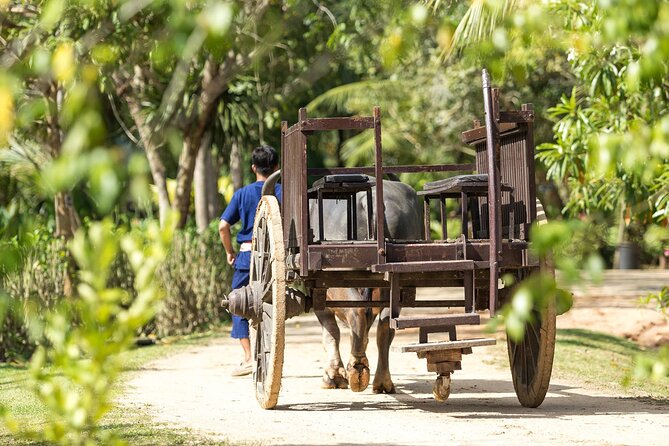
- Buffaloes: the animal that used to run the farm
- Rubber trees: from sap to sheets
- Rice fields: planting and harvesting methods you can visualize
- Tin panning: Phuket’s mining past shows up in the soil
- Pineapples and local produce: farm-to-mouth taste learning
- Traditional Thai house: coconut grating and curry paste-making
- Ending on site, with your day still open
- Price and value: why $36 can make sense for what you get
- What to expect from the guide and group vibe
- Who this tour fits best (and who might want to choose differently)
- Practical tips so your afternoon feels smooth
- Final verdict: should you book Old Phuket Farm?
- FAQ
- How long is the Old Phuket Farm tour?
- What does the ticket cost?
- Where do I meet the tour?
- What’s included in the ticket?
- Are meals included?
- What languages are the guides?
- Is there a skip-the-ticket-line benefit?
- Is there a child ticket?
- What’s the cancellation policy?
- Can I reserve and pay later?
Key things I’d circle before you go
You get the farm story in quick steps: buffaloes, rubber, rice, then food.
Hands-on activities are part of the program: tin panning and cooking prep are real try-it moments.
Phuket’s specific past shows up: tin panning connects farming land to the island’s mining era.
You’ll see how ingredients get used: pineapple and local produce show up in the tasting and cooking.
Guide quality seems to matter here: multiple reviews highlight clear English and a friendly teaching style (one guest singled out Bernie).
Old Phuket Farm is all about real work, not staged photos
If you think Phuket is just beaches and shopping malls, this kind of tour is a useful correction. Old Phuket Farm focuses on daily farm work as the core experience, not as a prop. In about two hours, you’ll cover the same basics that have shaped southern Thai diets and livelihoods for generations—rice, fruit, rubber, and the tools and animals that make it all happen.
What makes it work is the pacing. You’re not trapped in a classroom. You’re walking through different farming zones, then learning what you’re looking at, then doing a small version of it yourself. Even if your hands are clumsy at first, that’s part of the point: farming skills come from repetition, not talent.
The other big win is how guide-led the tour feels. Reviews praise professional teaching and clear explanations, and one guest specifically mentioned Bernie as a standout guide with excellent English and a warm style. That matters because the best cultural tours don’t just show you sights—they help you understand what those sights were built for.
You can also read our reviews of more tours and experiences in Phuket City.


Your 2-hour route: buffaloes, rubber tapping, and rice fields in sequence
This tour is built like a chain. Each stop explains a different piece of the same puzzle: how people in this region farmed, what they depended on, and how those tasks connect to food and everyday life.
Starting point and first impressions on the grounds
You meet at Old Phuket Farm and begin with a photo stop and a walk along the site. This is a smart way to start because you get bearings before you’re asked to pay attention. You can see the layout—rice fields, rubber trees, and cultivated areas—and that helps the later explanations make sense.
Even at the start, you’ll likely notice the vibe is more “working countryside” than “theme park.” That’s part of what keeps it authentic. It’s also why comfortable shoes help: you’ll be on your feet more than you would be on a bus tour.
Buffaloes: the animal that used to run the farm
The tour kicks off with buffaloes—an anchor point for understanding how traditional Thai agriculture relied on animal power. Buffaloes show up in stories, but here you also learn their role in the working routines farmers depended on.
Why this matters for you: it gives context. When you later see rice fields, planting methods, and harvesting routines, you can better imagine the effort behind the scenes. It’s easier to appreciate farming when you understand the labor system, not just the scenery.
Rubber trees: from sap to sheets
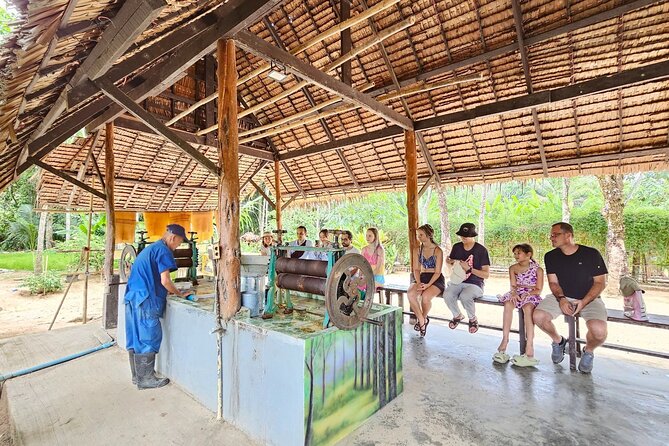
Next comes rubber tapping. You’ll watch the process of tapping sap and creating rubber sheets, which turns a natural resource into a material people can actually use and trade.
Rubber is a big part of southern Thailand’s agricultural economy, and this stop helps you connect “farm” with “industry.” You’re seeing how something from the tree becomes a finished product, and that’s valuable even if you’re not a tech or manufacturing person. It gives you a cleaner mental picture of where rural jobs lead.
Rice fields: planting and harvesting methods you can visualize
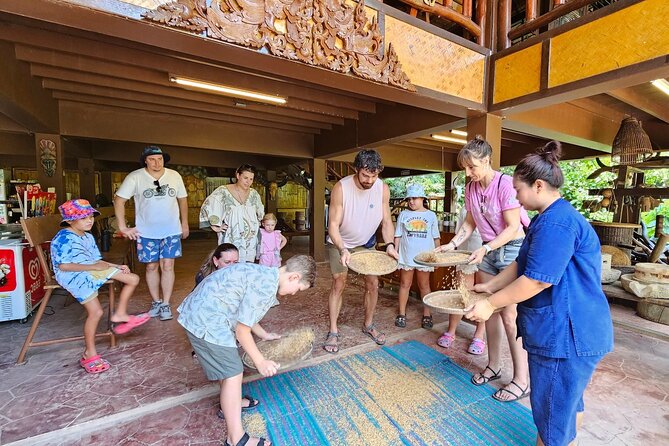
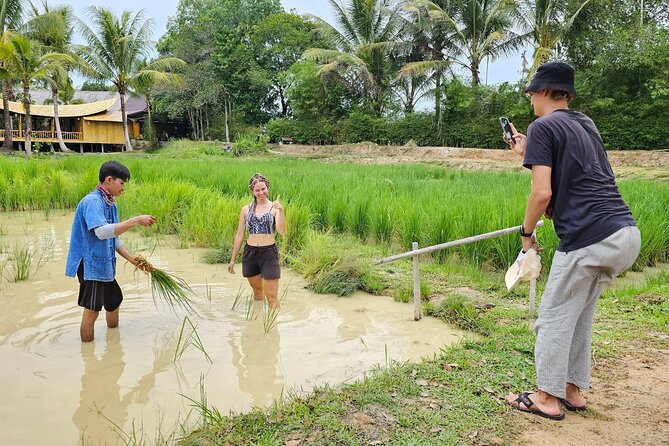
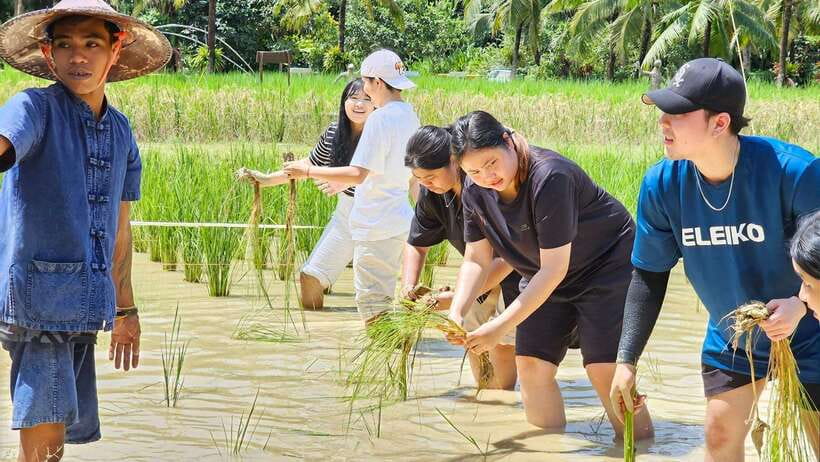
After rubber, you move to the rice fields, where you learn time-honored rice planting and harvesting methods. Rice is a staple in Asian cuisine, but the tour helps you connect rice on your plate to what happens in the field—timing, technique, and the rhythms of growing.
One practical benefit: you’ll understand why rice cultivation is treated as more than just farming. It’s seasonal planning and careful labor. Even if you don’t remember every term, you’ll remember the visual logic—why the fields look the way they do and how the process changes across stages.
Tin panning: Phuket’s mining past shows up in the soil
Then you try your hand at tin panning. This isn’t random “fun activity.” It connects to Phuket’s tin mining history, showing how the island’s economy wasn’t only about agriculture.
What you’ll likely enjoy here is the contrast. Rubber and rice are about growing life. Tin panning is about extracting what’s in the ground. Doing it yourself is where the connection clicks—your brain switches from “farming view” to “land history.”
It’s also a good reality check: extraction isn’t instant money. It’s slow, hands-on work, and that’s why even a short trial helps you understand the effort behind the stories.
Pineapples and local produce: farm-to-mouth taste learning
The tour wraps a farm story with a food story. You’ll savor Phuket’s famous pineapples and learn how they’re grown, along with other locally grown produce.
This part works best if you go in curious, not hungry. Try to notice texture and sweetness, then connect those sensations to what you were taught about cultivation. That small “taste + story” link is what turns a snack into learning.
Traditional Thai house: coconut grating and curry paste-making
One of the most popular segments is the traditional Thai house, where you observe coconut grating and curry paste-making using fresh farm ingredients.
This is the stop that turns the tour from viewing into participation. You’re not just being told what goes into Thai cuisine—you’re seeing the steps that create the base flavors. Coconut grating is physical and slightly messy (in a fun way), and curry paste-making gives you a feel for how fresh ingredients change the aroma compared to store-bought versions.
And if you care about Thai food as a travel souvenir, this is a strong one. You can actually carry the process home, even if you can’t replicate the exact farm sources.
Ending on site, with your day still open
The tour ends at the farm, leaving you free afterward. That’s useful on a Phuket day because you can still fit in beach time, a night market, or whatever else you planned. It’s not a full-day commitment, which makes it easier to justify even if you’re also doing island-hopping.
Price and value: why $36 can make sense for what you get
At $36 per person for about two hours, this isn’t the cheapest way to spend an afternoon—but it is a high-intensity one. You’re paying for a full guided experience that includes admission, an English guide, and full insurance.
Where the value comes from is the mix:
- Multiple farming zones, not one single stop
- Several hands-on activities (not just photos)
- A food-focused segment that ties agriculture to what you eat
- A guide who, based on reviews, explains clearly enough to be understood easily
Meals are not included, so don’t treat it like a full tour-with-lunch package. But if you already planned to eat separately, this can be a very efficient way to learn Phuket’s local life in a short time.
What to expect from the guide and group vibe

A recurring theme is that the guide style matters. Many reviews mention professionalism, warm welcome, and clear English. One review specifically calls out Bernie as a best-in-class guide. If you want your questions answered as you go, this type of guide-led tour is a good match.
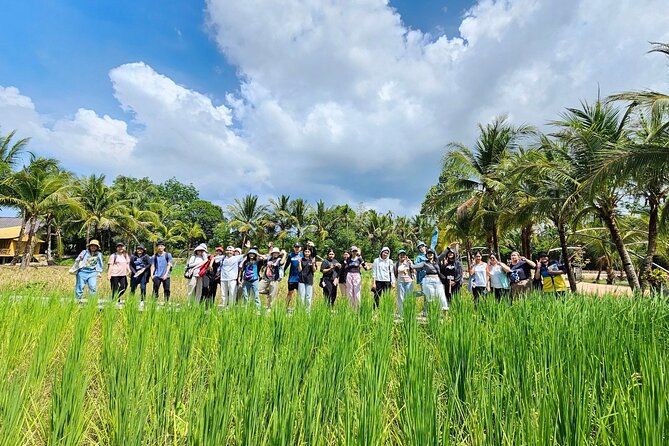
Group size also affects the experience. One guest mentioned a small group of about ten people, which usually means more time for interaction and less waiting around. Even if your exact group size varies, the structure is designed so you can join in during activities like curry paste-making and tin panning.
Who this tour fits best (and who might want to choose differently)
This is ideal for:
- You if you want countryside Phuket with a culture-and-food angle
- You if you enjoy hands-on experiences more than long explanations
- You if you like learning how everyday ingredients are grown and prepared
- You if you want something different from beach days that still fits into a normal schedule
It might be less ideal for:
- You if you’re expecting a long, deep agricultural workshop. Two hours is short, so you’ll get a strong overview and try-it moments, not a full training course.
Practical tips so your afternoon feels smooth
A few small choices can make a big difference for a farm visit:
- Wear shoes you don’t mind getting a bit dusty. You’ll be walking through farm areas.
- Bring a light layer. Even in tropical Thailand, shade and breezes can change the feel on the ground.
- If you get hungry fast, eat beforehand or plan to buy food on site. Meals aren’t included.
Final verdict: should you book Old Phuket Farm?
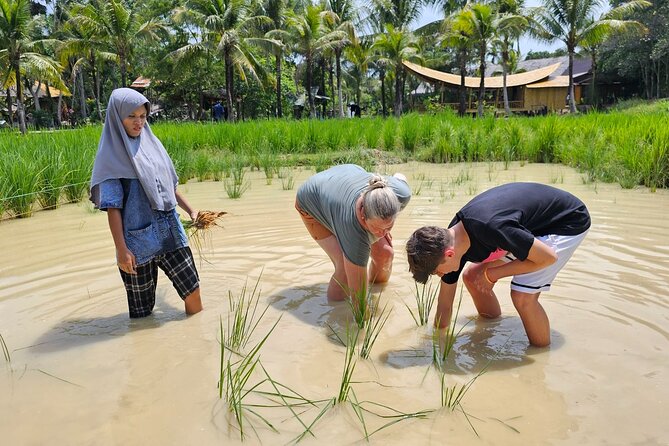
I think you should book Old Phuket Farm if your goal is to understand how Phuket’s people grow food and work the land, not just to collect a few photos. The best part is the sequencing—buffaloes to rubber to rice—then the hands-on farm tasks and the Thai cooking foundations. It’s short, active, and tied to real ingredients like pineapple and coconut.
But if meals are a must-have for you, treat this as a learning-and-activity tour, not a meal-inclusive one. Plan your food timing, and you’ll get a very satisfying slice of southern Thai farm life for the money.
FAQ
How long is the Old Phuket Farm tour?
The tour duration is 2 hours.
What does the ticket cost?
The price is $36 per person.
Where do I meet the tour?
You can come by yourself to the meeting point at Old Phuket Farm.
What’s included in the ticket?
Included are the admission fee, an English guide, and full insurance.
Are meals included?
Meals are not included.
What languages are the guides?
The tour is offered with English and Thai.
Is there a skip-the-ticket-line benefit?
Yes, the tour includes skip the ticket line.
Is there a child ticket?
Child ticket age is 4–11 years.
What’s the cancellation policy?
You can cancel up to 24 hours in advance for a full refund.
Can I reserve and pay later?
Yes, you can reserve now and pay later.