REVIEW · MENORCA
Menorca: Cheesemaking and Farm-Fresh Product Tasting
Book on GetYourGuide →Operated by Timonfaya Travel Lanzarote · Bookable on GetYourGuide
Cheese-making in Menorca feels hands-on. On a farm tour in Ferreries, you’ll learn Mahon-Menorca cheese and spend time with the animals before tasting what the farm produces.
What I like most is the chance to feed the cows and calves and help with milk moments for the baby calves. I also like the practical workshop side—making your own cheese and personalizing it so it can be sent after it cures.
One consideration: there’s no hotel pickup, drinks aren’t included, and you’ll be moving around for about 2.5 hours, so plan to arrive ready.
In This Review
- Key Things to Know Before You Go
- Getting to Quesos Sa Roqueta in Ferreries (and why location matters)
- Inside the Farm Tour: animals first, then the cheesemaking room
- How Mahon-Menorca Cheese Making Works (what you’ll actually do)
- Feeding cows and giving calves their milk (the best part for many people)
- Tasting farm-fresh products after the workshop
- Personalize your cheese and wait for the cured result
- The guide experience: Ivan, English/Spanish, and a tour that explains
- Price and value: is $67 worth 2.5 hours on a Menorca farm?
- Small group (max 6) and practical comfort tips
- Who this Menorca cheesemaking tour suits best
- Should you book the Menorca cheesemaking and farm tasting tour?
- FAQ
- Where does the tour start and end?
- How long is the Menorca cheesemaking tour?
- Is hotel pickup included?
- Are drinks included?
- How big is the group?
- What languages is the guide available in?
Key Things to Know Before You Go
- Hands-on Mahon-Menorca cheese making in the cheesemaking room
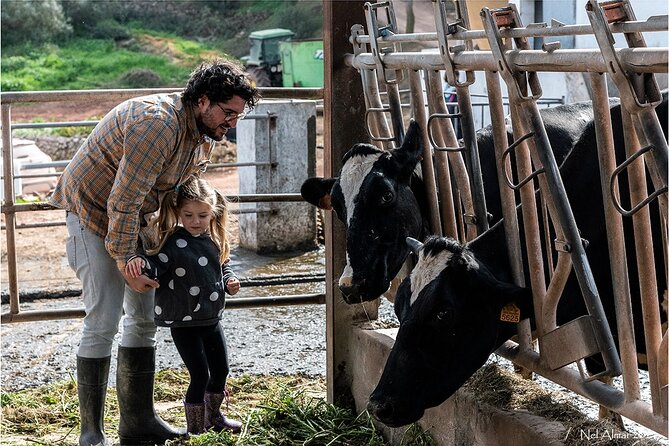
- Feed cows and give calves their milk as part of the farm time
- Small group size (up to 6) keeps the experience personal
- Personalize your cheese and have it sent after curing
- Farm products tasting after the workshop, made on-site
- English and Spanish guides, with a friendly, explain-it-well approach from Ivan
Getting to Quesos Sa Roqueta in Ferreries (and why location matters)
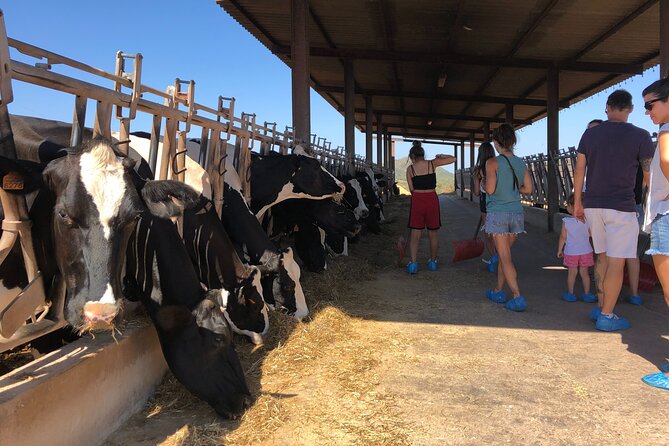
This experience starts at Quesos Sa Roqueta, and you’ll end back at the same meeting point. That’s actually good news. It means you’re not relying on a long pickup route or guessing where you’ll be dropped off later. You just show up at the cheese hub, then spend the next 2.5 hours learning how the farm turns milk into Menorca’s famous cheese.
The other practical upside: Ferreries is the kind of place where the day feels real. You’re not in a showroom. You’re at a working farm, where animals, routines, and production are part of the schedule. Even if you only have a short time on the island, this format gives you a focused taste of the countryside instead of a quick drive-by.
Do note the basics up front: no hotel pickup, and drinks aren’t included. If you tend to get thirsty while standing and walking, plan accordingly—bring water if it helps you, or grab something before you arrive.
You can also read our reviews of more tours and experiences in Menorca.
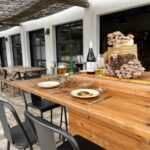
Inside the Farm Tour: animals first, then the cheesemaking room
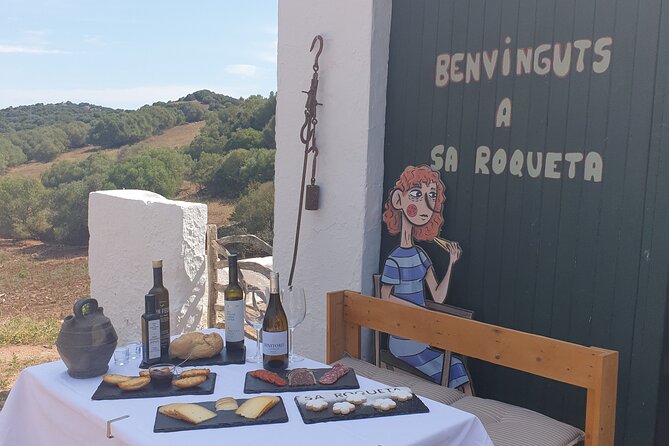
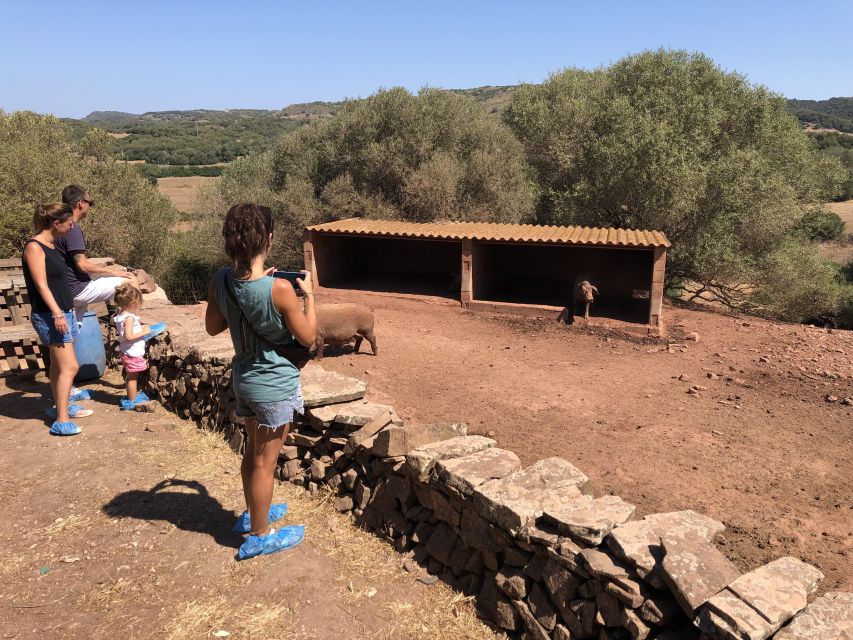
The flow is straightforward: you follow your guide around the farm, then you move into the cheesemaking area to actually make cheese. It’s a smart way to teach this craft. If you meet the animals and understand the farm’s rhythm first, the cheese process makes more sense afterward.
Expect a guided walk that covers traditional farming methods in Menorca and connects them to what you’ll do in the workshop. Then you’ll head into the production space—exactly where you want to be, because this is where you go from watching to doing.
The tour is small group by design—limited to 6 participants. In practice, that usually means you’re not competing for attention when questions come up, and you’re more likely to get a clear, calm explanation while you’re working with the process.
How Mahon-Menorca Cheese Making Works (what you’ll actually do)
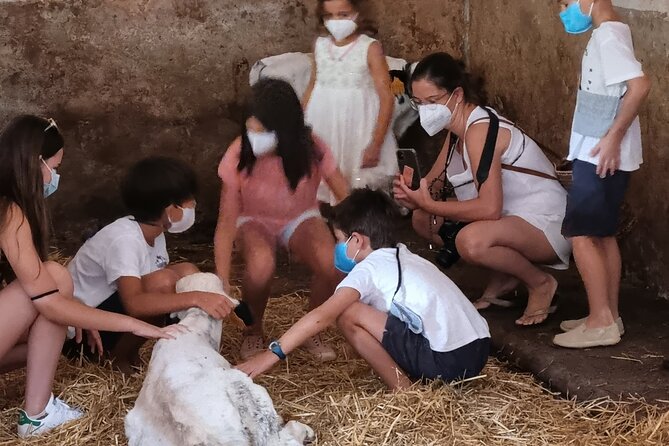
You’re here to learn how to make Mahon-Menorca cheese, and the key word is make. This isn’t only a tasting lesson. You’ll spend time in the cheesemaking room preparing your own cheese as part of the experience.
In simple terms, the workshop is about connecting the dots:
- what the farm produces
- how that becomes cheese
- and how you can participate directly instead of just observing
One nice detail from real participant experience: Ivan is specifically praised for guiding people through the cheese factory and explaining the farm and production clearly in both English and Spanish. That matters. If you’re going to do hands-on cheese work, you want instructions that are easy to follow—and it sounds like Ivan’s approach fits the moment.
Also, you’re not just making something and walking away. You get the chance to personalize your cheese. That gives the workshop a personal payoff, not just a fun activity.
Feeding cows and giving calves their milk (the best part for many people)
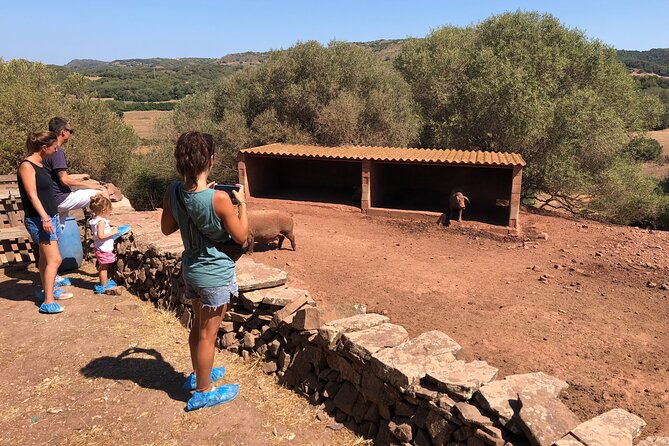
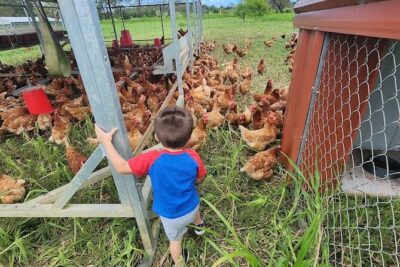
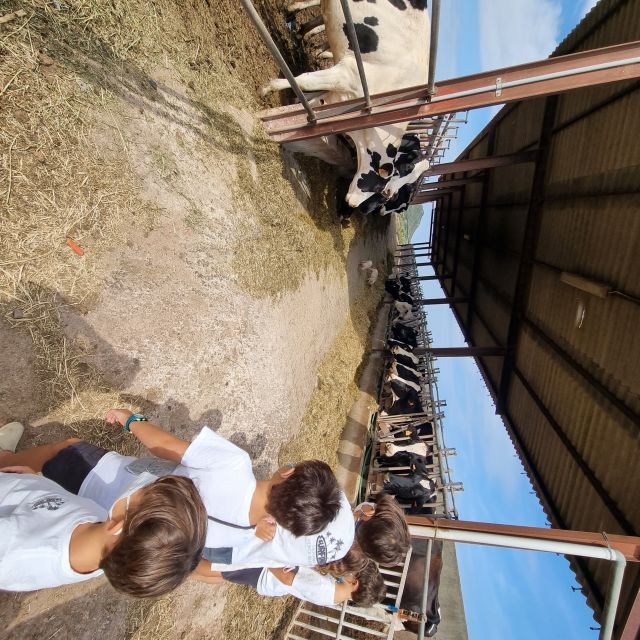
If you’re picturing a farm experience that stays safely behind a fence, adjust that expectation. This tour includes animal time that’s meant to feel close and participatory: feed the cows and give the calves their milk.
That’s the sort of “this is really happening” farm moment that people remember. It’s not only cute (though the calves do get a lot of attention). It’s also educational in an everyday way—you see the living side of dairy farming instead of only tasting the finished product.
Practical tip: plan to bring a small amount of patience for farm realities. Animals and schedules don’t run like a museum timetable. The payoff is that you get the real feel of the place.
And if you worry you’ll be standing around doing nothing while others “do the work,” this is one of the parts where you’re actively involved—feeding and milk moments are included in the experience highlights.
Tasting farm-fresh products after the workshop
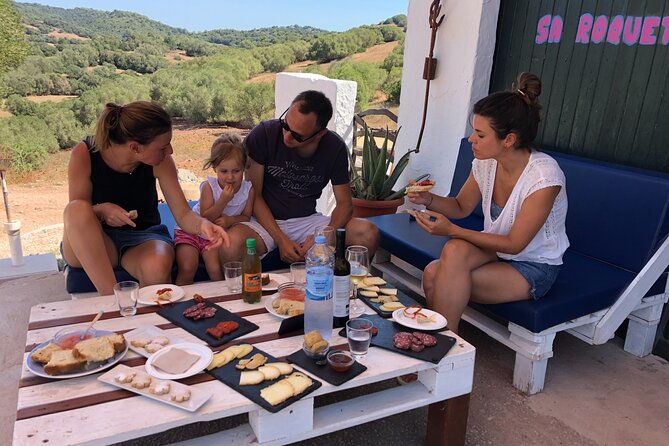
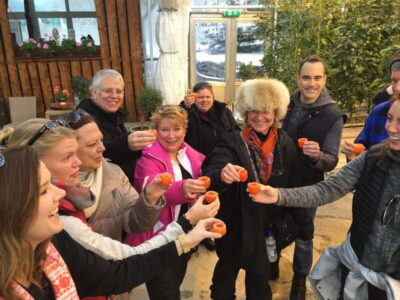
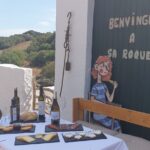
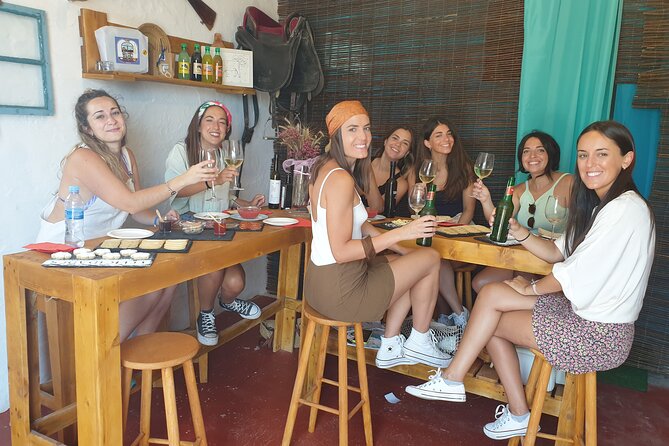
After the cheese-making, you’ll taste a variety of farm fresh delights made on-site. This is where the day finishes strong: you’ve learned (and made) something, then you get to taste what the farm produces.
A tasting portion like this is valuable because it helps you calibrate your expectations. You’ll likely notice differences that you wouldn’t catch if you only sampled cheese at random. And since the products are coming from the same farm you visited, the tasting feels connected rather than generic.
One thing to keep in mind: drinks aren’t included, so if you like pairing your bites with something, plan around that. Also, because this is a farm environment, tasting usually happens in a practical setting—not a fancy tasting room with table service. That’s not a drawback; it’s part of the charm. It feels like you’re part of the workflow.
Personalize your cheese and wait for the cured result
Here’s one of the most interesting elements: you don’t just make cheese today—you can personalize it and have it sent once it has cured.
That changes the value of the workshop. You’re paying for a hands-on experience now, but you’re also getting a longer-term souvenir with real food involved. For many people, that’s the difference between a “fun activity” and a story you can eat later.
What I’d advise: treat the cured cheese like a planned bonus. You won’t take it home immediately, so it’s not the kind of tour where you’ll walk out holding your entire purchase bag. If you want something you can eat right away, rely on the tasting portion during the 2.5 hours.
The guide experience: Ivan, English/Spanish, and a tour that explains
The quality of a cheese workshop lives or dies by the guide. Here, the tour host is praised—especially Ivan—for guiding people through the cheese process and farm areas with lots of interesting information. You also get English and Spanish support.
Why that matters: cheese making can sound technical if someone explains it like a lecture. A good guide helps you feel what’s happening in the room and why certain steps exist. Based on the tone of feedback, Ivan does that through clear guidance plus a sense of fun.
Also, because the group is limited to 6, the guide can likely slow down when questions pop up. That makes the experience more comfortable, especially if you’re traveling with mixed interests—some people want animals, some want the food science, and both can get what they came for.
Price and value: is $67 worth 2.5 hours on a Menorca farm?
At $67 per person for about 2.5 hours, you’re paying for several things at once:
- guided farm tour
- farm products tasting
- and the chance to make and personalize your own Mahon cheese, with it being sent once it cures
Cheese workshops can be pricey on their own, and animal time alone can be more limited at other places. This one bundles the farm access, the making, and the tasting.
What you should compare when deciding it’s worth it:
- If you’re the kind of traveler who learns by doing, this is a strong deal. You’re not only sampling—you’re participating.
- If you want a quick photo stop or mostly passive sightseeing, the price may feel steep for the time you’ll spend sitting (there’s not much sitting, and drinks aren’t included).
- If you like getting food souvenirs that aren’t just packaged in a shop, the personalized cheese that gets sent after curing adds real long-term value.
In short: the cost makes sense when you value hands-on food experiences and don’t need a hotel pickup or included drinks.
Small group (max 6) and practical comfort tips
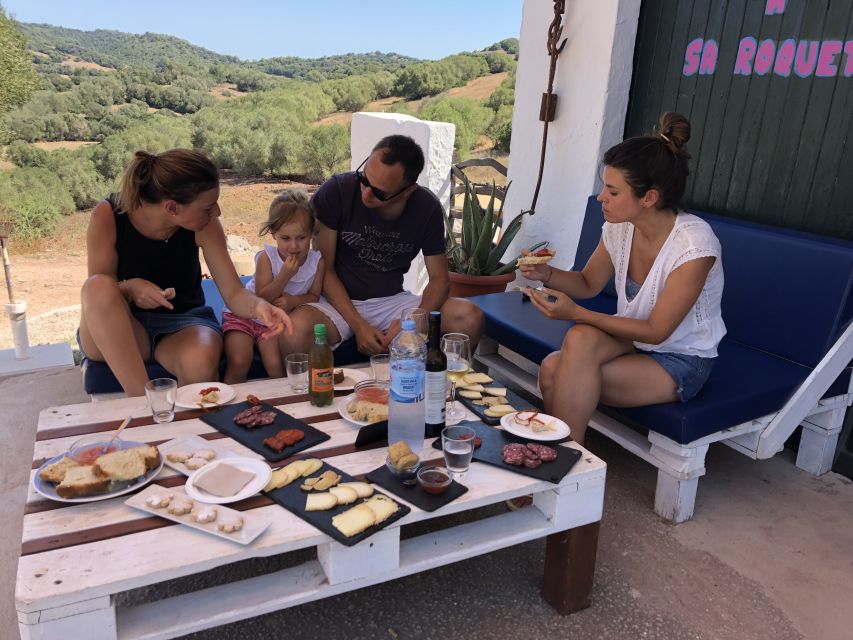
A small group limited to 6 participants is a big deal for a hands-on activity. It’s easier to manage in the cheesemaking room, and it’s easier to hear instructions when you’re close to the action.
The tour is also listed as wheelchair accessible, which is worth noting. Still, any farm setting can have uneven ground, so if mobility matters for you, it’s smart to plan with that in mind and confirm what the route looks like for your needs before you go.
A few practical travel tips that will make your life easier:
- Wear closed-toe shoes you don’t mind getting a bit farm-dusty.
- Keep your phone handy for the farm moments, but expect to focus on instructions during cheesemaking.
- Since drinks aren’t included, think about bringing your own water or having a drink before you start.
Who this Menorca cheesemaking tour suits best
This tour is a great fit if you want authentic Menorca farm life in a short window. It’s especially good for:
- Food lovers who want to understand where cheese comes from
- Families or groups who enjoy animal interactions (cows and calves are a major part of the experience)
- Travelers who like bilingual guides and clear step-by-step instruction
- Anyone who enjoys souvenirs you can actually eat later—because you can personalize cheese and have it sent after curing
If you’re mainly looking for beaches, nightlife, or big-city museum pacing, this will feel calmer and more hands-on than you expect. But if you like real-world production and rural routines, you’ll enjoy it.
Should you book the Menorca cheesemaking and farm tasting tour?
Yes—if you’re the type of traveler who likes to learn by doing, this is a strong booking. The big wins are hands-on Mahon-Menorca cheese making, feeding cows and calves, and a finish that includes farm tasting plus a personalized cheese that can be sent after curing. Add in a small group and a guide like Ivan who’s praised for explanation in English and Spanish, and you’ve got the ingredients for a memorable day that feels connected to the island.
Hold off if you need included drinks, prefer to be picked up from your hotel, or want a mostly passive experience. This tour is about work, learning, and farm time.
If you can get to Quesos Sa Roqueta and you’re excited to make cheese instead of just watch it, book it.
FAQ
Where does the tour start and end?
The tour starts at Quesos Sa Roqueta and ends back at the same meeting point.
How long is the Menorca cheesemaking tour?
The duration is 2.5 hours.
Is hotel pickup included?
No, hotel pickup and drop off are not included.
Are drinks included?
No, drinks aren’t included.
How big is the group?
It’s a small group, limited to 6 participants.
What languages is the guide available in?
The host or greeter speaks English and Spanish.