REVIEW · O GROVE
Ría de Arousa: Boat Ride to Mussel Farm with Tasting
Book on GetYourGuide →Operated by TURIMARES S.L. · Bookable on GetYourGuide
If seafood has ever made you curious, this boat tour fits. You’ll cruise the Ría de Arousa up close, then learn the real work behind mussels and oysters at the farm. I really like the guided mussel-farm tour (it’s practical, not just sightseeing), and I also like the hands-on tasting that comes right after the learning. One thing to consider: the experience is Spanish-led, so non-Spanish speakers may miss some of the narration.
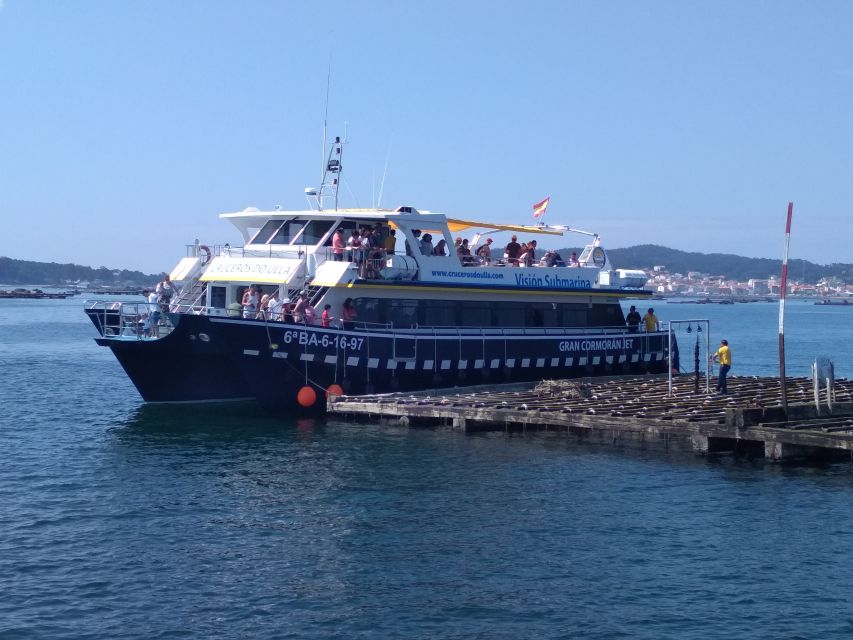
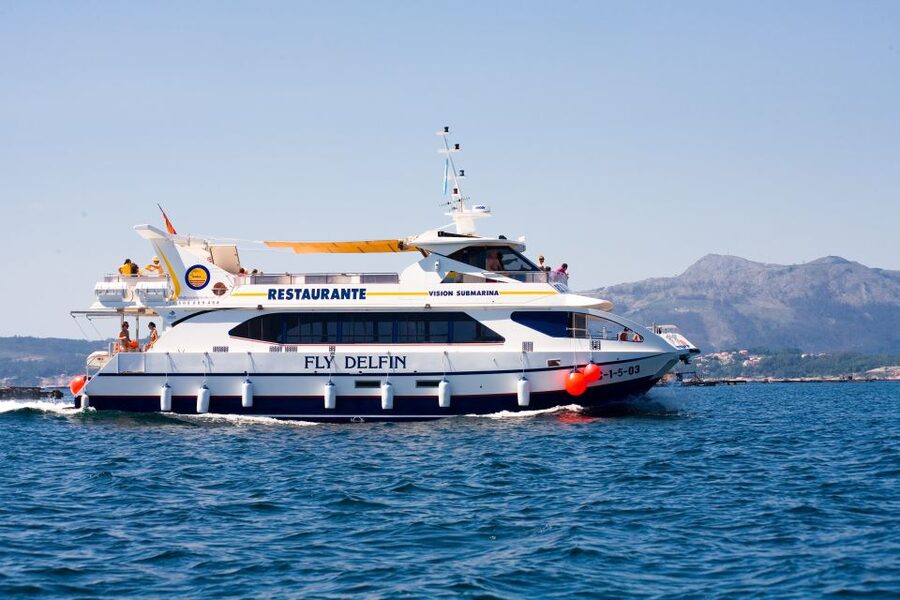
This is a smooth, compact outing—75 minutes on the water—with a lot packed in from the start. You depart from the Port of O Grove, ride through the estuary, visit cultivation areas (bateas), and even get a look at what’s under the boat using underwater vision. If you want the best views, show up early enough to snag the outside upper deck.
In This Review
- Key things I’d mark on your mental map
- Why Ría de Arousa mussel farms are worth your one-and-a-half hours
- From the Port of O Grove to the mussel-waterfront route
- Bateas 101: how mussels, oysters, and scallops are cultivated
- The boat’s underwater vision: seeing the seabed instead of guessing
- Steamed mussels and wine: what the tasting feels like
- Price reality check: is $23 a good deal?
- Language and comfort: who this suits best
- Practical tips so you don’t lose time at the start
- Should you book this mussel-farm cruise?
- FAQ
- How long is the boat and mussel-farm tour?
- What does the tour cost?
- Where does the tour operate?
- What food is included?
- What drinks are included?
- Is there a live guide?
- What languages are supported?
- Is the activity wheelchair accessible?
- Is hotel pickup included?
- What should I bring?
- What happens if weather is bad?
- Should you book this experience?
Key things I’d mark on your mental map
- Ría de Arousa by boat: real time on the water, not a quick photo stop.
- Bateas (cultivation parks): you learn how farming actually works in the estuary.
- Multi-shellfish focus: mussels, oysters, and scallops are all part of the explanation.
- Underwater vision: you can see the seabed area from the boat.
- Steamed mussel tasting with drinks: included, and it’s more substantial than you’d expect.
- Crew energy matters: the staff keep it moving and fun on the cruise back.
Why Ría de Arousa mussel farms are worth your one-and-a-half hours
Galicia’s estuaries feel like a world of their own—calm water, long coastlines, and fishing culture you can see in the infrastructure. This tour is built for people who want food and context in the same go. You don’t just eat seafood; you watch it being farmed, then taste it while it’s still connected to the story you just heard.
The value here comes from timing and format. At 75 minutes, you get a full mini-loop: cruise, guided farm learning, and a tasting. That’s ideal if you’re doing a busy northern Spain route and don’t want to spend half a day on logistics. And since the tasting is included, you’re not stuck hunting for lunch afterward.
From the Port of O Grove to the mussel-waterfront route
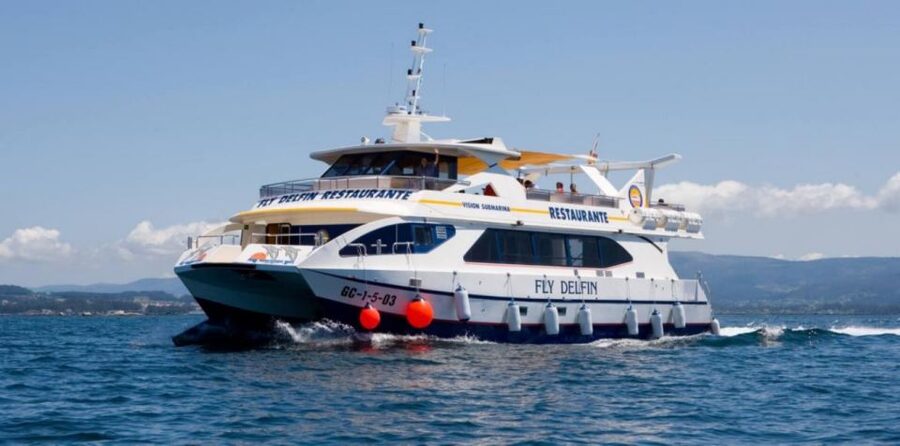
Your outing starts at the Port of O Grove. From there, you cruise along the Ría de Arousa, which is the heart of the scenery: water framed by coast, working coastline vibes, and a sense that the whole area is shaped by the sea.
On the boat, pay attention to two things. First, the staff’s rhythm: they keep the pace easy, with guided explanation and the general feel of a lively group. Second, your seating choice. One solid tip from real-world experience: if you care about the best views, arrive early enough to get seats on the outside upper deck. Otherwise, you’ll likely sit inside, which is fine—but the view will be less cinematic.
Even if you’re not a seafood expert, the cruise works because you’re learning while you’re moving. You’re not staring at a brochure; you’re watching the estuary unfold and preparing to understand the structures you’ll visit next.
Bateas 101: how mussels, oysters, and scallops are cultivated
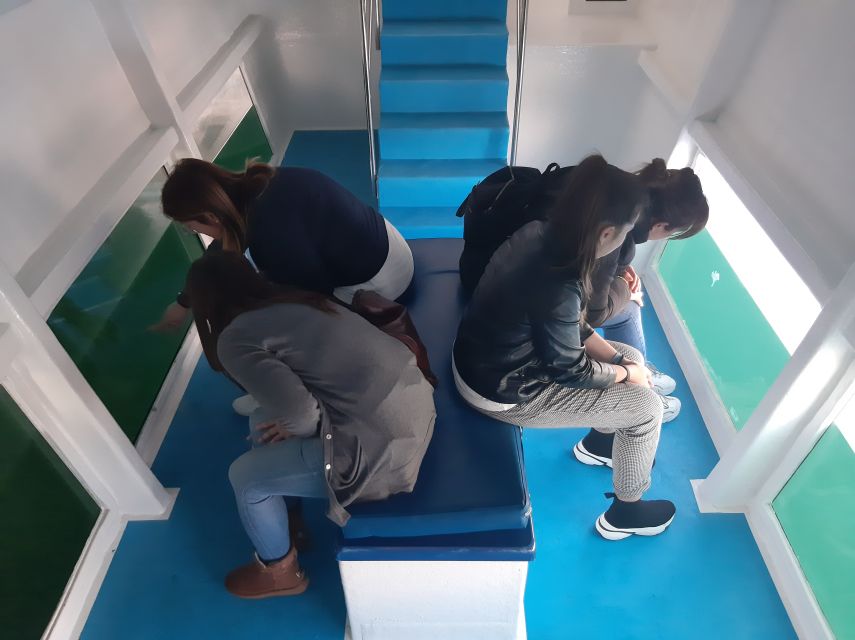
The core of the experience is the farm visit to the cultivation parks—called bateas. This is where the tour goes from scenic to educational. A live guide in Spanish leads you through what’s happening out there in the working water.
What you’ll learn isn’t “farming as a mystery.” You’ll get a clear picture of how these shellfish are grown in the estuary environment. And it’s not only mussels. The tour covers mussels, oysters, and scallops, so you walk away with a broader understanding of what “shellfish farming” means in this region.
Why that matters for you: when you eat shellfish later—at a restaurant or in a market—you’ll recognize the difference between a product that’s been managed versus one that just happened to reach your plate. This makes the tasting more than a snack. It turns into a quick lesson in what you’re tasting and why it’s fresher (and often more consistent) than you might expect.
The boat’s underwater vision: seeing the seabed instead of guessing
One of the most fun parts is the underwater vision feature. While you’re on the water, you can explore what’s underneath through a built-in view of the seabed area.
This is a small detail that changes the whole feel of the tour. Instead of imagining structures beneath the surface, you’re shown something tangible. For people who love photos, it also gives you a better “proof moment” than just looking at open water.
It’s also a great equalizer. Even if you don’t catch all the Spanish narration, the visual explanation helps you follow along. You’ll still get it.
Steamed mussels and wine: what the tasting feels like
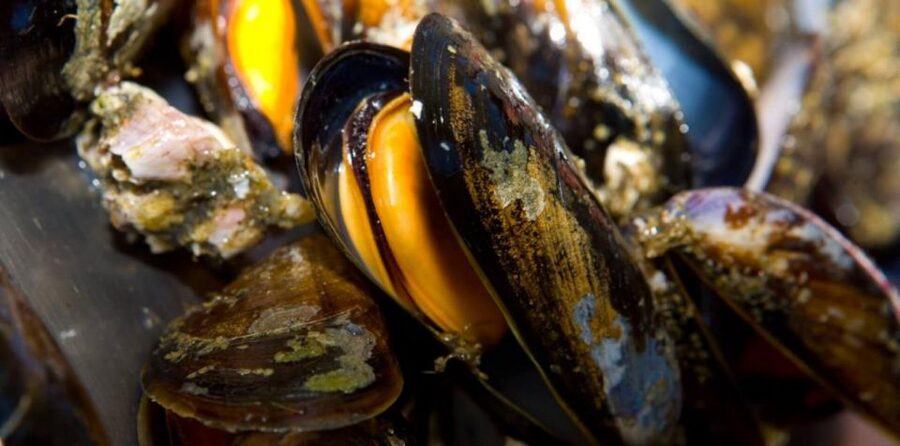
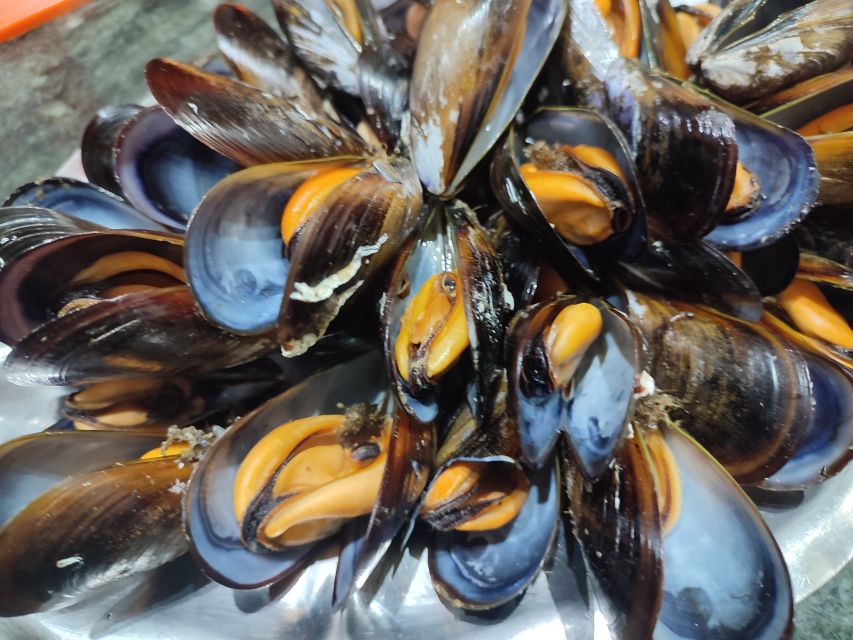
After the farm learning, you’re back on board for the tasting: steamed mussels with included drinks—wine, water, or soft drink.
Here’s what I like about this setup. It’s not a tasting that’s separate from the experience. It lands while the farm story is still fresh in your head, and you’re still close to where the shellfish comes from. That timing makes the food feel earned, not random.
Portion size can surprise you. One visitor described an unexpectedly large plate and even being served mussels twice. That’s a good sign for your budget because at $23 per person, you’re paying for a full boat experience plus a meal-style tasting, not just a sip-and-snack stop.
About the wine: the tour includes wine, and one passenger reported Albariño being served. Even if your trip serves a different local wine, expect something that fits the shellfish pairing tradition in Galicia.
Price reality check: is $23 a good deal?
Let’s be honest about value. $23 sounds straightforward, but the real question is what you get for it.
You’re paying for:
- a guided boat trip
- a guided tour of the cultivation parks
- a steamed mussel tasting
- included drinks (wine, water, or soft drink)
At the end, you’re leaving with both memories and context. If you were to book a boat cruise plus a food stop plus a guided explanation separately, the pricing would usually add up fast. Here, the tour bundles it into one compact session, which is why it earns such a high overall rating.
Also, the duration helps your planning. Seventy-five minutes is short enough to fit between other sightseeing blocks, and long enough to feel like more than a quick detour.
Language and comfort: who this suits best
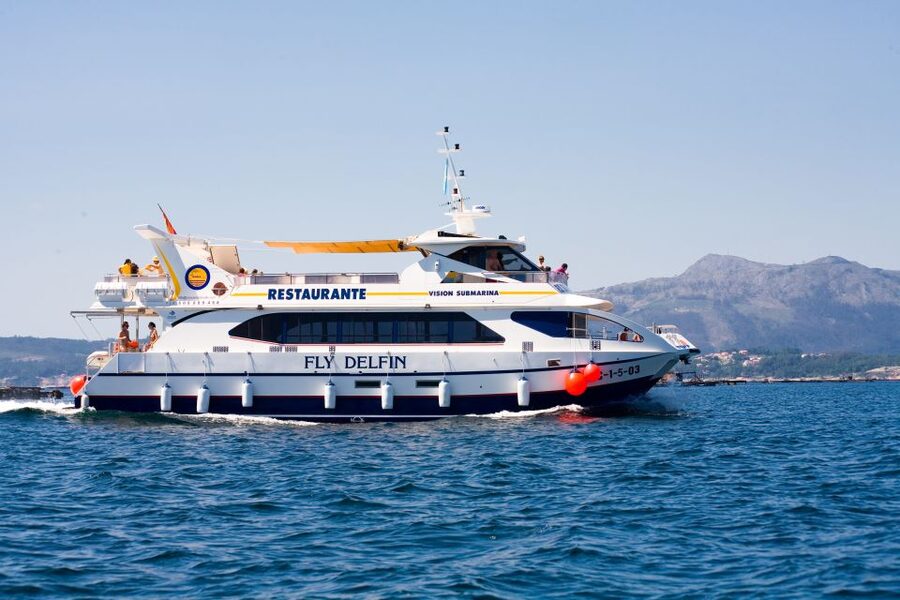
This tour is guided in Spanish. You’ll have the live guide, and that’s great for people who speak the language—or who just like watching how guides explain things on the water.
If you don’t speak Spanish, you’ll still get the visuals (underwater vision and the physical farm setting), but you may feel less connected to the details. A couple of practical cautions from real experiences:
- English support isn’t guaranteed.
- Some people found the narration format harder to follow amid boat noise.
As for comfort, think about seating. Outside upper deck is best for views, but you need to be early enough to get those spots. Inside cabin seating is more sheltered, just less scenic.
This is a solid match for:
- food-minded travelers who like learning
- couples and small groups who want a shared activity
- anyone staying in the Rías Baixas area and looking for a quick, local-feeling outing
It may be less satisfying if:
- you need explanations in English for every step
- you strongly prefer quiet experiences over a lively group atmosphere
Practical tips so you don’t lose time at the start
Small choices here make a difference.
- Bring your ID or passport. The tour requires it.
- Arrive early if you want outside deck seating. One experience tip: aim to be there before the 15-minute mark, not at it.
- Accept that weather can change things. Trips may be altered, modified, or canceled due to atmospheric or force majeure causes. So keep your schedule flexible if you can.
- Know it’s not a hotel pickup. You’re responsible for getting yourself to the departure area.
If you’re the type who likes to get your bearings fast, do a quick check of the meeting instructions ahead of time and give yourself extra buffer. Getting sorted early makes the whole cruise feel calmer.
Should you book this mussel-farm cruise?
I’d book it if you want an authentic, local seafood experience without turning it into a half-day project. The combo of boat time, bateas education, and an actual steamed mussels tasting is exactly the kind of practical Galician experience that fits well into a trip.
I’d skip or rethink if:
- you require non-Spanish instruction to fully enjoy guided tours
- you’re extremely view-sensitive and might arrive late (since outside deck spots matter)
- you’re traveling on days when you can’t adjust for possible weather changes
If you’re on the Rías Baixas route and you like learning what you’re eating, this is a fun, efficient way to do both.
FAQ
How long is the boat and mussel-farm tour?
The total duration is 75 minutes.
What does the tour cost?
It’s priced at $23 per person.
Where does the tour operate?
You cruise the Ría de Arousa and the activity is associated with the Port of O Grove.
What food is included?
You get a tasting of steamed mussels.
What drinks are included?
Wine is included, along with water and soft drink.
Is there a live guide?
Yes, there is a live tour guide who speaks Spanish.
What languages are supported?
The tour is offered in Spanish.
Is the activity wheelchair accessible?
Yes, it is wheelchair accessible.
Is hotel pickup included?
No, hotel pickup and drop-off are not included.
What should I bring?
Bring your passport or ID card.
What happens if weather is bad?
The trip may be altered, modified, or canceled due to atmospheric or force majeure causes that prevent completion.
Should you book this experience?
Yes—if you want a compact, locally focused outing that mixes scenery, farming knowledge, and a real tasting. For non-Spanish speakers, go in ready to rely on the visuals and the overall experience, not on detailed narration in every moment.