REVIEW · OIA
Santorini: Private Agri-Educational Visit to an Organic Farm
Book on GetYourGuide →Operated by Santorganics organic farm · Bookable on GetYourGuide
Santorini can be crowded, but the farm side feels calm and real. I love the organic black currant vineyard and the hands-on way you learn how their products are made, not just sold. I also love the taste lineup, especially the liqueur raisin and herb-focused olive oil. The one drawback to plan for is the walking—this is not a sit-and-watch tour.
This is a private, 2-hour farm visit built around Santorini’s dry-climate reality: herbs, capers, thyme, prickly pears, and black raisins. You’ll meet your guide, walk a few minutes along cobblestones to the estate, tour the facilities, and end with tastings and regional bites.
In This Review
- Key Takeaways Before You Go
- Why This Santorini Organic Farm Visit Feels Different From the Usual Tour Loop
- Walking There: The Cobblestone Route and What It Does to Your Timing
- Black Currant Vineyard and Herb Varieties: What Grows Here (and Why It Matters)
- Inside the Organic Facilities: Learning the Artisanal Processing
- The Cave for Natural Herb Drying: A Small Room With Big Meaning
- Tastings You Can Name: Liqueur Raisin, Infused Olive Oil, and More
- The Included Bites: Cookies, Breadstics, and Prickly Pear Juice
- What to Bring and How to Pace Yourself on Santorini
- Price and Value: What $56 Per Person Covers (and Why It’s Reasonable)
- Who Should Book This Private Farm Visit
- Should You Book Santorganics’ Organic Farm Visit?
- FAQ
- How long is the Santorini private organic farm visit?
- Is hotel pickup included?
- What tastings are included?
- Is this activity private?
- What language is the guide?
- How much walking is involved, and what should I wear?
- Are there toilets on site?
Key Takeaways Before You Go
- Meet the owners (Dimitris and Maria) and hear how they think about farming on a dry island.
- Walk through the black currant vineyard and local herb varieties like caper and thyme.
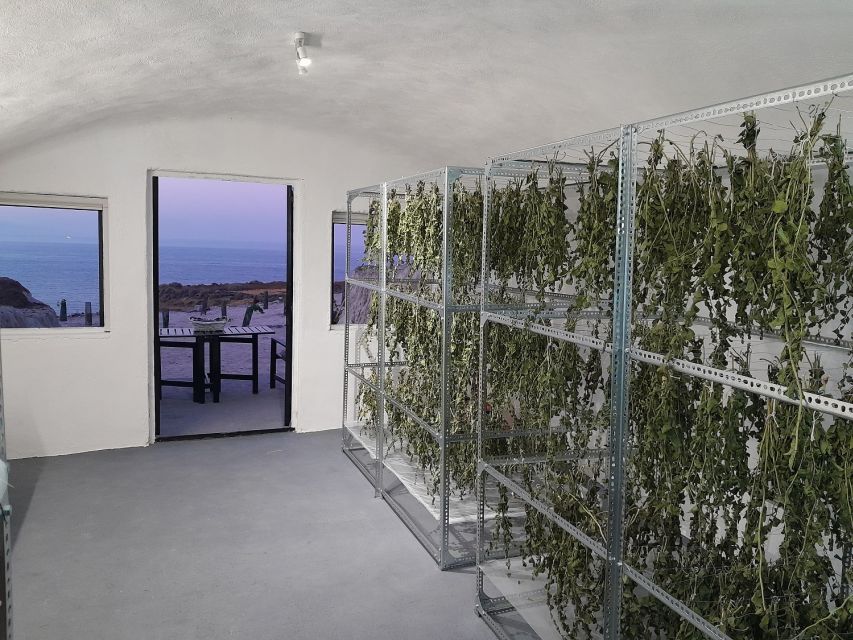
- See a cave used for natural herb drying, so you understand the process, not just the products.
- Taste LIQUEUR RAISIN and herb-infused olive oil, plus other organic treats.
- Try the farm’s prickly pear seed oil as part of the guided experience.
- Bring closed-toe shoes and a hat, because there’s moderate walking on uneven ground.
Why This Santorini Organic Farm Visit Feels Different From the Usual Tour Loop
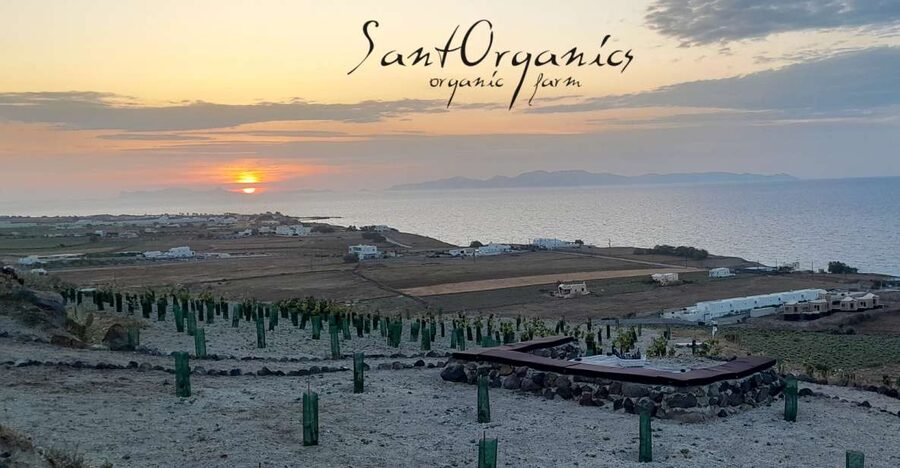
Most Santorini tours focus on views and photo stops. This one shifts your attention to something most cruise crowds never see: how people farm when water is scarce. On an island where you shouldn’t expect big vegetable rows, this estate leans into what thrives—herbs, prickly pears, capers, and black currant.
I also like the tone of the visit. It’s not a lecture hall. You’re treated as a “unique guest,” which matches the feel of a smaller, personal tour with time to look around and ask questions. And yes, the tastings are a big part of it, but they’re tied to what you just toured.
Walking There: The Cobblestone Route and What It Does to Your Timing
Your visit starts at a meeting point, then you hike only a few meters along cobblestone streets to reach the farm. That short walk matters more than it sounds: it sets the pace and gives you a quick transition from the island’s busier areas to the estate’s calmer rhythm.
The route includes scenic viewpoints, and depending on when you book, you may be there around sunrise or sunset. Either way, plan on taking your time during the walking sections. This activity is listed as moderate walking, and it’s on grounds that aren’t designed for flip-flops.
Practical tip: wear shoes with grip. You’ll be on uneven outdoor surfaces, and you’ll want stable footing when you’re stopping to look and listen.
Black Currant Vineyard and Herb Varieties: What Grows Here (and Why It Matters)
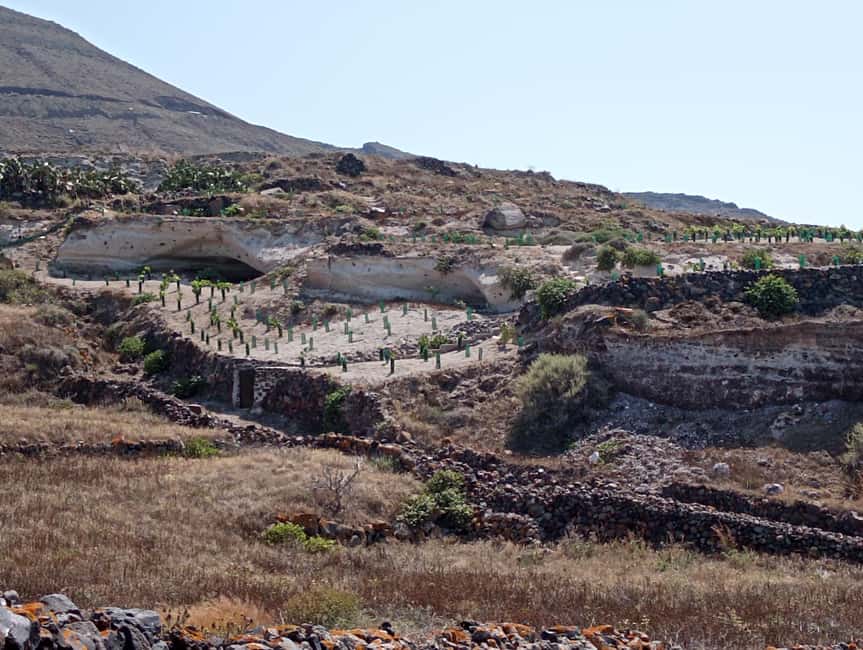
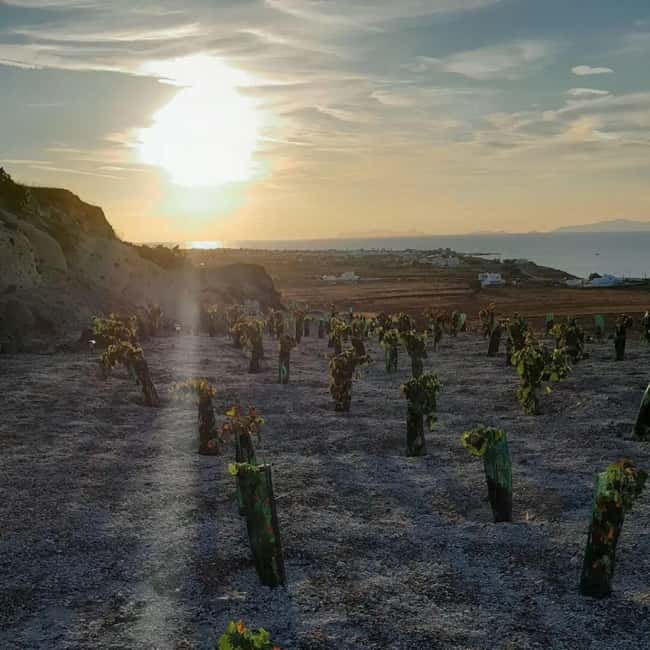
The main garden walk is through the black currant vineyard—described as the first organic black currant vineyard on Santorini. That’s a useful detail, because it helps you understand why the farm focuses on a specific lineup instead of trying to be a general “vegetable farm.”
As you stroll, you’ll also see local herb varieties, including caper and thyme. If the timing is right, the guide may suggest that you can even pick some and taste them. Don’t count on harvesting every time—this part depends on the season—but knowing it’s possible makes the farm visit feel more alive.
Here’s what you’ll likely notice as you walk: this isn’t farming that looks flashy from far away. It’s practical, adapted to the island’s dry conditions. That’s the point. You’ll leave with a better sense of how people work with the land they have instead of trying to force it into something else.
Inside the Organic Facilities: Learning the Artisanal Processing
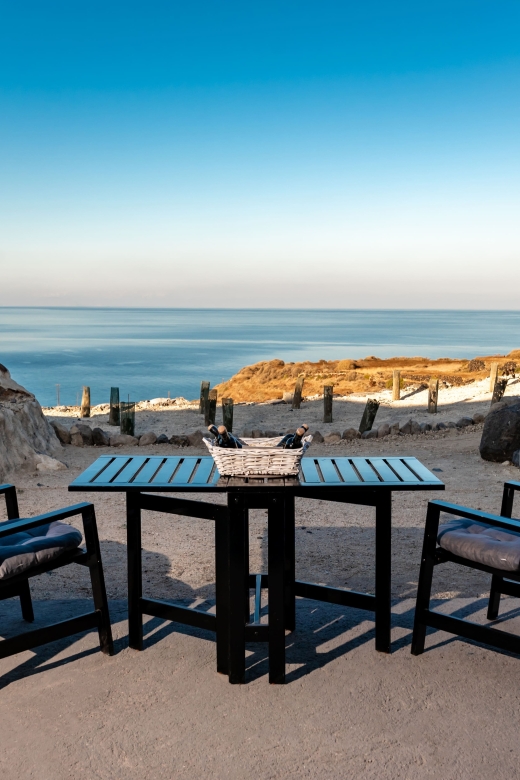
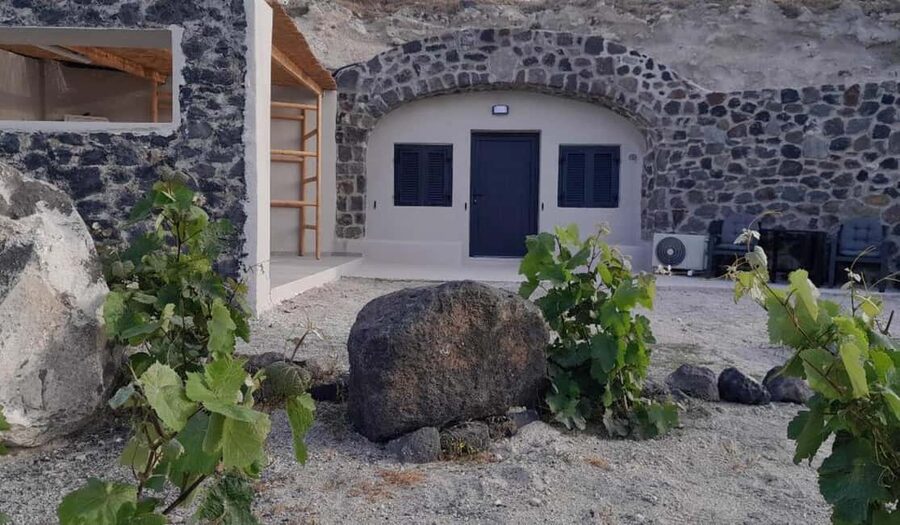
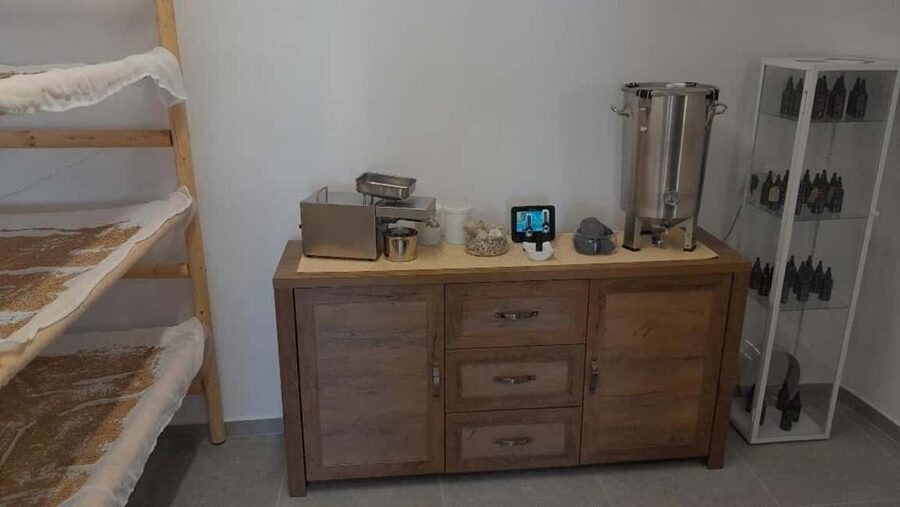
After the vineyard and herb areas, you’ll head to the farm’s working facilities with a private guide. You’re not only looking at plants—you’re learning how they turn harvest into products.
The tour is guided, and you’ll get context on the artisanal processes behind:
- their plant-based ingredients
- their production steps
- how the farm manages natural drying and storage
There’s also time built in for moving slowly, looking around, and taking in the feel of the estate. That “free time” component is a good balance. You get structure from the guide, but you’re not rushed through everything like you’re in a showroom.
One note from the overall vibe: don’t come expecting a classic vegetable farm. The island’s climate is too dry for that style, so the experience is centered on what the estate can grow and process successfully.
The Cave for Natural Herb Drying: A Small Room With Big Meaning
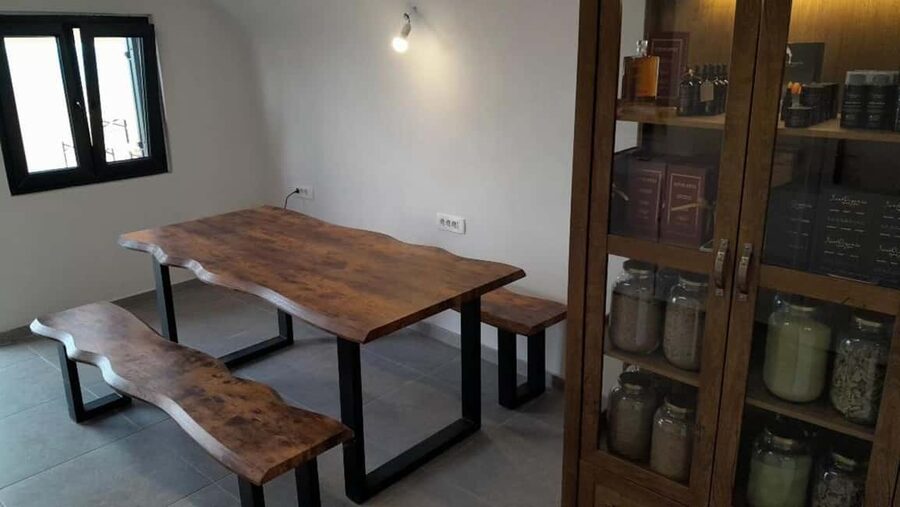
One of the coolest parts is stepping into a cave that’s used traditionally for the natural drying of herbs. This is one of those details that turns a tasting into something you can actually picture.
You’ll learn about the stages of harvesting and production in the natural drying area—how herbs go from fresh plant to dried ingredient using the cave environment. That gives you a more grounded appreciation of flavors later on, because you’ve seen the work that happens between “picked” and “served.”
If you’re the type who likes understanding how food changes in real conditions, this stop will click. It’s not just a novelty cave. It’s part of how the farm makes its whole product line work.
Tastings You Can Name: Liqueur Raisin, Infused Olive Oil, and More
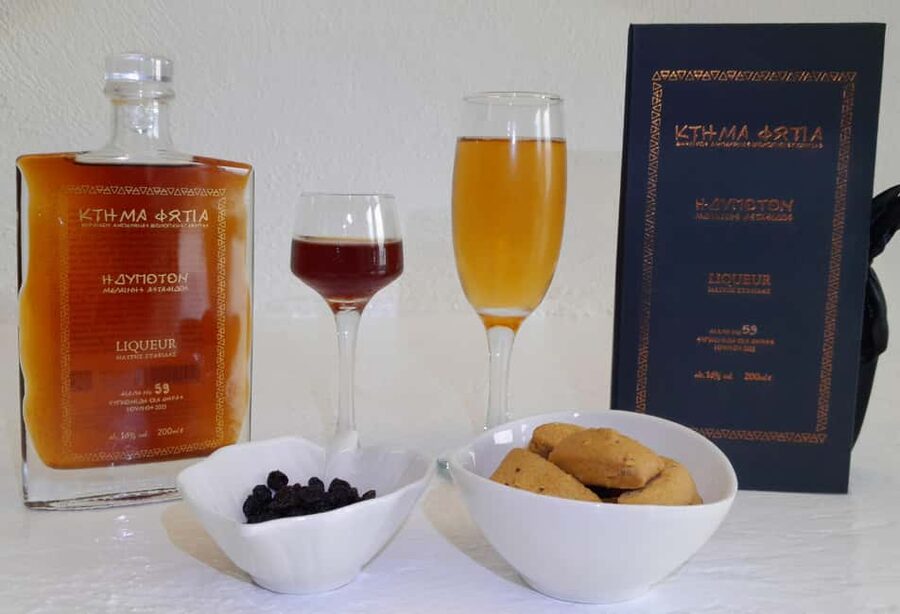
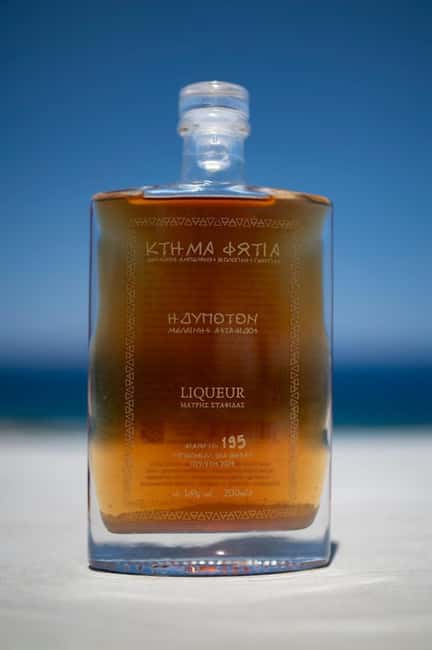
The tasting portion is where the visit becomes memorable—and easy to talk about later at home. You’ll sample LIQUEUR RAISIN and herb-infused extra virgin olive oil, paired with regional bites.
Here’s what makes these tastings valuable for your brain, not just your palate: each item connects back to something you saw earlier. The black currant vineyard links naturally to the liqueur raisin. The herbs you walked past connect to the infusion style in the olive oil. That cause-and-effect makes the experience feel coherent rather than random “food sampling.”
You’ll also get introduced to the farm’s organic prickly pear seed oil. This is a great chance to see what “agri-educational” means in practice. Instead of only talking, the tour gives you a chance to taste and learn what’s special about the farm’s niche products.
The Included Bites: Cookies, Breadstics, and Prickly Pear Juice
Along with the farm’s liquids (liqueur and infused olive oil), you’ll get organic snacks that keep the tasting grounded.
Included items are:
- organic must cookies
- organic cereals breadstics
- organic no-sugar prickly pear juice
- almond rusks
I like this mix because it covers different textures: crisp breadstics, cookie sweetness, and a fruit-forward drink. It also prevents the tasting from feeling like it’s only about one strong flavor.
If you’re trying to travel lighter, this is another win. You don’t need to hunt for a separate snack stop after. The included bites help you treat the visit like a real mini-meal.
What to Bring and How to Pace Yourself on Santorini
This tour is practical about what you’ll need:
- Sun hat
- comfortable clothes
- closed-toe shoes
Also expect you’ll be walking on uneven ground outdoors. If you need help with walking, there’s a hiking baton available.
Heat matters on Santorini, even on days that feel breezy. If you’re doing this in the warmer part of the day, plan to drink water before and bring a little layer for shade when you’re moving between sun and cooler spots (like the cave).
One more small rule: smoking isn’t allowed, and alcohol and drugs aren’t allowed during the activity. So if you’re thinking this is a casual “farm party,” it’s not that. It’s educational and tasting-focused, with clear boundaries.
Price and Value: What $56 Per Person Covers (and Why It’s Reasonable)
At $56 per person for about 2 hours, you’re paying for a private guide experience plus multiple tastings. The value isn’t only the price tag—it’s what’s included.
For your money, you get:
- a private tour guide
- guided access to the farm facilities
- tastings of liqueur raisin and infused olive oil
- organic snack items (cookies, breadstics, prickly pear juice, almond rusks)
- an introduction to prickly pear seed oil
- time to explore the estate and learn how production works
Compared with many Santorini experiences that show you a view and send you off, this gives you more “inputs”: context, process, and multiple taste points. It’s also a nice antidote if you feel like the island can be too commercial.
If you’re traveling with someone who enjoys food, process, or small-group learning, this price starts to feel even more fair because you’ll get more conversation time than big group tours.
Who Should Book This Private Farm Visit
This one fits best if you:
- want something less touristy than the typical Santorini loop
- enjoy food and want to understand how flavors are made
- like quieter experiences where you can ask questions
- are comfortable with moderate walking
It’s also a good choice if you’re at all curious about Santorini’s dry-climate farming. The estate’s focus on herbs, capers, thyme, prickly pears, and black currants is a story you can feel in the tastings.
On the flip side, it’s not suitable for people with mobility impairments or wheelchair users, and it’s also listed as not suitable for people with heart problems, epilepsy, low fitness level, visual impairments, or people over 95. If any of those apply, you’ll want to choose something else.
Should You Book Santorganics’ Organic Farm Visit?
Yes—if you want a more grounded look at Santorini, book it. The combination of a vineyard walk, herb drying cave, and structured tastings makes the experience feel complete. And meeting the owners, Dimitris and Maria, adds that rare human layer: passion tied directly to day-to-day work.
I’d skip it only if you need a very low-walking option or if you’re mainly chasing scenic viewpoints and don’t care about farm production. For everyone else—this is exactly the kind of stop that gives your trip a different flavor (literally and figuratively).
FAQ
How long is the Santorini private organic farm visit?
It lasts about 2 hours.
Is hotel pickup included?
No, hotel pickup and drop-off are not included.
What tastings are included?
You’ll taste LIQUEUR RAISIN and infused extra virgin olive oil, plus organic snacks like must cookies, cereals breadstics, organic no-sugar prickly pear juice, and almond rusks. You’ll also be introduced to organic prickly pear seed oil.
Is this activity private?
Yes, it’s a private group.
What language is the guide?
The live tour guide speaks Greek and English.
How much walking is involved, and what should I wear?
There’s a moderate amount of walking. Bring a sun hat, wear comfortable clothes, and wear closed-toe shoes. A hiking baton is available if needed.
Are there toilets on site?
WC/toilets facilities are not included.