
REVIEW · PIANO DI SORRENTO
Sorrento: Authentic Lemon Experience in a Farm with Tastings
Book on GetYourGuide →Operated by Naples Together · Bookable on GetYourGuide
Fresh lemon scent beats any souvenir shop. This is a hands-on Sorrento lemon experience where you pick fruit yourself, then turn it into drinks and spreads you can actually taste, not just read about. I especially like the working-farm feel and how the guide ties the flavor to real growing methods you can see.
One thing to consider: if you have citrus or alcohol allergies, this outing may not be for you since lemon is central and the tasting includes limoncello.
In This Review
- Lemon Farm Meets Tasting: What Makes This Sorrento Experience Worth 1.5 Hours
- Start Point at Aranceto Storico: Simple Logistics, Then Real Countryside Time
- Inside the Lemon Groves: How You Pick Sorrento Lemons Like a Pro
- Your Lemonade Moment: From Handpicked Fruit to a Glass You Made
- Limoncello and Homemade Marmalade: The Flavor Map of Sorrento
- Meet the People: Small Group Pace and Guides Like Francesca and Sophia
- Taking Lemons Home: A Souvenir That Actually Works
- Price and Value: What $73 Buys You in Real Experiences
- Who Should Book This Lemon Experience (and Who Should Skip It)
- Should You Book Sorrento’s Authentic Lemon Farm Tastings?
- FAQ
- FAQ
- How long is the Sorrento lemon farm experience?
- How many people are in the group?
- Where does the experience start?
- What’s included in the price?
- Is the tour guided in English?
- What should I bring?
- Can I take lemons home?
- Is the experience suitable if I have citrus allergies or alcohol restrictions?
- Is there parking available near the meeting point?
- What if my plans change?
Lemon Farm Meets Tasting: What Makes This Sorrento Experience Worth 1.5 Hours
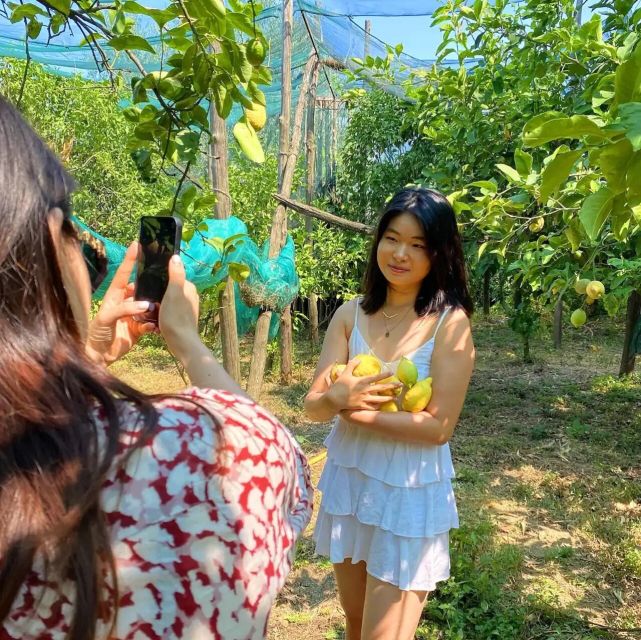
This doesn’t feel like a fast “sampling stop.” It’s built like a short, focused lesson in how Sorrento lemons go from tree to glass. You spend your time outdoors in the countryside area around Piano di Sorrento, then you get to taste what those lemons become when locals actually use them.
The biggest value is the combo: picking plus making plus tasting. A lot of food experiences stop at one piece. Here, you do all three, so you leave with a stronger sense of what makes Sorrento lemons special in the first place.
You also get a small group setting, capped at 10 people. That matters because it keeps questions from turning into a lecture you can’t hear, and it gives your guide room to explain the steps clearly.
Start Point at Aranceto Storico: Simple Logistics, Then Real Countryside Time
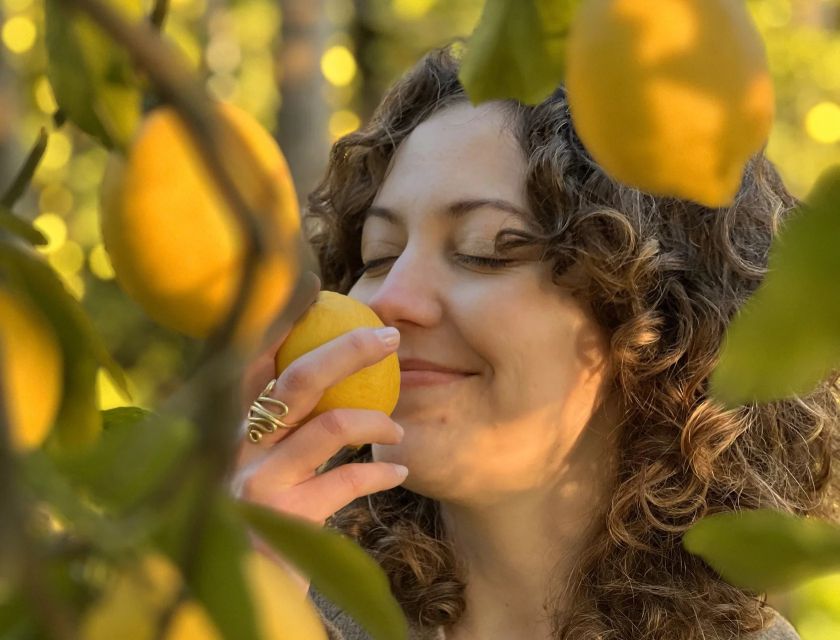
You’ll meet the staff at Aranceto Storico in Piano di Sorrento, at Via dei Platani, 12. Show your voucher when you arrive, and aim to be there about 10 minutes before the departure time so you don’t feel rushed before you head into the farm area.
Parking is available internally for free, which is a nice practical detail if you’re renting a car or using a local taxi drop-off. The rest of the experience is short enough that once you’re on-site, you’re basically moving from greeting to activity without long waiting.
What to wear is not an afterthought here. Comfortable shoes matter because you’ll be walking in an active farm setting, and the sun can be real when you’re standing and learning outside. Bring sunglasses, sunscreen, and a sun hat if you get sun easily.
You can also read our reviews of more tours and experiences in Piano Di Sorrento.

Inside the Lemon Groves: How You Pick Sorrento Lemons Like a Pro
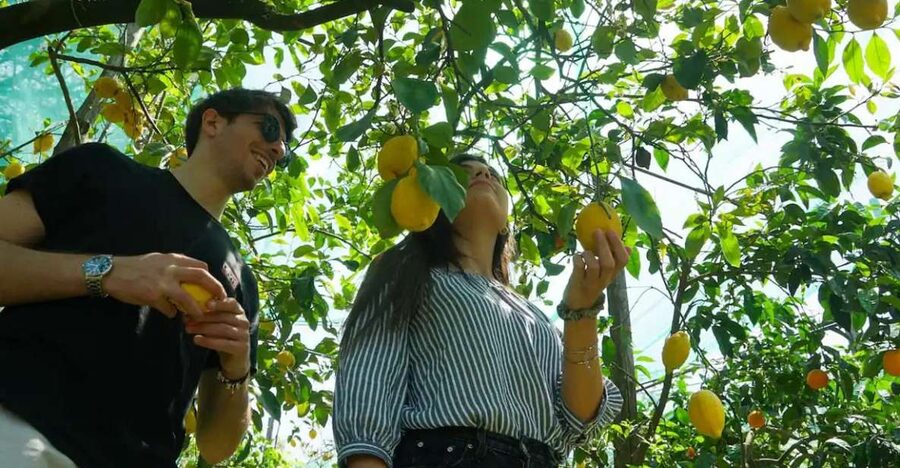
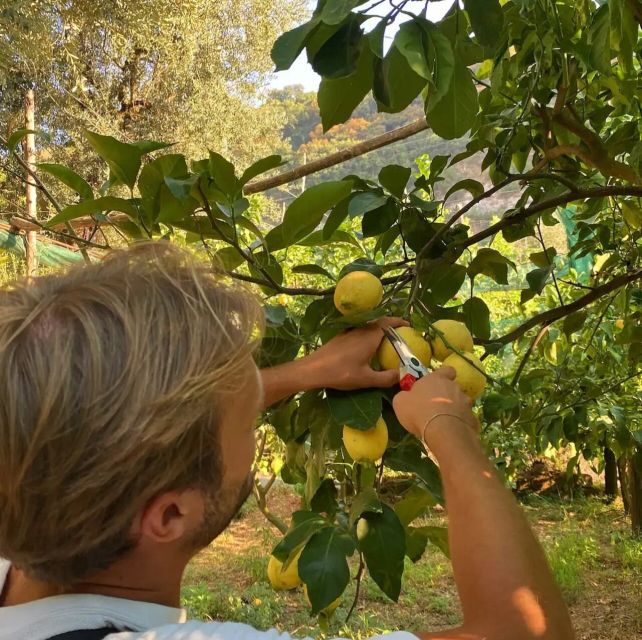
The farm portion is where the experience earns its keep. You’re given a basket and special pruning scissors, then guided through the lemon groves to handpick fresh fruit straight from the trees. It’s not just for show. You’ll learn how to select lemons properly, so your fruit isn’t random—it’s chosen with purpose.
As you walk, you get the sensory part too: the smell of ripe citrus and the presence of blossoms in the farm environment. That matters more than you’d think. Lemon flavor isn’t only about juice. It’s about oils in the peel, the ripeness of the fruit, and the growing conditions that help create that signature Sorrento taste.
You’ll also pick up context about cultivation and what makes these lemons world-famous. You don’t need to be a gardening expert to understand it. The guide’s job is to connect the growing story to the flavor you’ll taste later.
One practical tip: take a moment after picking to look at the lemons you chose. If you’re bringing some home, you’ll want fruit that looks healthy and feels solid, since you’ll treat them like a real souvenir rather than just taking pictures.
Your Lemonade Moment: From Handpicked Fruit to a Glass You Made
After you’ve gathered your lemons, you move into the hands-on part: making lemonade. This is where you go from tasting “Lemon = lemon” to tasting differences you can actually notice.
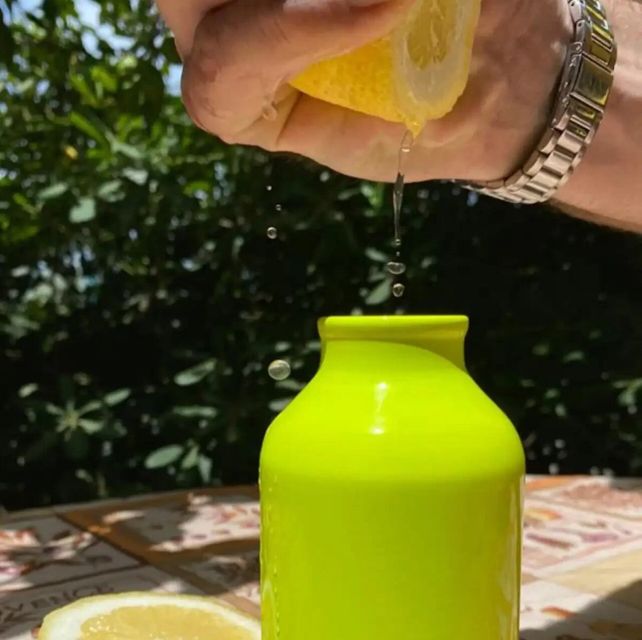
You’ll squeeze and mix your fresh citrus with natural ingredients to create homemade lemonade. The key point is that it’s made from the fruit you picked. That simple detail changes how you experience the drink. You don’t just taste lemonade; you compare it to the moment you selected the lemons and the smell you noticed while harvesting.
This step also helps you understand why Sorrento lemons are so prized. The flavor comes through in a clean, refreshing way rather than tasting flat or overly sour. You get the sweetness and the tang working together, and you can feel how the citrus oils contribute to the aroma.
If you’re a fan of drinks that taste bright without being artificial, this part is the payoff. Even if you think you know lemonade, making it from fresh picked fruit gives you a reality check.
Limoncello and Homemade Marmalade: The Flavor Map of Sorrento
No lemon experience in Sorrento is complete without tasting the classics. After lemonade, you’ll enjoy local tastings of limoncello and homemade marmalade made using traditional recipes.
This is more than dessert. It’s a “flavor map” of how the same fruit shows up in different forms.
- Limoncello shows the lemon character in a liqueur format, so you get stronger aroma and punch.
- Homemade marmalade shows the fruit through cooking and sweetness, where the citrus becomes rounder and more spreadable.
One of the best values here is that the limoncello you taste tends to land closer to the real deal than the bottles you might see in tourist strips. People often find it smoother and more lemon-forward when it’s tied to a small producer or farm context, and that matches the vibe of this experience.
Also, you’ll learn how these traditions connect back to the lemon groves. The farm story doesn’t stay stuck in the trees. It follows you into the tasting table.
Meet the People: Small Group Pace and Guides Like Francesca and Sophia
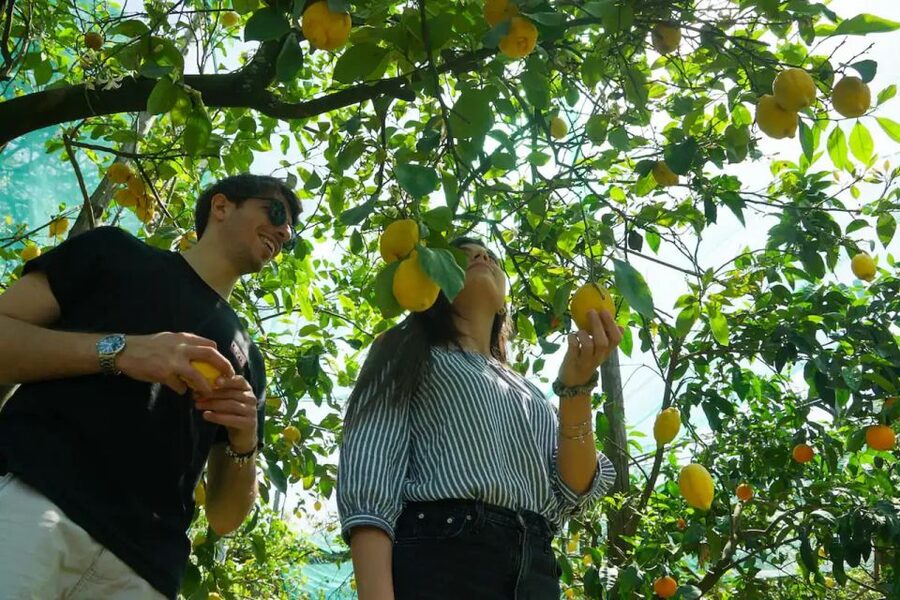
I like tours where the guide feels like part of the experience instead of standing apart from it. In this one, your guide leads the lemon picking and the tasting, and the setting stays friendly and conversational.
In particular, guides like Francesca and Sophia come up in the feedback for being both informative and genuinely welcoming. You’ll likely appreciate that style if you don’t want a rigid script. The group size helps too. With up to 10 people, you get a chance to ask questions and actually hear the answers.
A big reason the atmosphere works is that you’re doing this at a real working farm. That means you’re not just touring an attraction—you’re meeting people who care about their fruit and how it’s handled. You’ll also learn from the farmer side of the operation, which is what keeps the experience from feeling purely commercial.
Taking Lemons Home: A Souvenir That Actually Works
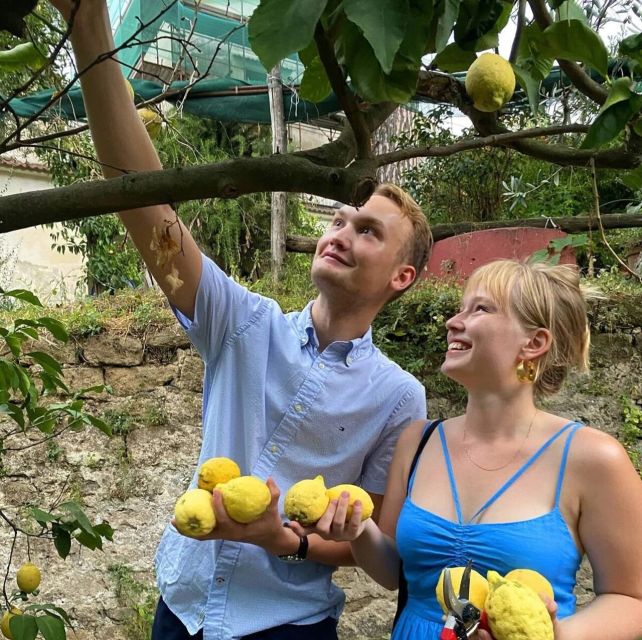
A lot of food souvenirs are nice to bring back but hard to use. Here, you get freshly picked lemons to take home. That turns the souvenir into something practical: you can use them in cooking, baking, drinks, or whatever your kitchen allows.
This is where the experience becomes longer-lasting than a single tasting session. You’re not just bringing home a bottle. You’re bringing home fruit that carries the scent and oils you just learned to appreciate in lemonade and marmalade.
If you plan to travel soon after the tour, think about safe packing. Put the lemons in a way that prevents bruising and keeps them from getting crushed in your bag. And if you’re taking them on a flight or a long drive, try to keep them cool and protected.
Price and Value: What $73 Buys You in Real Experiences
At $73 per person for about 1.5 hours, you’re paying for more than a drink. You’re paying for an active, guided farm outing where you:
- pick your own fruit
- make a drink from that fruit
- taste lemon classics like limoncello and marmalade
- do it in a small group
That’s good value because the cost covers labor and ingredients, and it includes the guide time for both the outdoor portion and the tasting portion. You’re also getting a souvenir (lemons), which helps justify the price versus experiences that only give you a sample cup.
Could you get lemonade and limoncello cheaper in town? Sure. But you wouldn’t get the picking lesson, the hands-on making, or the farm context that explains why the flavor feels the way it does. This is one of those times where paying a bit more gets you memories and skills, not just a quick taste.
Who Should Book This Lemon Experience (and Who Should Skip It)
This is a strong fit if you:
- love lemon flavor, from sweet to tangy
- want a real farm activity rather than just a guided walk indoors
- enjoy food experiences that end with you tasting what you made
- want a small-group tour with time for questions
It’s especially appealing for people who like souvenirs that are edible and usable, since you’ll take lemons home and can keep using them.
You should think twice if you:
- have citrus allergies
- avoid alcohol tastings, since limoncello is part of the experience
- dislike sun and outdoor walking, because you’ll be outside during the picking session
If you’re sensitive to strong citrus aromas, it may also feel intense, since the lemon smell is part of the experience from the moment you start walking in the groves.
Should You Book Sorrento’s Authentic Lemon Farm Tastings?
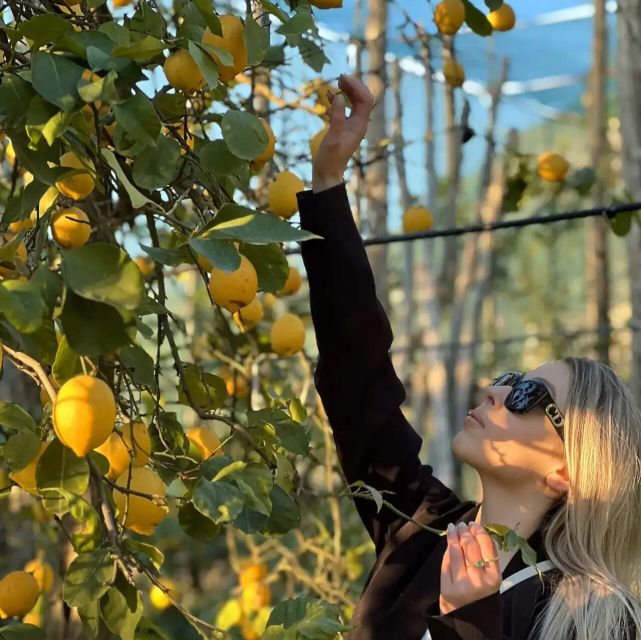
I’d book it if you want a short tour that feels both local and practical. You get the best of all worlds in 90 minutes: picking, making, and tasting, plus a souvenir you can actually use.
Book it sooner rather than later if you’re traveling in peak season, because small group size is part of the charm. And if you’re planning your day around food and drinks in Sorrento, this can be a smart first stop because it sets the flavor baseline for everything else you try afterward.
Skip it only if citrus or alcohol is an issue for you, or if you’re looking for something purely scenic and hands-off rather than hands-on.
FAQ
FAQ
How long is the Sorrento lemon farm experience?
The experience lasts about 1.5 hours.
How many people are in the group?
It’s a small group limited to up to 10 participants.
Where does the experience start?
Meet the staff at Aranceto Storico at Via dei Platani, 12 in Piano di Sorrento.
What’s included in the price?
You get a professional guide, guided lemon picking, making and tasting your own lemonade, and tastings of local limoncello and homemade marmalade.
Is the tour guided in English?
Yes. The instructor speaks English and Italian.
What should I bring?
Wear comfortable shoes and bring sunglasses, sun hat, and sunscreen.
Can I take lemons home?
Yes. You’ll have the chance to bring home some freshly picked lemons.
Is the experience suitable if I have citrus allergies or alcohol restrictions?
It may not be suitable if you have allergies to citrus fruits or alcohol, since the experience includes citrus handling and a limoncello tasting.
Is there parking available near the meeting point?
Free internal parking is available.
What if my plans change?
Free cancellation is available up to 24 hours in advance for a full refund. You can also reserve now and pay later.