REVIEW · SORRENTO
Sorrento Farm and Food Experience including Olive Oil, Limoncello, Wine tasting
Book on Viator →Operated by La Masseria Farm · Bookable on Viator
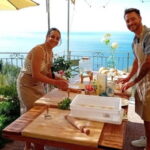
Forget Sorrento’s streets; go taste the hills. This Sorrento farm and food experience takes you through olive and lemon terraces, then ends at a sit-down meal made from what the family grows, plus tastings of their farm products.
I love the generous range of samples—olive oil, limoncello, honey, cheese, marmalade, and more—so you’re not just watching from the sidelines. I also like that you get round-trip transit from central Sorrento, which keeps the day easy and lets you spend your energy on the food and views instead of figuring out transport.
The main drawback to plan for is walking. You’ll be on uneven ground around groves and terraces, so wear grippy shoes and take it slow where needed.
In This Review
- Key highlights at La Masseria Farm
- A fourth-generation farm day above Sorrento
- Getting to the hills is the easy part (thanks to the ride)
- Lemon and olive groves: the outdoor part you’ll actually remember
- Watch your step on terraces
- Production lessons: how olive oil and wine fit together
- Tastings that feel like a full sampler, not a quick sip
- A tip for tasting: pace yourself
- Lunch and wine: farm-to-table, family style
- Wine and limoncello planning
- Is $114.05 worth it? Counting the real value
- Small group feel at La Masseria Farm
- What to buy before you leave (and how to choose)
- Who should book this farm tour?
- Should you book this Sorrento Farm and Food Experience?
- FAQ
- How long is the Sorrento Farm and Food Experience?
- Where do I meet, and where does the experience end?
- Is the tour offered in English?
- What’s included in the experience?
- What’s the minimum age for drinking?
- Is transportation included?
- What’s the cancellation policy?
Key highlights at La Masseria Farm
- Fourth-generation, family-run farm with hands-on storytelling from the people who work it
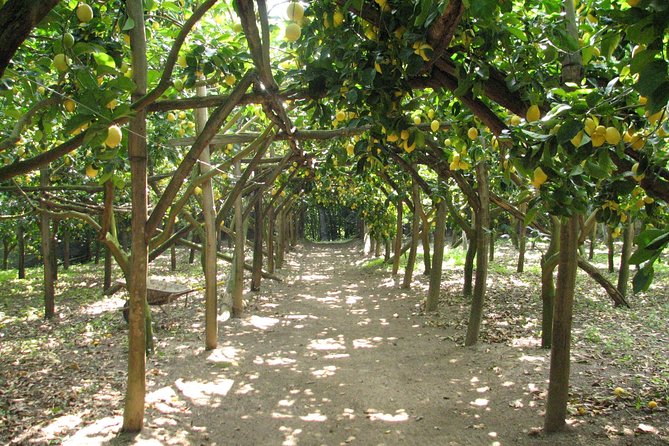
- Olive and lemon groves as your outdoor classroom, plus farm animals you might get to meet
- Tastings with range, from olive oils to limoncello, honey, cheese, and marmalade
- Farm-to-table lunch using primarily organic ingredients from the property
- Small group feel, capped at 25 travelers, so questions actually get answered
A fourth-generation farm day above Sorrento
This is one of those Sorrento experiences that feels like a day in the countryside, not a stop on a checklist. The setting is a family property in the hills, where the farm has been worked for generations, and that matters. You’re not just hearing about food—you’re seeing how it’s produced and served.
What I like is the pacing. You start outdoors with groves and farm life, then move into the production side, and only after that do you sit down to eat. It keeps the tastings from feeling random. Each sample ties back to something you just saw.
And the guides have a way of making it practical. You’ll hear how olive and lemon growing fits into the family routine, how products get made on-site, and why waste is handled with care (more than one guest notes how farm leftovers are put to use, not thrown away).
You can also read our reviews of more tours and experiences in Sorrento.
Getting to the hills is the easy part (thanks to the ride)
A lot of “farm tours” are only easy if you’re the sort of traveler who loves buses, schedules, and last-mile walking. Here, you get round-trip transit from Sorrento, so you’re not turning a relaxing afternoon into a logistics project.
The meet-up point is Via Correale, 26, in central Sorrento. From there, the driver takes you up into the countryside to the farm. The total time on the experience is about four hours, which is long enough to feel like you left the city, but not so long that you lose the rest of your day.
If you’re staying in Sorrento and want a real break from the crowds, that transport piece is a big value booster. It also helps when you’ve been walking all morning and you’d rather not add another climb just to get to the first gate.
Lemon and olive groves: the outdoor part you’ll actually remember
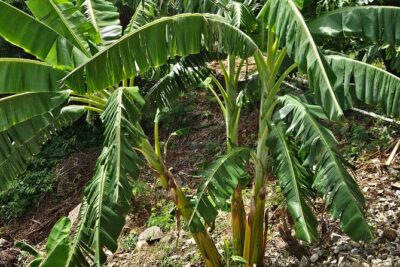
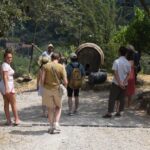
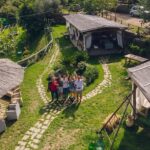
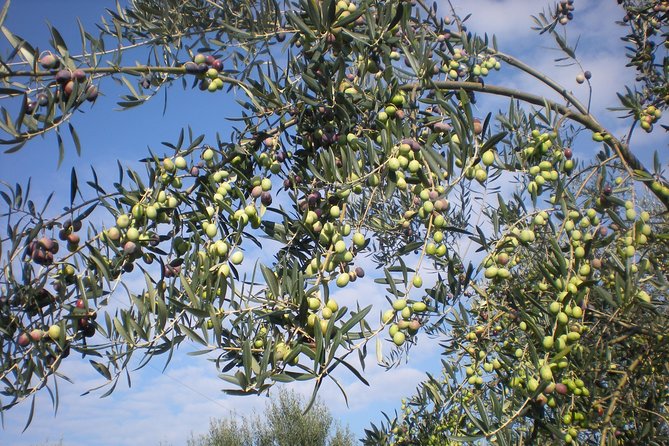
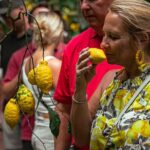
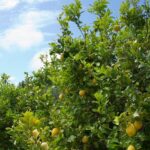
The heart of the experience is walking the property. You’ll move through different sections of the farm, spending time among lemon and olive groves and learning how the family approaches cultivation and harvest.
This is where the day becomes more than tasting. Seeing the trees in place gives context for the flavors later at the table. Lemon becomes more than “a taste” when you’ve just been standing among the trees and hearing how they’re handled season to season. Olive oil makes more sense once you understand that the farm isn’t only growing fruit—it’s also thinking about pressing and production.
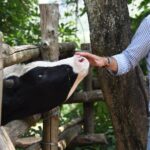
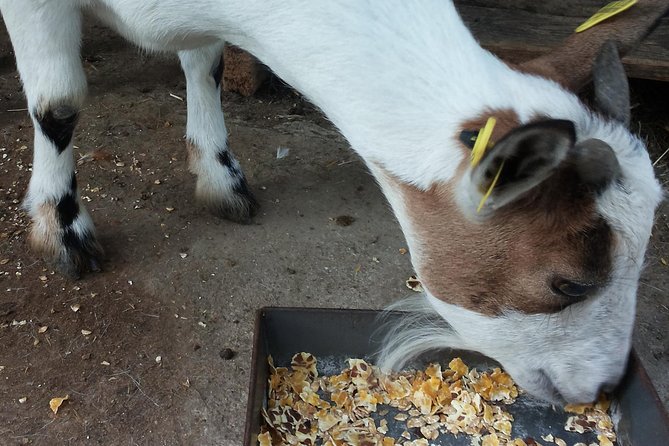
You may also get a peek at farm animals. Multiple guests mention goats and pigs, and even cats wandering around the farm life. When animals are part of the property, kids (and adults) tend to pay attention without being asked. It turns the tour into something lively, not just educational.
Watch your step on terraces
One practical note: much of the farm is handled in terraces, and terraces mean uneven ground. Even if you’re a confident walker, keep it measured. Grab a slower pace when the group moves between sections, and you’ll enjoy it more.
Production lessons: how olive oil and wine fit together

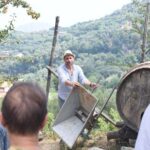
After the groves, you shift gears toward production. The farm guide explains winemaking and olive oil production in a way that stays grounded in what the family does on-site.
Here’s why that matters for you: tasting olive oil in a shop is fine, but it’s not the same as understanding what goes into it. When the guide talks through pressing and the choices behind flavor, you start tasting with more intention. Same idea with wine—learning what’s happening on the farm helps the wine tasting feel connected, not like a separate add-on.
Some guides you might meet include people named Eugenio and Raffaele in guest stories. Regardless of the name, the tone is consistent: proud, practical, and happy to answer questions when you ask.

Tastings that feel like a full sampler, not a quick sip
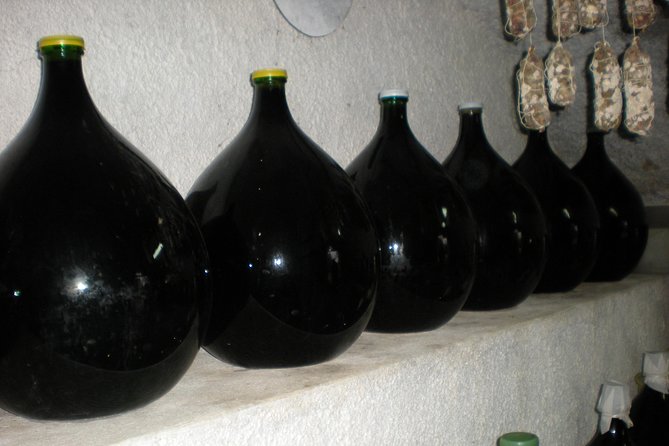
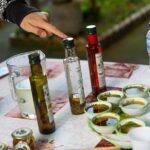
The tastings are a major reason this tour earns near-universal praise. The format gives you time to taste, compare, and then connect those flavors to what you saw in the groves.
You can expect farm-made products such as:
- Olive oils from the farm
- Limoncello (minimum age for drinking is 18)
- Honey and cheese
- Marmalade
- Additional small bites tied to their product range
A few guests specifically point out that the olive oil and limoncello tastings are a highlight, and that you can get a real sense of how the farm’s flavors differ from what you’d buy in a tourist shop. That’s the advantage of tasting in the place of production: you’re not trying to guess what it tastes like later at home.
A tip for tasting: pace yourself
If you’re doing olive oil, limoncello, and wine in one sitting, your palate needs breaks. I recommend you treat tastings like a flight: start with the lighter items, take a sip, then pause with water or a bite of something neutral if it’s offered with your group. If you jump straight to the strongest flavors, you’ll miss details.
Lunch and wine: farm-to-table, family style
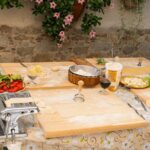
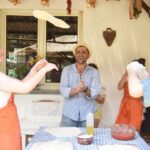
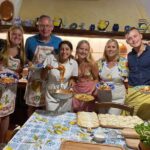
After the tour around the property, you get a lunch that’s described as primarily organic, made using ingredients grown right on the farm. This is where you get to see the farm-to-table philosophy in action, because the meal connects directly to the products you tasted earlier.
The lunch is typically presented as a multi-course, family-style meal. Guests mention combinations like bruschetta, pasta dishes, olives used in cooking, grilled vegetables, cheese boards, and lemon desserts. One dessert name that comes up is an almond lemon cake, and another guest highlights lemon tarts. For drinks, you’ll have a wine tasting as part of the experience, and some guests also mention homemade lemonade as part of the day’s flow.
Here’s the big practical takeaway: you’re not eating a generic “tourist lunch.” The meal is cooked with farm ingredients and served in a home-like setting. That makes it feel closer to a family meal than a staged lunch break.
Wine and limoncello planning
The minimum drinking age is 18, so if you’re traveling with teens, plan around that. If you’re not a big drinker, you can still enjoy the food side and treat the tastings as optional flavor sampling.
Also, because you’re eating a lot, don’t schedule a hard activity right after. This is the kind of meal that sticks with you. Plan for a calmer afternoon in Sorrento afterward.
Is $114.05 worth it? Counting the real value
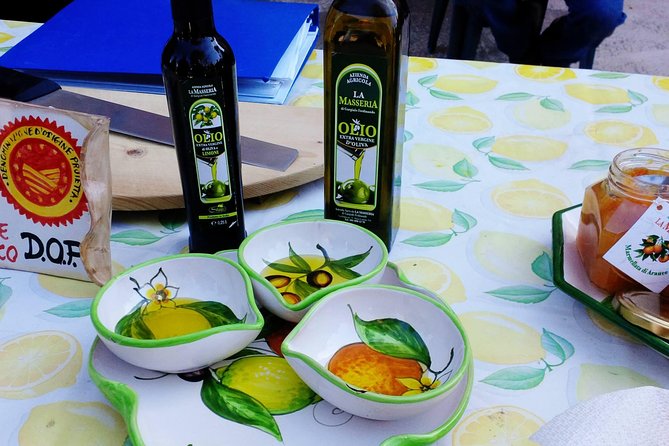
At $114.05 per person for about four hours, it’s not the cheapest way to spend a half day. But when you factor in what’s included, it starts to make sense fast.
You’re getting:
- Guided time on a working, family-run farm
- Multiple tastings (olive oil, limoncello, honey, cheese, marmalade, and more)
- A sit-down lunch using primarily organic ingredients grown on the property
- Wine tasting as part of the day
- Round-trip transit from central Sorrento
Individually, olive oil tastings and farm meals can add up quickly once you’re paying for transportation and admission separately. Here, the experience bundles the pieces into one price. You’re paying for convenience and for a meal that’s tied to the farm’s production, not just a restaurant stop.
So my rule for value: if you want a food-focused day that feels grounded and authentic, this price is easier to swallow. If you only want a quick photo stop, it’ll feel steep.
Small group feel at La Masseria Farm
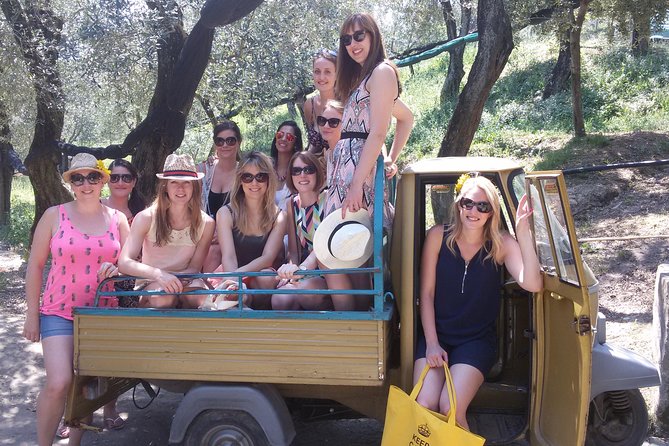
The group size is capped at a maximum of 25 travelers. That helps in two ways.
First, it keeps the tour from turning into a rushing factory line. Second, it gives you a better chance to ask questions, especially during the walk through the groves and the discussion of olive oil and wine.
This also affects the social mood of the lunch. When groups are smaller, conversation stays more natural at the table. You’re sharing the meal with a handful of other people, and that can make the day feel more like a shared table than a bus stop.
What to buy before you leave (and how to choose)
One of the nicest perks of a farm visit is bringing home something you tasted in context. Guests mention buying bottles of olive oil, and limoncello is also a common purchase.
When choosing what to take home, I’d go with what you liked most during the tastings:
- If your favorite was the olive oil, buy one you can actually use in your cooking.
- If limoncello was your standout, consider how you’ll store and serve it back home.
- If you liked honey, cheese, or marmalade, check how it holds up for your trip (and whether you’ll be carrying it to other stops).
Because the products are made on-site, you’re buying from the source. That’s a different feeling than buying a “souvenir” that doesn’t match the flavor you tasted earlier.
Who should book this farm tour?
This is a great fit if you:
- Want a Sorrento experience that goes beyond the tourist strip
- Care about food and want a meal tied to production
- Like learning practical farming and food-making processes
- Prefer a small group day trip with transport included
It also works well across ages, since the farm has animals and a relaxed flow. One guest even mentions a four-year-old having fun during the visit, which tells you the day doesn’t feel overly formal.
If you hate walking on uneven ground or you’re traveling with limited mobility, you’ll want to be cautious and consider your comfort level. The groves and terraces aren’t flat like a museum.
Should you book this Sorrento Farm and Food Experience?
Book it if you want a half-day in the hills that mixes olive and lemon learning with real tastings and a farm-to-table lunch. The biggest strength is the connected flow: groves and production first, then the meal and drinks. That makes the food taste better because you understand where it came from.
Skip it only if your priority is quick sightseeing photos or you don’t want to do any walking at all. Otherwise, this feels like one of the most satisfying “counterpoint” days to Sorrento’s streets: countryside calm, generous sampling, and a family meal that doesn’t feel like a generic stop.
FAQ
How long is the Sorrento Farm and Food Experience?
It lasts about 4 hours.
Where do I meet, and where does the experience end?
You meet at Via Correale, 26, 80067 Sorrento NA, Italy. The experience ends back at the meeting point.
Is the tour offered in English?
Yes, it is offered in English.
What’s included in the experience?
You’ll get a guided farm tour, tastings of farm products (including olive oil and limoncello), a light lunch made with organic farm ingredients, and wine tasting.
What’s the minimum age for drinking?
The minimum drinking age is 18.
Is transportation included?
Yes, round-trip transit from Sorrento is included.
What’s the cancellation policy?
You can cancel for a full refund up to 24 hours before the experience starts. If you cancel less than 24 hours before, the amount paid isn’t refunded.