REVIEW · KENDWA
Spice Farm – spice up your life in Zanzibar
Book on GetYourGuide →Operated by AMAYA TOURS COMPANY LIMITED · Bookable on GetYourGuide
Your nose will lead the way in Zanzibar. The Spice Farm tour takes you into rural Unguja to meet spice farmers and learn why this island mattered to the world long before supermarkets.
I like two things a lot: the aroma-led spice guide that helps you identify smells, and the traditional farm lunch with Zanzibar flavors plus locally grown fruits. You’ll get tasting as part of the lesson, not just a walk-by photo stop.
One drawback to watch: there is at least one serious report of a promoter no-show with unanswered emails and a phone number that did not work. I’d treat confirmation as non-negotiable and keep your own notes of the booking.
In This Review
- Key Highlights Worth Booking For
- Spice Farm in Unguja: Why This Tour Feels Different
- Hotel Pickup to Rural Spice Plantations
- Cinnamon, Clove, Vanilla, and the Smell-First Walk
- How the Fruit Tastings Make the Whole Day Click
- The Farm Lunch: Zanzibar Cuisine With Real Herb Flavor
- Bringing Home Spices: Gifts That Actually Make Sense
- Languages and Guide Support in the Same Visit
- Price and Value: Is $60 Good for What You Get?
- Who Should Book This Spice Farm Tour
- A Quick Note on One Big Risk: Confirmation Matters
- Should You Book the Spice Farm Tour?
- FAQ
- Where is Spice Farm located?
- How much does the Spice Tour cost?
- What is included in the price?
- Does the tour include lunch?
- What spices will I learn about during the tour?
- What tropical fruits can I taste?
- Are there multiple languages available?
- Can I reserve and pay later?
- What is the cancellation policy?
- Who provides the experience?
Key Highlights Worth Booking For
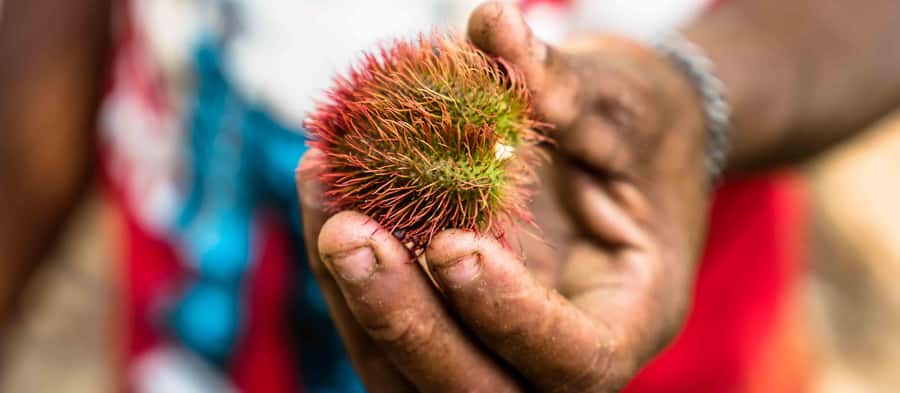
- Smell-test spice education with a friendly guide pointing out clove, cinnamon, vanilla, nutmeg, and more
- Tropical fruit tastings like mango, passion fruit, avocado, papaya, local grapefruits, bananas, and pineapple
- Culinary and medicinal uses explained for spices and herbs you’ll actually see growing
- Farm lunch in a local kitchen with Zanzibar cuisine spiced with local herbs
- Buying spices as gifts so you can bring Zanzibar home without guessing what’s what
Spice Farm in Unguja: Why This Tour Feels Different
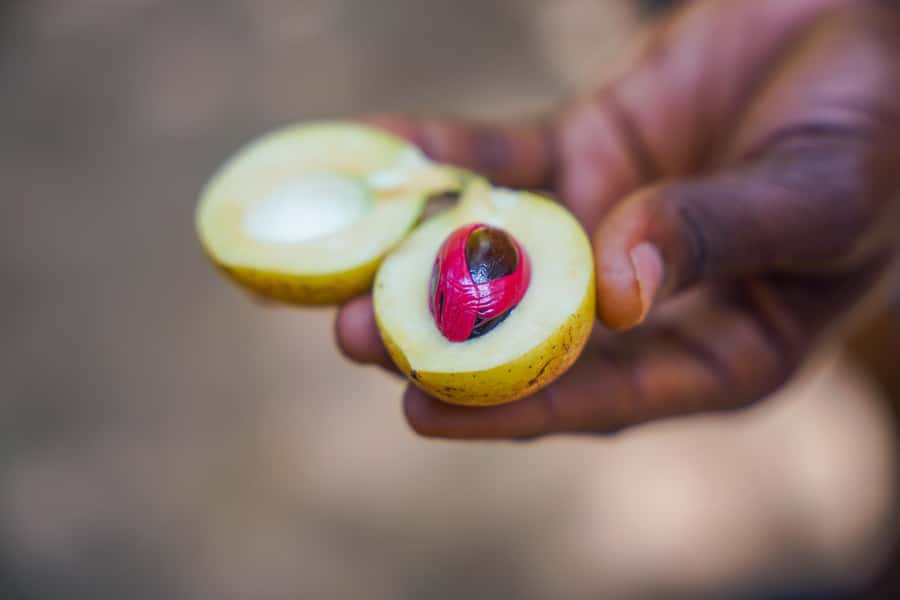
Zanzibar’s spice fame is easy to romanticize. This tour keeps it grounded in daily farm life—paths, plants, and real smells that hit you before you even start listening.
What makes it interesting is the focus on the full spice story, from centuries-old trade routes to how farmers grow and use the plants today. You’re not just learning names. You’re connecting aromas to food, and herbs to practical uses.
Price-wise, you’re paying for more than a ride. The tour includes hotel pickup and drop-off, a local lunch, bottled water, and all the taxes and fuel-related add-ons. For many visitors, that bundle is what makes the day feel fair.
Hotel Pickup to Rural Spice Plantations

The day starts with convenient hotel pickup in Zanzibar, then you head into the rural side of Unguja. Once you’re out of town, the pace shifts from traffic speed to farm speed.
From there, the tour meanders through villages and plantations where the guide explains what you’re seeing. You’ll get a chance to discover, taste, and smell multiple spices and herbs rather than treating the farm like a quick exhibit.
A small but meaningful detail: you’re dropped back at your hotel at the end. That matters on Zanzibar, where it can be hard to plan a smooth end to a day after you’ve been out in the countryside.
Cinnamon, Clove, Vanilla, and the Smell-First Walk
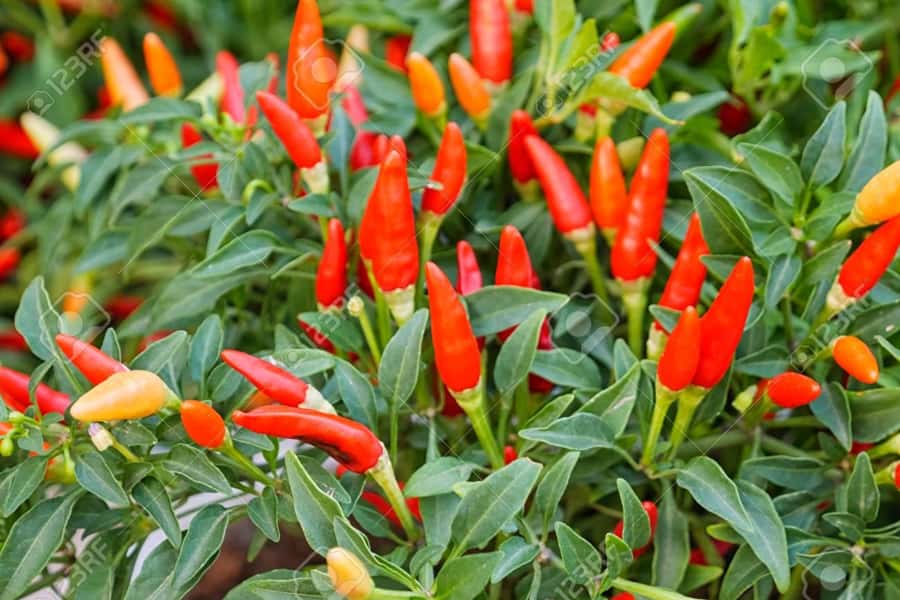
The core experience here is the guided spice walk. You’ll move through plantations where farmers let you discover and sample different spices and herbs.
Expect a hands-on list of plants such as cinnamon, vanilla, nutmeg, lemon grass, cloves, ylang-ylang, cumin, ginger, pepper, tamarind, chili, and more. The guide helps you make sense of what each one smells like, which is how this tour turns into a real education instead of a slideshow.
This is also the part where local explanation brings meaning. The tour doesn’t stop at culinary uses. It also covers medicinal roles for spices and herbs, which helps you understand why Zanzibar’s climate and farming mattered to people for generations.
If you’re the type who likes to label what you taste, this tour fits your style. You’ll leave with a mental map of Zanzibar flavors, not just a bag of items you can’t identify.
How the Fruit Tastings Make the Whole Day Click
Spices are only half the story. You’ll also taste freshly picked tropical fruits while you’re in the farming areas.
The fruit list includes mangoes, passion fruits, avocado, papaya, local grapefruits, bananas, pineapples, and more. The practical value is that you get a sense of how farm seasons and crops mix on the same island landscape.
I also like the way this tasting works as a palate warm-up. Spices can be sharp and intense, and fruit tasting gives your tongue a chance to reset. That makes the later lunch feel smoother and more enjoyable.
Even if you’re not a big spice person, the fruit portion is friendly and approachable. It’s also a nice reminder that Zanzibar food is more than just heat and fragrance. It’s sweet, tangy, and deeply tropical.
The Farm Lunch: Zanzibar Cuisine With Real Herb Flavor
Lunch is served at the farm, and it’s described as traditional Zanzibar cuisine spiced with local herbs, cooked in a local kitchen. That phrasing matters because it signals you’re eating as part of the day’s theme, not just grabbing a generic meal to move on.
You can think of the lunch as the tour’s payoff. You’ve spent time smelling and learning, then you taste the results. You’ll connect the herbs you saw earlier with how they behave in food.
Based on the overall tone from highly rated experiences, the meal tends to land well. People note that the food is delicious, aligned with the spice theme, and presented as part of the experience rather than slapped together. One person specifically mentioned a superb Swahili meal to close the tour, which is exactly the kind of finishing touch that makes a half-day feel worth it.
A smart tip: take your time with the flavors. If you rush, you miss the small spice-herb differences the guide is likely trying to point out.
Bringing Home Spices: Gifts That Actually Make Sense
A big practical advantage of this tour is that you can buy spices afterward as gifts. That sounds simple, but it solves a real problem: travelers often leave Zanzibar wanting to recreate flavors and having no clue what’s actually what.
Because you’ve already tasted and smelled many spices on the plantation, shopping becomes easier. You can make choices based on your own preferences instead of marketing labels.
If you’re buying for friends back home, I’d focus on the spices you enjoyed most during the walk and lunch. That’s the easiest way to avoid ending up with a mix you don’t know how to use.
Languages and Guide Support in the Same Visit
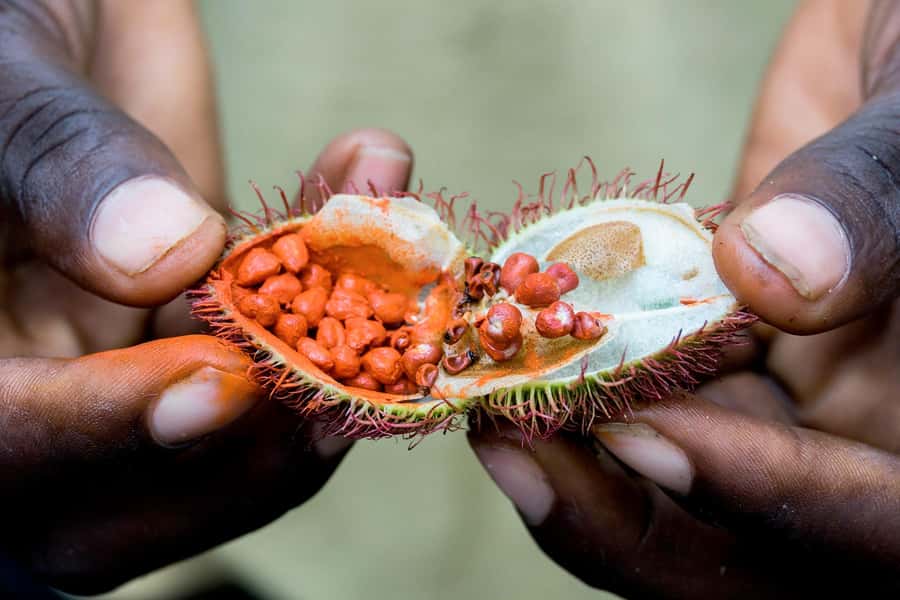
This experience runs with languages including English, Italian, German, French, and Russian. That’s useful if you’d rather not rely on partial translations.
The guide role is central here. You’re there to learn through aromas and tasting, and the reviews consistently highlight guides who put energy into explaining spices and Zanzibar culture. One person also mentioned the explanations were sometimes funny, which usually means the tour doesn’t feel like a lecture.
If you want a day where learning and fun stay balanced, this is the right model. The guide seems to handle the science and the story without turning it into a formal class.
Price and Value: Is $60 Good for What You Get?
At $60 per person, you’re paying for a full set of included items: hotel pickup and drop-off, local lunch at the farm, bottled water, and taxes plus fuel surcharges and service fees. That matters because it avoids the common Zanzibar surprise of arriving and then watching the total climb.
Value usually comes down to two questions for tours like this:
1) Does the day include enough that you can’t easily DIY?
2) Do the included costs reduce hassle?
In this case, you’re paying for access to rural plantations, tasting time, a guide-led explanation of spices and herbs, and a themed lunch. That’s hard to replicate casually on your own without local connections.
So I’d call it fair value if your goal is education you can taste and bring home. If you’re only looking for a quick photo and don’t want the farm-food angle, then it may feel like more than you need.
Who Should Book This Spice Farm Tour
This tour is a great fit if you:
- enjoy hands-on learning through smell and taste
- want a cultural day that stays grounded in farm life
- like food-focused experiences where lunch is part of the lesson
- want a practical souvenir plan through buying spices you’ve identified
If you’re traveling with mixed interests, the fruit tastings help. They keep the experience friendly even for people who don’t care about herbs or medicinal uses.
It also works well if you’ve already seen Stone Town and want a change of pace. Instead of monuments and alleys, you get open-air plant life and a slower rhythm.
A Quick Note on One Big Risk: Confirmation Matters
While most experiences sound well organized, there’s one serious negative report about the promoter not showing up at the hotel, not responding to emails, and a phone number that wasn’t assigned. That’s not the usual pattern, but it’s serious enough to take seriously.
I’d handle it like this: confirm your pickup details the day before, keep screenshots or booking references, and have a backup contact if you can. For a tour at this price, a smooth pickup is half the success.
Should You Book the Spice Farm Tour?
Yes, if you want a spice-and-food day that’s more than sightseeing. The best part of this tour is the combination of aroma-led learning, fruit tastings, and a traditional farm lunch that ties it all together.
Skip it only if you know you won’t enjoy guided tasting or you’re uncomfortable with rural logistics. And if you do book, take confirmation seriously so you’re not stuck waiting at the hotel.
FAQ
Where is Spice Farm located?
It’s located in the Unguja South Region, Tanzania.
How much does the Spice Tour cost?
The price is $60 per person.
What is included in the price?
Included are hotel pickup and drop-off, local lunch at the farm, bottle water, and all taxes, fuel surcharges, and service fees.
Does the tour include lunch?
Yes. You get local lunch at the farm, described as traditional Zanzibar cuisine spiced with local herbs and cooked in a local kitchen.
What spices will I learn about during the tour?
The tour includes spices and herbs such as cinnamon, vanilla, nutmeg, lemon grass, cloves, ylang-ylang, cumin, ginger, pepper, tamarind, chili, and more.
What tropical fruits can I taste?
You’ll be able to taste fruits including mangoes, passion fruits, avocado, papaya, local grapefruits, bananas, pineapples, and more.
Are there multiple languages available?
Yes. The tour is available in English, Italian, German, French, and Russian.
Can I reserve and pay later?
Yes. The option is Reserve & Pay Later, which means you can book your spot and pay nothing today.
What is the cancellation policy?
You can cancel up to 24 hours in advance for a full refund.
Who provides the experience?
The experience provider is AMAYA TOURS COMPANY LIMITED.