REVIEW · TROMSO
Tromsø: Lyngen Horse Stud Farm Visit
Book on GetYourGuide →Operated by Tromsø Lyngshest · Bookable on GetYourGuide
A cold-weather farm visit has a pull. On this Tromsø Lyngen Horse Stud tour, you get hands-on time with mares, stallions, and foals, plus a guide-led walk through how this breed shaped life in Northern Norway. I especially like the chance to learn the Lyngshorse story firsthand and the relaxed pace of a small group visit.
What I liked most is how personal the horse time feels: you’re close enough to observe their temperaments, not just stand and watch. You’ll also get a real shot at the optional horse ride if conditions allow, which turns the history lesson into a memory you can feel in your legs.
One consideration: the riding part depends on weather, and there’s no hotel pickup, so you’ll want to plan your transport to the farm in advance. If you’re tight on time or easily disappointed by changing conditions, build some buffer.
In This Review
- Key moments worth planning for
- Arriving at Tromsø Lyngshest: where the horses already set the tone
- Up close with Lyngen horses: mares, stallions, and playful youngsters
- The tour story that makes the horses feel important: history you can picture
- The walk to the viewpoint: scenic time that supports the farm focus
- Optional riding: when weather says yes, the visit turns unforgettable
- Price and value: is $188 worth it for a 2-hour experience?
- Who this tour is best for (and who should skip it)
- Practical details that can make or break your day
- FAQ
- FAQ
- Where do I meet for the Tromsø Lyngen Horse Stud Farm visit?
- How long is the visit?
- Is the horse ride mandatory?
- What is included in the price?
- Is hotel pickup included?
- How big is the group?
- What languages will the guide speak?
- Is there a weight limit?
- Are children allowed?
- What’s the cancellation policy?
- Should you book this Tromsø horse visit?
Key moments worth planning for
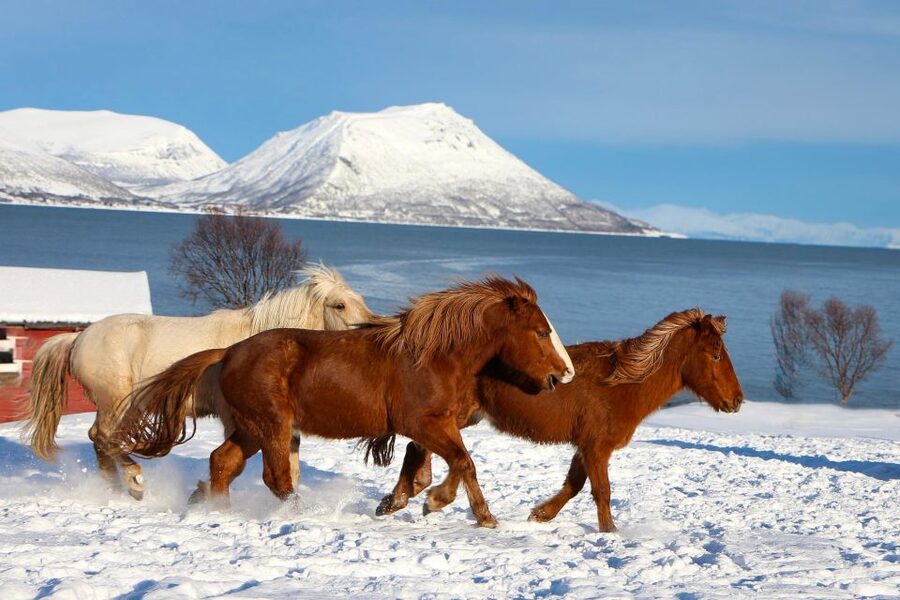
- Mares, stallions, and foals at Tromsø’s oldest stud farm
- Lyngshorse history, including how they were preserved during WWII
- Optional horse ride only if weather permits
- Small group (max 8), so you’re not stuck behind strangers
- Guidance on safety rules with a mandatory declaration
Arriving at Tromsø Lyngshest: where the horses already set the tone
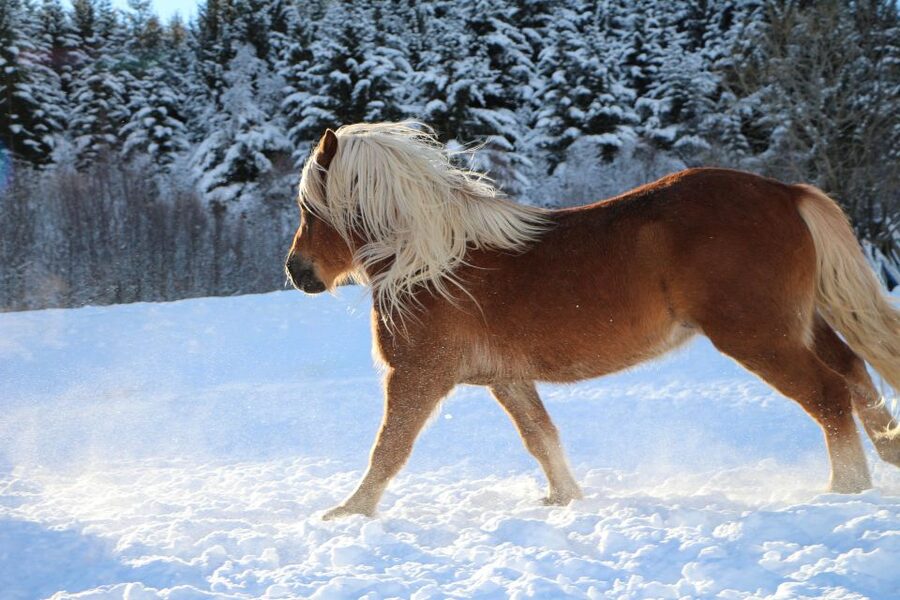
This starts at Tromsø Lyngshest, at Ullstindvegen 1279, 9023 Krokelvdalen. Look for the red farm building on the right when you arrive. Since there’s no hotel pickup, this is one of those tours where your satisfaction starts with getting there smoothly.
Once you’ve found the place, the farm vibe is the point. You’re not commuting to a distant viewpoint and rushing back; you’re stepping into a working stud and meeting the horses as the main event. The whole session is built to be a calm, guided experience that keeps you focused on the animals and the story behind them.
Transport matters more than you’d think in Tromsø winter. If you’re relying on public transit or shared taxis, plan extra time for delays and icy roads. One practical tip: if you need help timing your ride from the city, it can be worth asking the stables directly in advance, since some operators try to coordinate visitor logistics when they can.
You can also read our reviews of more tours and experiences in Tromso.
Up close with Lyngen horses: mares, stallions, and playful youngsters
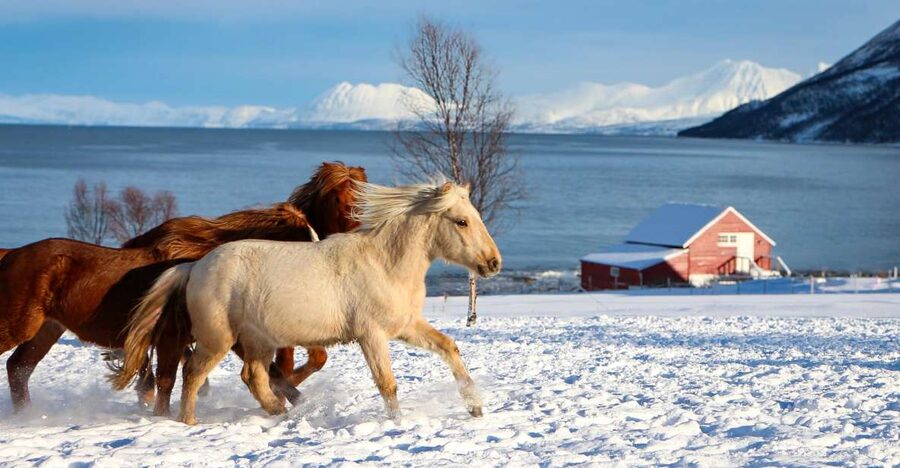
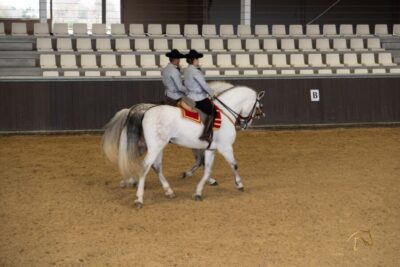
The heart of the visit is meeting the horses themselves. You’ll encounter mares with foals, stallions, and younger, playful horses that show off their personalities. Even if you’re not a horse person, this section makes it easy to understand why people form attachments to them.
This matters because the Lyngen horse is described as versatile, friendly, and tied to Northern Norwegian cultural heritage. In practical terms, that means you’re not just looking at horses from far away. You’re getting a chance to read their body language, see how they move, and feel what it’s like to be in the same space as animals that are handled and cared for.
The best part here is the temperament. In particular, the experience is shaped to feel safe and patient, which is exactly what you want when you’re meeting a farm’s living “characters” for the first time. One person noted especially gentle, well-behaved horses, and that tracks with the overall approach: you’re guided through what to do and how to behave around them.
If you’re hoping for a fully hands-on session—grooming, feeding, close contact—this tour is positioned in that direction. The format is designed for interaction, not just viewing, and the guide’s job is to keep it smooth and respectful for both people and horses.
The tour story that makes the horses feel important: history you can picture
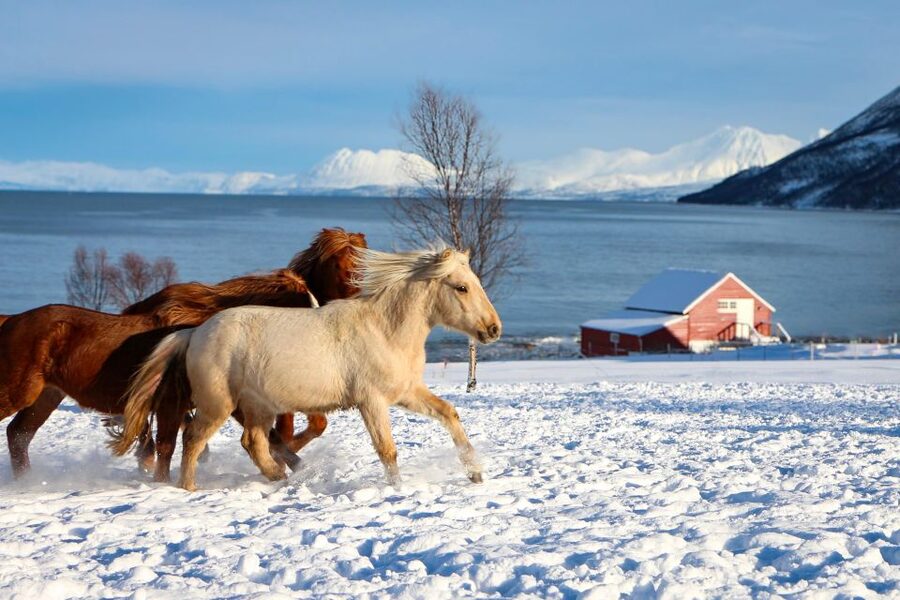
You don’t just get facts here. You get a narrative that helps you understand why this breed still exists in this part of Norway.
The guide walks you through Lyngshorse history and their uses across time, then ties it to a major chapter: preservation during WWII. That last part is the emotional anchor. It’s one thing to hear that a breed survived; it’s another to learn that someone cared enough to keep them going through a period when many normal routines vanished.
Why it’s valuable: it turns your visit into more than a cute animal encounter. You’re learning how people adapted to local conditions and what the horses meant in everyday life. Even when the tour stays general about the exact roles the horses played, the point is clear—you’re seeing an animal that’s part of regional identity.
You’ll also hear about the Lyngen horse’s character as part of the message. The tour describes them as versatile and beautiful, but what you’re really picking up is how breeding and handling shaped a horse that belongs in this landscape and this culture. When you’ve got that context, you’ll look at the horses’ calm behavior and think: this didn’t happen by accident.
The walk to the viewpoint: scenic time that supports the farm focus
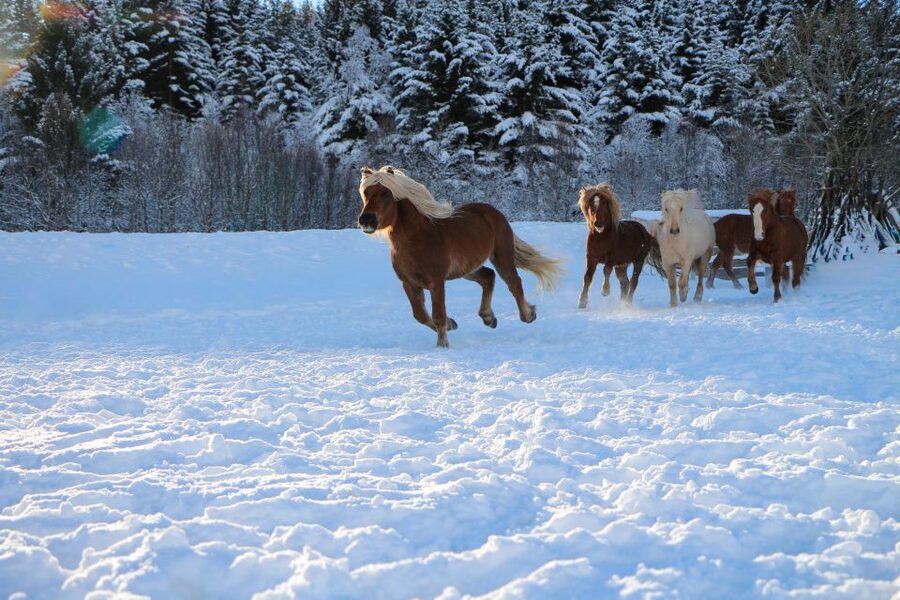
The schedule includes a viewpoint moment with guided touring and scenic views along the way. This is the built-in rhythm shift: you spend time with the horses, then you get outside time to reset your brain and take in Tromsø’s wintry atmosphere.
In winter, “scenic” can mean a lot of things—flat light, snow textures, a sea-soaked cold air feeling. The idea here is less about checking off a photo spot and more about letting the tour breathe. It’s also a useful way to break up the animal time, so you don’t feel mentally overloaded.
A practical note: if you’re taking photos, bring warm gloves and consider a quick-draw plan for your camera. Cold hands are no fun, and you’ll be spending time outdoors as part of the route.
Some visitors have described the afternoon as moonlit, which gives you a hint about timing and the atmosphere you might catch. If you’re flexible with when you book, you’re more likely to get that softer, quieter Tromsø feeling.
Optional riding: when weather says yes, the visit turns unforgettable
Riding is a major reason people book, but it’s clearly marked as optional. The key line for you is simple: riding happens only if weather conditions permit. So treat it as a bonus, not a guaranteed box-check.
That framing helps you enjoy the visit even if you don’t ride. You still get the core experience: horses up close, history from the guide, and a guided visit that’s built to be relaxing. If the weather supports riding, though, it’s a memorable upgrade because you’re not just learning about the breed’s relationship with people—you’re physically experiencing it.
There’s also a clear safety structure around riding and participation overall. You’ll need to follow rules and sign a declaration that the activity involves participant risk. Safety is not optional, and weight limits apply.
Before you mentally plan a ride, check two limits:
- Weight limit: 95 kg (209 lbs)
- Children under 4 are not suitable, and children over 10 are welcome with parental supervision
If any of those factors affect you, you’ll want to reconsider expectations. This is the kind of activity where following the farm’s limits protects everyone.
Price and value: is $188 worth it for a 2-hour experience?
At $188 per person for a 2-hour visit, you’re paying for more than a quick photo stop. You’re paying for a guided experience on an operating stud farm with close animal interaction and a structured safety approach. You’re also paying for access to a specific breed tied to Tromsø’s oldest stud farm—something you can’t easily recreate on your own.
Here’s what makes the value feel real:
- Small group size (max 8 participants) means you get attention.
- A live guide in Norwegian and English means you’re not stuck translating your way through horse behavior and farm history.
- Riding experience if weather permits can make the “story + animals” format into a full-body memory.
What could make it feel pricey: no hotel pickup. If you’re starting far from Krokelvdalen, your travel logistics can add time and cost. And if you’re booking during rough weather, the riding option might not happen, so your payoff is mainly the farm visit and history portion.
Still, for people who want an authentic animal experience without the chaos of bigger attractions, this price tends to make sense. It’s short enough to fit a day in Tromsø, but focused enough to feel meaningful.
Who this tour is best for (and who should skip it)
This works best if you want a calm, guided horse experience that connects animals to local identity. It’s also ideal if you like structured safety and don’t want to freestyle around livestock.
You’ll probably enjoy it if you:
- like animals and want real interaction, not just viewing
- want a short activity that still feels cultural and specific
- can handle winter conditions and are okay with weather affecting riding
You should think twice if you:
- have animal allergies
- need hotel pickup (it’s not included)
- weigh over the 95 kg limit
- are bringing very young kids (children under 4 aren’t suitable)
Practical details that can make or break your day
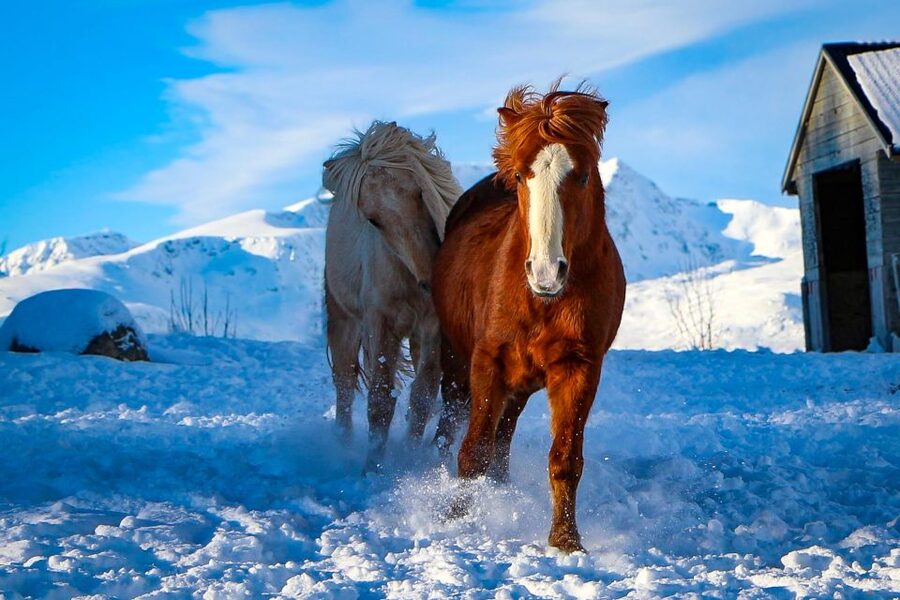
Meeting point is important here. Plan to arrive at the farm at Ullstindvegen 1279, and use the red farm building on the right as your reference. That saves time and stress once you’re already cold.
Group size also affects comfort. With a maximum of 8 participants, the tour feels manageable, and it’s easier for the guide to correct small mistakes—like how you approach a horse or how you move around the pen.
Language support is also a plus: the guide works in Norwegian and English. That means the history and safety guidance won’t be left to guesswork.
Finally, understand the risk framing. The experience requires you to sign a declaration and follow safety rules. The upside is clarity: you know the activity isn’t casual. The tradeoff is that you should take instructions seriously and avoid rushing.
FAQ
FAQ
Where do I meet for the Tromsø Lyngen Horse Stud Farm visit?
Meet your guide directly at Tromsø Lyngshest, Ullstindvegen 1279, 9023 Krokelvdalen. Look for the red farm building on your right.
How long is the visit?
The duration is 2 hours.
Is the horse ride mandatory?
No. The riding experience is optional and depends on weather conditions.
What is included in the price?
The tour includes the riding experience if weather conditions permit.
Is hotel pickup included?
No. Hotel pickup and drop-off are not included.
How big is the group?
The group is small, limited to 8 participants.
What languages will the guide speak?
The live guide provides interpretation in Norwegian and English.
Is there a weight limit?
Yes. The weight limit is 95 kg (209 lbs).
Are children allowed?
Children over 10 are welcome with parental supervision required. Children under 4 are not suitable.
What’s the cancellation policy?
There is free cancellation up to 24 hours in advance for a full refund.
Should you book this Tromsø horse visit?
Book it if you want a short, real farm experience that blends Lyngen horse interaction with a clear story about why these horses matter to Northern Norway, including their WWII preservation. The small group size and guided structure make it a good choice when you want calm rather than crowded.
Skip it if weather-riding is your make-or-break goal. Since the ride depends on conditions, you should be happy with the history and close horse time even in cold, changeable Tromsø weather. Also be honest about allergies and the 95 kg limit, because safety and farm rules come first here.