REVIEW · BALI
Ubud: Balinese Cooking Class at an Organic Farm
Book on GetYourGuide →Operated by Bali Farm Cooking School · Bookable on GetYourGuide
A morning market walk turns cooking class into culture. This Ubud experience mixes a local market tour with an open-air farm kitchen, so you’re not just learning recipes, you’re seeing how the food system works on Bali. I especially like the way the day starts with real ingredients and ends with real dishes you can repeat later.
My favorite part is the farm harvesting piece. You pick produce for your class, learn how a Balinese family uses what surrounds them, and then cook six authentic plates using those ingredients. One thing to think about: the farm is about an hour drive from central Ubud, and after the class you may hit heavy traffic on the way back.
In This Review
- Market Morning That Teaches You What to Taste
- What to watch for
- The Organic Farm Visit: Picking Ingredients Like a Local
- Inside the Open-Air Kitchen: How the Class Actually Runs
- Six Balinese Meals You Can Recreate (Regular Menu)
- Vegetarian Cooking That Stays Clearly Balinese
- Food Breaks and What You’ll Actually Eat
- Price and Value: Why This Is a Bargain at $32
- Timing in Real Life: Morning vs Evening Choice
- Who This Ubud Farm Class Fits Best
- A Few People You Might Meet Along the Way
- Should You Book This Ubud Organic Farm Cooking Class?
- FAQ
- How long is the Balinese cooking class at the organic farm?
- Is the local market tour included?
- What does the class include?
- How many dishes do I cook?
- Can I join if I want a vegetarian menu?
- Are there any group size limits?
- Is there a shuttle from Ubud?
- Is it wheelchair accessible?
- What are the booking and cancellation options?
Market Morning That Teaches You What to Taste
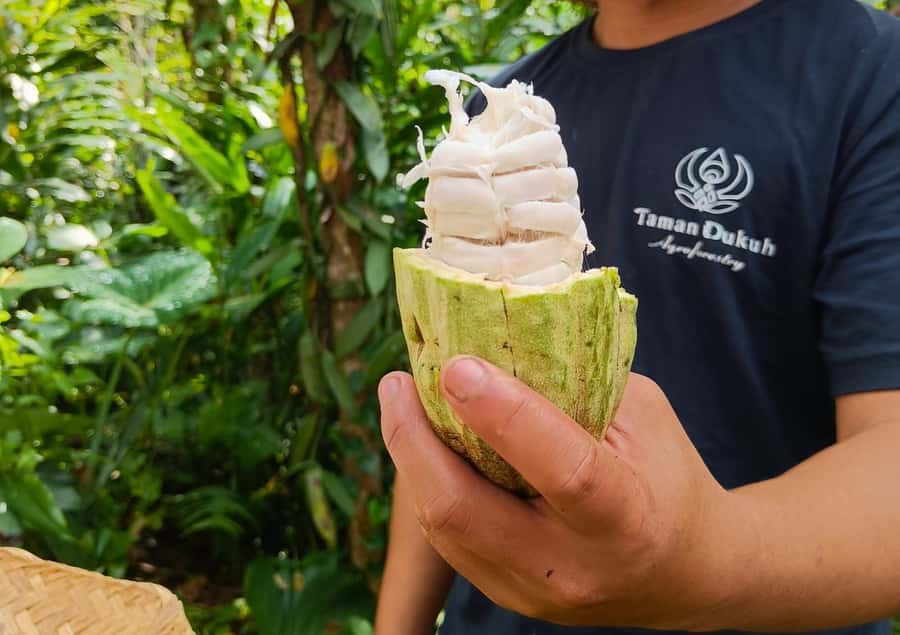
If you pick the morning option, the day starts with a market walk. This matters more than people expect. When you see fruit piled in baskets and vegetables stacked on stalls, you start understanding why Balinese cooking leans on freshness and smart spice combinations.
You’ll also get a chance to taste local fruit along the way. That’s not just snack time. It’s a quick education in how different flavors show up in everyday meals—sweet, tangy, and earthy all in the same morning. And because the class is capped at 14 people, the market part feels human-sized instead of rushed and chaotic.
What to watch for
- Bring something light you can store easily for tastings.
- Wear shoes you don’t mind getting dusty, since market grounds can be uneven.
The Organic Farm Visit: Picking Ingredients Like a Local
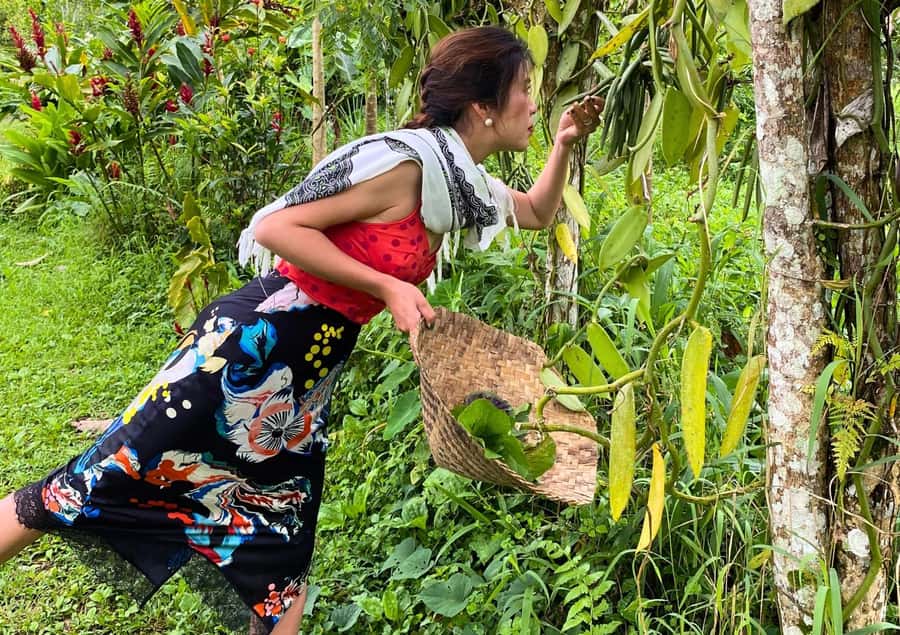
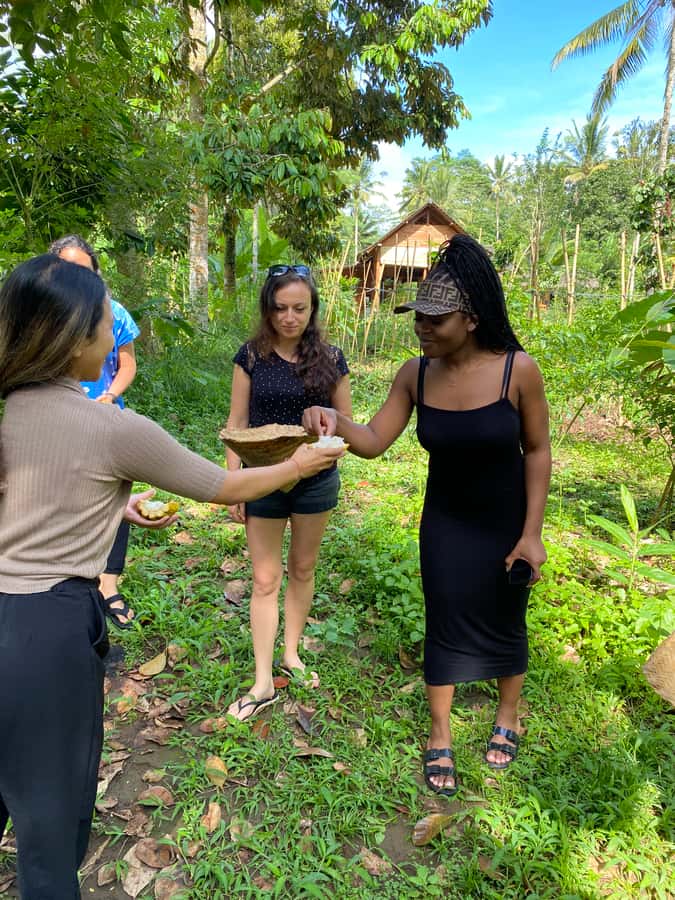
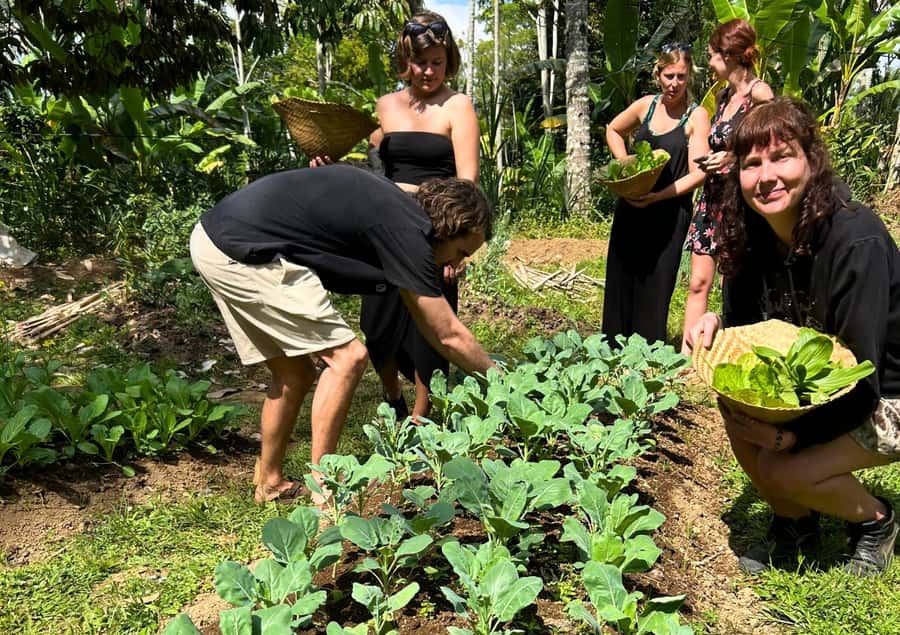
Next comes the organic farm tour and the harvesting. This is where the course earns its keep. You’re in an open-air setting with gardens, plants, and a real working rhythm. You’ll learn how the family uses natural resources, and you’ll collect vegetables for your class.
Several people mention that the farm grows as much as possible, and when something isn’t in season they may source ingredients from the local market. That’s practical and honest. It also means you’ll still get a full menu without pretending everything is always available in every corner of the world.
You’ll begin with a welcome drink—coffee or tea—and a light breakfast when you arrive. It’s a nice reset before you start grinding, chopping, and cooking for a full day.
Inside the Open-Air Kitchen: How the Class Actually Runs
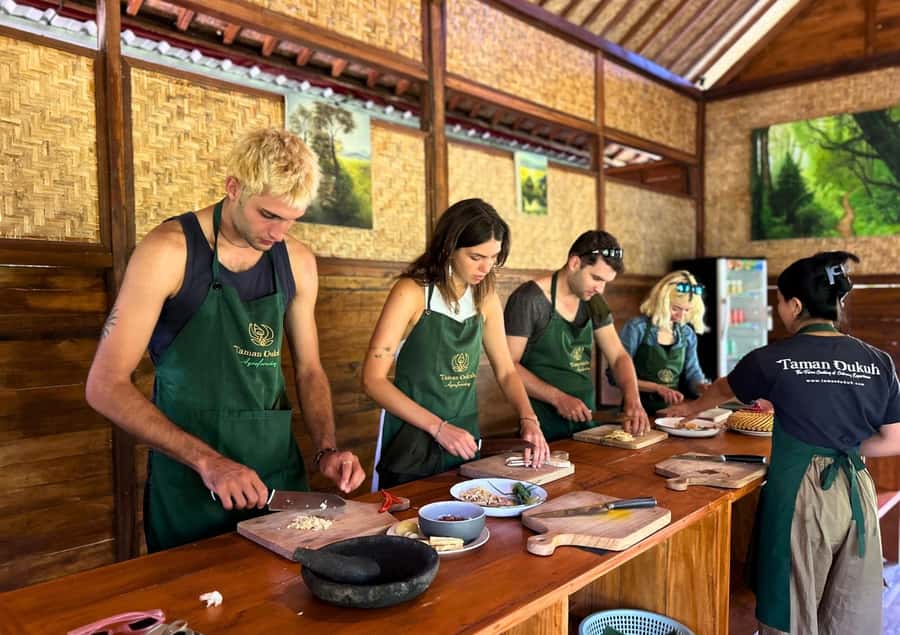
Once you’re settled, you’ll meet your chef and guide. The instruction is clear and step-by-step, and the staff keep the flow going from spice prep to plating. English is supported (and Indonesian too), which makes it easier to follow along without guessing.
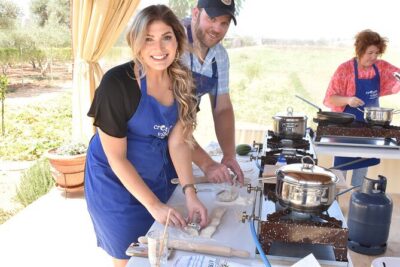
The class runs in small groups. At the farm there may be 2 or 3 groups in the session, and each cooking station is shared between 2 people. That setup changes the experience a little:
- You’ll work closely with your partner at the station.
- You’ll likely take turns with the fiddly bits, like shaping or prepping components.
This shared-station format is usually a good thing. It lowers the pressure to do everything perfectly, and it encourages teamwork. If you’re traveling solo, you still won’t be stuck observing—you’ll have hands-on roles.
Six Balinese Meals You Can Recreate (Regular Menu)
The regular menu has you cooking with classic Balinese building blocks. You’ll prepare Base Gede, a traditional spice paste, plus multiple dishes built around that flavor foundation. You’ll also make a Sayur Urab, described as a mixed green salad with coconut and spices.
From there, the cooking continues through the main dishes, which include:
- Opor Ayam: Balinese chicken curry
- Sate lilit: traditional kebab made with meat, coconut, and spice paste
- Pindang base tomat: fish with tomato sauce
- Tempe asam manis: sweet sour tempe
Dessert rounds it out with either:
- Pisang goreng (banana fritters), or
- Bubur injin (black rice pudding), typically with coconut and palm sugar syrup
One of the smartest perks here is that you get a recipe book at the end, plus a downloadable PDF of the latest recipes. That’s what turns the day from a “cool memory” into a dinner you can actually make once you’re home.
Vegetarian Cooking That Stays Clearly Balinese
The vegetarian menu doesn’t feel like a compromise. It keeps the spice-and-coconut logic of Balinese food while swapping in plants where needed.
You start with Base Gede, then move into:
- Gado gado: blanched vegetables with traditional peanut sauce
- Opor tempe: Balinese tempe curry
- Bergedel: fried corn with Balinese spices
- Tempe asam manis: sweet and sour tempe
- Vegan sate lilit: made with jackfruit and spice paste
Dessert again comes from pisang goreng or bubur injin. If you eat vegetarian at home, this is a strong way to pick up techniques you can reuse—especially around spice paste, coconut balance, and how tempe shows up in multiple ways.
Food Breaks and What You’ll Actually Eat
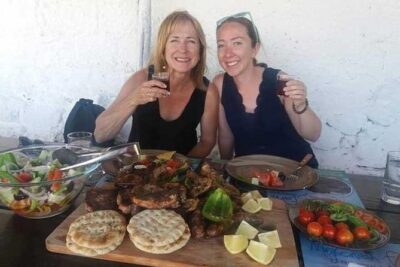
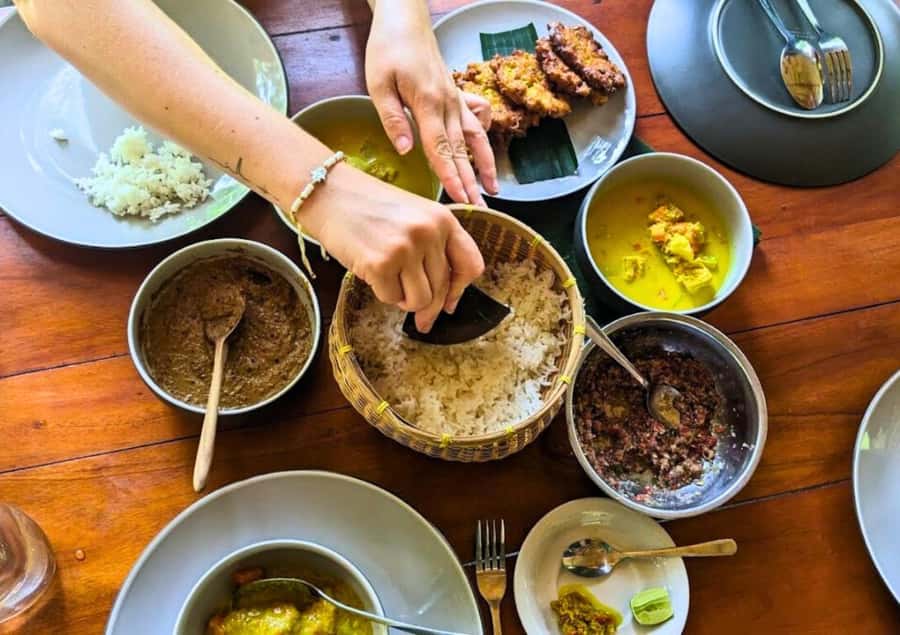
You’re eating what you cook. That sounds basic, but it makes the experience feel different from many classes where you slave all morning and only taste at the very end.
The schedule can vary by class flow, but many participants describe getting to enjoy the starters and then the mains afterward, with plenty of time to settle and taste. You should also expect mineral water during the class, and coffee or tea at the start.
Soft drinks and beer are available for purchase, but they aren’t part of the included meal setup.
Price and Value: Why This Is a Bargain at $32
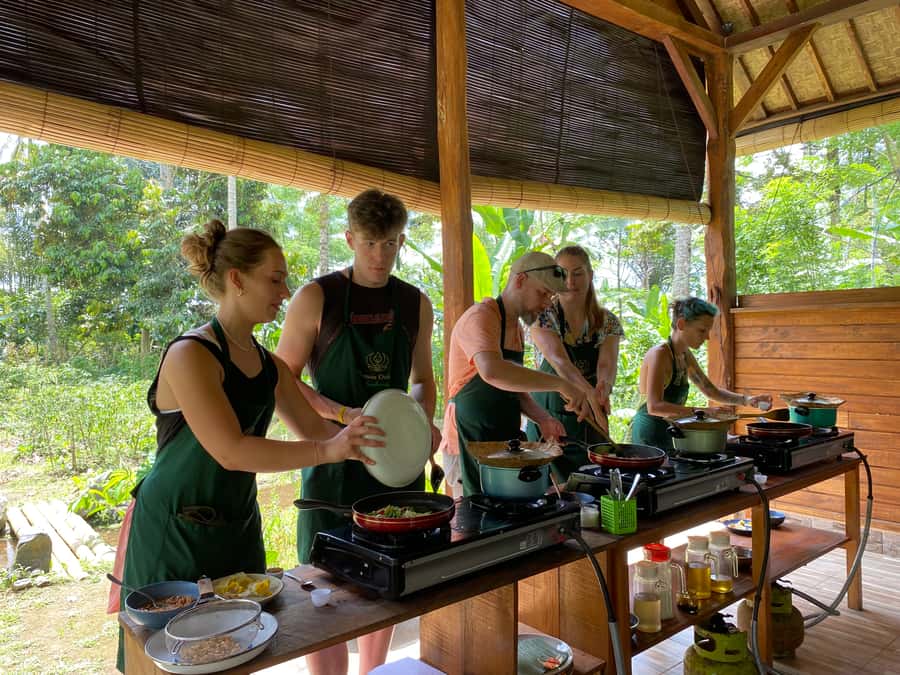
At $32 per person for a day that runs about 8 hours (330 minutes), this class stacks value in a few smart ways.
You’re not paying only for cooking lessons. You’re also paying for:
- Shuttle from an Ubud meeting point
- Market tour (morning class)
- Organic farm tour and ingredient harvesting
- Ingredients and guided cooking for six dishes
- A recipe book plus a downloadable PDF
Many cooking classes in Bali focus on the kitchen and leave the food sourcing out. Here, you see the inputs first. That makes the teaching easier to understand because the ingredient story is right in front of you.
In plain terms: if your goal is to learn cooking you can repeat, the price feels fair because you’re getting a full day plus the tools to recreate it.
Timing in Real Life: Morning vs Evening Choice
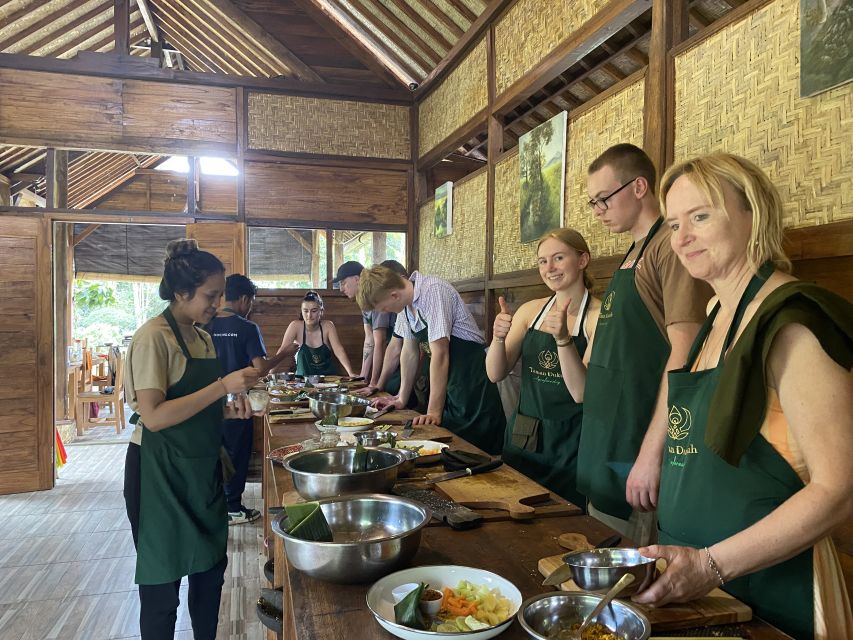
The morning version is the one that adds the market tour. If you want the most cultural start and you like seeing how the day begins for locals, morning is the pick. Some people book early departures like a 7:15am slot to maximize that market experience.
If you choose a later class, you’ll still get the farm harvesting and the cooking day, but the market piece may not be included.
Either way, you’re spending most of the day away from central Ubud. Plan an easy evening afterward, not a sprint to dinner reservations.
Who This Ubud Farm Class Fits Best
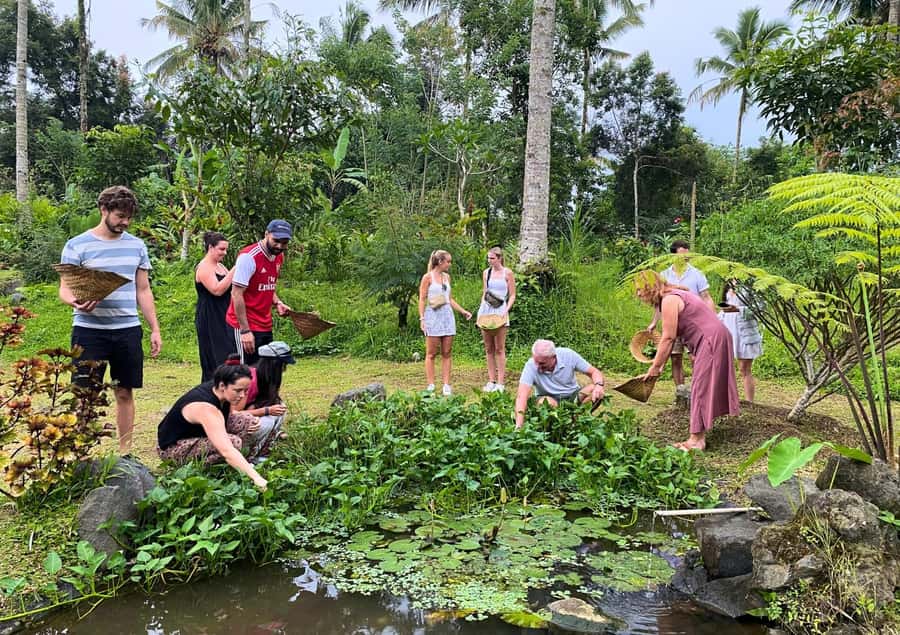
This is a great match if you want:
- hands-on cooking (not just watching)
- local food sourcing, not only cooking skills
- a structured menu that covers both savory mains and dessert
It also works well for couples and friends because the format is small and station-based. And if you’re a vegetarian, you won’t be stuck with a token side dish.
One practical note: it isn’t suitable for wheelchair users. Also, pets aren’t allowed.
A Few People You Might Meet Along the Way
Different days can bring different staff, but the names that show up often include guides like Depi, and chefs like Buda. People also mention instructors such as Wayan/Wayun, plus drivers like Rudi who help with the ride into the jungle area.
Even when the exact team changes, the common theme is consistent: clear English support, friendly coaching, and staff who keep the day running smoothly.
Should You Book This Ubud Organic Farm Cooking Class?
Yes, if your idea of a great Bali day includes more than scenery. Book it when you want fresh ingredients, real technique, and a recipe book you’ll actually use.
Skip it (or at least think carefully) if you hate shared workspaces. The stations are shared between two people, and the farm transfer means you should expect driving time and possible traffic after the class.
If you’re deciding between this and another cooking class in the Ubud area, I’d choose this one for the full loop: market → farm harvest → open-air kitchen → six dishes → take-home recipes.
FAQ
How long is the Balinese cooking class at the organic farm?
It runs about 330 minutes, which is roughly 8 hours.
Is the local market tour included?
Yes, the local market tour is included for the morning class option.
What does the class include?
It includes shuttle from the Ubud meeting point, a market tour (morning only), an organic farm tour, harvesting ingredients, the hands-on cooking class, mineral water plus coffee or tea during the class, meals you cook, and a recipe book (with a downloadable PDF).
How many dishes do I cook?
You’ll cook 6 authentic Balinese meals as part of the class. The exact items differ depending on the regular or vegetarian menu.
Can I join if I want a vegetarian menu?
Yes. There’s a vegetarian menu option with dishes like gado gado, opor tempe, bergedel, and vegetarian versions of sate lilit, plus dessert.
Are there any group size limits?
Yes. It’s a small group experience with a maximum of 14 people per group. You may share cooking stations, with each station used by 2 people.
Is there a shuttle from Ubud?
Yes. Shuttle transportation from the Ubud meeting point is included.
Is it wheelchair accessible?
No. It’s not suitable for wheelchair users.
What are the booking and cancellation options?
You get free cancellation up to 24 hours in advance for a full refund, and there’s also a reserve now & pay later option.