REVIEW · TRAKAI
Vilnius-Trakai: Private Alpaca Farm Tour
Book on GetYourGuide →Operated by Alpaca Family Park · Bookable on GetYourGuide
Woolly alpacas make Vilnius feel far away. In just two hours you’ll get hands-on feeding and a calm countryside break, guided in a small private group. You also learn how these animals went from Peru to Lithuania, and you’ll hear which alpacas are bold, shy, or just plain curious.
I especially love how close you get to the alpacas and how natural it feels—no long lecture, just gentle interaction and good photo moments. I also like the human touch: the guide Arthur/Artur (names vary by booking) explains alpaca behavior in a way that makes them feel like quirky characters.
One thing to plan around: the alpacas aren’t allowed out in rainy conditions, so you’ll want flexible clothing expectations if weather turns messy.
In This Review
- Key highlights you’ll care about
- First stop: getting out of the city and into alpaca country
- The alpaca park experience at Palaimos g. 13A
- What you actually do (not just watch)
- What the guide teaches you
- The owner meet-and-greet (30 to 45 minutes that adds meaning)
- Feeding alpacas by hand: how to make it feel easy
- Weather reality check: rain rules you’ll want to know
- Duration and flow: why two hours works so well
- Price and value: is $47 per person worth it?
- Who this tour fits best (and who might want something else)
- What to bring for a smoother visit
- Booking tips and practical choices
- Should you book this Vilnius alpaca farm tour?
- FAQ
- What is the duration of the Vilnius–Trakai private alpaca farm tour?
- Where do you get picked up in Vilnius?
- How long is the guided visit at the alpaca farm?
- What’s included in the tour price?
- Do I get to feed the alpacas?
- What languages is the live guide available in?
- Can we add Trakai Castle or Užutrakis Manor?
- Are the alpacas allowed outside in rainy weather?
- What should I bring?
- Is the tour refundable if plans change?
Key highlights you’ll care about
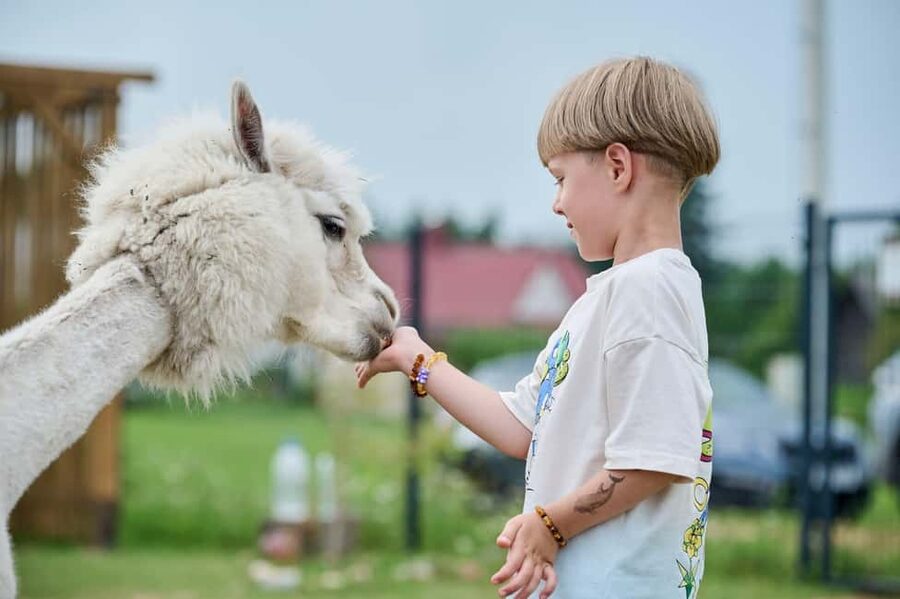
- Hand-feeding alpacas with included food, right up close
- A short ride from Vilnius County to a working alpaca park at Palaimos g. 13A
- Quirky alpaca personality stories told by your guide (Arthur/Artur)
- Photo-friendly time with time to get good shots without rushing
- A friendly farm owner intro that gives context to the alpaca journey from Peru to Lithuania
First stop: getting out of the city and into alpaca country
This tour is built for an easy change of pace. You start with pickup in Vilnius, then head to the alpaca park for a guided visit that lasts about an hour, plus travel time that keeps the whole outing around two hours.
The timing matters because the alpacas experience the day in real life, not in a staging schedule. When you arrive, you’re there to meet the animals as they are—quiet, curious, and comfortable with calm handling. That’s a big part of why this kind of visit doesn’t feel like a zoo stop.
If you’re combining this with other sightseeing, it’s worth noting you can add a detour on the way back to Vilnius. Trakai Castle or Užutrakis Manor can be visited if you let the operator know in advance (with an additional fee). That’s handy if you want one “nature and animals” block plus one “big attraction” block without making the day complicated.
You can also read our reviews of more tours and experiences in Trakai.
The alpaca park experience at Palaimos g. 13A
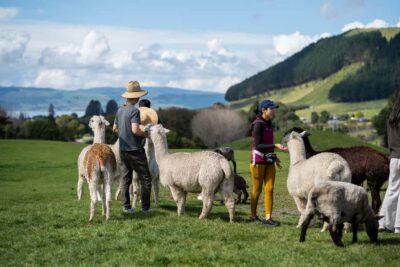
Your main on-site time is a guided visit at Palaimos g. 13A. Plan for about one hour on the farm, where you’ll meet the alpacas, learn what to look for, and do interactive activities.
What you actually do (not just watch)
The core activity is simple in the best way: you get food and feed the alpacas by hand. You’ll be close enough to see how they hold their heads, how they approach, and how different individuals react to people. It sounds small, but it changes your whole experience. Instead of watching from a distance, you’re part of the moment.
You’ll also get pictures with the alpacas. That usually means the guide gives you practical opportunities to step in, pose, and capture the fluff without making it awkward. If you’re traveling with kids or you’re the type who always ends up with one good animal photo at the end of the day, this is exactly the sort of stop that delivers.
What the guide teaches you
A standout here is the character-based way the guide talks about alpacas. In several bookings, the guide Arthur/Artur is praised for sharing facts and personality notes throughout the visit. That matters because you stop treating the alpacas like generic cute animals and start reading them like living creatures.
You’ll also get an explanation of the alpaca journey from Peru to Lithuania. That background gives your visit a storyline: these animals aren’t just here for entertainment, they’re part of a bigger farming effort with a real origin story behind it.
The owner meet-and-greet (30 to 45 minutes that adds meaning)
One of the most valuable parts is the time with the alpaca farm owner—around 30 to 45 minutes. This isn’t presented as a rushed handshake. It’s built into the experience so you can ask questions and get a more grounded view of the farm.
This is where you’ll likely learn about daily care routines, general temperament, and what makes the animals comfortable. That context matters because hand-feeding goes much better when you understand how to behave around the animals and why calm handling is part of animal welfare.
It also helps explain why the alpacas are described as well cared for in bookings. When an owner is present and the animals look healthy, you feel the difference immediately—less nervousness, fewer frantic interactions, and more relaxed curiosity from the alpacas.
Feeding alpacas by hand: how to make it feel easy
Hand-feeding is fun, but it’s also where comfort and safety matter. The guide will show you the basics, and you’ll get included alpaca food for the activity. Then it’s your turn.
Here’s how to set yourself up for a good moment:
- Wear comfortable shoes. Even on a short farm visit, you’ll move on outdoor ground.
- Bring a hat. Time outside adds up faster than you expect.
- If you get insect bites easily, pack insect repellent (more on that below).
When you’re feeding, don’t force it. Alpacas often decide how close they want to be. The best interactions come when you stay relaxed, keep movements gentle, and let the animal approach at its own pace.
And yes, you’ll want photos. Just remember the best shots often happen while you’re feeding and paying attention—not while you’re trying to pose first. Let the moment lead.
Weather reality check: rain rules you’ll want to know
There’s one practical limitation you should treat seriously: alpacas are not allowed to go out in rainy condition. That doesn’t mean the whole tour is guaranteed to fall apart, but it does mean the farm’s setup may change if weather is wet.
So if you’re traveling during a rainy season, plan with flexibility. Bring a layer you can adapt quickly, and consider what you’ll do if outdoor time gets shortened or rearranged. The good news: this tour is short (two hours total), so even weather disruptions don’t turn into a half-day loss.
Duration and flow: why two hours works so well
This is a short tour on purpose. Two hours is enough for the pickup, the guided farm visit, and a satisfying hands-on experience—without tiring out kids, without exhausting adults, and without turning “cute alpacas” into a rushed factory line.
The flow is straightforward:
1) Pickup in Vilnius
2) Arrival and guided visit at Palaimos g. 13A
3) Return to Vilnius
Because it’s private, you can keep things relaxed. You’re not waiting behind a wall of strangers to get your turn feeding animals.
Price and value: is $47 per person worth it?
At $47 per person for about two hours, you’re paying for three things: transport from Vilnius, guided farm time, and included interaction (feeding food and photos).
If you’re the kind of traveler who likes animal encounters that are calm and personal rather than distant and scripted, this price starts to make a lot of sense. What you’re buying isn’t just a photo—hand-feeding, a guide who explains what you’re seeing, and a farm owner intro that gives context to the alpaca story.
Also, because it’s a private group, you avoid the tradeoff you often see in group tours, where you end up spending more time standing around than interacting. You’ll feel that value most if you want better attention from the guide and more control over your pace.
Who this tour fits best (and who might want something else)
This is a strong match for:
- families looking for a gentle outdoor activity
- animal lovers who want a real interaction (feeding, not just watching)
- couples who want something different from castles and churches
- anyone who enjoys learning while doing
It’s not a good match for wheelchair users, and it’s also not suitable for babies under 1 year or people over 95 years (these details matter for any outdoor farm visit).
What to bring for a smoother visit
Pack like you’re going to a small countryside stop where you might stand, walk a bit, and be outside for a short stretch:
- Comfortable shoes
- Hat
- Change of clothes (smart for any outdoor animal encounter)
- Insect repellent
- Biodegradable insect repellent (if you can, use this option since it’s requested)
If you’re coming from Vilnius straight into the park, you’ll be glad you have a hat and a backup layer. Outdoor temps can shift quickly, especially around forest views.
Booking tips and practical choices
A private group can be a big advantage here. You’ll get more direct guide attention, better timing for photos, and a less chaotic feeding experience.
If you care about adding cultural stops, decide early. If you want Trakai Castle or Užutrakis Manor on the return to Vilnius, let the operator know in advance so the plan can include it for an additional fee.
Finally, if you’re sensitive to rain rules, check weather before you go and be prepared for the alpaca “outdoor time” limitation when it’s wet.
Should you book this Vilnius alpaca farm tour?
I’d book it if you want a short, meaningful countryside break with hand-feeding and a friendly guide who explains alpaca personalities. The standout theme in the experience is personal attention—especially from guides like Arthur/Artur—plus a farm owner intro that turns cute animals into a real story about care and origins.
I’d think twice if you need full outdoor certainty in rain, or if your travel style requires step-by-step access plans for mobility needs. Otherwise, it’s a great value use of a couple hours, and it’s the kind of day that makes you leave with photos you actually want to show.
FAQ
What is the duration of the Vilnius–Trakai private alpaca farm tour?
The activity lasts about 2 hours total.
Where do you get picked up in Vilnius?
Pickup is from a location in Vilnius, with pickup included as part of the tour.
How long is the guided visit at the alpaca farm?
You’ll have a guided tour visit for about 1 hour at the alpaca park at Palaimos g. 13A.
What’s included in the tour price?
The tour includes pickup and drop-off in Vilnius, an introduction about the alpaca journey from Peru to Lithuania, an excursion with the alpaca farm owner, alpaca feeding (food included), pictures with alpacas, and guided time.
Do I get to feed the alpacas?
Yes. Alpaca feeding is included, and you feed them by hand with included food.
What languages is the live guide available in?
The guide is available in English, Russian, and Turkish.
Can we add Trakai Castle or Užutrakis Manor?
Yes, you can ask to visit Trakai Castle or Užutrakis Manor during the return to Vilnius for an additional fee if you notify in advance.
Are the alpacas allowed outside in rainy weather?
No. Please note that alpacas are not allowed to go out in rainy condition.
What should I bring?
Bring comfortable shoes, a hat, change of clothes, and insect repellent. Biodegradable insect repellent is specifically recommended.
Is the tour refundable if plans change?
Yes. You can cancel up to 24 hours in advance for a full refund.