Blue water hits fast. Then the animals and flowers follow.
This one-day trip strings together Asahiyama Zoo, the Aoi-Ike (Blue Pond), and Farm Tomita into a practical circuit, so you’re not hunting buses or juggling multiple tickets. I like how it keeps the day moving with short, focused stops, and I also like the feel of getting out into open air instead of spending the day in transit.
What I like most is the mix: close-up animal time at Asahiyama Zoo and that seriously weird Blue Pond color at Aoi-Ike. The blue is not a gimmick—it’s tied to a natural event and even shows up differently if you view the pond from the back. A possible drawback: you’ll have limited time at each place, and the narration support is mostly Japanese, with only simple English.
In This Review
- Key highlights to know before you go
- A one-bus Hokkaido sampler: zoo, blue pond, and flower fields
- Asahiyama Zoo: seeing polar bears, arctic foxes, red pandas, and deer
- Patchwork Road views from the window (without the parking headache)
- Aoi-Ike Blue Pond: why the water looks impossibly blue
- Farm Tomita: lavender timing, seasonal flower changes, and what you’ll see in November
- Campana Rokkatei and service-area breaks: practical stops that keep the day pleasant
- Price and value for a $75, 10-hour day with included fees
- Getting the timing right: short stops, traffic changes, and language reality
- Who this tour suits best (and who should skip it)
- Should you book the Biei Blue Pond, Zoo, and Tomita day trip?
- FAQ
- How long is the tour?
- Is lunch included?
- What’s included in the price?
- Which attractions have admission included or free?
- What animals can you expect to see at Asahiyama Zoo?
- When is the best time to see lavender at Farm Tomita?
- Will I be able to see flowers in November?
- What language will I hear during the tour?
Key highlights to know before you go
- Asahiyama Zoo, up close: big northern animals plus smaller standouts like red pandas and arctic foxes
- Aoi-Ike Blue Pond color trick: view it from different angles for a deeper blue effect
- Farm Tomita timing matters: mid-to-late July is usually peak lavender, while November shifts to greenhouse-only flowers
- Scenery stops with low effort: Patchwork Road views from the window keep the day easy
- Small group energy: up to 45 people, plus an air-conditioned vehicle
- Value in included admissions: zoo entry is included, and other attractions are typically free
A one-bus Hokkaido sampler: zoo, blue pond, and flower fields
This tour is built for people who want the big names of central Hokkaido in one day: animals, the famous blue pond, and a flower garden that changes by season. The route is designed around time efficiency—think short sightseeing blocks rather than long wandering marathons.
I like that it feels structured without being stressful. You get a vehicle that handles transfers, air-conditioning for the ride, and included fees and taxes. You still have freedom where it counts, like choosing your own lunch.
The main thing to keep in mind is that the day is packed. The stops are long enough to see what you came for, but not long enough for slow, lingering photo marathons at every single viewpoint.
You can also read our reviews of more tours and experiences in Sapporo.
Asahiyama Zoo: seeing polar bears, arctic foxes, red pandas, and deer
Asahiyama Zoo is the anchor stop. You get about 2.5 hours there, which is enough time to do a sensible loop: catch the headline exhibits first, then circle back for the smaller surprises.
What makes this zoo worth your time is the variety of animals tied to cold-climate habitats. You’re set up to see polar bears, arctic foxes, red pandas, and Hokkaido deer, all in a single outing. Even if you’re not a zoo superfan, this lineup is strong because it covers both dramatic and charming animals.
A practical tip: go in with a photo plan. With limited time, you’ll enjoy it more if you decide what you want to see most (for many people, it’s polar bears first, then the smaller ones). If you wander randomly, you’ll still have a good time—but you’ll spend more time deciding what’s next.
Lunch is on your own expenses at this point, so come hungry, but not blind. I’d treat it as a “grab something you can eat without losing the whole morning” moment.
Patchwork Road views from the window (without the parking headache)
Between the zoo and the Blue Pond, you’ll pass through the Road of Biei Patchwork area. This is one of those places where stopping can turn into a time sink, so the tour approach keeps it simple: scenery from the window.
That matters because it preserves your energy for the stops that actually require walking time. Even from the bus, you’ll catch the signature patchwork feel—fields broken up into color blocks—especially when the light is decent. It’s a “quick satisfaction” stop, not a full photo session.
If you’re the type who likes to shoot lots of landscape photos, you may wish for more time here. For most people, though, it’s a good trade: you don’t lose the day’s rhythm, and you still get the visual payoff.
Aoi-Ike Blue Pond: why the water looks impossibly blue
The Aoi-Ike Blue Pond is the heart of the blue obsession. It’s famous for the way the pond’s surface appears blue, and it’s not random.
This pond is linked to an unexpected natural event after the eruption of Mt. Tokachi. The color comes from a natural phenomenon, and the effect can look even more dramatic if you walk around to the back side of the pond. There, you can see that the river water is also a deep blue color.
What I love about Aoi-Ike is the atmosphere. When the larch trees have gone withered and pale, the pond turns into this quiet, slightly eerie scene. It feels more like a landscape you found than a park you visited, even though it’s an organized stop.
Time is short here—around 15 minutes—so don’t get stuck waiting for the perfect photo angle for too long. Pick a couple of viewpoints, take your shots, and then walk onward. The best part of this pond is the change in perception as you move, especially with that river-water color detail.
Farm Tomita: lavender timing, seasonal flower changes, and what you’ll see in November
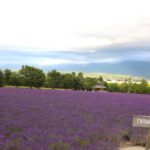
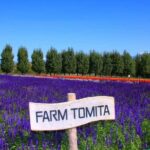
Farm Tomita is where the tour pivots from “mysterious natural color” to “planned flower color.” The garden is known for colorful seasonal scenery, and lavender is the main attraction.
Here’s the key timing: the best time to see lavender is usually mid to late July (often described as mid-July to early August). If you’re traveling in that window, you can expect the classic look that made Farm Tomita famous.
But you shouldn’t assume the garden looks the same year-round. Depending on the season, you’ll get different flowers. If you’re visiting in May, October, or November, your time here may be about 30 minutes instead of longer (the tour gives longer time in other periods). So you’ll want to decide quickly where to go for your must-see blooms.
One more important detail if you’re going in November: you might not be able to see many flowers in open areas, except in limited spots like the greenhouse. The upside is that the shop experience still works. You can purchase popular products made with lavender grown at Farm Tomita—things like original cosmetics and aroma oils.
I like that this tour doesn’t pretend flowers are the same in every season. It’s honest about what you can and can’t see, and it gives you time to still enjoy the experience through the garden or the retail side.
Campana Rokkatei and service-area breaks: practical stops that keep the day pleasant
The tour includes a famous souvenir stop: Campana Rokkatei. It’s a straightforward break for shopping and snacks, and the time is about 30 minutes. If you want to bring back treats without turning it into a separate errand day, this slot is convenient.
There are also two service-area breaks (Sunagawa and Iwamizawa Outbound). Each is around 15 minutes. These stops matter more than they sound. They help you reset before the next sightseeing block and keep the day comfortable, especially when winter or shoulder-season weather makes outdoor time feel longer.
Because the day runs roughly 10 hours, those short breaks also help you avoid the “we’re all tired, now photos look terrible” spiral.
Price and value for a $75, 10-hour day with included fees
At $75 for about 10 hours, this tour can be a very good deal if you value convenience and included entries. The big cost saver is that the tour covers all fees and taxes, and Asahiyama Zoo admission is included.
Other stops—like the Blue Pond and Farm Tomita—are listed as admission-free for your visit time. There’s also no separate ticket hassle you have to manage on the ground.
The tradeoff is that lunch isn’t included. So budget for your own meal, especially on the zoo half of the day. Still, even with that, the pricing works well for people who would otherwise spend time figuring out transit and buying multiple tickets.
The group is capped at 45 travelers, and that tends to make the day feel more manageable than giant open-bus crowds. Combine that with an air-conditioned vehicle and the day feels efficient rather than chaotic.
Getting the timing right: short stops, traffic changes, and language reality
This tour runs on a schedule, but Hokkaido traffic and seasonal conditions can shift things. The itinerary notes that sightseeing duration may change due to traffic and the number of passengers. Flower timing can also vary because of weather, which can shorten the garden portion.
Sometimes the arrival time may be earlier than scheduled because of holiday breaks or facility restrictions. In a real-world sense, that means you should plan to be ready a bit before departure time, not right at the last second.
Also, the language used on this tour is Japanese, with simple English provided. There’s no tourist information during the tour, and bus announcements may not be full English throughout. If you want to understand everything, bring your translation app and keep expectations realistic.
One more logistics detail: bus seat requests aren’t accepted. So if you care about window seats for photos, you’ll need to be flexible and follow the group’s boarding process.
And if you’re thinking about sitting out parts of the day: latecomers or no-shows can’t be refunded, so treat the meeting time like a must.
Who this tour suits best (and who should skip it)
You’ll likely love this tour if you:
- want major Hokkaido highlights in a single day without transit stress
- enjoy animal encounters more than deep museum-style history
- like seasonal nature experiences and photos, but don’t need hours at one location
- prefer a small-group feel (up to 45 people) with a ride that handles transfers
I’d consider skipping—or at least temper expectations—if you:
- hate short stop times and want slow, independent wandering
- need full English narration throughout the bus ride and on-site guidance (the support is limited)
- want lunch included and don’t want to make any meal choices
The tour is built for “see the key things, then move on.” If that’s your style, the schedule actually works.
Should you book the Biei Blue Pond, Zoo, and Tomita day trip?
Yes, if your goal is a one-day sweep of Hokkaido’s famous sights and you’re okay with short visits. The value is strongest when you want the Asahiyama Zoo admission, the Blue Pond’s signature color, and Farm Tomita’s seasonal flower experience without piecing together transport and tickets.
Before you book, check your travel month. Lavender looks best in mid to late July (often stretching into early August), while November changes the experience—fewer open flowers, more greenhouse viewing and lavender products. If you go in the off-peak months, you can still enjoy the day; you just need to adjust what you expect to see.
If you’re sensitive to language barriers, plan to rely on simple English and your own device for extra understanding. And if you’re a “slow traveler,” consider this a sampler day, not a deep-dive outing.
FAQ
How long is the tour?
The tour runs for about 10 hours.
Is lunch included?
No. Lunch is not included, so you’ll pay your own expenses.
What’s included in the price?
The tour price includes air-conditioned vehicle and all fees and taxes.
Which attractions have admission included or free?
Asahiyama Zoo admission is included. The Blue Pond (Aoi Pond) and Farm Tomita are listed as admission free. Service-area and souvenir stops are also listed as no additional admission.
What animals can you expect to see at Asahiyama Zoo?
The tour focuses on animals including polar bears, arctic foxes, red pandas, and Hokkaido deer.
When is the best time to see lavender at Farm Tomita?
Lavender is usually best from mid to late July, often extending from mid-July to early August.
Will I be able to see flowers in November?
In November, you may not be able to see flowers in open areas except in limited places like the greenhouse. You can still buy popular lavender products at the shop.
What language will I hear during the tour?
The tour language is Japanese, with simple English provided. There is no tourist information during the tour.