REVIEW · ESSAOUIRA
Berber Cooking Class at a Farm in the Countryside & shopping at a rural Souk.
Book on Viator →Operated by Ecotourism and Hiking · Bookable on Viator
Berber cooking here is more than a class. You start with real market ingredients and end in an authentic farm kitchen, where Khadija and Khadija teach you how everyday food becomes everyday comfort in the Haha hills. I especially liked the hands-on bread-making details and the calm pace of clay-oven cooking in the countryside.
One thing to keep in mind: the day runs outdoors when possible, and lunch depends on the weather. If it’s not good, expect adjustments, but the experience still centers on the cooking and farm setting.
In This Review
- Key things to know before you go
- Why a Berber Farm Day Outside Essaouira Works So Well
- Meeting at 9:00 and Setting Off Toward the Rural Souk
- The Rural Souk Stop: Learning Ingredients Before You Cook Them
- Inside the Ecological Berber Kitchen: Barley to Flour
- Clay-Oven Flat Bread and Clay-Pot Couscous
- Tagine of Vegetables and Goat Meat: The Flavor Core of the Lesson
- Lunch Outside When Weather Allows, Then Tea From the Garden
- Argan Oil Cooperative Option and the Goats in Trees Moment
- What You’re Paying For: Price, Group Size, and Time (7 Hours)
- Language, Guides, and How the Day Feels in Practice
- Should You Book This Berber Cooking Class and Rural Souk Day?
- FAQ
- How long is the Berber cooking class and souk tour?
- Where does the tour start in Essaouira?
- Will lunch definitely be served outside?
- What cooking skills and dishes are included?
- Is there an optional stop for argan oil?
- How big is the group?
Key things to know before you go
- A small group (max 8) keeps the lesson hands-on and makes questions easy
- Souk shopping first means you learn ingredients before you cook with them
- Roasting barley, then grinding it on a stone mill shows the full grain-to-flour process
- Clay oven + clay pot couscous is the practical difference-maker for texture
- Tagine with vegetables and goat meat comes with Moroccan spices and farm olive oil
- Argan zone option can add a stop at an oil cooperative, plus the chance to see goats in trees
Why a Berber Farm Day Outside Essaouira Works So Well
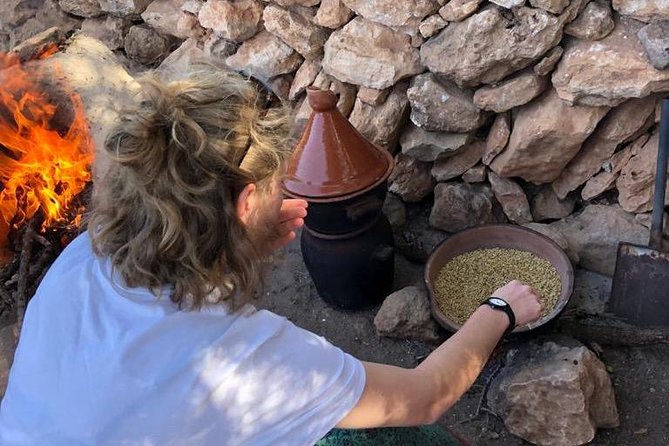
Essaouira is great, but this trip gives you something different: the food system behind the city. You drive about 35 km south into the Haha region, where Berber families farm and keep goats and sheep. That context matters. When you’re cooking with barley, olive oil, vegetables, and goat meat, you’re not just following steps—you’re learning how these staples fit into a working farm routine.
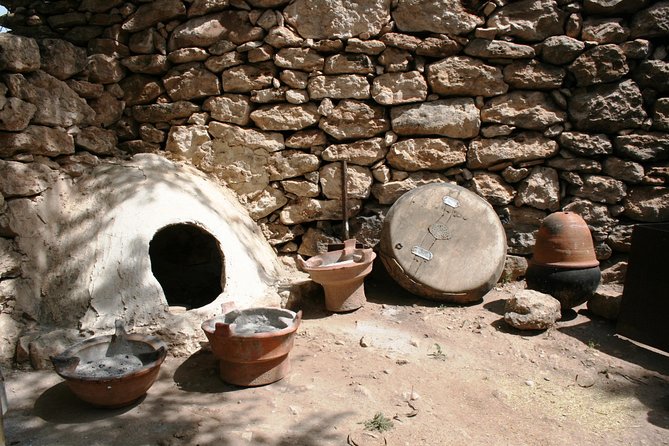
What makes this day especially appealing is the mix of two worlds. You get the market side first, with fresh produce and everyday ingredients, then you switch to a kitchen that uses traditional tools: a stone mill, a clay oven, and a clay couscous pot. It’s both educational and genuinely relaxing, especially if you like food that tastes like it belongs to the place you’re standing.
You’ll also notice the format is small and personal. This isn’t a big bus-and-bites setup. The group is capped at 8, so you’re more likely to cook, ask, and actually understand what’s happening.
Meeting at 9:00 and Setting Off Toward the Rural Souk
You start at Labo Abdelkrim Khatabi d’Analyses Médicales on Rue Oued El Makhazine in Essaouira, with a 9:00 am start. You’ll head south to the Haha hills, and the timing matters because the day is planned around what’s freshest and what’s practical for cooking.
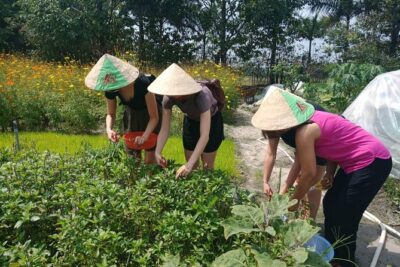
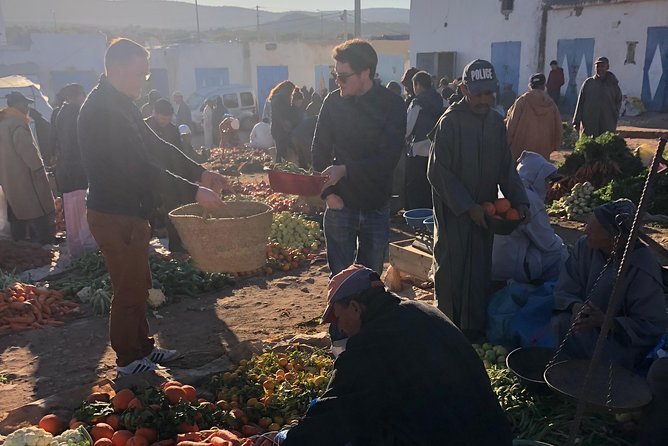
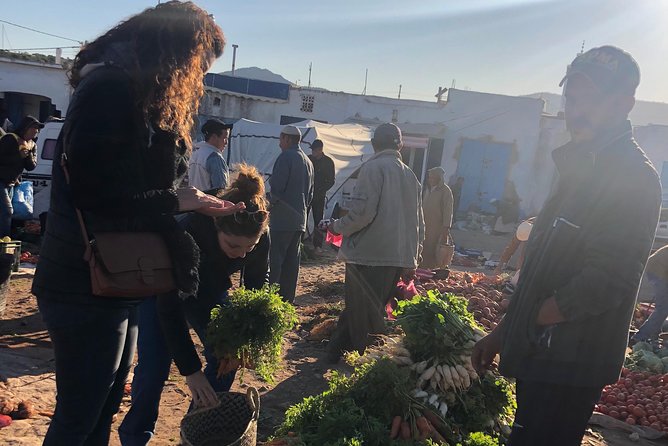
After pick-up, you don’t jump straight to the lesson. You head to a local souk first—fruit and vegetables, plus meat, eggs, honey, and the staples you need for the dishes you’ll make later. This order is smart. You’ll understand the cooking ingredients while they’re still fresh in front of you.
Also, you can expect driving along the route through the argan zone later. That’s relevant because it affects the optional stop. So even if you’re only there for the cooking class, the itinerary includes the scenery and rural rhythm that make the food lessons feel real.
The Rural Souk Stop: Learning Ingredients Before You Cook Them
This is one of the best parts because it’s where your senses catch up with the recipe. You’ll walk through a souk stocked with freshly harvested fruit and vegetables. You’ll also find the rest of the essentials: meat, eggs, and honey. In other words, it’s not only about produce—it’s about the everyday building blocks of Berber meals.
Even if you don’t plan to shop much, you’ll learn. You’ll connect what you see—grains, vegetables, oils, and common proteins—to what you’ll later roast, grind, bake, and steam. It’s a small sequencing trick that makes the cooking part click faster.
If you like markets, this stop gives you an adventure that doesn’t require extra effort. You’re guided to the right place, and you’re there for a purpose: to buy or identify ingredients that match the farm kitchen menu. And because the group is small, you’ll be able to ask what ingredients are for without feeling rushed.
Inside the Ecological Berber Kitchen: Barley to Flour
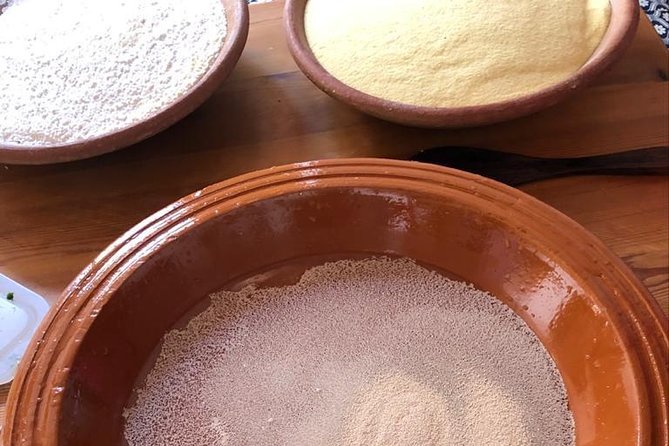
The farm kitchen is where the day turns from shopping into skill-building. It’s described as an ecological farm setup built around an authentic Berber kitchen, with traditional preparation items ready for your class.
The key moment here is how the lesson starts with grains. Khadija and Khadija show you how they roast barley grains over the fire, then grind them using a stone mill. That’s not just a neat demonstration. It’s the practical foundation for the flat bread and couscous you’ll be making.
Why this matters for you: barley is one of those ingredients people often treat like a background flavor. When you see it roasted and turned into flour and semolina, you’ll understand the taste shift that makes the final bread and couscous feel more grounded and hearty.
This is also a great segment if you like process. You can watch the transformation, ask questions about timing and texture, and learn why certain steps happen before others. And since you’re doing it with real tools—fire, stone, and traditional grinding—it feels like you’re learning the logic of the kitchen, not just memorizing steps.
Clay-Oven Flat Bread and Clay-Pot Couscous
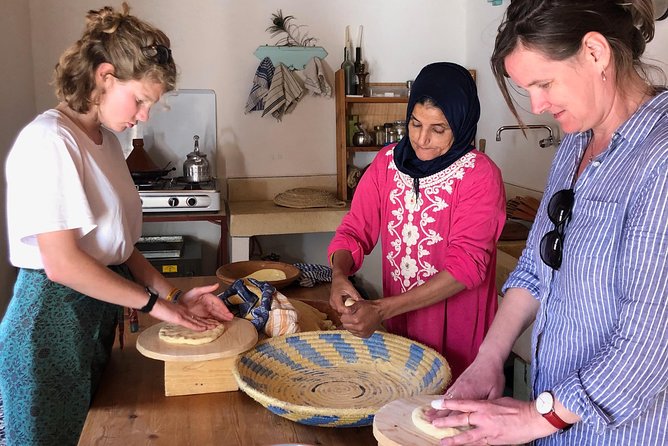
After the grain prep, you move into cooking tasks that are both traditional and surprisingly tactile. You’ll bake flat bread in a clay oven, and you’ll steam couscous in a traditional clay pot.
These aren’t decorative details. Clay changes the way heat behaves. In simple terms, it helps distribute heat more evenly and creates a cooking environment that traditional methods were built for. For you, the payoff is texture: bread that feels properly baked rather than rushed, and couscous that tastes like couscous should—steamed with care, not just reheated.
If you’re the type who cares about bread, don’t skip this part. This is the moment where you’ll likely smell the dough and see the bread develop during baking. And if you’ve only eaten couscous in restaurants, steaming it in the clay pot helps you understand why good couscous is all about gentle, consistent heat.
Also, the lesson style matters. With a maximum group size of 8, you’ll have room to get your hands involved, or at least close enough to follow the steps without craning your neck.
Tagine of Vegetables and Goat Meat: The Flavor Core of the Lesson
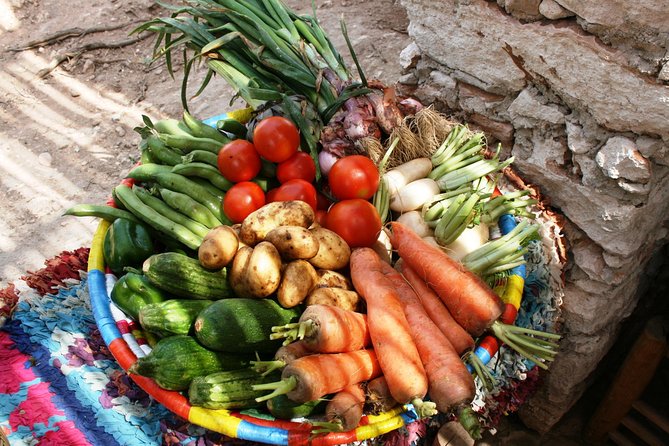
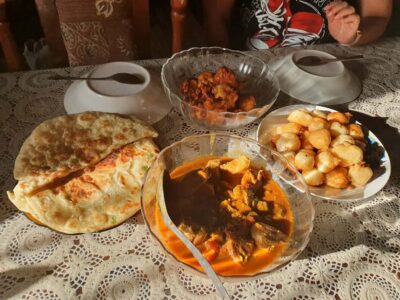
Once the bread and couscous are underway, you shift to the main dish: a traditional tagine of vegetables and goat meat. You’ll learn how Moroccan spices and olive oil come together to season the pot.
The olive oil detail is especially worth paying attention to. The tour notes that the oil comes from olive trees on the farm. That means you’re not tasting an abstract pantry ingredient. You’re tasting something grown in the same countryside world you’re cooking in.
For value, this part is a big win. You’re learning one of Morocco’s signature dishes in a format that’s built for home-style flavor rather than complicated technique. You’ll likely leave with a clearer sense of spice balance—how the flavors work with the vegetables, and how the meat contributes richness.
If you’re curious, ask about spice use during the lesson. You won’t get a perfect recipe translation everywhere, but you can usually learn the logic: layering, timing, and how much olive oil and seasoning gives you depth without overpowering.
Lunch Outside When Weather Allows, Then Tea From the Garden
You’ll eat after the cooking, and the plan is to serve lunch outside if possible. That depends on the weather, but when it works, it’s one of those rare meals that feels like an event instead of just food.
Eating outdoors matters on this tour because it matches the farm setting. You’re not sitting in a restaurant with plates arriving at different times. Instead, the meal comes right from the rhythm of the kitchen you’ve been learning in.
After lunch, you’ll enjoy tea infused with fresh herbs from the garden. This is a detail I love because it’s a small sensory reset. The tea ties the day back to the farm, and herbs are one of those ingredients people often treat as garnish. Here, it’s part of the menu experience from start to finish.
Practical tip for you: if you tend to get cold easily, bring something light to wear after lunch. Even in warmer months, outdoor time can shift quickly once the sun angle changes.
Argan Oil Cooperative Option and the Goats in Trees Moment
As you drive through the argan zone, you’ll have the option to visit an argan oil cooperative. The idea is to learn about how argan oil is produced—an oil unique to the area—and to taste what the cooperative makes with it.
You’re not promised this stop every time; it’s an optional add-on. But it’s a great match for the day because it connects another farm-to-table ingredient to the cooking you’ve been doing. You’ll already have touched olive oil in the tagine lesson. Now you can see how a different regional crop becomes a prized product.
And then there’s the famous detail: you very likely will see goats in the trees on this part of the route. This is one of those Morocco sights that feels half myth, half real. It’s not just a photo moment either—it reinforces the point that the region’s animals and farming practices are woven into the landscape and economy here.
If you’re a nature lover, this section adds variety between cooking and eating. If you’re not, it still works because it’s tied to how the region produces what ends up in everyday life.
What You’re Paying For: Price, Group Size, and Time (7 Hours)
At $98.76 per person for about 7 hours, you’re buying more than a recipe handout. You’re paying for guided souk time, farm transport from Essaouira, a full cooking workflow (barley roasting and milling through bread and couscous to tagine), and a meal plus herb tea.
The small group size (max 8) helps justify the price. Big group classes often turn into watch-only experiences. Here, the structure makes it easier to participate and actually understand the steps. You’re also less likely to get stuck waiting for your turn.
Two other practical points affect value:
- The class happens in a real working farm kitchen, not a staged studio.
- You return to the meeting point at the end, so you’re not juggling transfers or finding your own way back.
Also, the rating trend is strong: 94% recommended and an overall 4.8 from 18 reviews. That’s a sign the format consistently delivers what it promises: a full cultural food day with people who focus on teaching rather than rushing.
Language, Guides, and How the Day Feels in Practice
The tour description highlights Khadija and Khadija as the women who teach key steps like barley roasting and stone milling. That matters because you’ll likely spend more time with them during the cooking core.
There’s also a review mentioning a German-speaking guide named Nicole, who led the day. So if you’re traveling in a group that includes German language support, you might find the explanations are tailored and clear.
How it should feel for you: relaxed, hands-on, and grounded in real food preparation. This is not just a demonstration where you take notes. It’s a day where you see ingredients move through the kitchen, then you eat the results outside if conditions allow.
Should You Book This Berber Cooking Class and Rural Souk Day?
I’d book it if you want a Morocco food experience that feels practical and place-based. You get souk shopping, barley-to-flour learning, clay-oven bread, clay-pot couscous, and a tagine lesson with vegetables and goat meat. Add herb tea, and possibly an argan cooperative stop, and the day has enough variety to feel complete.
I’d think twice only if you know you struggle with outdoor timing. The experience requires good weather, and lunch is served outside if possible. You should be comfortable with the countryside rhythm and the fact that the day is built around farm life, not indoor scheduling perfection.
If you’re the kind of traveler who likes to leave with skills you can repeat—rather than only photos—this is one of those days that sticks. You’ll leave knowing how grains, ovens, pots, and spice logic fit together in everyday Berber cooking.
FAQ
How long is the Berber cooking class and souk tour?
It’s about 7 hours.
Where does the tour start in Essaouira?
The meeting point is Labo Abdelkrim Khatabi d’Analyses Médicales, 287 Rue Oued El Makhazine, Essaouira 44000, Morocco.
Will lunch definitely be served outside?
Lunch is served outside only if weather allows.
What cooking skills and dishes are included?
You’ll learn to roast and grind barley for flat bread and couscous, bake flat bread in a clay oven, steam couscous in a clay pot, and make a tagine of vegetables and goat meat with Moroccan spices and olive oil.
Is there an optional stop for argan oil?
Yes. During the drive through the argan zone, you can opt to visit an argan oil cooperative and taste products made with argan oil.
How big is the group?
The activity has a maximum of 8 travelers.