REVIEW · CAN THO
Can Tho: Floating Market explore local life, Mekong farm
Book on GetYourGuide →Operated by FME travel · Bookable on GetYourGuide
Breakfast on the Mekong feels like stepping back. This Cần Thơ ecotour is built around real floating market life and quiet, non-touristy canal time, not a rushed checklist. I especially like the meal-and-activity flow (fruit, breakfast, then hands-on food at local homes), and I also like the way each stop ties back to small families. The only real drawback: you’re up early (around 5:30 AM), and the day includes boats plus some walking.
What makes it work is the human scale. The route moves through places that run on family routines, with a guide who helps you make sense of what you’re seeing. If you’re lucky with your guide, you might get someone like Tieu Phung, who people describe as helpful, funny, and in a good mood.
You’ll pay about $54 and get a full morning out of it, plus optional cooking if you want to extend your day. Just know the boat rides are simple (a basic sampan, not a fancy cruise), so go in expecting authentic over polished.
In This Review
- Key reasons this Cần Thơ tour is worth your time
- The value math: what $54 buys you in Cần Thơ
- Sunrise pickup and the rhythm of an early Mekong morning
- Cái Răng floating market: breakfast, fruit, and real river routine
- Boat time on the Mekong and those simple sampans
- Pineapple boat stop and river snacks that teach you how people live
- Family noodle house: make rice noodles the traditional way
- Small canal paddling: the quiet side of the Mekong
- Village walk: small steps, real daily life
- Cacao farm with Mr. Cacao: taste cacao milk and learn the process
- The boat cruise and the return to Cần Thơ city
- Optional cooking class: extend the day for a hands-on food payoff
- Logistics that actually matter: what to wear, bring, and expect
- Who should book this Cần Thơ ecotour (and who should skip it)
- Should you book this tour?
- FAQ
- What time does the Can Tho floating market ecotour start?
- How long is the tour?
- Is breakfast included, and do you offer vegetarian options?
- What languages do the guides speak?
- Is hotel pickup included everywhere in Can Tho?
- Is the tour suitable for wheelchair users or people with certain medical issues?
Key reasons this Cần Thơ tour is worth your time
- Sunrise Cái Răng floating market breakfast prepared by a local vendor, with fruit and river talk
- Paddle-powered canal time in small waterways where you hear nature and spot coconut and water palms
- Hands-on rice noodle making at a family-run house, with traditional techniques
- Cacao farm visit with cacao milk and explanation from the Mr. Cacao–style family artisan
- Village walk that stays practical for seeing daily life (not a performance)
The value math: what $54 buys you in Cần Thơ
At roughly $54 per person for a 7–9 hour day, the price doesn’t look “cheap,” but it’s also not just sightseeing. You’re getting a full package: hotel-area pickup and drop-off in Can Tho city center, an English/french-speaking guide, a sampan with a boat driver, breakfast (including vegetarian options), fruit and drinks, plus entrance fees for the key stops like the floating market, noodle house, cacao farm, and village walk.
For me, the best part of the value is that you’re not paying extra for the “experience bits.” The food is included, and the activities are built around family homes and working farms, not themed attractions. That matters in the Mekong, where the difference between a look-and-leave trip and a meaningful one is often whether the plan includes time to learn from people who actually live it.
You can also read our reviews of more tours and experiences in Can Tho.


Sunrise pickup and the rhythm of an early Mekong morning
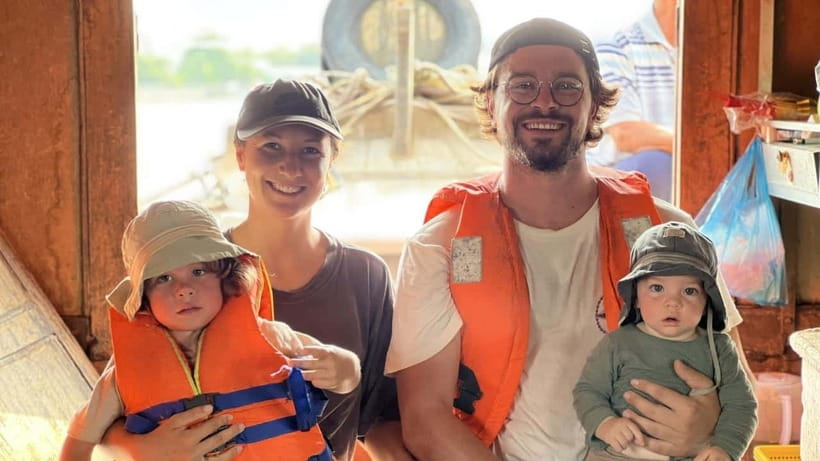
The tour starts early, around 5:30 AM. If you’re staying in the city center, pickup is included; if you’re farther out, there can be an extra fee. Either way, the timing is deliberate: you’ll start cruising and arrive at the market in the morning when the water traffic and atmosphere feel most alive.
This is also the part where you’ll feel the trade-off for the authenticity. Early mornings are not always fun. But in the Mekong, sunrise light on the river and canals is exactly what makes the whole day feel special—and it’s when families are moving and selling as part of normal routine.
Also note that timing can shift a bit with waterway/tide conditions. The schedule is flexible, and that’s a good thing. Boats on rivers aren’t like city buses; water levels and currents can affect how things run.
Cái Răng floating market: breakfast, fruit, and real river routine
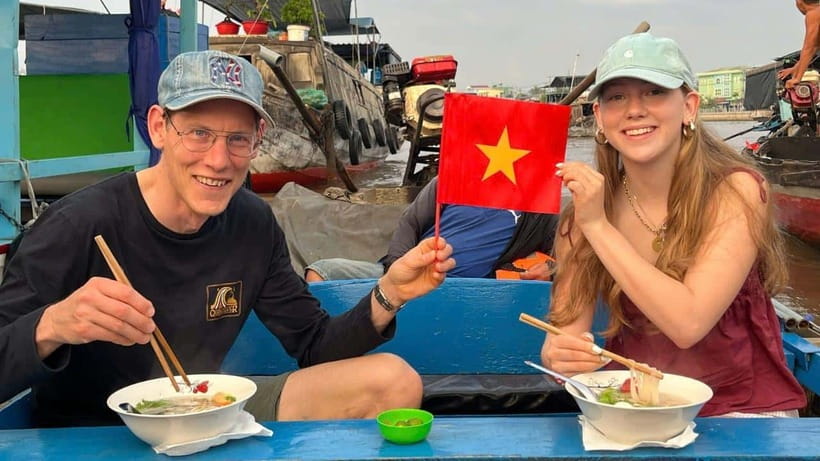
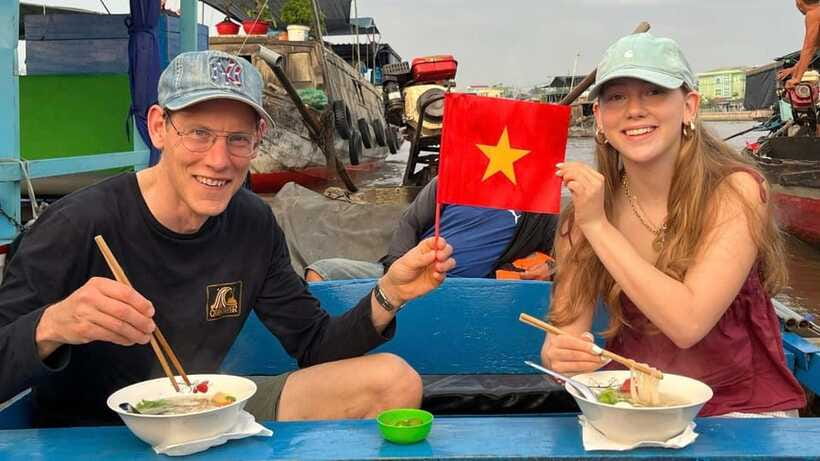
You’ll reach the Cái Răng Floating Market in the early morning (around 6:15 AM). The first big moment is breakfast. The tour includes breakfast prepared by a local vendor, with vegetarian options available.
What you’ll love here is the way food and place come together. Floating markets in the Mekong are not just a photo spot. People are buying, selling, cooking, and moving goods by boat. When breakfast is part of that same scene, you understand the market as work—not a performance.
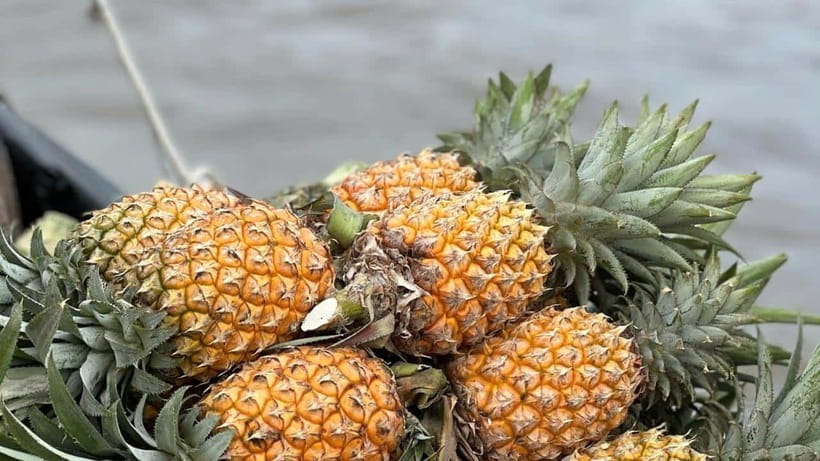
Before or around breakfast, you also get a stop connected to river fruit culture: a pineapple boat stop where you can taste fresh fruit and chat with vendors about daily river life. That matters because it turns your brain from tourist mode into “how does this place function?” mode.
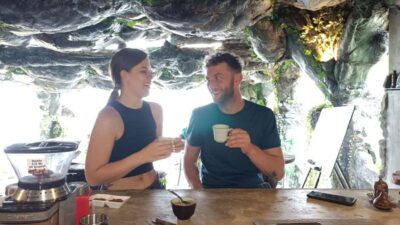
There’s also a part of the plan that allows you to slow down for another break at the market area, with options like coffee or tea and more time to look around. If you don’t like rushing, that breathing space helps.
Boat time on the Mekong and those simple sampans
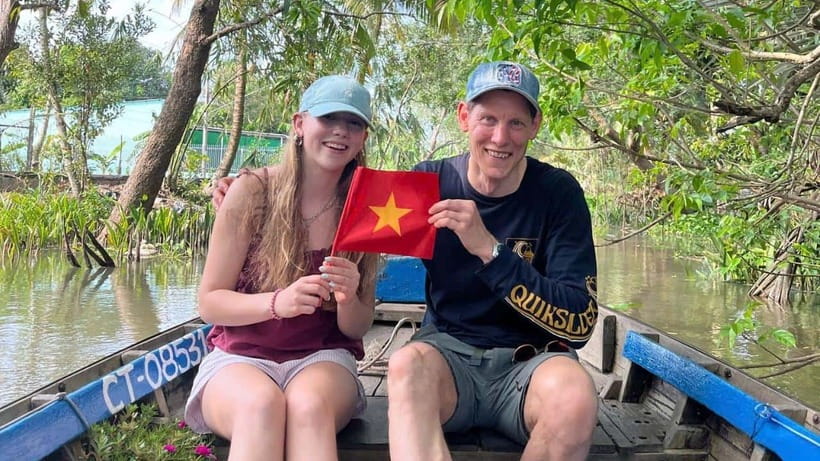
You’ll spend multiple chunks of time on the water, with short boat segments sprinkled between land-based stops. One piece of the itinerary includes a longer cruise back later, which gives you a chance to settle in and watch the riverbanks change as the day moves forward.
From a practical standpoint, the boats here are described as simple—not luxury. That’s actually good to know before you go. You’re on a sampan, with a boat driver, designed for getting around waterways, not for comfort-first cruising. If you’re okay with that, you’ll feel more connected to the rhythm of the delta.
If you do best with quiet sightseeing, bring the right expectations: the value is in the views plus the people, not in smooth surfaces and cushy seating.
Pineapple boat stop and river snacks that teach you how people live
One of the smartest parts of this tour is that you get food early and often—fruit and breakfast first, then more food-linked learning later. The pineapple stop isn’t just a tasting. It’s a quick lesson in local supply and river selling culture.
Taste fruit directly from the river vendors, and you’ll start noticing details: what people carry, how they talk, where they dock, and how the market connects to the rest of Cần Thơ’s water-based life. Even if your language skills are limited, your guide can help translate what you’re seeing.
This is the kind of stop that works especially well if you like markets and street food, and it’s less exciting if you expect big temples or dramatic monuments.
Family noodle house: make rice noodles the traditional way
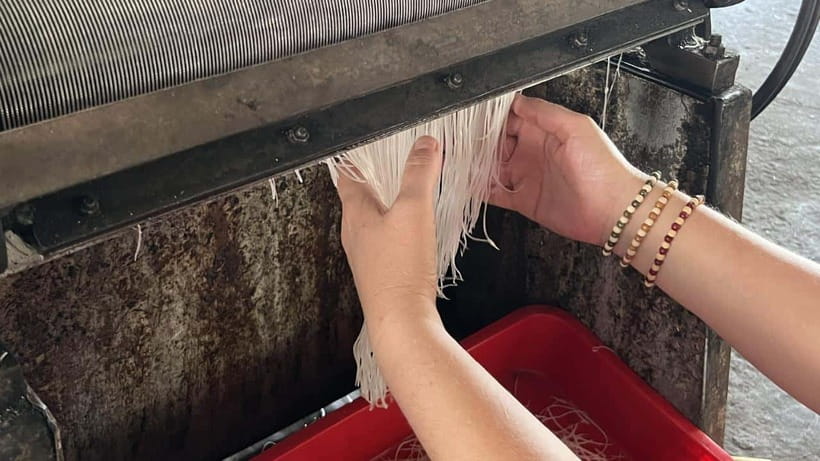
Around 7:00 AM, you shift from the river market scene to a family-run rice noodle house. This is one of the best “learning by doing” moments in the day.
Here’s the key value: you’ll see how colorful noodles are crafted by hand, and you can try making your own. The emphasis is on traditional technique, and it’s framed as something families pass down—not something staged for a tour line.
This stop is also practical for your own food memories. After you learn the basics—how dough turns into noodle shapes and how the process works—you’ll understand why certain dishes taste the way they do when you later eat them in Cần Thơ or elsewhere.
One potential drawback: this is not a sit-still photo op. Expect to get close to the process. If you’re sensitive to kitchen heat or want everything super clean and hotel-like, adjust your expectations.
Small canal paddling: the quiet side of the Mekong
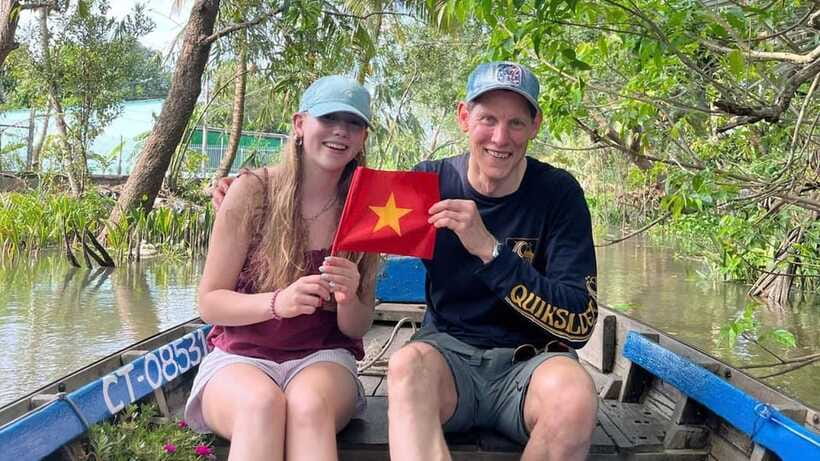
After breakfast and noodle work, you head into the small canals. The plan includes paddle-powered cruising in peaceful waterways—places described as prettier and less touristic than the main market areas.
This is where you get the sounds and the shapes that make the Mekong feel like more than a travel postcard. You can hear the gentle noise of paddling, and your guide helps you spot water palms and coconut trees.
This canal segment is also a nice break from food activities. If you’ve been thinking about the day as nonstop eating and watching, the canals help balance it with quiet nature time.
Wear shoes you don’t mind getting a bit damp. The delta is the delta.
Village walk: small steps, real daily life
A short walk through a local village gives you a closer look at daily living and traditional homes. You’ll get to experience the texture of everyday life—where people move, how houses sit in the neighborhood, and what daily routines look like outside the market context.
A village walk can be either meaningful or awkward depending on how it’s done. Here, the plan keeps it simple: a guided walk with a short stroll time, designed to add context to what you saw earlier on water and in kitchens.
If you want respectful interactions, keep it friendly and brief. That’s usually what helps most.
Cacao farm with Mr. Cacao: taste cacao milk and learn the process
Next up is a cacao farm visit (around 9:45 AM). This isn’t only about seeing plants. You’ll walk through the plantation area with a local artisan who explains cultivation and chocolate-making steps.
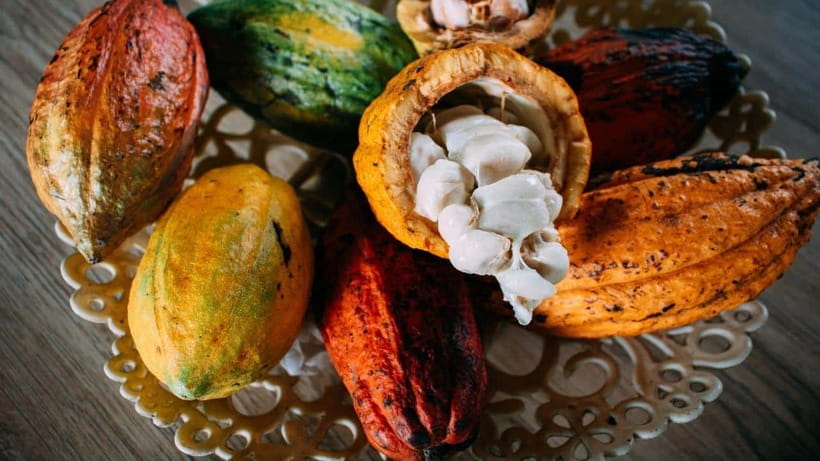
You also get to taste a glass of cacao milk, which is a great payoff because it connects the plant to the product. If you’ve only ever had chocolate in a store wrapper, cacao milk gives you a different flavor picture—more like a fresh, plant-based taste than a candy bar.
The other value here is the human scale. The description emphasizes “Mr. Cacao” style family insights and traditional methods tied to the farm’s ongoing legacy. That’s the kind of explanation you can use later when you’re comparing chocolate made the old way vs. modern factory production.
The boat cruise and the return to Cần Thơ city
Later, the route includes additional boat cruising time (including a longer stretch), then you return to the city area by late morning—typically around 11:30 AM to 12:30 PM.
This timing matters. It keeps the day from dragging into a full afternoon when you’d rather go back for lunch, showers, and a wander through central Cần Thơ. If you have energy afterward, you can keep exploring.
Also, because water conditions can change, your return time can shift slightly. That’s normal here, and the tour plan accounts for it.
Optional cooking class: extend the day for a hands-on food payoff
If you want the food angle to continue, there’s an optional add-on that can take you out later—around 3 PM for the cooking class extension.
The idea is straightforward: visit a local market to pick ingredients, then cook at a homestay with a local chef. It’s designed to connect you even more to how people eat and what they buy day-to-day.
This is a good option if you’re a foodie who likes learning in stages: market → hands-on ingredients → cooking. If you’re not into cooking, skip it and use the earlier return time to rest.
Logistics that actually matter: what to wear, bring, and expect
This tour is early and outdoors. Plan for comfort and sun.
Bring:
- Comfortable shoes (you’ll walk on village paths and inside food spaces)
- Hat, sunscreen, and water
- Camera, since the market and canals offer lots of angles
Wear comfortable clothes you can move in. You’re dealing with heat and humidity, and the boat time means you’ll feel cool breezes sometimes, but you still want breathable clothing.
If you’re the type who hates waking up before the sun, this is your big decision point. The upside is that the early timing gives you the real atmosphere.
Who should book this Cần Thơ ecotour (and who should skip it)
This is a strong fit for you if:
- You want authentic Mekong life: markets, homes, farms, canals
- You like food learning, not just eating
- You’re okay with early pickup and a day that mixes boat and walking
- You enjoy smaller, more personal experiences (private or small groups are available)
You might skip it if:
- You can’t handle boats or uneven walking (the tour isn’t listed as suitable for wheelchair users)
- You have back problems
- You’re pregnant (it’s explicitly not suitable)
Also, since it’s not a luxury cruise, go in with a “this is the river world” mindset. Simple sampans are part of the authenticity.
Should you book this tour?
Yes, if your top priority is understanding how Cần Thơ and the Mekong actually work—floating market routines, family food making, and a cacao farm tied to everyday labor. The best “sell” here is that it’s not only about sights. It’s about people, food, and small waterways that feel calmer than the crowded parts.
Book it especially if you care about the early morning market experience and you want hands-on time at the rice noodle house. Skip it if you want comfort-first transportation, late starts, or big-ticket attractions like palaces and museums.
If you’re still deciding, think about this: would you rather spend your money on a guided day that connects to families and working farms, or on a polished cruise where you watch from a distance? This tour leans hard toward the first option.
FAQ
What time does the Can Tho floating market ecotour start?
The tour starts early at 5:30 AM.
How long is the tour?
The duration is listed as 7–9 hours (about 7 hours), and it may end earlier or later due to tide/waterway conditions.
Is breakfast included, and do you offer vegetarian options?
Yes. Breakfast is included at the floating market, and vegetarian options are available.
What languages do the guides speak?
The live guide speaks English and French. A French-speaking guide may have an extra fee.
Is hotel pickup included everywhere in Can Tho?
Pickup is included for locations within 2 km radius from the meeting point in Can Tho city center (Ben Pha Xom Chai). If you stay outside the city center, there may be an extra fee.
Is the tour suitable for wheelchair users or people with certain medical issues?
No. It’s listed as not suitable for wheelchair users, pregnant women, and people with back problems.