REVIEW · BANGALORE
Farm stay in Sikkim to explore monasteries and villages over 5 days
Book on Viator →Operated by 5 Senses Walks · Bookable on Viator
A farm stay with monastery homework. This 5-day Sikkim trip pairs Tibetan-style rooms at an organic farm with visits to famous Buddhist sites like Pemayangtse. What I like most is the practical way you get out of your room and into the region’s daily rhythm: farm walks, village bazaars, and monastery life.
Two big wins: the setting at about 6,000 ft with clear Himalayan views on good days, and the chance to see more than one temple stop—Pemayangtse and Rabdentse, plus centuries-old places around Rinchenpong. One thing to consider: you start early and you spend a lot of time on drives, and the whole experience depends on good weather, since conditions can affect what’s possible.
In This Review
- Key things that make this farm stay work
- First morning in Sikkim starts with a long but scenic push
- Yangsum Farm: Tibetan-style rooms and Tagore-distance views
- Day 2 on a real organic farm: what you actually see and do
- Pemayangtse Monastery: the Nyingmapa stop that rewards your attention
- Rabdentse Ruins: a 2 km walk to the second capital’s past
- Rinchenpong villages and monasteries: where the trip feels most personal
- Getting around: early starts, long drives, and altitude reality
- Price and value: what $885 buys you in practice
- Who should book this farm stay (and who may want a different trip)
- Should you book this 5-day Sikkim farm-and-monastery trip?
- FAQ
- What kind of accommodation will I get at the farm?
- Which monasteries and historical sites are included?
- How long is the flight and road transfer to reach the farm?
- Is there walking involved?
- Are entry fees included for the key religious sites?
- Is this tour weather dependent?
Key things that make this farm stay work
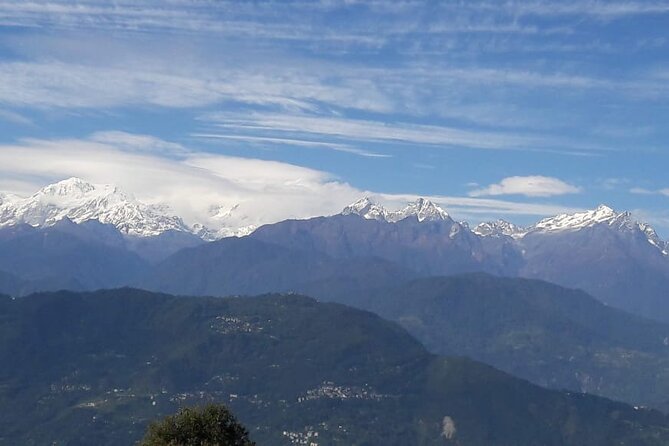
- Organic farm at 6,000 ft: A working 44-acre mountain farm with seasonal crops and mixed forest around you
- Pemayangtse Monastery access: A major Nyingmapa site, including that must-see top-floor depiction of Sang-tok-palri
- Rabdentse Ruins trek (about 2 km): Ruins reached via a nature reserve with noted bird life
- Rinchenpong village-and-monastery time: You get to watch monks in lessons and chores, not just pose for photos
- Modern comfort in a rural setting: Reviews point to wifi, phone network connectivity, and hot water
First morning in Sikkim starts with a long but scenic push
Your trip begins with an early start from Bangalore. You fly to Bagdogra (Siliguri area), then switch to a 4.5-hour drive that climbs you into West Sikkim toward Yangsum Farm near Rinchenpong. Expect a big chunk of the day to be travel, not sightseeing.
That travel time matters, though. It’s the difference between arriving in a city and arriving in the hills where monastery bells and farm work feel like the main event. Once you check in, you’re set up for a slower pace: settling into Tibetan-style rooms at about 6,000 ft, then waking up to the Himalayan view if weather cooperates.
If you’re the type who hates being rushed, you’ll still want patience on Day 1. The route is long, and you won’t get to stretch your legs much until you reach the farm.
You can also read our reviews of more tours and experiences in Bangalore.
Yangsum Farm: Tibetan-style rooms and Tagore-distance views
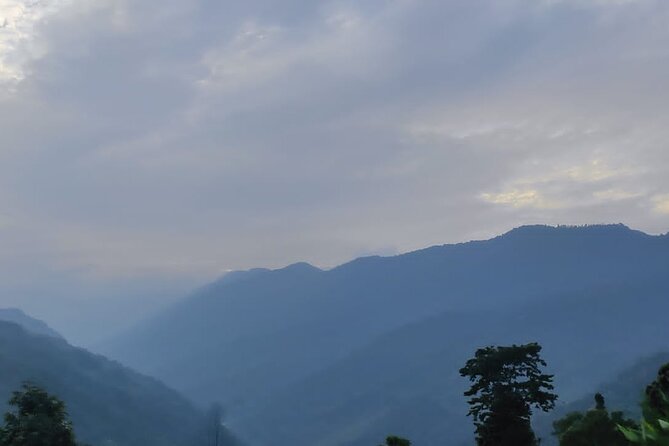
Check-in happens at Yangsum Farm on Day 1, and the farm itself has a real sense of place. The farmhouse dates back to 1833 and was remodeled in 1966, so it has age, but you’re not living in the past.
One neat detail: near Rinchenpong bazaar (about 2 km from the Rabindranath Smriti Van area), you’ll find the memory of Rabindranath Tagore, who spent a couple days here in the 1920s. Even if you don’t make it to the site, that proximity adds a layer to the scenery—you’re not just in a remote corner; you’re in a spot people have paused at for generations.
What you can count on from the stay experience is comfort that won’t feel like camping. Reviews highlight wifi, phone network connectivity, and hot water, which is a big deal at this altitude. So yes, you’re in a farm environment, but you’re not giving up basic convenience.
Day 2 on a real organic farm: what you actually see and do
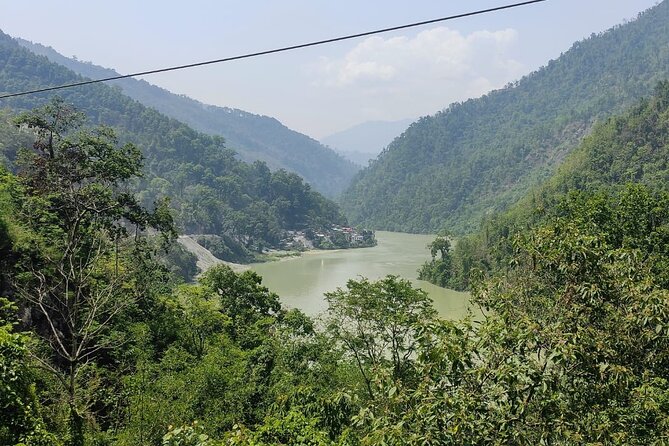
Day 2 is the farm day, and it’s more than just a pleasant walk. Yangsum Heritage Farm in Yangsum Chingthang is described as a fully organic working farm spread across 44 acres. It’s also surrounded by mixed forest—pine, Himalayan alder, chestnut, magnolia, rhododendrons, cherry, and others.
You’ll see both the natural and the cultivated sides of the hill. The farm grows cardamom and also crops like avocados, oranges, bananas, pears, apricots, mangoes, cauliflower, cabbage, tomatoes, and peas. In the cultivating season, the farm produces maize, paddy, millet, potatoes, ginger, turmeric, and sweet potatoes.
The point of this isn’t just the plant list. It’s that you get a feel for how food systems work up in the mountains: seasonal cycles, smaller plots, and constant attention. If you like travel that connects you to daily work, this day delivers.
Expect about 4 hours for the exploration. It’s long enough to feel like a proper morning and afternoon, but not so long that you’re wiped out before monastery time later in the trip.
Pemayangtse Monastery: the Nyingmapa stop that rewards your attention
On Day 3 you drive about 90–100 minutes to Pemayangtse Monastery. This is the kind of site where you’ll get more out of it if you slow down and take it in piece by piece, because the monastery is full of religious objects and idols.
Pemayangtse is described as the most important monastery of the Nyingmapa order. It was built in the late seventeenth century by Lama Lhatsum Chenpo, who performed the consecration ceremony for Sikkim’s first Chogyal. That detail matters because it ties the building to a specific political-religious moment—not just to general devotion.
The highlight you should plan to prioritize is the top floor. It houses a wooden structure depicting Maha Guru’s heavenly palace, Sang-tok-palri. The structure is considered a masterpiece created by Late Dungzin Rimpoche. Don’t rush this room. The value is in standing in front of the details, noticing how the monastery’s symbolism is presented physically, not just explained.
Time on site is about 1 hour. That’s enough for a respectful visit without turning the stop into a checklist.
Rabdentse Ruins: a 2 km walk to the second capital’s past
After Pemayangtse, you move to Rabdentse Ruins, the second capital of Sikkim. The ruins date to the late seventeenth century, established by the second Chogyal, and were abandoned toward the end of the eighteenth century due to threats from Nepal. The capital then shifted to Tumlong.
You don’t just arrive at a viewpoint. You trek about 2 km from the main road near Pemayangtse through a nature reserve. The reserve is noted as a sanctuary for 106 species of birds. That’s one reason this part works so well: it blends cultural ruins with living nature.
Time on this stop is also about 1 hour. For many people, the biggest practical consideration is the walking itself: wear comfortable shoes you’d trust on uneven ground. The good news is the trek is short, and it’s paced as part of the guided day, not an all-day hike.
Rinchenpong villages and monasteries: where the trip feels most personal
Day 4 is built around Rinchenpong and the surrounding area. You’ll visit local villages and Buddhist monasteries, some said to be hundreds of years old. This is where the trip shifts from famous monuments to everyday spiritual life.
You’ll be able to watch young monks at their lessons or going about chores. You can also spin prayer wheels, listen to chanting, and just sit in the calm of hilltop monastery settings. These are the moments that make the trip feel more human than scenic.
The scheduled time here is about 3 hours, and admission is noted as free for this portion. Then you head back: depart the farm at 2 pm and check into a hotel in Siliguri at 6:30 pm.
One practical note: 3 hours goes quickly once you start noticing details—how monasteries are run, how people move through narrow paths, and how the day’s rhythm is less about tourism and more about routine.
Getting around: early starts, long drives, and altitude reality
This trip is organized around two main travel legs: flight into Bagdogra and then road transfers up and down West Sikkim. On top of that, you’ll do a 90–100 minute drive to Pemayangtse and a couple of half-day style moves.
So yes, there’s time in the car. But it’s also how you reach the right kind of Sikkim experience: not highways, not cities, but hills where the monastery sites and the farm stay connect.
Altitude is another consideration. Yangsum Farm sits about 6,000 ft above sea level. You don’t need to panic, but you should be ready for cooler air than Bangalore and bring layers. Also, because the experience depends on good conditions, you should treat weather as part of the plan, not an afterthought.
Price and value: what $885 buys you in practice
At $885 per person for roughly 5 days, the value here comes from three things that aren’t easy to replicate cheaply:
1) The farm stay location and style. You’re not staying in a hotel and then commuting to sights. You’re based on an organic farm near Rinchenpong, with day-to-day access to that setting.
2) Monastery time that’s actually targeted. Pemayangtse and Rabdentse are not generic temple stops. The trip gives you focused access, including Pemayangtse’s top-floor Sang-tok-palri depiction.
3) A structure that keeps local money in motion. The operator is described as working to support local livelihoods by employing local guides and supporting local businesses. That’s not just a marketing claim—it usually shows up in how smoothly the days run and how your time is used.
On top of that, you get pickup offered, group discounts (when applicable), and a mobile ticket. Some admissions are included and others are free, which helps keep the day-to-day costs predictable.
Where the price might feel high for some people is the travel time itself. If your main goal is maximizing sightseeing hours and minimizing road time, you may feel the schedule is more balanced toward culture and place than pure speed.
Who should book this farm stay (and who may want a different trip)
This tour fits best if you want slow, meaningful travel: farm life plus monasteries plus village routines, all in a 5-day window.
You’ll likely enjoy it if:
- You like a working farm over a resort-style “nice view” stay
- You’re curious about Nyingmapa monasteries and Buddhist practice in daily life
- You’re okay with early starts and some driving to reach the right areas
You might prefer something else if:
- You hate long transfer days and want nonstop sightseeing
- You’re very sensitive to cold or altitude (a lot depends on the season and weather)
- You need a strict schedule with zero weather dependence
Should you book this 5-day Sikkim farm-and-monastery trip?
If your ideal Sikkim trip sounds like waking up in hill air, walking a real organic farm, and spending time at Pemayangtse and Rabdentse with actual spiritual atmosphere, this is a strong match. The schedule is focused. The stops are specific. And the farm base gives you continuity—by Day 3, you’re not just passing through.
I’d book it if you’re traveling with a group that values comfort with character (wifi, hot water, phone connectivity) and you don’t mind that the day-to-day rhythm includes drives and weather checks.
If, on the other hand, you’re chasing the fastest possible sighting-per-hour plan, you’ll probably feel the car time. In that case, pick a more urban or shorter-legs itinerary.
FAQ
What kind of accommodation will I get at the farm?
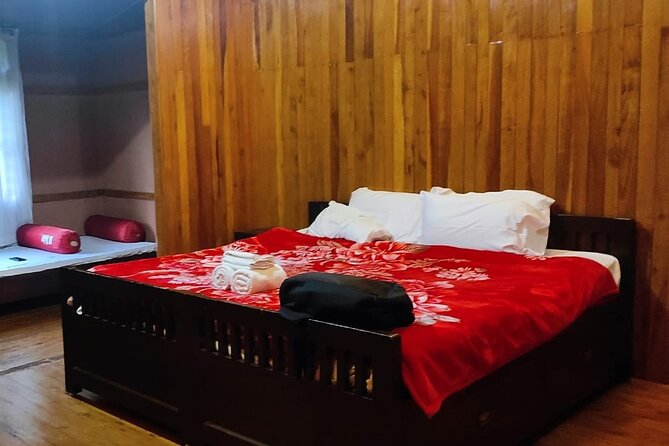
You’ll stay at Yangsum Farm in Tibetan-style rooms on an organic farm near Rinchenpong, at about 6,000 ft above sea level. Reviews also mention modern conveniences like wifi, phone network connectivity, and hot water.
Which monasteries and historical sites are included?
Pemayangtse Monastery and Rabdentse Ruins are scheduled visits. You’ll also visit local villages and Buddhist monasteries around Rinchenpong, with some of those places described as hundreds of years old.
How long is the flight and road transfer to reach the farm?
You depart Bangalore around 6:30 am, arrive Bagdogra around 9:15 am, then take about a 4.5-hour drive to Yangsum Farm. Day 3’s drive to Pemayangtse is about 90–100 minutes.
Is there walking involved?
Yes. Rabdentse Ruins involves a trek of about 2 km from near the main road through a nature reserve. The Pemayangtse visit itself is about 1 hour.
Are entry fees included for the key religious sites?
Pemayangtse Monastery and Rabdentse Ruins are listed with admission ticket included. The farm exploration on Day 2 is also listed with admission ticket included, while some Day 4 monastery/village time is listed as free.
Is this tour weather dependent?
Yes. The experience requires good weather. If it’s canceled due to poor weather, you’re offered a different date or a full refund.