REVIEW · PARMA
From Parma: Parmigiano Reggiano Farm Tour & Tasting with Transfer
Book on Viator →Operated by Curioseety SRLS · Bookable on Viator
Parmigiano Reggiano starts before the milk cools. What makes this Parma outing feel special is the end-to-end look at how wheels are made, then aged, then approved for the real name. I like that it includes hotel pickup plus a guided visit to a working caseificio with a tasting at the end. One possible drawback: it’s a farm setting with some time on-site, so dress for cool air and the fact that production is active.
You get a smooth start from central Parma, meeting at the NH Parma near the train station at 8:30 am. On the ride out, you’ll pass the kind of countryside that supports the milk story, including stables and forage fields tied to the system the consortium requires. Guides I’ve seen shine in this experience (people like Sergio, Daniele, Loris, George, and Matthias come up often) tend to make the process easy to follow, with time to ask questions.
The other thing to keep in mind is that this is practical, not fancy: the farm portion is real and the company asks that there’s no luggage or large bags on the van. If you’re traveling with bulky gear, you’ll want a plan before you go, or you might feel rushed at the start.
In This Review
- Key highlights worth your attention
- Morning pickup in Parma: the easy start at NH Parma
- Why Parmigiano-Reggiano is tied to specific provinces
- The countryside stop: feed and farm basics before the cheese shop
- Inside the caseificio: from milk steps to the stagionatura rooms
- Consortium tests: hammering and fire branding, explained without mystique
- The tasting: two ages, honey, balsamic vinegar, and sparkling wine
- Timing and logistics: what 2.5 hours really feels like
- Value for $89.49: when this tour is a smart use of your Parma day
- Who should book this Parmigiano-Reggiano farm tour
- Quick decision guide: should you book it?
- FAQ
- How long is the Parma Parmigiano-Reggiano farm tour?
- What time does the tour start, and where do I meet?
- Is the tour in English?
- What’s included in the price?
- How many people are in the group?
- Do I need to bring large luggage?
- Can I cancel for a full refund?
Key highlights worth your attention
- A true Parma caseificio visit, with a full walk-through from milk steps to the aging rooms
- Consortium rules explained, including why only specific provinces can label authentic Parmigiano-Reggiano
- Fire branding and hammer tests, the checks that decide which wheels can be sold with the protected name
- Tasting with smart pairings, including two ages of Parmigiano-Reggiano plus honey, balsamic vinegar, and local sparkling wine
- Small-group feel (max 15), so it’s easier to hear and ask questions
- Central Parma pickup and drop-off, so you don’t burn morning time figuring out transport
Morning pickup in Parma: the easy start at NH Parma
This tour is built for people who want to use a short Parma visit well. You start at NH Parma (Viale Paolo Borsellino, 31), a convenient base near the train station area, and you’re back there again after the tour. The whole experience runs about 2 hours 30 minutes, so it fits nicely into a day that still includes lunch and exploring the center.
If mornings aren’t your best time, the transfer part helps. Instead of arranging a car or juggling public transport, you climb into an air-conditioned vehicle with other people headed to the countryside. That ride matters more than you might think, because the tour doesn’t just jump into cheese-making; it sets context about the farming and feed side of the Parmigiano-Reggiano story.
You can also read our reviews of more tours and experiences in Parma.

Why Parmigiano-Reggiano is tied to specific provinces
One of the most useful parts of the experience is learning why this cheese has legal boundaries. You’ll hear that Parmigiano-Reggiano is protected, and only certain areas are allowed to produce it under the real name. The regions named include Parma, Modena, and Reggio Emilia, plus parts of Bologna and Mantova.
This isn’t trivia. It changes how you interpret what you taste later. When you understand that the name isn’t just branding, you start thinking about milk sources, handling, and production rules that keep quality consistent. It also helps you spot imitations when you shop, because the tour language trains your eye and your palate.
The countryside stop: feed and farm basics before the cheese shop
Before you reach the factory, you’ll ride through typical countryside with stables and forage fields. The point is simple: Parmigiano-Reggiano isn’t only about what happens in the building where wheels are made. It also starts with the feed plan required by the consortium for the cows that produce the milk.
Some guides also mention forage details like alfalfa as part of how the farm supports production. Even if you don’t memorize every word, you’ll walk away with a clearer mental map: countryside → milk → cheese → aging wheels. For a food tour, that cause-and-effect is gold.
Inside the caseificio: from milk steps to the stagionatura rooms
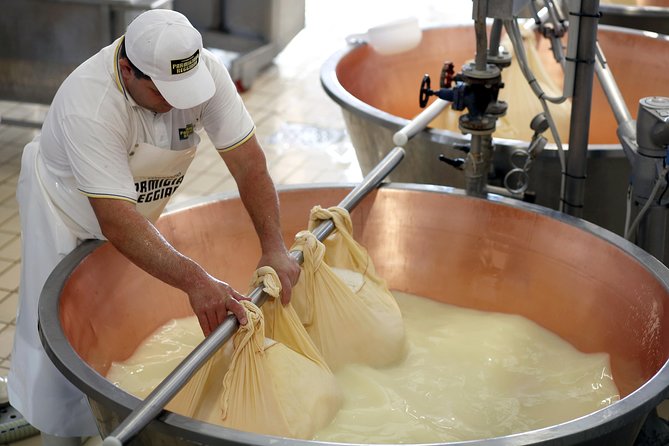
The main event is a guided visit to a traditional caseificio—a cheese factory. Expect a real look at the workflow rather than a quick photo stop. You’ll see cheesemakers at work as the milk gets cooked and the curd is lifted and shaped into the signature forms.
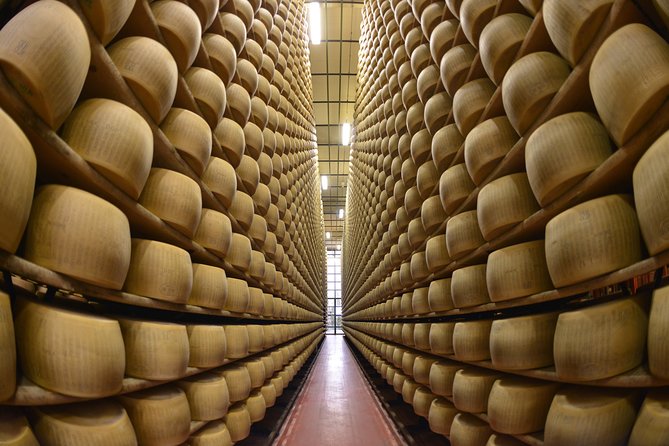
From there, the tour follows the logic of making a wheel that can survive months of aging. You’ll move through steps like how the cheese is salted and shaped, then you’ll step into the stagionatura—the aging rooms. This is where the experience turns sensory: the air is scented, and you’re surrounded by rows and rows of aging wheels.
The scale is part of what makes this memorable. At a big facility, you can feel like a visitor passing through. Here, the small-producer style tends to feel more personal, which many people appreciate because you can watch the process and also see the people doing it.
Consortium tests: hammering and fire branding, explained without mystique
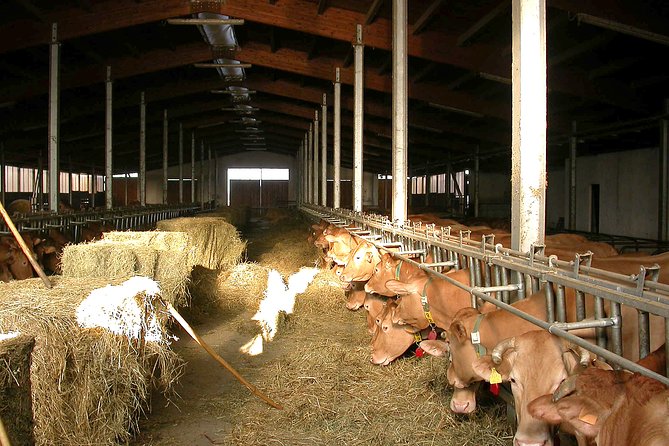
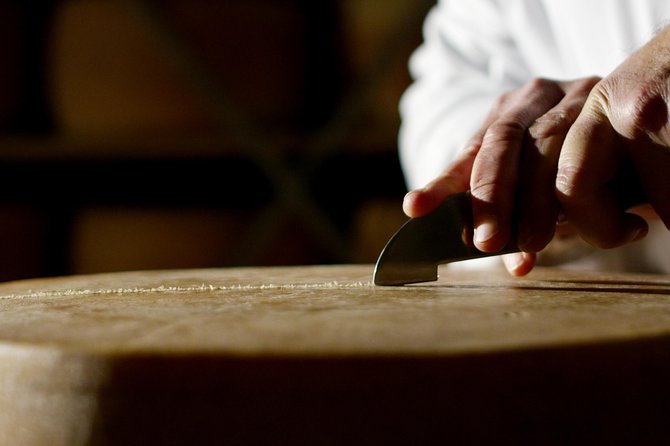
A standout part of the tour is the quality-control story. You’ll learn that wheels don’t just age and magically become Parmigiano-Reggiano. Before the cheese can be sold under the authentic name, it has to pass strict testing by the consortium.
You’ll hear about the hammering test—where the wheel is evaluated by sound and inspection—and the fire branding ritual that takes place to mark approved wheels. It’s the kind of process detail that makes you respect what you’re buying. You start to understand that the taste isn’t an accident; it’s built and checked.
If you care about food rules, this is where the tour earns its value. It’s not just “see cheese get made.” It’s “see how the system protects the real name,” step by step.
The tasting: two ages, honey, balsamic vinegar, and sparkling wine
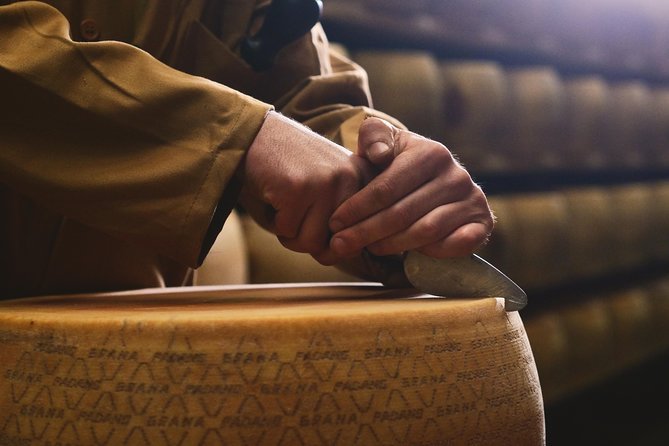
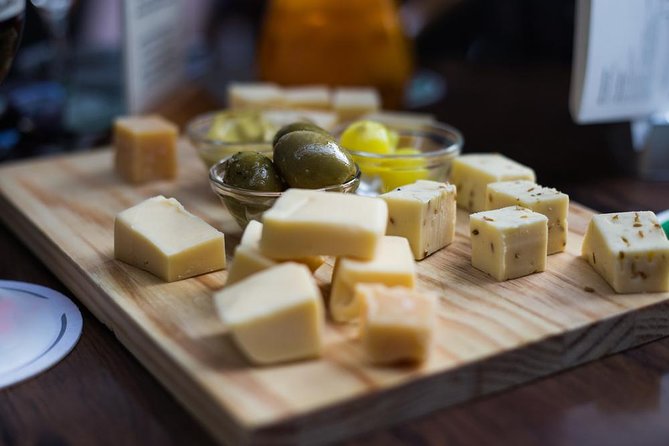
You finish with a tasting designed to teach your tongue. You’ll sample two different aged cheeses, and you’ll notice how aging changes texture and flavor—often from firmer, sharper profiles to deeper, rounder complexity as you move to an older wheel.
Pairings are part of the lesson. The tasting includes balsamic vinegar and local sparkling wine, and the tour also references tasting with honey. The honey works like a shortcut to compare saltiness and aroma, while the balsamic can highlight the contrast between sweet-sour notes and the cheese’s savory backbone.
This is also when the guide’s ability matters. The best guides (people mentioned include Loris, Sergio, Daniele, and George) tend to steer you through what to notice: what “young” tastes like, what “aged” tastes like, and why those differences show up in real shopping decisions.
And yes, you’ll likely want to buy. Many people mention a small farm shop on-site where you can purchase authentic Parmigiano-Reggiano. Some guests even report that shipping may be available, which is handy if you’re not traveling with a lot of luggage.
Timing and logistics: what 2.5 hours really feels like
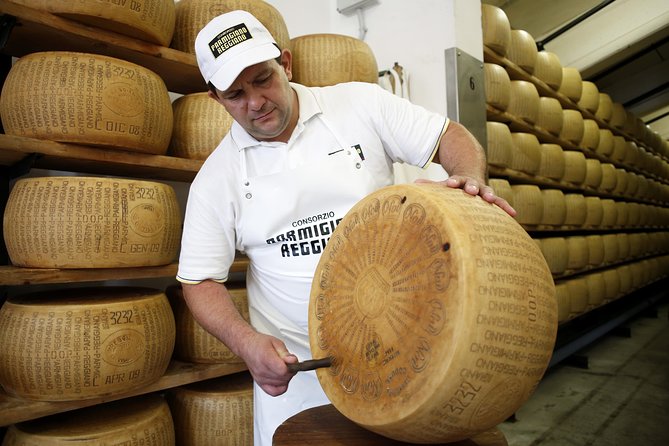
On paper, it’s about 2 hours at the factory plus the countryside drive and the tasting. In real life, the pacing is brisk but not chaotic. Because the group size caps at 15 travelers, the visit doesn’t feel like you’re in a cattle line trying to hear over everyone else.
Still, it’s worth planning your morning. Start time is 8:30 am, so arrive at the NH pickup point with enough buffer to find the van and get seated. If you’re coming in from another part of town, build in a little extra time so you’re not rushing.
One practical note: this is a working farm environment. Reviews mention that it’s partially outdoor, so you’ll be happier if you wear layers and comfortable walking shoes. Also remember the rule about no luggage or large bags on the van. If you’re hauling a big suitcase, you may need to store it elsewhere before you go.
Value for $89.49: when this tour is a smart use of your Parma day
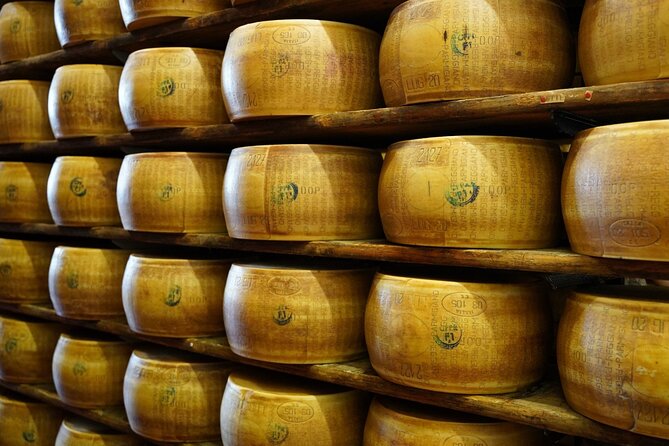
At $89.49 per person, this isn’t a budget activity. But it’s also not just “walk through a factory.” You’re paying for several things at once:
- Guided production walk-through inside a traditional caseificio
- Quality-control education, including consortium tests like hammering and branding
- A structured tasting with two ages plus pairings (balsamic vinegar, honey, and sparkling wine)
- Hotel pickup and drop-off from central Parma in an air-conditioned vehicle
If you only have a day or two in Parma, the transfer + end-to-end factory visit is a strong value. It saves time and reduces friction, which is often the hidden cost of self-guided travel in rural areas. Also, the small-group format helps you get answers instead of just hearing a script.
That said, it’s not for everyone. If you expect a long, slow, behind-the-scenes farming experience, or if you want a more flexible pace, you might feel the time is tight. One review called out that the tour length felt long for the price, and that’s a fair consideration. This is best for people who like a focused morning with clear takeaways.
Who should book this Parmigiano-Reggiano farm tour
You’ll likely enjoy this most if you:
- Want to understand what makes authentic Parmigiano-Reggiano different from the imitation market
- Like hands-on food education where you see the process and taste the result
- Prefer a small group experience with time to ask questions
- Are staying in Parma center and want a low-stress outing with pickup
It also works well as a “one-and-done” cheese day. You don’t need multiple tours to get the big story, because this one covers the production flow and the tasting.
Quick decision guide: should you book it?
Book this tour if you want a practical, factory-to-tasting experience with consortium standards explained clearly and a tasting that helps you recognize aging differences. The included pickup from NH Parma and the small group size make it feel efficient, especially if you’re not renting a car.
Skip it only if you know you dislike farm-style tours, don’t want any time outdoors, or you’re looking for something longer and less structured than a morning plan. Otherwise, it’s a very solid way to spend a few hours in Parma without wasting time on logistics.
FAQ
How long is the Parma Parmigiano-Reggiano farm tour?
The experience lasts about 2 hours 30 minutes.
What time does the tour start, and where do I meet?
It starts at 8:30 am. The meeting point is NH Parma, Viale Paolo Borsellino, 31, 43122 Parma.
Is the tour in English?
Yes, the tour is offered in English.
What’s included in the price?
The price includes hotel pickup and drop-off in central Parma, a Parmigiano cheese tour and farmhouse visit, an air-conditioned vehicle, and a tasting of Parmigiano cheese paired with balsamic vinegar and local sparkling wine.
How many people are in the group?
The tour has a maximum of 15 travelers.
Do I need to bring large luggage?
No. The tour asks that you do not bring luggage or large bags on the van, and you should contact them for luggage storage details.
Can I cancel for a full refund?
Yes. You can cancel up to 24 hours in advance for a full refund. If you cancel less than 24 hours before the start time, the amount paid will not be refunded.