REVIEW · TOKYO
Mt. Fuji Private Chartered Tour with Nature and Wasabi Farm
Book on Viator →Operated by MagicalTrip Inc. · Bookable on Viator
Mt. Fuji can be unpredictable. This private, all-inclusive day trip is built for that reality: you still get real culture stops, seasoned guides like Nao, Ramesh, Yuki, Mark, and Toshi, and a plan that adjusts when the mountain hides behind clouds. The private vehicle setup also makes the long drive feel organized instead of chaotic.
Two things I really like: you’re not just watching from a bus seat—you’re guided through key places with context and time to ask questions. And the Kikuchi Wasabi Farm visit is hands-on and memorable, including harvest and fresh tastings at a farm that’s been around for over 100 years. That’s the kind of stop that turns a standard “Fuji day” into a day you’ll talk about later.
One possible drawback: the main shrine viewpoint involves a lot of steps, and in bad weather you may miss a clear look at Mt. Fuji (the itinerary reacts, but the mountain is the boss).
In This Review
- Key Points at a Glance
- A Private Fuji Day That’s Built for Real Life
- Getting From Shinjuku to the Fuji Area (Without the Headache)
- Arakura Fuji Sengen Shrine and the Five-Story Pagoda View
- Kikuchi Wasabi Farm: Harvesting and Tasting Fresh Wasabi
- Lunch Near Mt. Fuji (With Vegan and Gluten-Free Options)
- Mt. Fuji 5th Station: Close-Up Views When Conditions Cooperate
- Oshino Hakkai: Mt. Fuji’s Springs Up Close
- The Day’s Drink Tasting: Sake, Matcha, or Wine
- Price and Value: Why $658.89 Can Make Sense
- Who This Tour Fits Best (and Who Might Want to Think Twice)
- Should You Book This Mt. Fuji Private Charter?
- FAQ
- What time does the tour start, and where do I meet?
- How long is the Mt. Fuji private charter tour?
- What’s included in the tour price?
- Is this a private tour?
- What happens if the weather is bad and Mt. Fuji isn’t visible?
- Do they offer dietary options for lunch?
Key Points at a Glance
- Private car pickup from Shinjuku (or meet at Tiffany & Co.) so you start fast and stay flexible
- Arakura Fuji Sengen Shrine + five-story pagoda views when conditions allow, with better access than large-group tours
- Kikuchi Wasabi Farm (100+ years old) with harvesting and fresh wasabi tasting
- Weather-first scheduling that changes what you focus on during the day
- Lunch near the Mt. Fuji area with vegan and gluten-free options
- A final drink tasting with sake, matcha, or wine to close the day
A Private Fuji Day That’s Built for Real Life
Mt. Fuji days have one rule: you can plan, but you can’t control the clouds. That’s exactly why I like this tour format. It’s private, guided, and designed around a weather-aware flow, so you’re not stuck doing the same “wait for the mountain” routine all day.
The tour also feels practical, not performative. You get transportation in a private vehicle, you move through a sequence of meaningful stops, and you’re not hunting down admissions or figuring out timing. If you’ve ever tried to cobble together a Fuji day on your own, you already know how fast it gets tiring—this handles the heavy lifting for you.
And yes, the human factor matters here. The guide names people mentioned—Nao, Ramesh, Yuki, Mark, and Toshi—came up for a reason: they’re friendly, responsive, and willing to reshape the day around your interests and the conditions.
You can also read our reviews of more tours and experiences in Tokyo.
Getting From Shinjuku to the Fuji Area (Without the Headache)
You start at 8:00 am, with two ways to begin: meet at the Tiffany & Co. Shinjuku store area, or use hotel pickup in the Shinjuku area. Either way, the goal is the same—get you out of the city smoothly and on time.
Once you’re in the car, the ride becomes part of the experience. The guide gives fun facts and practical tips along the way, and this matters more than you’d think. When you reach each stop, you’re not just seeing it—you understand what you’re looking at, and you get more out of your time on foot.
The tour runs about 10 hours, which is long enough to feel like a real escape from Tokyo, but not so long that you spend the whole day exhausted. For families and friends, the private setup is especially useful because you can keep the day moving without splitting up or losing time in crowds.
Arakura Fuji Sengen Shrine and the Five-Story Pagoda View
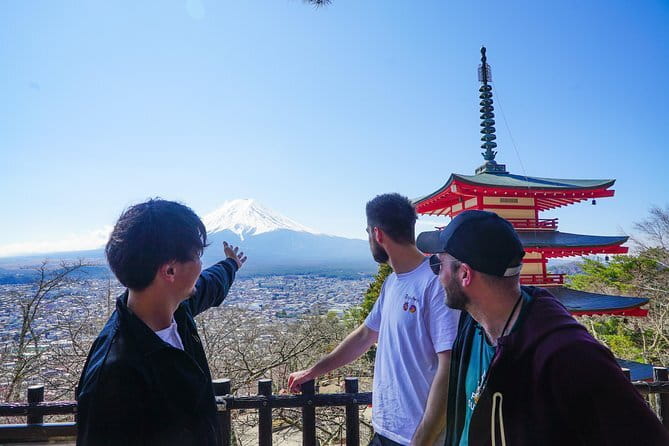
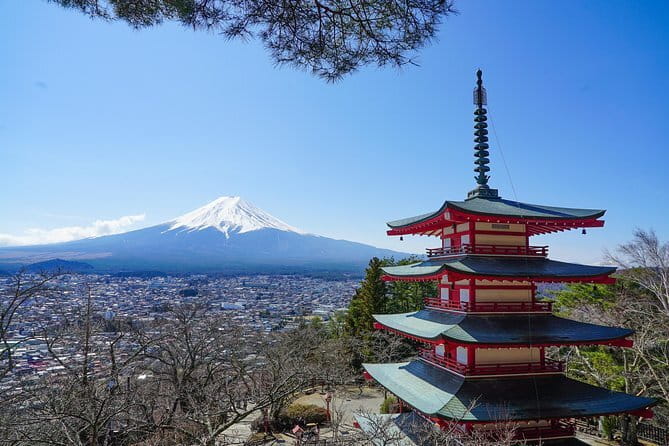
Arakura Fuji Sengen Shrine is the kind of stop photographers chase for a reason. When weather cooperates, you can get some of the best views of Mt. Fuji with the five-story pagoda framing the scene.
Here’s the detail that can surprise people: getting to the viewpoint means stairs. One review called the stairs a killer, so I’d treat comfortable walking shoes as non-negotiable. If you’re traveling with kids or anyone who tires easily, plan for slower pacing and breaks.
The big value of a private guide at this stop is access to the right rhythm. The tour is designed to offer panoramic views framed by the pagoda in places that are not meant for huge tour herds. In plain terms: you’re more likely to enjoy the view without feeling rushed or swallowed by noise.
If Mt. Fuji is obscured, don’t panic. You’re still visiting a shrine complex with historic meaning and a clear “why this place matters” explanation from your guide—so your time doesn’t evaporate.
Kikuchi Wasabi Farm: Harvesting and Tasting Fresh Wasabi
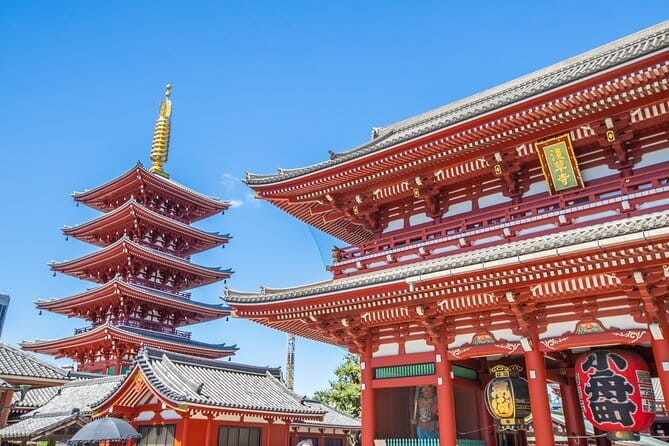
Next comes the most distinctive part of the day: Kikuchi Wasabi Farm. This isn’t just a photo stop. You go to a wasabi growing area surrounded by rivers and mountains, and the experience includes harvesting and tasting fresh wasabi right there.
The farm’s age is part of the story—this is a place with a long history (over 100 years old). That matters because wasabi cultivation isn’t just a gimmick. It’s tied to water and land, and it shows up in how the plants are grown and how the harvest is handled.
One detail that got praised: rubber boots and a hands-on feel. That’s a clue you’ll likely get closer to the real work of cultivation than you would at a casual “look and leave” farm visit. If you like nature-adjacent experiences—things you can touch and smell and taste—this is the stop that delivers.
Even if Mt. Fuji is hidden, this farm is still a strong reason to book. It gives you a contrast from the shrine viewpoint: instead of chasing clouds, you’re doing something concrete and local.
Lunch Near Mt. Fuji (With Vegan and Gluten-Free Options)
After the farm, it’s time to eat. Lunch is included, and it’s served near the Mt. Fuji area. The important practical win: there are vegan and gluten-free dining options, so dietary restrictions don’t turn into a stressful hunt for food.
The tour keeps lunch to about one hour, which is a sweet spot. Long meals can drag a day out; very short ones can leave you underfed. This timing usually helps you stay energized for the next viewpoints—especially the 5th station area, which can be weather-sensitive.
If you care about getting a regional meal rather than another “Tokyo-style convenience lunch,” this part helps. It also gives the group a reset point so the second half doesn’t feel like a sprint.
Mt. Fuji 5th Station: Close-Up Views When Conditions Cooperate
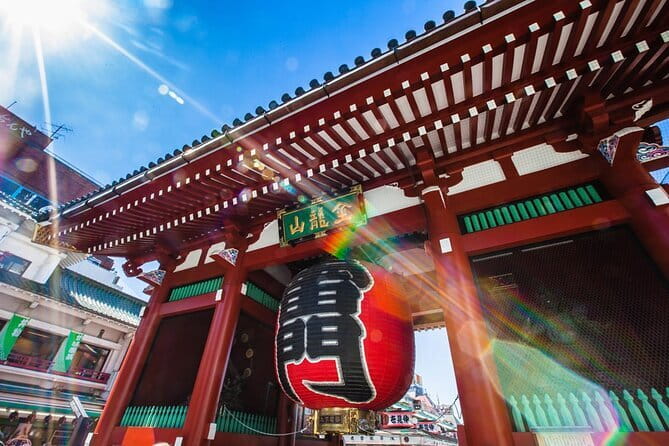
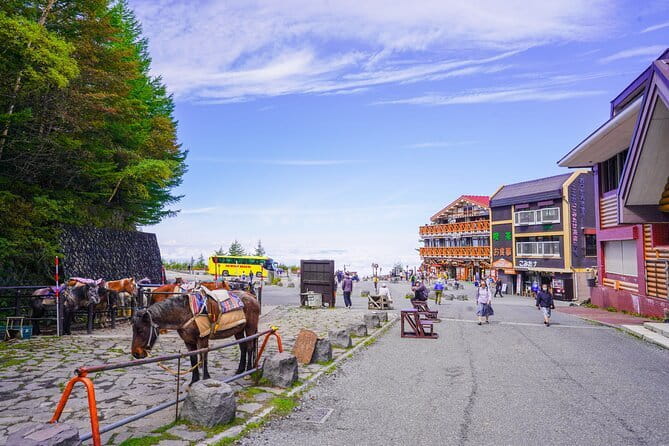
After lunch, you head toward Mt. Fuji 5th Station. The key phrase here is weather. When conditions are good enough to view Mt. Fuji from the 5th station, you go for it. When weather doesn’t cooperate, the tour adjusts and swaps in another stop around the Kawaguchi area (the itinerary indicates a Kawaguchi S point).
This is where that guide flexibility becomes a real benefit. In the best scenario, you get Mt. Fuji very close—enough that the scale feels different than it does from Tokyo or lower viewpoints. In the less-perfect scenario, your day still keeps moving, and you still get meaningful places rather than standing around waiting for visibility.
My advice: treat the 5th station as a weather-dependent bonus, not the entire “success” of the day. If the mountain is cloudy, you can still have an excellent day because the tour doesn’t bet everything on one viewpoint.
Oshino Hakkai: Mt. Fuji’s Springs Up Close
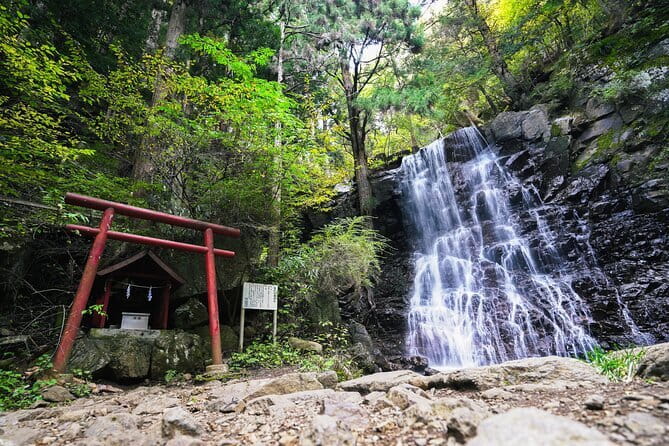
Oshino Hakkai is the kind of stop that feels calm after the earlier viewpoints and walking. This village is famous for natural water springs fed by Mt. Fuji, and the area gives you a chance to see Fuji water in a more human-scale, everyday setting.
The visit is about 30 minutes, which works well because it gives you time to wander the village and take in the water features without turning it into a long detour. When weather is particularly good, you may even catch reflections of Mt. Fuji in the spring area, but again: the mountain decides the final look.
What I like about Oshino Hakkai is that it connects to a deeper idea of Mt. Fuji beyond views. It’s part of how the mountain affects the region—water, life, and local culture. Even if you never get a perfect Mt. Fuji skyline photo, the springs can still feel special because the environment is the point.
The Day’s Drink Tasting: Sake, Matcha, or Wine
At the end, the tour adds a small but satisfying cultural finish: a tasting of sake, matcha, or wine. Which one you get is part of the tour’s options, but either way, it’s a chance to slow down after a long day of moving.
This also helps the day feel complete. You’ve got shrine culture, a hands-on farm, a practical lunch, and springwater scenery. The tasting is a fun closing moment that doesn’t require extra planning on your side.
Price and Value: Why $658.89 Can Make Sense
At $658.89 per person, this isn’t a cheap impulse booking. The value comes from what’s included and how it saves your time.
You’re paying for a private guided day with a guide and driver, plus lunch and entrance fees included. That packaging matters because a self-planned Fuji day usually turns into a messy mix of transit time, tickets, and schedule friction. When you’re spending most of your day on the road, the cost of doing it yourself can feel hidden until it drains you.
There’s also the time value. This tour runs about 10 hours, starting early, and it hits multiple stops in a logical flow. For many people, that alone justifies part of the price: you’re not spending hours figuring out how to stitch together the same “hits.”
One more value angle: your booking is private to your group, and the average booking window is about 60 days in advance. That suggests demand, and it also means you’re more likely to lock in the day you want instead of settling for a less ideal option.
Who This Tour Fits Best (and Who Might Want to Think Twice)
This tour fits best if you want Mt. Fuji culture without DIY stress. It’s also a strong match for families and mixed groups who need a plan that stays organized and still offers flexibility.
You’ll likely enjoy it if you:
- want a hands-on wasabi experience rather than just viewpoints
- care about dietary-friendly lunch options (vegan and gluten-free are available)
- prefer a guide who can adjust the day when the weather changes
Think twice if your main goal is a guaranteed view of Mt. Fuji at the 5th station. The itinerary is weather-dependent, and the day can shift. That doesn’t mean you’ll have a bad time—it just means you should go in ready for the mountain to be shy.
Should You Book This Mt. Fuji Private Charter?
If you like the idea of a guided, all-in-one day—transport, admissions, lunch, and real local stops—then I’d book it. The combination of Arakura Sengen Shrine views (when possible) plus a 100+ year wasabi farm with harvesting and fresh tasting is a winning mix. You also get a guide-led approach that keeps the day interesting even when Mt. Fuji refuses to show itself clearly.
I’d especially recommend it if you’re traveling with people who don’t want to spend the day navigating. The private car and smooth pacing help you feel like you’re sightseeing, not managing logistics.
If you’re a hardcore “I only care about Mt. Fuji photos” type, you may feel frustrated by weather changes. But if you want a day that still delivers culture, food, and unique regional experiences, this is a very solid choice.
FAQ
What time does the tour start, and where do I meet?
The tour starts at 8:00 am. You can either meet at the Tiffany & Co. Shinjuku store area or arrange hotel pickup in the Shinjuku area.
How long is the Mt. Fuji private charter tour?
It runs about 10 hours.
What’s included in the tour price?
The tour includes a certified guide, a driver in a private vehicle, lunch, and entrance fees. A tasting at the end (sake, matcha, or wine) is also part of the experience.
Is this a private tour?
Yes. It’s a private tour/activity, so only your group participates.
What happens if the weather is bad and Mt. Fuji isn’t visible?
The itinerary is tailored to weather. If Mt. Fuji can’t be viewed from certain spots (including the 5th station), the tour adjusts and visits alternative viewpoints or areas as planned.
Do they offer dietary options for lunch?
Yes. Lunch includes vegan and gluten-free dining options.