This is the kind of Dubrovnik day trip that feels human and unforced, not packaged. I like the family-run farm setting and the hands-on olive oil tasting in three ways, and you’ll also learn how the land and the food connect. One watch-out: there’s a moderate hill walk with easy hiking up and down, so you’ll want solid shoes and a little stamina.
You start from the Dubrovnik area with hotel pickup, then head to Vardia farm on Malaštica Hill, about 200 meters above the Adriatic Sea. The group stays small (max 8), so you get real conversation time with your host, not a rush through stations.
In This Review
- Key highlights at Vardia farm
- Heading Out From Dubrovnik Old Town Into Real Countryside
- Pickup, Timing, and Why the Morning Works
- Walking the Olive Groves: Easy Hiking With a View
- What You’ll Learn on the Farm (and Why It Feels Personal)
- Tastings Begin With Bread and Olive Oil in Three Ways
- Homemade Drinks: Herb Brandy, Fruit Liqueur, and White Wine
- Why This Feels Different From a Typical Wine Day Trip
- Price: Pickup, Tastings, and a Small Group for $84.10
- Who Should Book This and Who Should Skip It
- Should You Book the Olive Farm & Village Experience?
- FAQ
- Where does the tour start?
- How long is the Olive Farm & Village experience?
- How big is the group?
- What tastings are included?
- Is there walking or hiking?
- Is the tour available in English?
- How do I get the ticket?
- What is the cancellation policy if the weather is bad?
Key highlights at Vardia farm
- A small group (up to 8), so the tour doesn’t feel like a conveyor belt
- Olive oil tasted three ways with bread, salt, and vinegar
- Homemade drinks like herb brandy or fruit liqueur, plus white wine
- A walk through olive trees and orchard plants with time to smell and taste on the way
- A countryside viewpoint near Dubrovnik that actually lets you slow down
Heading Out From Dubrovnik Old Town Into Real Countryside
This is one of those Dubrovnik-area experiences that makes sense the moment you’re away from the walls. The farm sits on Malaštica Hill, roughly 200 meters above the Adriatic Sea, and you’re only about a 15-minute scenic drive from the Old Town. That distance is the trick: far enough to feel like you changed worlds, close enough that you don’t lose half your day to transit.
You’ll also be in a special in-between zone, since the farm is near the border with Bosnia and Herzegovina. That geographic closeness matters in small ways. It’s reflected in the mix of plants, the old terrace-style planting you notice on the walk, and the general vibe: Mediterranean agriculture with a lived-in history.
You can also read our reviews of more tours and experiences in Dubrovnik.
Pickup, Timing, and Why the Morning Works
The tour runs for about 2 hours 45 minutes and starts at 8:30 am. You’ll get pickup from your hotel or a meeting point in the Dubrovnik area. That convenience is not a minor detail here. Dubrovnik traffic and parking can be annoying, and this keeps the experience focused on the farm instead of logistics.
The session is offered in English, and the host leads the group personally. The small size (maximum 8 travelers) is a big part of why this works well. In a small group, your questions land. You’re not competing with background noise and a dozen different languages at once.
And you’ll feel the morning timing right away. You’re walking in a quieter pocket of the countryside, with the day still fresh enough to enjoy tastings without rushing.
Walking the Olive Groves: Easy Hiking With a View
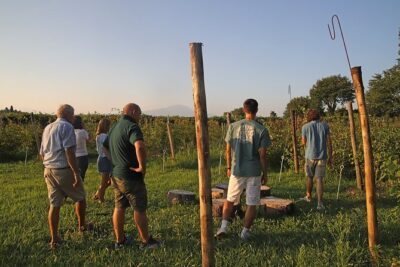
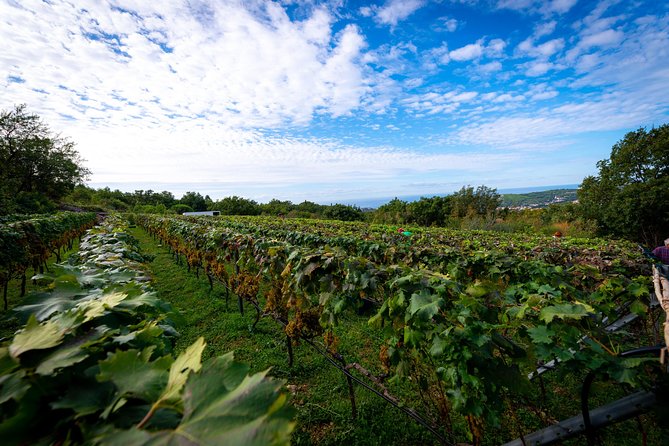
The core of the experience is a walk that’s described as an easy hike down and up through olive grooves. You’ll also spend time moving around the organic farm area and an old oak forest. Expect about 30 minutes of walking plus gentle uphill/downhill on paths through trees and orchard planting.
This is not a marathon trek, but it’s also not a flat stroll. If you’re used to level city sidewalks only, plan to pace yourself. You’ll be on hillsides, and the ground can be uneven around tree rows and terraces. That’s why comfortable, grippy shoes matter more than fancy shoes.
What you get from the walking isn’t just exercise. It sets up everything else. You taste better when you understand where the ingredients come from, and the walk makes that connection real. You’re not just handed bread and oil like a demo—you’re already surrounded by the trees as you learn.
What You’ll Learn on the Farm (and Why It Feels Personal)
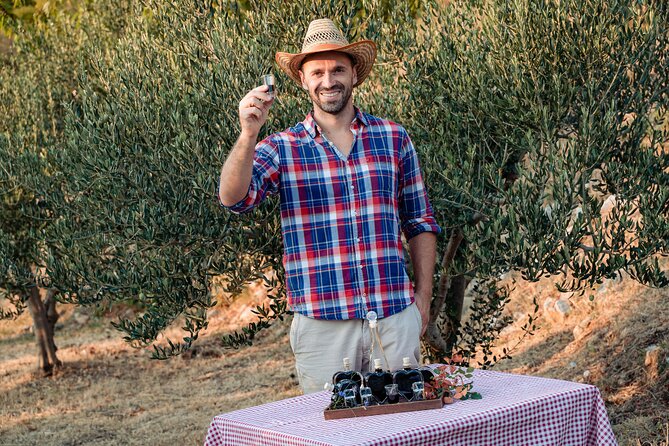
Your host is Ivica Vlašić, and the tour leans on family knowledge passed down through generations. He shares what he learned through education and years working in the fields with his father and grandfather. That matters because you can feel the difference between a scripted talk and real farm experience.
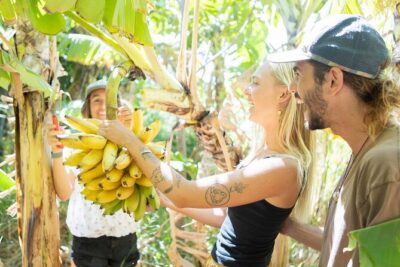
Along the route, you’ll stop in spots where the plants make sense to explain. You may pick or sample fruit or herbs as you go, and you’ll hear how cultivation and production fit together on the land. The emphasis is practical. It’s about what they grow, how they manage it, and how that work turns into olive oil, wine, and homemade liqueurs.
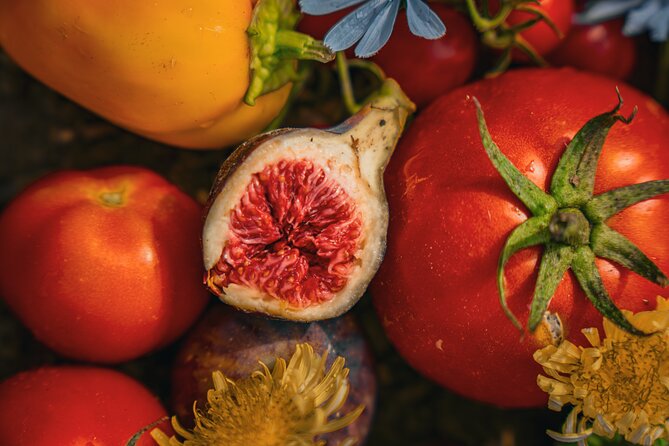
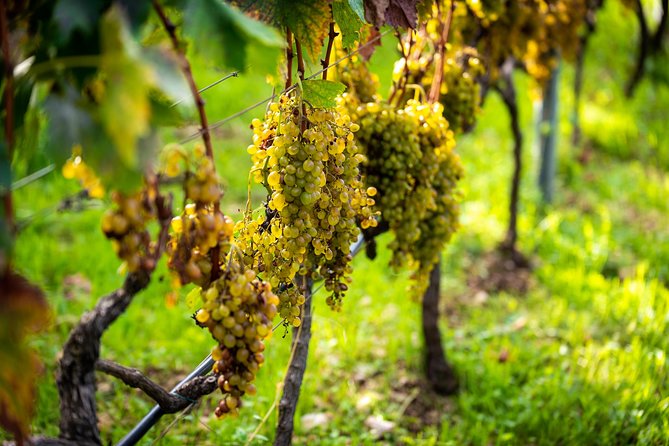
From what you can expect to encounter among the plants, the farm includes a mix of orchard and garden life. You might notice things like pomegranate, figs, winter orange, olives, bay trees, rosemary, and wild flowers. There can also be other edible plants in the mix, such as grapes and vegetables like tomatoes, plus blackberries or bell peppers. Even when you’re not tasting every single plant, the variety makes the farm feel alive.
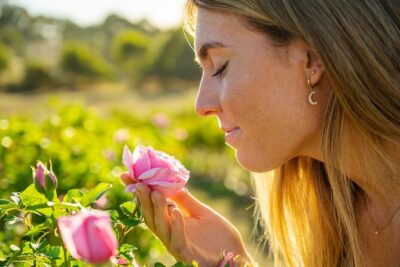
The best part is that you get to treat the countryside like a classroom. Not by staring at labels, but by smelling herbs, noticing growth, and learning in the same place you’re standing.
Tastings Begin With Bread and Olive Oil in Three Ways
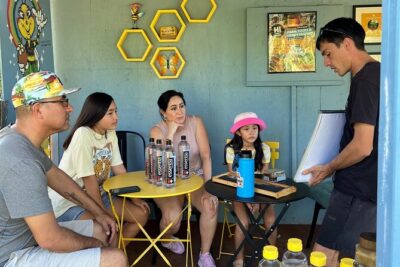
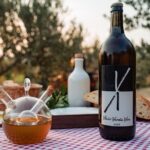
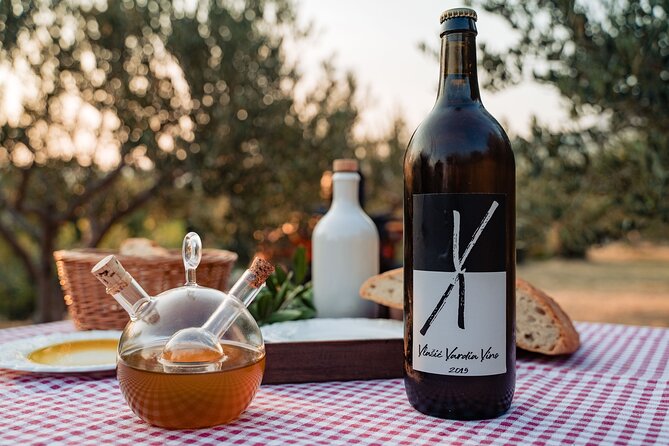
The tour’s food portion is built around olive oil, and it’s more interesting than a basic sip-and-smile. You’ll taste delicious organic olive oil with home-made bread. The menu specifies olive oil tasted in three different ways, paired with bread plus salt and vinegar.
That setup is smart because it trains your palate. Olive oil is not one flavor. It changes with how it’s handled and how it’s served, and the salt-and-vinegar pairing helps you understand how acidity and salinity shift what you taste. The bread is more than filler, too—it acts like a neutral base so the oil’s character comes forward.
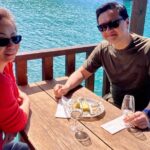
You’ll also get a chance to eat in a comfortable setting with views over the Adriatic area. That’s where the tour really lets you exhale. After the walk, you’re not “performing” for the tour group. You’re actually tasting and chatting.
Some tastings can include additional homemade items you’ll want to try if they’re offered on your day, like shortbread or fruit spreads such as apricot jam. You might also get things like sugared almonds. The theme stays the same: food made on-site, served with a simple explanation.
Homemade Drinks: Herb Brandy, Fruit Liqueur, and White Wine
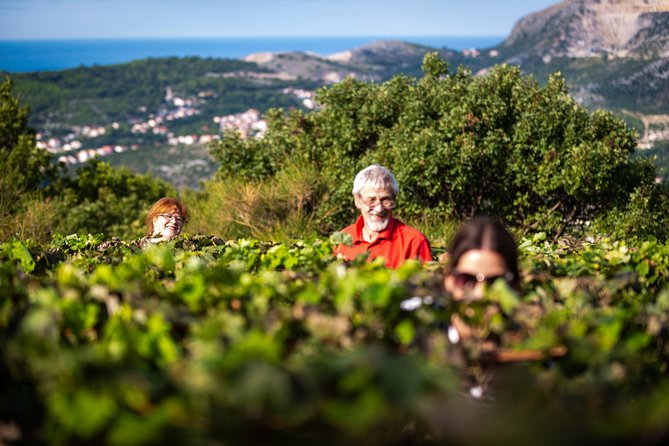
Next comes the drinks, and they’re part of the farm story, not just a generic wine pour. The experience includes a taste of home-made herb brandy or a liqueur made with fruits from the orchard. You’ll also sample white wine.
This is where you start understanding the farm’s logic. Grapes and olives might be the headline, but orchards produce plenty of raw material for spirits and liqueurs. Some people highlight walnut-based liquor too, since walnuts grown on the property can show up in tastings. If your day includes that, it’s a great chance to compare it with herb-driven flavors.
One guest specifically praised a lemon-style wine alongside other options. Since the tour description guarantees white wine but not a detailed list of varietals, take that as a possibility rather than a promise. In any case, the key point is that the farm is offering what it makes, using what it grows.
And yes, you’ll want to pay attention to how each drink is served with the food. Olive oil with bread works one way; a liqueur often works differently depending on how sweet or herbal it leans. The tour keeps the tasting grounded instead of turning it into a blur of small samples.
Why This Feels Different From a Typical Wine Day Trip
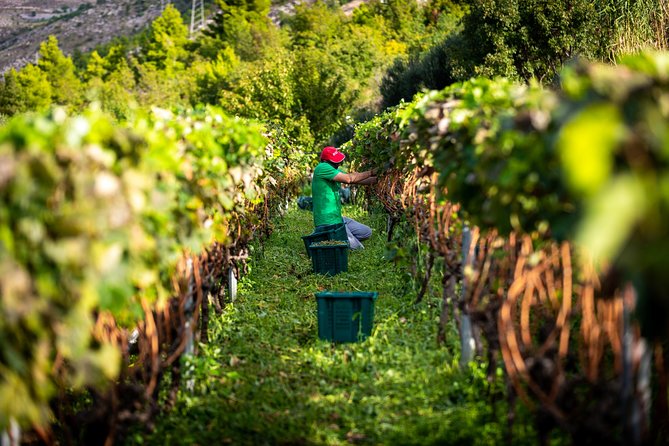
A lot of wine tours in coastal cities have the same structure: drive out, sit in a room, taste a few things, leave. This one plays by different rules because it’s rooted in daily farm work and a walk through the trees.
First, the scale. A maximum of 8 travelers keeps attention on the host and your questions. Second, the setting. You’re not touring a big commercial property; you’re moving through the places where olives and orchard plants grow, then tasting products made from that land.
Third, the pace. At about 2 hours 45 minutes, it’s long enough to feel like an experience, but short enough that you’re still back in the Dubrovnik area without burning your whole day.
If you’re looking for a countryside break where you learn while eating, this works. If your goal is a long, formal winery-style itinerary with lots of production facilities to tour, you might find this more intimate and agriculture-focused than “industrial” in feel.
Price: Pickup, Tastings, and a Small Group for $84.10
At $84.10 per person, this isn’t a bargain bargain. But in Dubrovnik pricing terms, it’s trying to justify itself with real inclusions.
Here’s what you’re getting for that price:
- Hotel pickup and return in the Dubrovnik area
- A guided walk through olive grooves and the farm grounds
- Tastings including olive oil (three ways) with bread, salt, and vinegar
- White wine and homemade herb brandy or fruit liqueur
- Time to learn about cultivation and production, with an intimate group size
When you add those pieces together, the cost becomes easier to justify. You’re not paying just for a drink flight. You’re paying for transport, guide time, and multiple food-and-drink experiences in a real farm setting.
For me, the biggest “value” signal is the group size and the structure: small, personal, and focused on what the farm actually produces.
Who Should Book This and Who Should Skip It
This tour is a good match if you:
- Want a break from Old Town crowds without going far
- Enjoy food experiences where you learn while you taste
- Are comfortable with an easy hike down and up and about 30 minutes of walking
- Like tours led by a host who shares family farming knowledge
Skip it (or choose something flatter) if:
- You have mobility limits that make hillside walking hard
- You’re not comfortable with uneven ground around groves and orchard areas
- You need a very sedentary, minimal-walking experience
Also note that the experience requires good weather. If it’s canceled due to poor weather, you’ll be offered a different date or a full refund.
Should You Book the Olive Farm & Village Experience?
If your Dubrovnik trip needs one thing that’s calm, local, and genuinely tied to the land, I’d book it. The combination of hotel pickup, small group size, a walk through olive and orchard areas, and tastings that go beyond olive oil alone makes this a strong choice for people who like authentic food moments.
The decision comes down to one factor: the walk. If you can handle a moderate, easy hike on hills with sensible shoes, you’ll enjoy how the tasting makes sense in context. If hills are a problem, you may prefer a different Dubrovnik countryside experience designed for less movement.
FAQ
Where does the tour start?
The tour starts at 8:30 am, with pickup organized in front of your hotel or at a meeting point in the Dubrovnik area.
How long is the Olive Farm & Village experience?
It runs for about 2 hours 45 minutes (approx.).
How big is the group?
The group size is limited to a maximum of 8 travelers.
What tastings are included?
You’ll taste organic olive oil in three ways with bread, salt, and vinegar, plus white wine. The experience also includes tasting home-made herb brandy or fruit liqueur made from orchard fruit.
Is there walking or hiking?
Yes. There is an easy hike down and up through the olive grooves, with moderate easy hiking and about 30 minutes of walking.
Is the tour available in English?
Yes, the tour is offered in English.
How do I get the ticket?
You receive a mobile ticket.
What is the cancellation policy if the weather is bad?
You can cancel for free up to 24 hours in advance for a full refund. The experience requires good weather, and if it’s canceled due to poor weather you’ll be offered a different date or a full refund.