REVIEW · CATANIA
Catania: Pozzo di Gaspare Farm Guided Tour with Tastings
Book on GetYourGuide →Operated by POZZO DI GASPARE · Bookable on GetYourGuide
A hand-dug well makes this farm tour special. At Pozzo di Gaspare, you walk through working orchards outside Catania and see how Etna olives, blood oranges, and almonds become products you can taste. You also get a look at a functioning well—still in use—tied to the farm’s 18th-century roots.
I especially love two things: the way Giuseppe Mazzone connects farming technique with farm family tradition, and the end-of-tour tastings that feel like a real meal (not a few bites). The bread-and-oil moments, plus cheeses and cured meats, are a big part of why this tour lands as one of the best values near Catania.
One possible drawback: transportation isn’t included, and the farm is a few kilometers from central Catania (and the airport). If you don’t have a car, plan your ride ahead.
In This Review
- Key takeaways before you go
- Pozzo di Gaspare: a working farm just outside Catania
- The farm walk: from Zagara blossoms to harvest timing
- The ancient well stop: why water control matters here
- Etna olives and EVO oil tasting: the most practical souvenir
- Blood oranges on the table: more than color
- Almonds and the orchard rhythm
- The tasting: EVO oil plus cheeses and cured meats
- Sustainability talk without the fluff
- Price and value: is $41 worth it?
- Practical tips for a comfortable farm visit
- Who this tour fits best (and who might want something else)
- Should you book Pozzo di Gaspare?
- FAQ
- How long is the Pozzo di Gaspare farm guided tour with tastings?
- Is the guided tour available in English?
- What tastings are included at the end of the tour?
- Where do I meet for the tour?
- Is transportation to and from the farm included?
- When is the best time to visit to see blossoms?
Key takeaways before you go
- A hand-dug well from the late 1700s, about 20 meters deep, with lava-stone galleries inside
- Seasonal flower viewing in March to May: orange blossom (Zagara), olive blooms, and almond flowers
- Etna-linked EVO oil production shown from grove to bottle, with an on-site tasting
- Tasting that goes beyond oil: local cheeses and cured meats with blood orange in the mix
- Owner-guided storytelling with practical details on irrigation and keeping quality high
Pozzo di Gaspare: a working farm just outside Catania
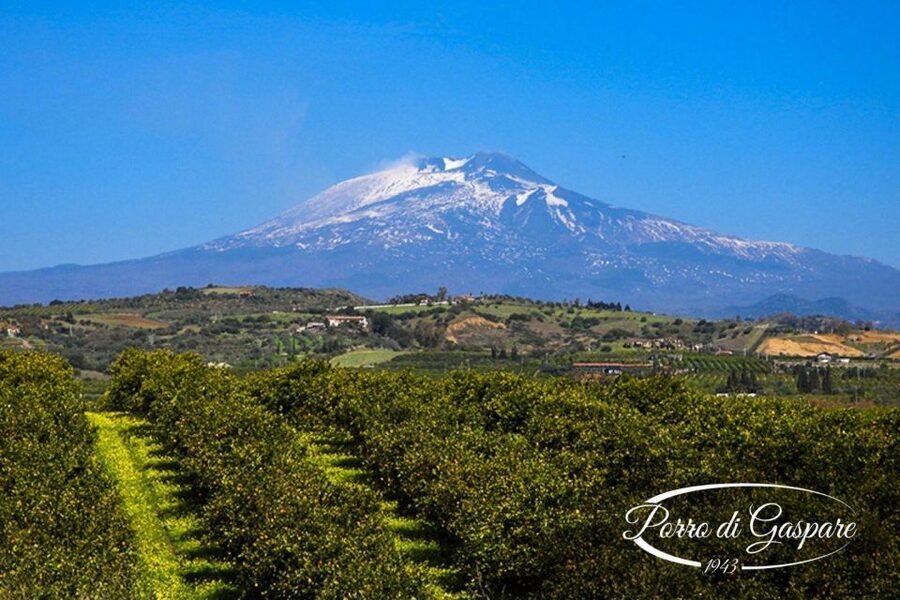
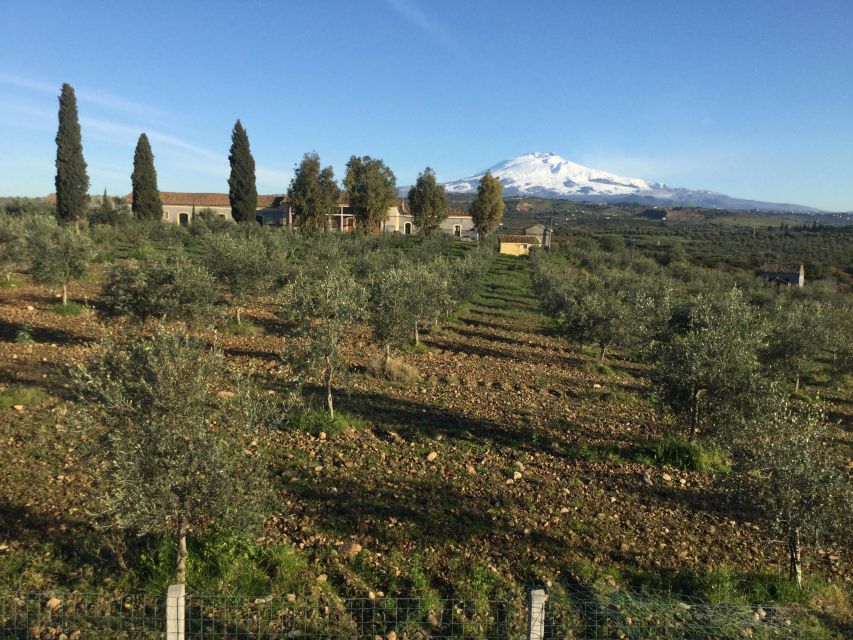
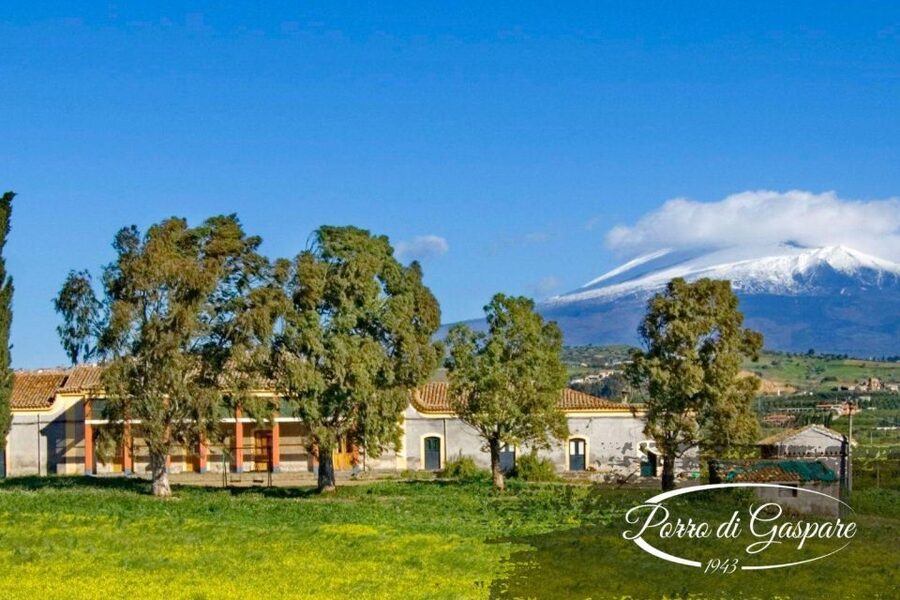
This tour takes you to a family-run property on the Catania plain, in the territory of Motta S. Anastasia. The setting matters. You’re not touring a museum or a showroom—you’re walking through a real working farm spread across 42 hectares.
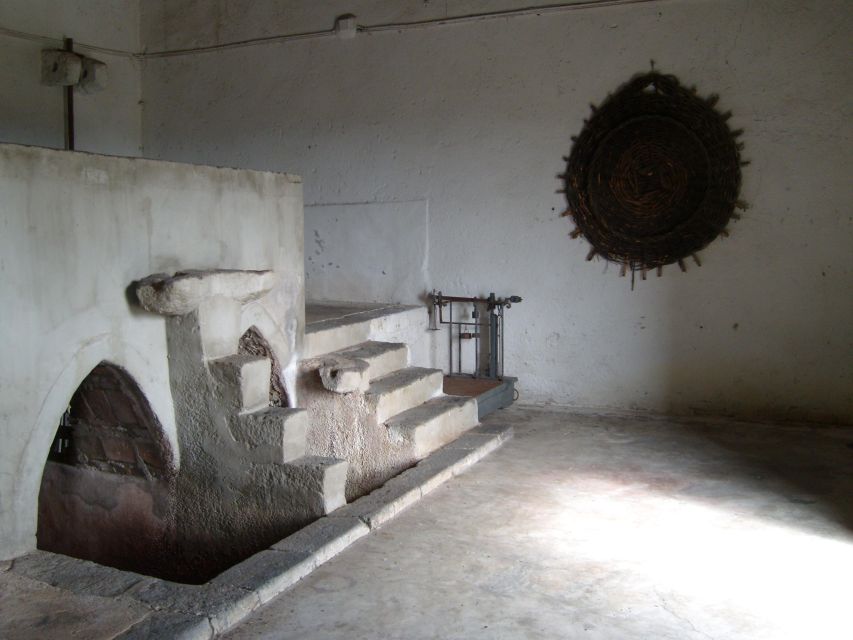
The property’s name comes from an ancient well that still functions. This well was dug by hand at the end of the 18th century to supply water to a nearby farmhouse from the same era. When you stand near it, the scale sinks in fast: it’s around 20 meters deep, and the inside includes lava stone galleries built by the master builder Gaspare. That mix of old skill and present-day farming is the tone of the whole experience.
If you like food that has a place behind it, this is a strong match. The tour ties water, soil, and seasonal timing directly to the final products—EVO oil, blood oranges, and almonds—instead of treating them as random flavors on a plate.
You can also read our reviews of more tours and experiences in Catania.

The farm walk: from Zagara blossoms to harvest timing
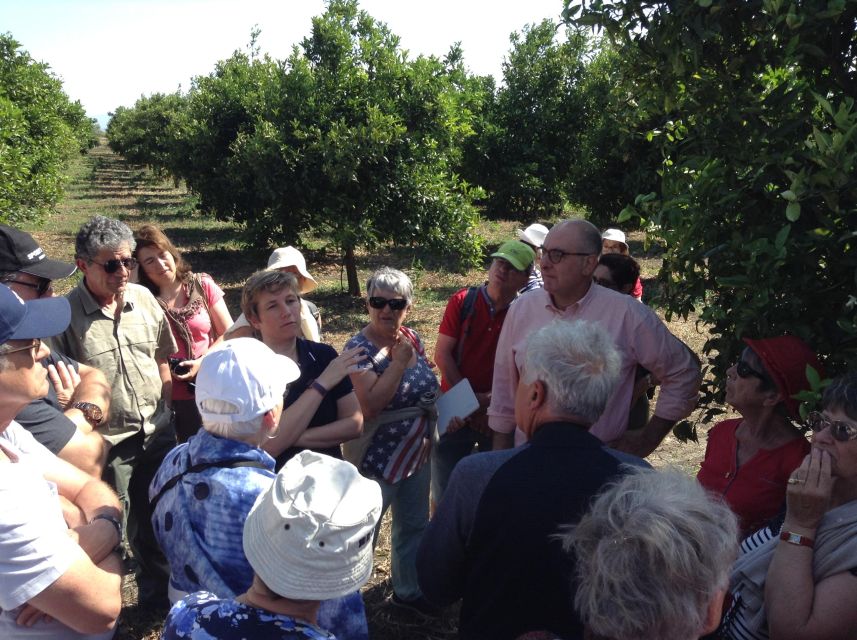
Your guided route follows how farm processes connect from tree to fruit and, ultimately, to the products you taste. The tour focuses on the natural cycle as much as it does on production.
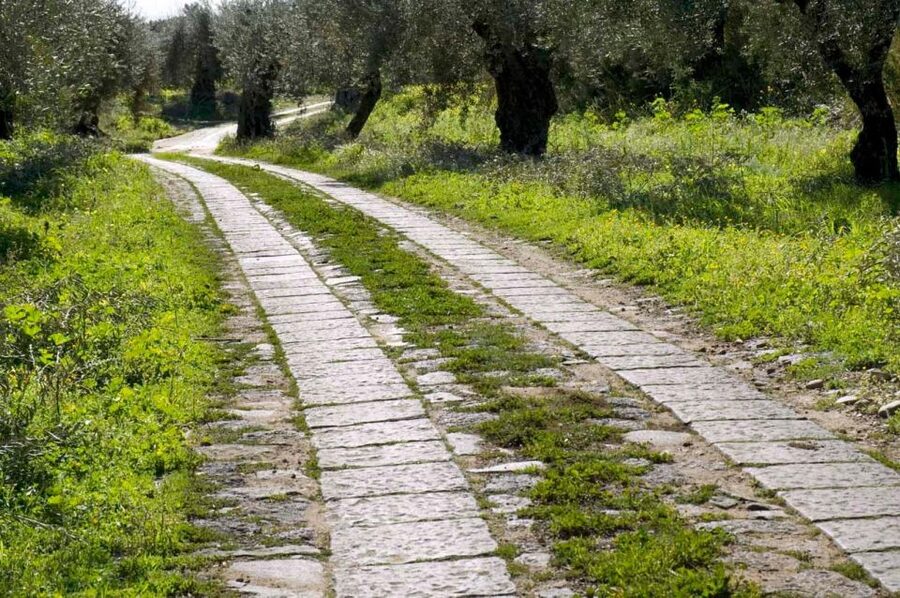
In the best season—March through May—you can catch the key blooms that drive the aromatics and the harvest calendar. You’ll see white, fragrant Zagara orange blossoms. You’ll also spot flowering on olive trees and those bright, white almond blossoms that signal another harvest window is coming.
This isn’t just pretty sightseeing. Flowering is a practical step in the production story. It helps you understand why farmers care about timing and why “good year” growing conditions can make or break quality. As you move through the groves, your guide connects what you’re seeing with the next steps the farm needs to take.
You’ll also get a sense of the challenges of running a farm while keeping quality high. Several visits include talk about tradition—but also about modern methods that help manage water more carefully. That’s a big theme in eastern Sicily: you can’t farm in place without working with the realities of climate and resources.
The ancient well stop: why water control matters here
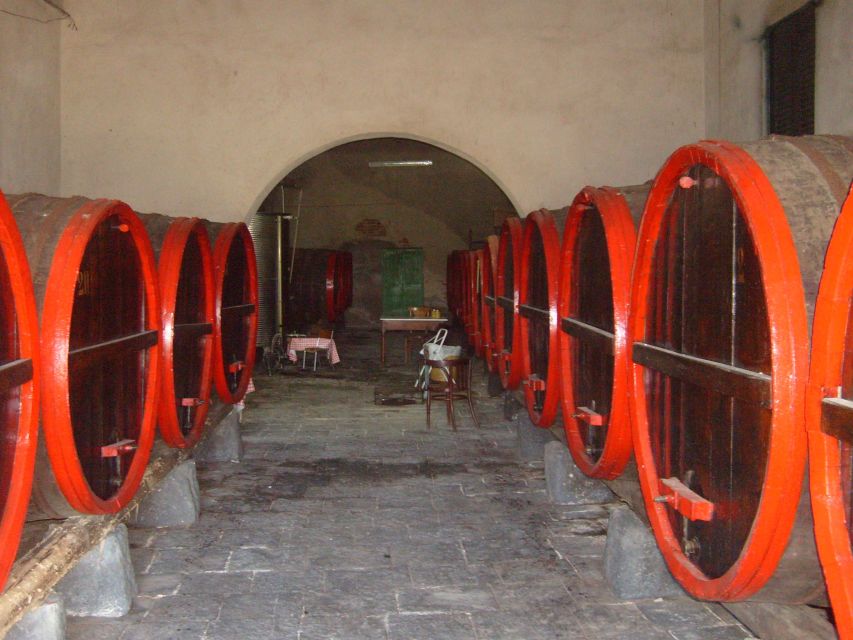
The well is one of the main anchors of the tour, and it works on two levels. First, it’s genuinely interesting: a hand-dug structure with lava-stone galleries that was built to keep a farmhouse supplied. Second, it’s a practical reminder of how central water is to everything that grows on this plain.
Because the well still functions, you’re not just looking at a relic. You’re seeing how the farm’s infrastructure has supported agriculture for generations. That helps explain why the guide spends time on irrigation and water systems during the walk.
If you’re the type who likes the how and not just the what, this part delivers. It turns the farm into a case study: water access, storage, and flow shape the orchard, which shapes the fruit, which shapes the final taste of the EVO oil and the blood orange products.
Etna olives and EVO oil tasting: the most practical souvenir
The highlight for many people is the olive oil tasting, and for good reason. EVO oil isn’t a flavor you can fake. It’s the product of a whole chain: cultivar, harvest timing, pressing, and storage.
On this tour, you taste EVO oil produced on the farm. Expect it to be paired with simple items like bread—an approach that makes the oil the star instead of hiding it behind heavy seasoning. When you taste it this way, you’ll understand why locals treat oil like something to pay attention to, not just a condiment.
What makes this extra valuable is how connected the tasting is to what you just walked through. You’re not sampling first and learning later. You’ve already seen the orchards, heard about cultivation and seasonality, and learned what the farm grows and why. The oil tasting then lands as proof, not just a perk.
And yes, you can often take the experience home. In the tastings, people have described buying farm olive oil and having it dispensed from a large barrel into liter cans. If you want a real food souvenir (not a tiny packet), this is one of the best ways to do it.
Blood oranges on the table: more than color
Blood oranges are the farm’s other star, and the tour makes them easy to understand. You don’t just hear that they’re grown here—you connect the fruit to what makes it special on the palate.
In the tastings, blood oranges often show up as part of a dish that feels like a proper local lunch course. A common highlight is insalata arancia siciliana—a blood orange salad tied to the farm’s produce. People also mention a memory-making moment with bolond orange salad in conversation, which gives you a clue about the style: it’s not sugary fruit. It’s bright, savory-leaning, and designed to pair with cheese and cured meats.
You may also taste elements that use bitter orange flavors in a more complex way, including smoked cheese with bitter orange marmalade. That pairing matters. It shows you that Sicilian citrus isn’t just for juice. It can be woven into dairy and charcuterie flavors.
If you’re worried this will feel like a quick “try one bite” situation, don’t. The tasting portion is repeatedly described as filling and meal-like, not skimpy. You’ll likely leave thinking about how many farmers manage to turn something seasonal into something repeatable for visitors—without losing the character.
Almonds and the orchard rhythm
Almonds round out the farm’s product lineup, and they add a different texture and season story. Almond blossoms are visible in the spring, and they’re one of the reasons the March-to-May visit works so well. The tour’s structure makes almonds feel like part of the same agricultural clock as olives and oranges.
This is a good stop for anyone who likes variety. Olive oil tastes different from fruit, which tastes different from dairy and cured meat. Almonds also connect you to Sicilian orchard thinking: the farms here often rely on multiple crops to spread risk and make use of land efficiently.
Even if you don’t consider yourself an almond person, you’ll likely come away with a better sense of how farmers plan the year. Blossoms, harvest, and processing aren’t separate topics. They’re the rhythm of the whole operation.
The tasting: EVO oil plus cheeses and cured meats
The end of the tour is where you cash in on everything you just learned. You get a tasting that includes farm-produced EVO oil and also local cheeses and cured meats.
The tasting approach is refreshingly straightforward. Bread shows up as a vehicle for the oil, so you can taste oil clarity, fruitiness, and bitterness range without distractions. Olives may be part of the spread too, which fits well with the olive theme of the farm.
Food descriptions from the tour experience point to a table that can include blood orange salad, crunchy bread, olives, and multiple cheese types. Some people mention smoked cheese paired with bitter orange marmalade, and others mention salami as part of the cured meats lineup. The overall effect is that you get a sense of a Sicilian farm lunch: citrus, dairy, cured meats, and oil as the backbone.
You should also expect conversation time. Several descriptions mention time spent talking with the host, including stories about farming choices, sustainability plans, and the effort required to keep quality high. That back-and-forth is part of why the tour lands as memorable. You’re not just consuming food; you’re learning how it got there.
Sustainability talk without the fluff
One of the best surprises is that the farm story isn’t stuck in the past. The guide shares how they handle modern challenges like minimizing water loss. You might also hear about plans related to solar power.
This matters because sustainability talk can go two ways. It can sound generic. Or it can connect directly to what you’re walking through—like irrigation systems and water management decisions. Here, it’s the second kind.
If you care about where food comes from, this angle makes the tasting section feel more grounded. You’re learning how today’s farmers balance productivity and quality while dealing with limited water and changing conditions. That’s practical information you can carry with you even after you’ve left the farm.
Price and value: is $41 worth it?
At $41 per person for about 2 hours, the price is largely about access and instruction. You’re paying for a guided walkthrough of a working farm (including the ancient well and farmhouse viewing) plus a multi-item tasting that goes beyond oil alone.
Transportation isn’t included, so your real cost depends on how you get there. But if you can reach it easily, the value is strong because you’re getting:
- A guided tour led by the owner (English live guide)
- Multiple food tastings: EVO oil, cheeses, cured meats, and blood orange dishes
- Seasonal orchard context that helps you understand what you’re tasting
Compared to a typical city food stop, this feels like a different category. You’re not only eating; you’re also learning how the farm makes those flavors. That turns the price into “education + dinner-style tastings,” not just “a taste.”
Practical tips for a comfortable farm visit
You’ll enjoy the tour more if you dress for walking and sun. The farm suggests bringing comfortable shoes, a hat, sunscreen, and a camera. That’s not overkill. Orchards and outdoor tastings work best when you’re not thinking about sore feet or heat.
Timing also matters. If you can, aim for March to May to see blossoms. Even if you don’t care about flowers, the spring blooms add a sensory layer that makes the tour’s story of seasonality click into place.
The meeting point is simple: it’s the entrance gate. Since the farm is a few kilometers from the center of Catania and the airport, plan your start time accordingly so you don’t feel rushed.
Who this tour fits best (and who might want something else)
This is a great fit for:
- Food lovers who want real agriculture, not just tasting in a tasting room
- Families looking for a hands-on cultural experience outside the city
- People who like English explanations and want the host’s perspective on how a farm operates
It may feel less ideal if you:
- Want a long, multi-hour deep technical course (this is about 2 hours)
- Don’t like outdoor walking in sunny conditions
- Don’t want to handle getting to a farm location yourself (since transportation isn’t included)
Should you book Pozzo di Gaspare?
I’d book this if you’re spending time around Catania and want one experience that ties together EVO oil, blood oranges, and almonds with a real working-farm setting. The ancient, hand-dug well alone gives it character, and the owner-led explanation makes the tastings feel earned.
If your schedule allows, choose a spring date. March through May adds that extra layer of orange blossom (Zagara) and almond blooms, which makes the tour feel especially alive.
If you’re deciding last-minute and wondering whether it’s more “tour” or more “food,” it’s both. And for the price, you’re paying for access to a functioning farm plus tastings that many people describe as lunch-like rather than a couple samples.
In short: if you want Sicily through agriculture, not just scenery, Pozzo di Gaspare is an easy yes.
FAQ
How long is the Pozzo di Gaspare farm guided tour with tastings?
The tour lasts 2 hours.
Is the guided tour available in English?
Yes. The tour has a live guide in English.
What tastings are included at the end of the tour?
At the end of the tour, you’ll taste the farm’s EVO oil plus local cheeses and cured meats.
Where do I meet for the tour?
You meet at the entrance gate to the farm.
Is transportation to and from the farm included?
No. Transportation to and from the farm is not included.
When is the best time to visit to see blossoms?
The best time to visit is between March and May to see the flowering trees.