REVIEW · NAPA AND SONOMA
Private Farm Workshop in Napa Valley
Book on Viator →Operated by Stepping Stone Farm · Bookable on Viator
Want Napa without the wine? This private farm workshop swaps tasting rooms for regenerative market gardening in the mountains above Napa Valley, with a hands-on flow that feels practical from minute one, centered on regenerative no-till growing.
I especially like the market garden tasting tour, where you walk the beds and learn what is currently growing (and why seasonality matters). I also like that the session isn’t just talk: you get guided time on real garden tasks like building soil, planting seedlings, making new beds, and learning what proper harvesting looks like.
One consideration: the exact farm location is sensitive, so you’ll need to contact the host before booking to get the details that make showing up easy.
In This Review
- Key highlights at Stepping Stone Farm
- A Private Napa Valley Farm Workshop in the Mountains Above the Vines
- First Stop: A Tasting Tour Through the Market Garden
- Hands-On Regenerative No-Till Work: Soil, Beds, Planting, Harvesting
- Turning Garden Lessons Into Advice for Your Own Microclimate
- What the Seasonal Sweets Add to the Experience
- Getting to the Workshop: Soda Canyon Road and a Sensitive Location
- Weather, Group Size, and When This Works Best
- Should You Book This Regenerative Farm Workshop?
- FAQ
- How long is the private farm workshop?
- Where does the experience start?
- Is this tour private or shared with strangers?
- What language is the workshop offered in?
- What do I do during the workshop?
- Will I taste any food?
- Do I need to contact the host before booking?
- Is the workshop dependent on weather?
- Are service animals allowed?
- What happens if the minimum number of travelers isn’t met?
Key highlights at Stepping Stone Farm
- Regenerative no-till, hands-on learning focused on working with nature, not fighting it
- Seasonal produce tastings as you tour the market garden varieties in production
- Practical garden tasks like soil building, planting, bed-forming, and harvesting guidance
- Microclimate Q&A so you can translate ideas to your own yard or garden
- Private group format so you can ask questions without rushing
- A sweet finish with seasonal sweets at the end of the class
A Private Napa Valley Farm Workshop in the Mountains Above the Vines
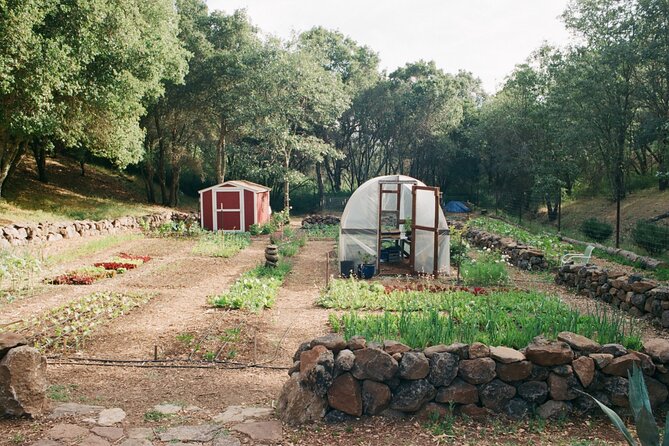
This experience is a refreshing alternative to the usual Napa rhythm. Instead of lining up for tastings, you head out for a private workshop with Stepping Stone Farm, an educational market garden session focused on regenerative methods and sustainable growing. It runs about 1 hour 30 minutes, so it fits nicely into a busy Napa or Sonoma day without turning into a full-day commitment.
What makes it work is the tone. You’re not only learning how plants grow. You’re also learning how to pay attention: to timing, to soil, to the ecosystem around the beds, and to how your own conditions shape what will thrive. The mountain setting above Napa Valley adds a sense of calm. And yes, you still get to sample what’s growing—just in a way that feels educational instead of salesy.
If you’re hoping for a polished presentation with lots of slides, you might find it more “garden classroom” than lecture hall. But if you like hands-on learning and real-world gardening, this is a strong match.
First Stop: A Tasting Tour Through the Market Garden
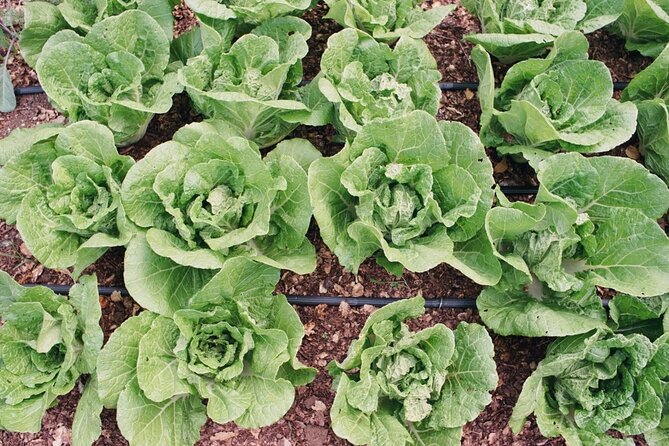
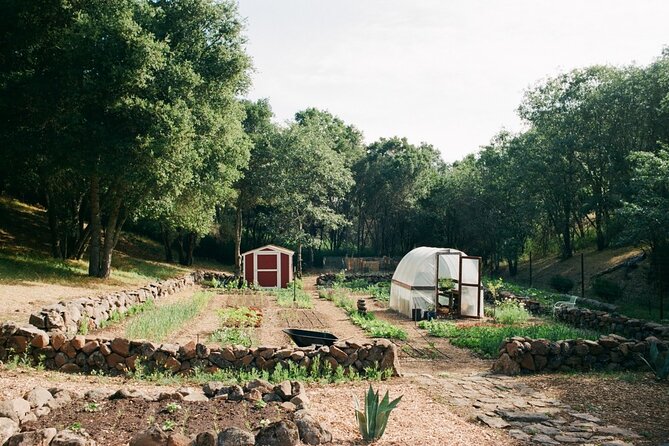
The session starts with a walk through the market garden. You’ll see fruits and vegetables that are currently in production, and you’ll talk through what you’re looking at while you observe the different varieties. This part matters because it teaches you how to think like a gardener, not like a shopper.
You’ll spend time on the role of seasonality—how the garden changes over time and how timing affects what you choose to plant. You’ll also talk through practical decisions: vegetable selection, when to plant, and how to find the right “place” for a crop in the wider ecosystem. That last point is subtle but important. It’s easy to treat a garden like a set of isolated projects. This approach pushes you to think in systems: soil life, moisture, plant relationships, and what the garden is asking for right now.
During this portion, you’ll also sample seasonal fruits and vegetables as part of the tasting. That turns the tour into something you can taste immediately. You’ll leave with flavor memories you can connect to what you learned—much easier to remember than a list of varieties.
If your guide is Patrick, you’re in good hands. The way he shares information tends to be energetic and detail-oriented, with room for you to ask and go deeper. You can use that early stage to get clarity on what to focus on later during the hands-on part.
Hands-On Regenerative No-Till Work: Soil, Beds, Planting, Harvesting
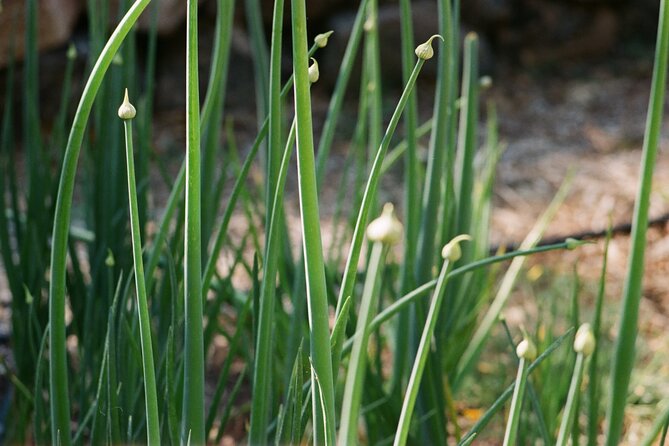
After the tour and tasting, you get your hands a bit dirty. This is the part that turns the ideas into skills you can try at home.
The workshop is built around regenerative no-till farming practices. In plain terms, that means the goal is to disturb the soil as little as possible while building healthier plant conditions over time. You’ll learn how to build soil and why that foundation matters. Healthy soil supports stronger plants, better water dynamics, and more resilient growing.
Expect guidance through tasks that are common in real market gardens, but tailored into teachable steps. Depending on what’s appropriate for the season and the moment, you may practice things like:
- forming a new garden bed in a way that sets up the crop for success
- planting seedlings with attention to spacing and timing
- harvesting with the right approach so plants give well and don’t get damaged
Even if you’re a beginner, this is where you’ll start connecting concepts to action. If you already garden, this is where you may get surprised by details you might not think about—like how regeneration changes your mindset about soil first, output second.
The timing also matters. The workshop is designed around what is seasonally appropriate, not just a “standard set” of tasks. That’s a practical advantage: you learn how to respond to the current conditions instead of copying a rigid routine that only works on paper.
Turning Garden Lessons Into Advice for Your Own Microclimate
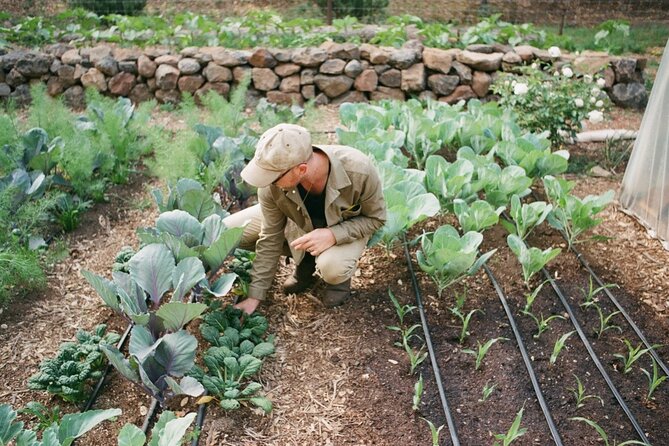
At the end, you slow down and focus on questions. This is the Q&A stretch, and it’s where the workshop earns its keep for gardeners who want results, not just a nice morning out.
You’ll have time to hash out questions based on your growing location and micro climate. The point here is translation. Napa and Sonoma are full of different exposures, wind patterns, sun angles, and soil types—so your backyard isn’t automatically a smaller version of someone else’s garden. The guide’s goal is to help you become a better steward: someone who can watch, adjust, and plan with what the environment is telling you.
I like this format because it prevents the classic problem: you leave a farm tour impressed but unsure what to do Monday morning. Here, you get a chance to ask directly about your conditions and how regenerative, no-till ideas could fit your reality.
If you’re the kind of person who has tried starting seeds and then stalled out when transplanting hits, ask that. If you’re dealing with poor soil, ask what soil building would look like in your situation. If your problem is timing—planting too early or losing crops to weather swings—ask how to read the season and adjust.
What the Seasonal Sweets Add to the Experience
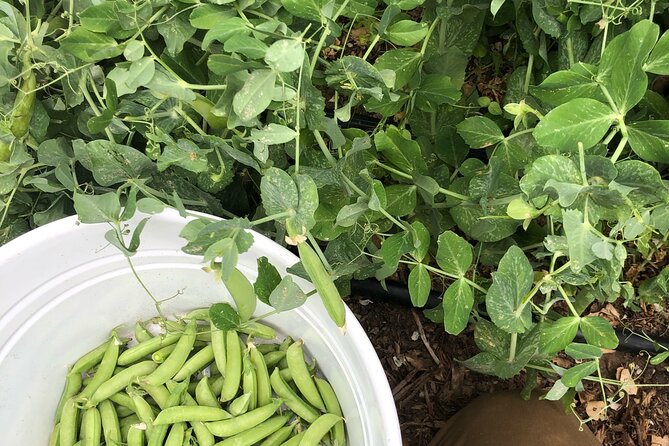
This workshop includes a sweet finish: seasonal sweets. It’s not just a snack. It’s part of the overall theme: the garden isn’t separate from the table.
That matters in a real way. When you taste something made or presented as seasonal, you reinforce the key idea the workshop keeps circling: the calendar drives what grows, and what grows shapes what tastes good. Even if dessert isn’t the main reason you come, it ties a bow on the morning.
You also get a comfortable pace. With about 1.5 hours, you’re not spending half your day commuting and waiting around. It’s a focused block: tour, tasting and discussion, hands-on tasks, then Q&A and sweets. That structure is ideal if you want something meaningful but not exhausting.
Getting to the Workshop: Soda Canyon Road and a Sensitive Location
The meeting point is at Soda Canyon Road, California 94558. The activity ends back at the meeting point, so you’re not scrambling to figure out a second drop-off.
One key note: the farm location is sensitive, so you’ll need to contact the host prior to booking to discuss the details. That’s not a dealbreaker; it just means you should plan ahead and don’t rely on a publicly posted exact address.
Start time is 10:00 am, which is perfect for a morning energy level. You’ll also want to wear shoes you don’t mind getting a little dirty, since the workshop includes hands-on garden work.
If you’re coming specifically to avoid a wine tour vibe, this is a good way to use Napa Valley time differently. You get to see a working landscape up close, learn the practices behind it, and leave with something you can apply at home.
Weather, Group Size, and When This Works Best
This experience works best with good weather, since it’s centered on outdoor garden tasks and walking through the market garden. If weather cancels the session due to poor conditions, you’ll be offered another date or a full refund.
It’s also designed as a private tour/activity, meaning only your group participates. That matters because regenerative growing is a “show up and ask questions” kind of topic. If you’re the type who learns by conversation, private format gives you room to slow down and get answers.
You should consider this workshop if you:
- want an alternative to wine-centric Napa days
- love gardening and want practical guidance you can apply at home
- are curious about regenerative no-till methods and soil-first thinking
- enjoy being outside and learning by doing, not just watching
Should You Book This Regenerative Farm Workshop?
Book it if your idea of a great Napa experience includes getting your hands involved and learning a system you can use at home. The combination of a market garden tasting tour, hands-on no-till regenerative tasks, and time for microclimate questions makes it more useful than many scenic tours. It’s also a strong pick if you want to feel like you learned something real in under two hours.
Skip it if you want a long, high-comfort sit-down experience or you prefer highly structured indoor content. Also, be mindful that you’ll need to contact the host for sensitive location details, and you’ll want decent weather for the outdoor work.
If you’re excited about growing—whether you have a full yard or just a few containers—this workshop is the kind of Napa detour that pays off later in your garden.
FAQ
How long is the private farm workshop?
It runs for about 1 hour 30 minutes.
Where does the experience start?
The meeting point is at Soda Canyon Road, California 94558, USA.
Is this tour private or shared with strangers?
It’s private. Only your group participates.
What language is the workshop offered in?
It’s offered in English.
What do I do during the workshop?
You start with a tasting tour through the market garden, then you participate in seasonally appropriate garden tasks like building soil, planting seedlings, forming new garden beds, and learning how to harvest.
Will I taste any food?
Yes. You’ll sample seasonal fruits and vegetables during the market garden tour, and there are seasonal sweets at the end.
Do I need to contact the host before booking?
Yes. You’re asked to contact the host prior to booking to discuss sensitive location information.
Is the workshop dependent on weather?
Yes. It requires good weather. If it’s canceled due to poor weather, you’ll be offered a different date or a full refund.
Are service animals allowed?
Yes, service animals are allowed.
What happens if the minimum number of travelers isn’t met?
If the minimum isn’t met and the experience is canceled, you’ll be offered a different date/experience or a full refund.