REVIEW · MEXICO CITY
Urban Orchard in Desierto de los Leones in Mexico City
Book on Viator →Bookable on Viator
Desierto de los Leones turns city noise into birdsong. This Urban Orchard outing is a half-day reset in Mexico City, where you learn how an oasis of edible plants works as a living ecosystem. I love the hands-on approach, from crushing leaves for scent to tasting plants, and I also love the personal feel with Rubén and David guiding you through their techniques and daily orchard life. One consideration: this experience needs good weather, so plan around that if you’re flexible.
You’ll spend roughly five hours total, including a ride up from Avenida Chapultepec (about 45 to 60 minutes depending on traffic). The focus is not sightseeing. It’s about learning to interact with food and plants using your senses, and then doing something creative with what you find that moment in the orchard.
In This Review
- Quick highlights you’ll want to know first
- From Avenida Chapultepec to Desierto de los Leones: the ride and arrival
- Meet Rubén and David: orchard storytelling and sustainable gardening know-how
- Orchard senses in action: birdsong, leaf fragrance, and tasting tests
- Foraging in the moment: how it works and what you’ll take away
- From orchard to plate: making something simple with freshest produce
- Price and logistics: is $75 worth a five-hour orchard visit?
- Who should book this Urban Orchard experience
- Should you book Urban Orchard in Desierto de los Leones?
- FAQ
- Where is the meeting point for this tour?
- How long does the Urban Orchard tour take?
- Is this tour private, and is it offered in English?
- What’s included in the price?
- Do I need good weather to go?
- What is the cancellation policy?
Quick highlights you’ll want to know first
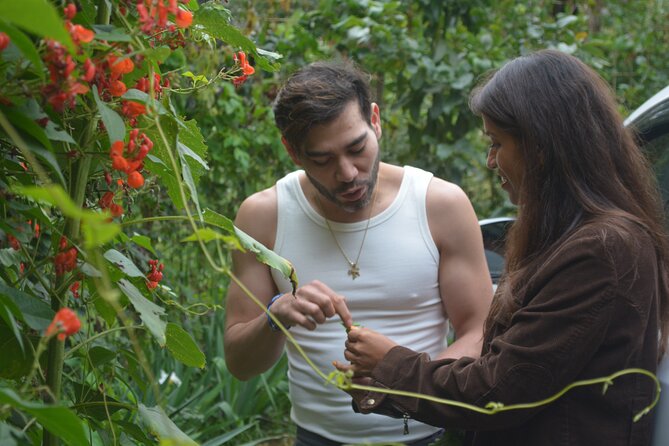
- Senses are the curriculum: you’ll listen for birds and insects and use touch, smell, and taste to learn plants
- Rubén and David teach the why: edible plants, ornamental plants, composting, and the care routines that keep everything going
- Foraging happens during the visit: you’ll look for what’s ready right then, not just admire beds from afar
- Simple meal ideas with fresh produce: you’ll turn orchard ingredients into something you can imagine eating
- Private tour experience: it’s just your group, in English, with a mobile ticket included
- Comfort included: you get an air-conditioned vehicle plus coffee or tea and snacks
From Avenida Chapultepec to Desierto de los Leones: the ride and arrival
Most of your time is out in the orchard, but the tour starts in Mexico City with a pick-up point at Avenida Chapultepec Roma Nte., 06700 Mexico City, CDMX. You’ll meet there and then head out by car. Expect the drive to take about 45 minutes to an hour, depending on traffic.
Why this matters: Desierto de los Leones is not “across the street.” That travel time helps you shift your mindset from city mode into slower, quieter outdoor time. Also, an air-conditioned ride is a small but real comfort in Mexico City, especially if you’re booking midday.
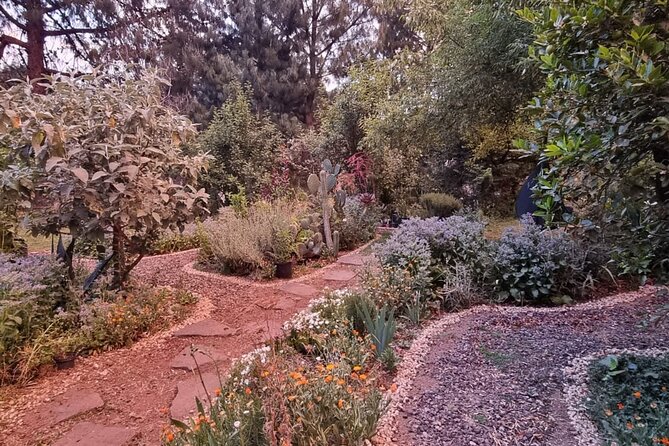
Once you arrive, you’re not just dropped off for a walk. You’ll get oriented to what the space is and how it works—trees, plants, and veggies arranged as a system rather than a garden with isolated sections.
Meet Rubén and David: orchard storytelling and sustainable gardening know-how
The real draw is the way the hosts teach. Rubén and David bring the orchard to life through stories and practical explanations—what they planted, what they changed, and how they adapted techniques to what the ecosystem seems to need.
A few of the most praised learning themes show up clearly in the experience:
- growing both edible plants and ornamental plants
- using composting methods tied to keeping soil healthier
- caring for a flock of chickens, which connects daily farm chores to the orchard’s cycle
- understanding how species fit into the soil and the broader ecosystem
That last part is key. Instead of treating plants like decorations, you learn that each one has a role. When you grasp the role—soil, insects, birds, and plant health—you start noticing the orchard differently. You also get a sense of what’s realistic for an urban setting: it’s not “farm fantasy.” It’s systems, patience, and attention.
Also, this is offered in English. If you prefer structured explanations (and not just a casual garden stroll), you’ll likely appreciate that the guide’s narration carries you through the space.
Orchard senses in action: birdsong, leaf fragrance, and tasting tests
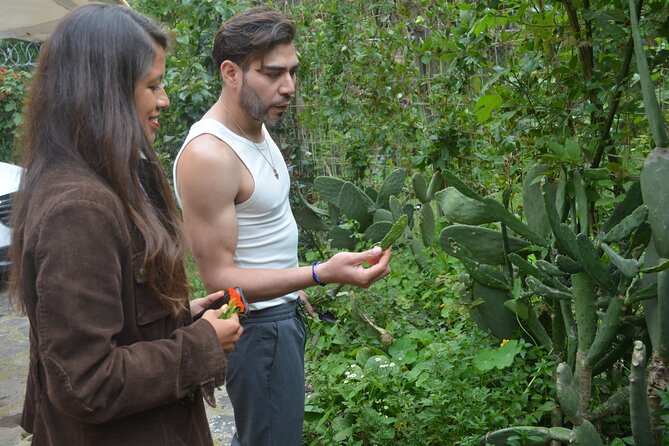
This tour is built around sensory learning, which is why it feels more memorable than a typical garden walk. You’re invited to listen as birds and insects move through the orchard throughout the day. You’re also guided to use your hands and senses to interact with plants, not just observe them from a distance.
One standout aspect is the hands-on element:
- crushing a leaf to release fragrance
- trying plants to discover flavor
That might sound simple, but it changes everything. When you smell crushed leaves, you stop thinking of them as “green stuff.” When you taste, you build real context for why certain plants belong in a food-focused orchard.
From the guides’ explanations, the orchard isn’t presented as a random collection of herbs. You’ll also hear about how selected plants support creatures that visit—hens, bees, birds, and humans—so the garden feels like a shared neighborhood rather than a solo project.
If you’re someone who likes science, you’ll appreciate the species-by-species explanations. If you’re someone who just wants to feel calmer and learn in a friendly way, the sensory focus still carries you.
Foraging in the moment: how it works and what you’ll take away
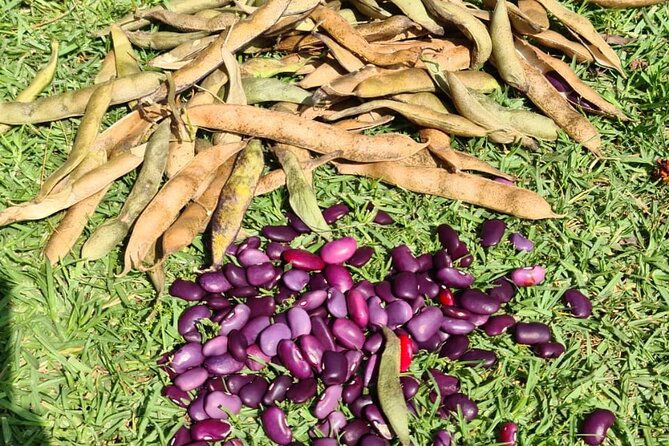
At some point, you move from exploring to foraging. The tour doesn’t frame foraging as a survival skill. It’s framed as using attention and curiosity—finding what the garden offers at that time and then thinking creatively about it.
Why foraging is such a valuable part of this experience:
- it teaches you to notice what’s ready right now, not what you wish were growing
- it makes plant learning practical, because you’re linking identification with the next step: flavor and use
- it turns the orchard into something active you participate in, not just something you visit
You’ll also get a mental shift about food. In many cities, we treat produce like it appears at the store fully formed. Here, you’re encountering it as a living process—where plants have seasons, and where your “harvest” depends on what the orchard is doing that day.
One small consideration: foraging and tasting work best with a curious mindset. If you’re uncomfortable tasting leaves or dealing with the idea of using your senses to choose what you’ll interact with, you might find the hands-on parts less appealing.
From orchard to plate: making something simple with freshest produce

After foraging, you’ll be challenged creatively. The guides help you imagine something simple yet delicious to eat using the freshest produce available in the orchard at that moment.
The wording here matters: you’re not sent off to “figure it out.” The experience supports you in turning ingredients into an idea you can connect to real cooking. Based on the way the hosts talk about plants—including local uses and medicinal or health-related qualities—you’ll likely feel motivated to think beyond just raw salads or familiar herbs.
Some previous participants specifically connected the orchard visit to cooking inspiration, including ideas for using what they learned in the kitchen at home. That makes the whole experience feel useful, not just atmospheric.
Also, part of the comfort setup is already handled for you. You’ll have coffee and/or tea plus snacks included. So you’re not going into the orchard hungry and you can focus on learning instead of logistics.
Price and logistics: is $75 worth a five-hour orchard visit?
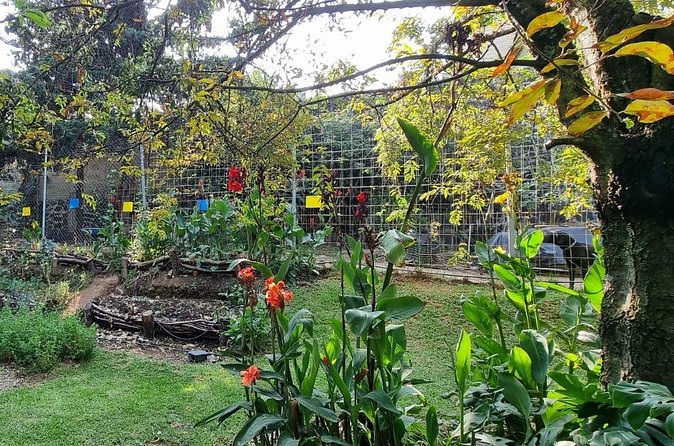
At $75 per person for about 5 hours (including pickup, drive time, and time in the orchard), you’re paying for a private, guided, sensory-focused experience—plus transportation and light refreshment.
Here’s what you’re getting for that price, based on the tour details:
- Air-conditioned vehicle for the ride up and back
- Coffee and/or tea and snacks
- A guided orchard experience in English
- A mobile ticket, plus a private group setting
Value is about what you actually do in those hours. This isn’t “walk around and take photos.” You’re learning plant techniques, interacting with plants using multiple senses, foraging, and connecting it to food and cooking ideas.
It also helps that the experience gets booked in advance fairly steadily (on average, about 11 days ahead). That suggests people treat it as a real appointment worth planning around—not a last-minute stroll.
One more practical note: the tour runs Monday through Saturday, 9:30 AM to 4:00 PM. If you want the calmest vibe, you’ll likely do best choosing a time that fits your energy level, since you’ll be outside for a meaningful chunk of the half-day.
Who should book this Urban Orchard experience
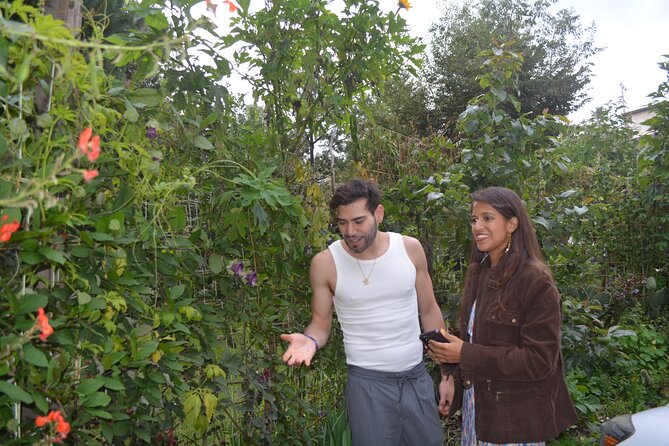
This works best if you want something calm and hands-on during a Mexico City visit. It’s a good match for:
- plant lovers who like learning how gardens work, not just what they look like
- sustainability-minded travelers interested in composting and urban growing
- food-curious visitors who enjoy foraging ideas and tasting plants
- travelers who want a quieter nature break without losing the “guided” structure
If you mainly want big-city landmarks, museum-style history, or a fast-paced tour packed with stops, this may feel too focused. The payoff here is depth in one place: a functioning urban orchard system you can hear, smell, and taste.
Should you book Urban Orchard in Desierto de los Leones?
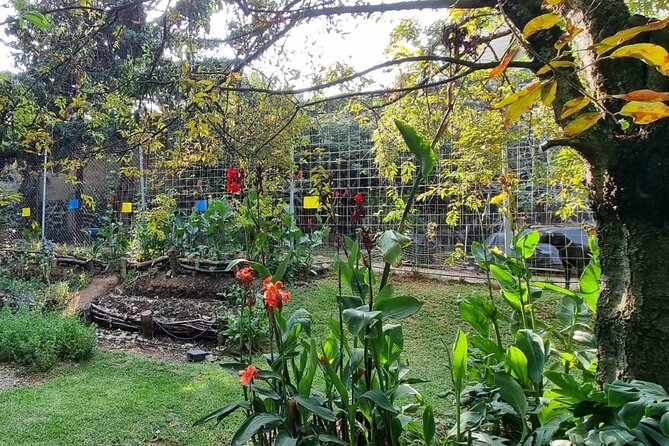
I think you should book it if you want an authentic, slower Mexico City day where learning happens through your senses. The strongest reasons to go are the hands-on plant interactions and the way Rubén and David turn their orchard into a living ecosystem lesson, including practical topics like composting and caring for chickens.
Skip it only if you know you won’t enjoy tasting or foraging-style learning, or if you can’t be flexible around good weather. Since the tour depends on conditions, having backup flexibility helps.
If you’re on the fence, consider this simple checklist: do you like gardens, do you like food-related learning, and do you want a break from traffic and crowds? If yes, this is an easy “go” for a half-day in the hills.
FAQ
Where is the meeting point for this tour?
The meeting point is Avenida Chapultepec Roma Nte., 06700 Mexico City, CDMX, Mexico. The tour ends back at this same meeting point.
How long does the Urban Orchard tour take?
It runs for about 5 hours (approximately), including the drive to and from the orchard.
Is this tour private, and is it offered in English?
Yes, it’s a private tour/activity, meaning only your group participates. It’s offered in English.
What’s included in the price?
The tour includes an air-conditioned vehicle, coffee and/or tea, and snacks. Alcoholic beverages are not included.
Do I need good weather to go?
Yes. The experience requires good weather. If it’s canceled due to poor weather, you’ll be offered a different date or a full refund.
What is the cancellation policy?
You can cancel for a full refund up to 24 hours in advance. If you cancel less than 24 hours before the start time, the amount paid is not refunded.