REVIEW · NORTH ISLAND
Bullswool Heritage Farm General Entry Ticket
Book on Viator →Operated by Bullswool Heritage Farm · Bookable on Viator
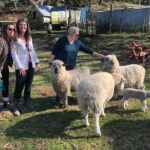
Feed a farm full of friendly animals in Coromandel. I like how this is a hands-on working-farm day: you follow walking tracks, meet rare-breed animals up close, and can hand-feed them. I also love that the museums feel like living history, from the sheepshed and early milking shed displays to the working-horses stable museum.
One thing to keep in mind: this is an outdoor farm experience, and it requires good weather, so you may need a backup plan on rainy days. Also, it’s not a tightly scripted tour with a live show, so if you want nonstop entertainment on rails, you’ll need to enjoy the slower, wandering pace.
In This Review
- Key things to know before you go
- On the ground at Bullswool Heritage Farm: why the setting matters
- The self-paced farm day: walking tracks and hand-feeding without stress
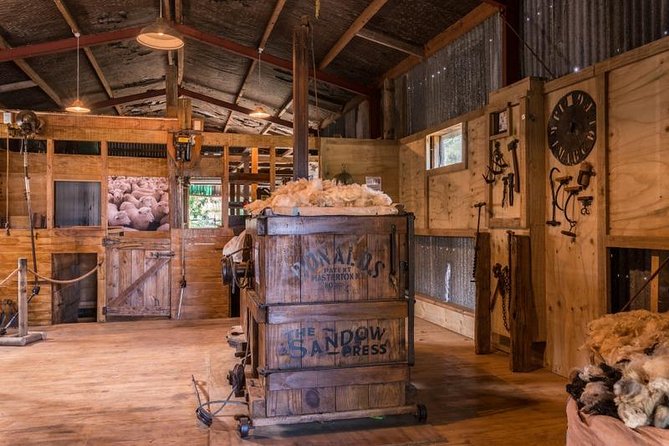
- Sheepshed Museum: early farming pioneers made tangible
- Early Milking Shed Museum and the Working Horses stable museum
- Historic Kauri and Gold Museum: local collections you can actually wander through
- Karangahake Native Bird Reserve: conservation you can see and care about
- Timing the visit: 2 to 3 hours and how to make it feel longer
- Price and value: what $11.17 gets you
- Practical tips for a smoother day at the farm
- Who should book Bullswool Heritage Farm?
- Should you book this farm ticket?
- FAQ
- How much is the Bullswool Heritage Farm general entry ticket?
- How long does the experience take?
- Where is Bullswool Heritage Farm?
- What are the opening hours?
- Is the ticket mobile?
- What do I get to do on-site?
- What’s the cancellation policy if weather is bad?
Key things to know before you go
- A working-farm setup on 100 acres of native bush and hill country, just minutes from Karangahake Gorge
- Hand-feeding friendly animals along walking tracks, so you can spend as long as you want
- Working museums that focus on early farming tools, milking, horses, and local collections
- Karangahake Native Bird Reserve, recognized for conservation and great for bird lovers
- Family-friendly play areas that give kids a break from animal time
- Mobile entry ticket and a straightforward visit window from late morning to late afternoon
On the ground at Bullswool Heritage Farm: why the setting matters

Bullswool Heritage Farm is a farm-and-nature park experience set on 100 acres of mature native bush and rolling hill country. It matters because the animals and the exhibits aren’t stuck in a parking-lot loop. You actually move through the grounds, so the day feels like you’re spending time in the place, not just buying entry to a building.
It’s also close to Karangahake Gorge in the Southern Coromandel. If you’re road-tripping through the area, you get an easy win: a short drive from a famous outdoor spot, plus a very different vibe once you arrive. Bullswool has recognition too, including being named one of the AA’s 101 Must Dos for Kiwis and winning awards for conservation work, which helps explain why the bird reserve is treated as something worth protecting, not just decorating.
You can also read our reviews of more tours and experiences in North Island.
The self-paced farm day: walking tracks and hand-feeding without stress
Here’s the core rhythm of your visit: you enter, then you follow walking tracks through sections of the farm. The point is contact. The animals are friendly, and you can hand-feed them, which turns this from a passive look-and-leave stop into real farm interaction.
You’ll probably spend time where the line forms in your own head. Some people get hooked on the animals first. Others drift toward the museums and circle back to the feeding. The practical benefit is that you’re not trapped by a strict schedule in the way you are with many guided tours. If your family has energy, you can keep going. If you’re tired, you can shorten it and still feel like you did the main thing.
A small caution, because it’s a farm: keep it calm and follow staff instructions. Hand-feeding is fun, but it works best when you’re patient, gentle, and ready to pause if an animal or group needs space.
Sheepshed Museum: early farming pioneers made tangible
The Sheepshed Museum is one of the big reasons I’d put Bullswool on a Coromandel short list. It’s not just a display. It’s built around the story of New Zealand’s early farming pioneers, and that theme comes through in how the sheds and collections are presented.
What I like about this kind of museum format is that it teaches without lecturing. You get context for why shearing and wool were so important, and you can make sense of farm life as a system, not just as an animal encounter. It’s also a good balance for families: kids can bounce between animal time and hands-on-feeling history, and adults get something more than cute selfies.
If you’re a history fan, pair this stop with the milking shed exhibits later. Together, they give you a more complete picture of what farm work used to look like and why the equipment mattered.
Early Milking Shed Museum and the Working Horses stable museum

Bullswool includes an Early Milking Shed Museum, which focuses on how milking was done in earlier New Zealand farm life. Even if you’re not a dairy-history expert, the setting helps you connect the dots. You start to see the logic behind the tools: how they were used, why the process needed specific spaces, and how farm work shaped daily routines.
Then there’s the Working Horses of NZ Stable Museum. Horses are part of the farming story here, and the stable museum adds a different kind of appreciation. It’s a reminder that farms weren’t only about livestock in paddocks; they relied on working animals to move, carry, and manage the work.
For families, this combination is smart. Kids can enjoy the energy of the animals and then get their curiosity satisfied by what those animals enabled. Adults often find it calming too. It’s less noisy than a typical attraction and more about slow observation.
Historic Kauri and Gold Museum: local collections you can actually wander through
Bullswool also has a Historic Kauri & Gold Museum. This is where the experience expands beyond purely farm life into local materials and stories. The kauri angle ties into New Zealand’s natural resources and how those resources shaped communities. The gold connection adds a different historic thread that helps explain why people moved, worked, and built in this region.
I like that this museum stop is easy to fit into the day. It doesn’t require a big commitment of time to get value. If you’ve got 10 to 20 minutes between animal feeding and bird reserve time, you can still make progress without rushing.
If you’re visiting with a mix of ages, this is one of the best segments to slow down. Even if a child doesn’t want to hear every detail, the environment encourages curiosity. Adults who enjoy museum texture will also appreciate the way it blends with the broader setting rather than feeling like an off-site add-on.
Karangahake Native Bird Reserve: conservation you can see and care about
One of Bullswool’s standout features is the Karangahake Native Bird Reserve. This is award-winning and tied to conservation work, which means you’re not just paying for animals behind a fence. You’re visiting a protected area with a mission behind it.
Bird reserves work best when you go in with patience. Sometimes you get lucky right away. Other times, you spend time watching movement in trees and listening for calls. Either way, the reserve adds meaning to the whole farm experience. You’re not only learning about farming history and feeding animals; you’re seeing how conservation fits into the modern story of this place.
If you’re the type who loves nature more than museums, start here mentally. Let the bird reserve set the tone, then enjoy the farm interactions with a calmer mindset.
Timing the visit: 2 to 3 hours and how to make it feel longer

Bullswool’s general visit is listed at around 2 to 3 hours, which is a useful range if you’re planning a day around driving distances. The real advantage is flexibility. Some families use that time as a proper farm loop, then head off. Others stay longer because the animals and play areas keep pulling people back in.
A helpful way to plan is to think in blocks. Give yourself time for:
- feeding animals and wandering the tracks
- at least two museum areas
- bird reserve time at a pace that feels unhurried
If you arrive and immediately rush, you’ll miss the best part, which is the slow rhythm. If you’re traveling with kids, expect the day to expand naturally. They’ll want to stop, check, feed, and re-feed. That’s normal. Build in extra time if you can.
Also, check opening hours before you go. Bullswool is open Tuesday through Sunday, 10:00 AM to 4:00 PM. Outside those times, the whole plan falls apart, so you’ll want to slot it into the active hours of your itinerary.
Price and value: what $11.17 gets you
At about $11.17 per person, Bullswool is priced like an affordable local attraction, but the experience reads like more than a quick stop. The value comes from the mix: hands-on farm contact plus multiple museum areas plus the native bird reserve, all on one ticket.
Many attractions at this price point focus on a single gimmick. Bullswool spreads the day out across different interests. Animal lovers get feeding time. Museum fans get working displays that connect to New Zealand’s farming past. Bird watchers get a reserve tied to conservation. Kids get play areas so the day doesn’t become a nonstop animal marathon.
If you’re comparing costs, look at what you’re really buying: hours of outdoor wandering with meaningful variety. That’s why this works so well as a family stop on a road trip through the North Island.
Practical tips for a smoother day at the farm
A few small choices can make the visit easier and more enjoyable.
First: plan around good weather. The experience requires it, and since it’s a walking-track farm day, rain can shrink your comfort level quickly. If the forecast looks shaky, consider building this into the part of your itinerary where you can move it to a clearer day.
Second: use the mobile ticket you’ll get for entry. It keeps things simple, especially if you’re traveling with kids and don’t want to manage extra paperwork.
Third: if you’re visiting for animals, keep your mindset gentle. Hand-feeding is a highlight, but it works best when you move slowly, stay aware of other people, and don’t crowd.
Finally: bring a picnic mindset. One of the most common ways families stretch the day is to add time for a meal on-site. Even if you don’t plan every detail, thinking ahead about food and downtime helps you keep the day relaxed instead of frantic.
Who should book Bullswool Heritage Farm?
Bullswool fits best if you like farm life, animals, and hands-on experiences. It’s also a strong choice if you want a family-friendly outing that doesn’t require everyone to share the same interest. Kids tend to latch onto feeding and play areas. Adults often enjoy the farm museums and the bird reserve’s conservation focus.
I’d also book it if you’re in the area for Karangahake Gorge and want something more rural and interactive on the same trip. The drive is short enough to use Bullswool as a satisfying detour rather than a major detour.
If you’re traveling solo, you’ll still get value, especially from the museums and bird reserve. Just plan for a slower pace where you’re doing your own wandering and observing.
One extra note from family stories: many people mention feeling welcomed, including the owner Sue. That hospitality can matter, especially when you’re bringing children and you want the day to feel friendly rather than transactional.
Should you book this farm ticket?
Yes, if you want a budget-friendly, real-life farm outing with multiple ways to spend time. Bullswool’s strength is the combination: hand-feeding friendly animals, working-history museums, and the Karangahake Native Bird Reserve in one place.
I’d skip it only if you need a tightly guided schedule, or if your trip is locked to a week with unreliable weather and you can’t shift dates. Otherwise, this is the kind of place where 2 to 3 hours turns into a memorable half-day, and you leave feeling like you actually met the region, not just passed through it.
FAQ
How much is the Bullswool Heritage Farm general entry ticket?
The general entry ticket costs $11.17 per person.
How long does the experience take?
The visit is typically 2 to 3 hours.
Where is Bullswool Heritage Farm?
It’s in North Island, New Zealand, in the Southern Coromandel area near Karangahake Gorge.
What are the opening hours?
Bullswool is open Tuesday through Sunday from 10:00 AM to 4:00 PM.
Is the ticket mobile?
Yes, this experience includes a mobile ticket.
What do I get to do on-site?
You can follow walking tracks to see and hand-feed friendly farm animals, and you can visit museum areas including a working sheepshed museum, an early milking shed museum, a stable museum, a historic kauri and gold museum, plus the Karangahake Native Bird Reserve.
What’s the cancellation policy if weather is bad?
You can cancel for a full refund up to 24 hours in advance. The experience also requires good weather, and if it’s canceled due to poor weather, you’ll be offered a different date or a full refund.