REVIEW · PEREIRA
Coffee Farm and Salento Walking Tour
Book on GetYourGuide →Operated by Gran Colombia Tours · Bookable on GetYourGuide
Coffee grows slow. So does this tour—what I like most is the hands-on moments like picking cherries and planting seedlings, plus a guided, step-by-step explanation from seed to roast. The one drawback: you’re outside for much of the day, so bring sturdy shoes and plan for changing weather.
After the farm, you tack on a Salento Walking Tour that helps you connect the coffee work to the town feel. It’s a private outing with a live guide in English or Spanish, and it runs just long enough to be satisfying without stealing your whole day.
In This Review
- Key things I’d watch for on this coffee + Salento combo
- A coffee tour that doesn’t treat you like an observer
- Getting to the farm: views, walk time, and why it matters
- The farm route: a guided walkthrough of coffee from start to roast
- Hands-on time: planting seedlings and harvesting cherries
- Watching the later steps: roasting and sometimes grinding
- The tasting lesson: how you learn to spot Colombian quality
- Salento on foot: tying the cup to the town
- How the itinerary plays out hour by hour (and what to expect)
- Pickup and transport: four base areas, one smoother plan
- The farm tour: around two hours of guided coffee learning
- Salento walk: about one hour of town connection
- Drop-off: back to your start town
- Price and value: is $93 fair for this half-day?
- Who will enjoy this most (and who might not)
- Tips to make the day smoother
- Should you book the Coffee Farm and Salento Walking Tour?
Key things I’d watch for on this coffee + Salento combo

- Hands-on coffee tasks like planting seedlings and harvesting cherries
- A full process walk-through from planting stages through roasting (and sometimes grinding)
- A tasting lesson with baristas focused on spotting Colombian quality traits
- Private group pacing with room to ask questions
- Salento on foot right after the coffee lesson so it all clicks together
- Pickup and drop-off from nearby towns to reduce hassle
A coffee tour that doesn’t treat you like an observer
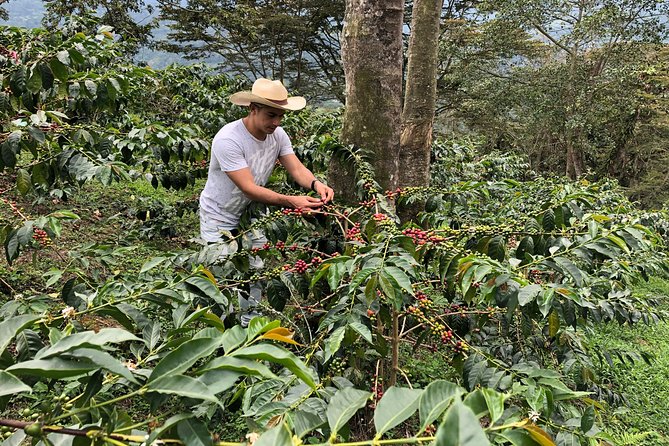
Tolima is where the coffee story feels real. The day starts with the kind of farm visit that makes sense only in coffee country: you’re not just watching beans go from A to B. You’re learning how many small human decisions shape the cup.
What I appreciate most is the focus on process. The tour is designed so you see stages of growth and handling, then you get to participate in a couple of key moments. That hands-on element makes the later tasting lesson easier. You already know what stage you’re tasting.
You can also read our reviews of more tours and experiences in Pereira.
Getting to the farm: views, walk time, and why it matters
You’ll be driven to a traditional coffee farm with around a hundred years of history. That old-school setting matters because it frames coffee as work passed down, not an industrial pipeline.
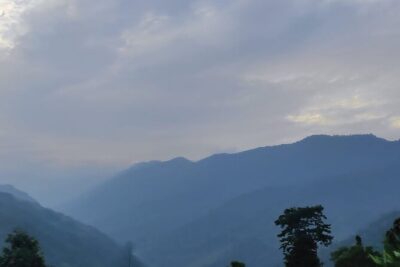
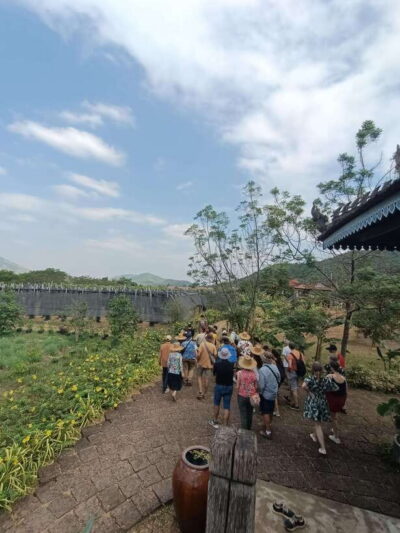
Once you arrive, expect a relaxing atmosphere and good viewpoints while you’re guided through different areas of the farm. The day includes a walk as part of the farm portion, and there’s also a short walking stretch in Salento later. I’d treat this as a shoes-and-water kind of outing, not a sit-and-watch museum trip.
Practical note: the tour operates in all weather conditions. That means you should come prepared to stay comfortable even if it changes during the day.
The farm route: a guided walkthrough of coffee from start to roast
The heart of the experience is the guided tour along the plantation. Your coffee expert and guide take you around to explain the phases coffee goes through, from the earliest growing steps to the end stages like roasting. This is the part that helps you connect what’s happening on the plant to what ends up in your cup.
Here’s what that usually feels like on the ground:
- You get context for how coffee grows and why different stages matter.
- You move through the farm areas in a logical sequence, so the process doesn’t feel random.
- You stop to learn, then you do a couple of activities that make the lesson stick.
Hands-on time: planting seedlings and harvesting cherries
This is where the tour earns its value. You don’t just get a lecture. You’re invited to participate in key steps.
- Planting coffee seedlings right in the seedlings area gives you a sense of how deliberate coffee growing is. It’s not instant gratification; it’s careful work meant for future harvests.
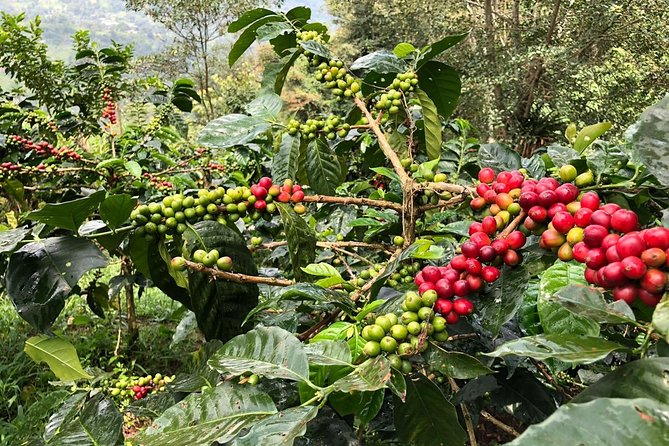
- Picking coffee cherries from the bushes shows you that coffee is harvested at the fruit stage, not as a dried, ready-to-roast product. Seeing the cherries up close also helps you understand why picking quality matters.
Even if you’re not a coffee nerd, these two activities make you pay attention. You start thinking about timing, care, and what happens before roasting ever begins.
Watching the later steps: roasting and sometimes grinding
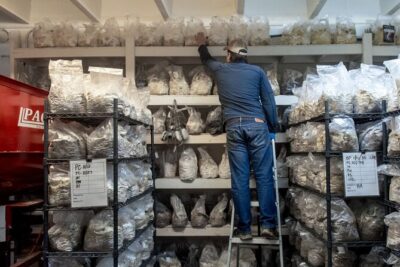
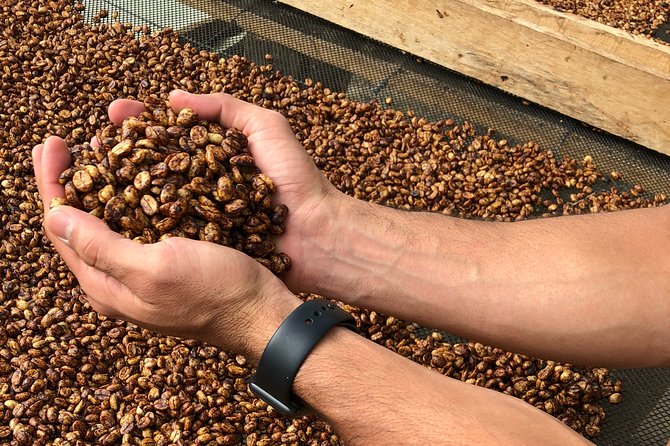
After the planting and harvesting moments, the tour shifts toward the finish. You’ll see last steps such as roasting, and sometimes grinding depending on what’s available during your visit.
This portion is useful because it bridges the gap between the farm and your favorite café order. Roasting is where green coffee becomes aromatic coffee, and grinding is where freshness and flavor begin to show up immediately. Seeing those steps in context helps you understand why coffee tastes different when it’s handled differently after harvest.
The tasting lesson: how you learn to spot Colombian quality
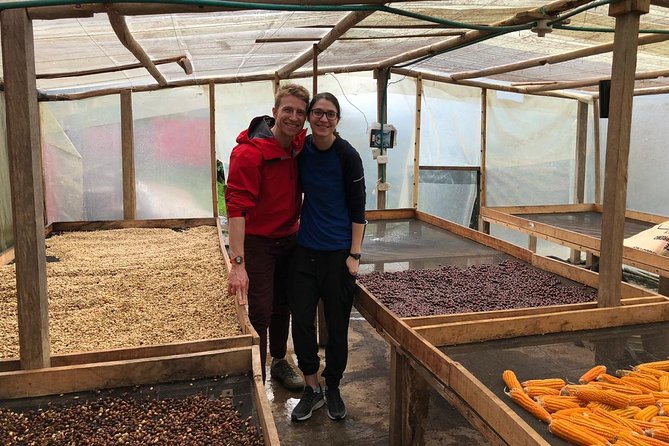
Then comes the part many people enjoy the most: coffee tasting. You’ll get a brief lesson with baristas, focused on recognizing characteristics of Colombian high-quality coffee.
The goal here isn’t to turn you into a judge with a tasting grid. It’s more practical than that. The lesson helps you notice cues like aroma and flavor traits tied to quality, and it gives you a vocabulary for what you’re tasting.
What I like about this structure is that it’s not only about drinking. You learn while you taste, so it feels like education with a cup in hand. And because it’s guided, you can ask questions as you go, which usually makes the tasting more fun and more personal.
Salento on foot: tying the cup to the town
After the farm side of the day, you’ll join a Salento walking tour. It’s a shorter stretch—about an hour—but it’s timed perfectly. By the time you reach town, you’ve already learned how much labor goes into coffee. So you notice coffee culture with different eyes.
This walking portion gives you:
- A chance to move at a relaxed pace
- Local context in between sips
- A bit of scenery and a break from the farm setting
If you’re basing yourself in the Salento area (or nearby), it’s also a nice way to avoid feeling like your day is only about transportation and plant work.
How the itinerary plays out hour by hour (and what to expect)
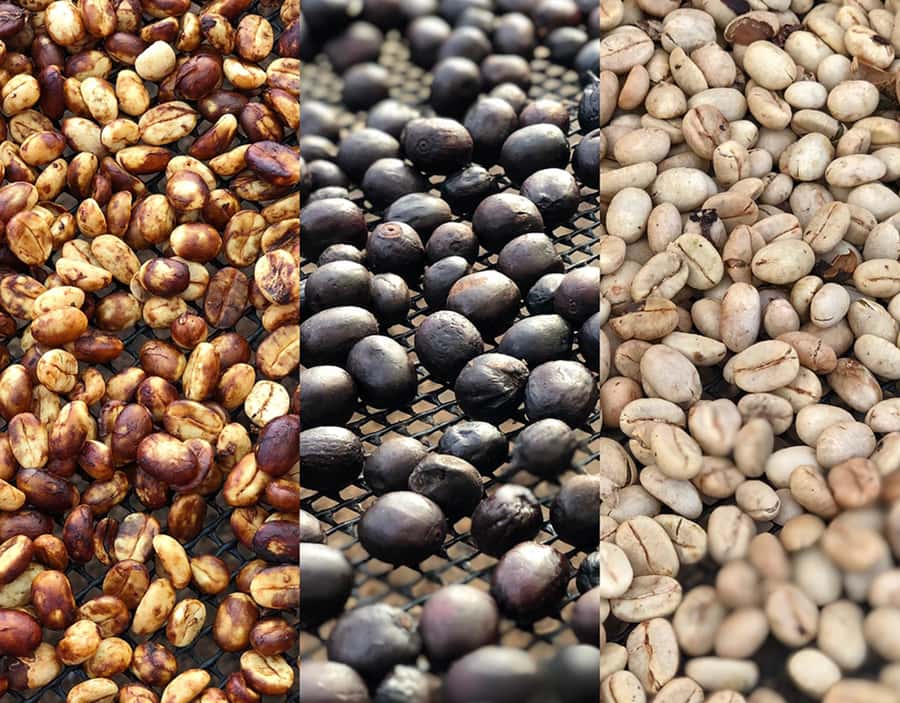
A typical day follows this rhythm: pickup, farm time, a short town walk, and then drop-off in the same general region.
Pickup and transport: four base areas, one smoother plan
You can be picked up in Salento, Pereira, Filandia, or Armenia. If you’re in Armenia city specifically, pickup can be from hotels, hostels, Airbnb, vacation rentals, and points of interest. That’s handy if you don’t want to figure out local routing on your own.
This matters because timing is everything with rural tours. The more you’re focused on getting there, the less fun the day becomes.
The farm tour: around two hours of guided coffee learning
The farm portion is about two hours. You’ll walk with the guide, visit plantation areas, and get invited into specific participation activities like planting seedlings and harvesting cherries. Then you’ll see later steps like roasting, and possibly grinding.
The pacing is designed so you don’t spend all your time looking at trees without context. You’ll have plenty of chances to ask questions as you move.
Salento walk: about one hour of town connection
After that farm focus, you’ll do a one-hour guided walk in Salento. It’s short on purpose. The idea is to give you a taste of the town after you understand the coffee behind it.
Drop-off: back to your start town
Drop-off is offered in Pereira, Filandia, Armenia, or Salento, depending on where you started. That keeps the day from turning into extra legwork at the end.
Price and value: is $93 fair for this half-day?
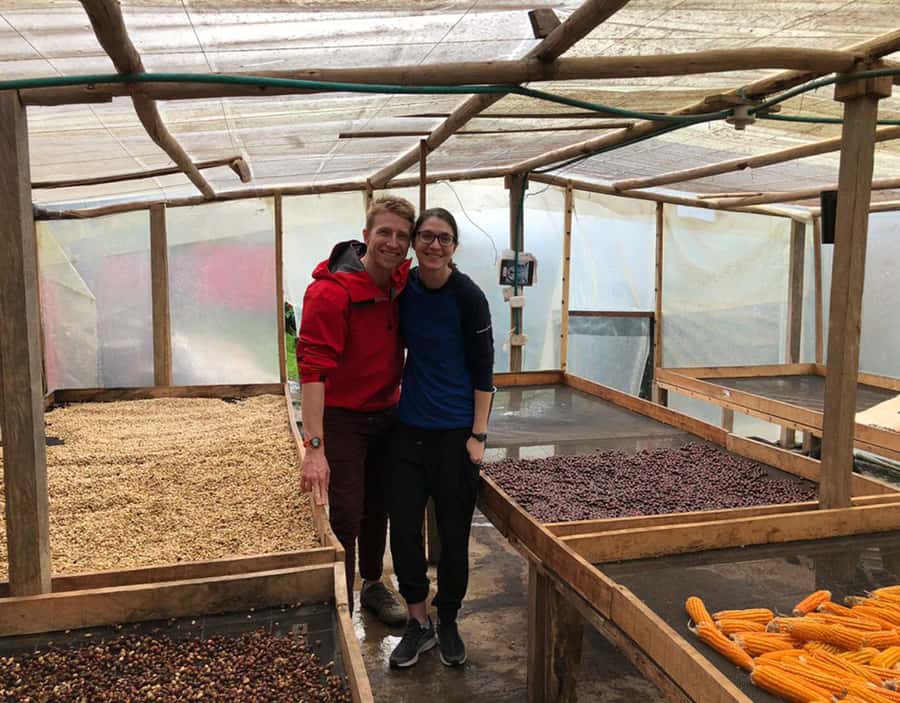
At $93 per person for a 4–6 hour experience, you’re paying for more than just a café tasting. You’re paying for guided farm time with entry included, coffee tasting, pickup and drop-off, and risk insurance.
Here’s what makes the price feel more “fair” than many coffee experiences:
- Farm entry and guided instruction are included, not add-ons.
- You get coffee tasting plus a lesson led by baristas.
- You’re doing actual farm tasks (planting seedlings and cherry picking), not only watching.
- Transportation from nearby towns reduces your need to plan logistics.
What you’re not paying for: lunch and any extra purchases. If you’re hungry after the tasting and walking, you’ll want to plan a meal on your own either before or after. On the plus side, skipping lunch can also keep the day flexible.
Who will enjoy this most (and who might not)
This tour suits you best if you:
- Like hands-on learning more than passive sightseeing
- Want a grounded coffee experience beyond café buzzwords
- Are traveling in the Salento–coffee region and want a structured half-day plan
- Enjoy asking questions when there’s an expert around
You might consider skipping or adjusting if:
- You dislike walking and being outside for extended stretches
- You want a totally relaxed, low-effort day with minimal participation
Because it runs in all weather and includes farm walking and town walking, comfortable shoes are not optional.
Tips to make the day smoother
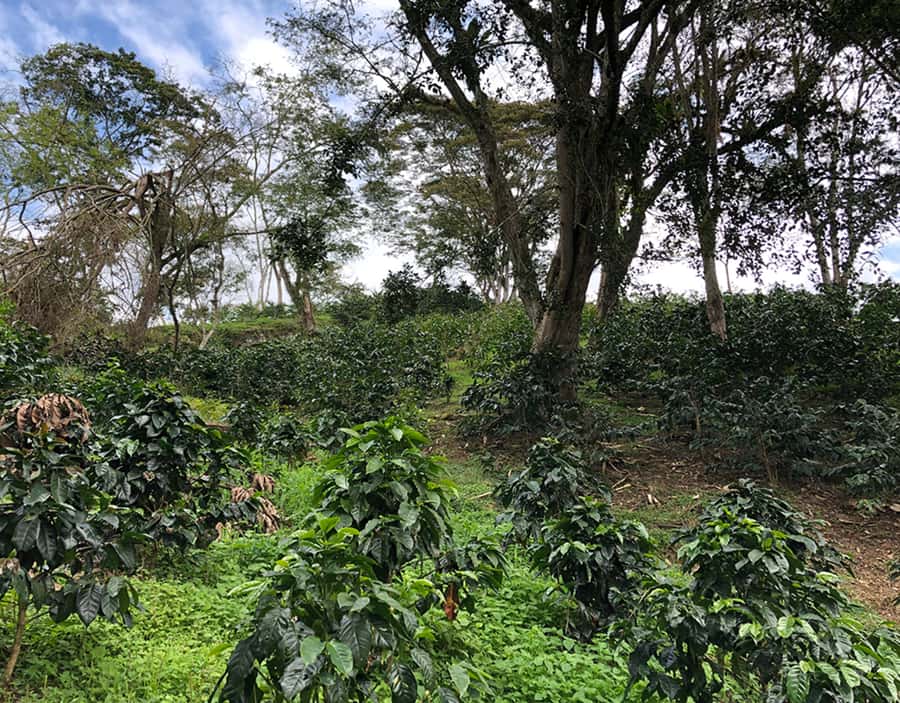
You’ll get the best experience if you come ready. Based on the practical guidance for the tour, I’d plan around these basics:
- Wear comfortable shoes for farm paths and town streets
- Bring water and keep hydrating
- Use sunscreen, since you’ll be outside
- Bring a camera, because both the farm setting and Salento walk give you photo moments
Also, since you’ll be learning and tasting, arrive with an open mind. Coffee quality isn’t only about taste. It’s about the steps that lead up to it, and the tour is built to show you those steps.
Should you book the Coffee Farm and Salento Walking Tour?
If you want a coffee experience with real context—planting, harvesting, roasting, and a tasting lesson—this is a strong pick. The value is in the full process overview plus the hands-on participation, not just the drink at the end. Add in the short Salento walk, and you get both the coffee work and the town connection in one outing.
Book it if you like learning by doing. Skip it if you’re chasing a purely restful day or you’re not up for being outside. For many people in this region, it hits the sweet spot: a focused half-day that turns coffee from a habit into a story you can explain.