REVIEW · LA PAZ
La Paz: Coral Farm Snorkel Tour
Book on Viator →Operated by La Paz City Map · Bookable on Viator
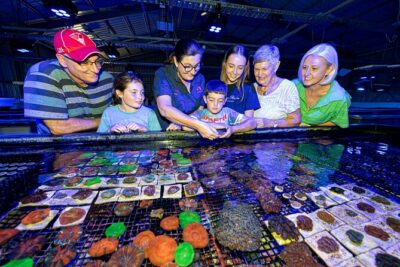
That’s exactly why I like this tour: you’re not just seeing reefs, you’re seeing how people grow coral back in the Mexican Pacific. You start with a guided talk on why corals matter, then you head into the restoration nursery’s snorkeling areas to observe coral incubation and growth beds firsthand.
Two things I especially like: first, the presentation portion gives you the background to actually understand what you’re looking at underwater. Second, the tour handles the hard part of snorkeling logistics for you—full gear is included, so you can focus on the water and the message instead of hunting for equipment. The main drawback to consider is that it’s not for non-swimmers, and the experience depends on good weather.
In This Review
- Key things to know before you go
- Why this coral restoration snorkel feels different than a standard reef trip
- The 2-hour plan: talk on corals, nursery snorkeling, then Pichilingue reef
- 1) Meeting up at Tours Perlas de La Paz
- 2) The coral talk: why you’re snorkeling, not just snorkeling
- 3) Coral incubation and growth beds: the main snorkeling moment
- 4) Pichilingue reef: natural biodiversity after the restoration stop
- What’s included (and what you should bring) for comfortable snorkeling
- Equipment: why it matters for a 2-hour outing
- What you should bring yourself
- Price and value: is $55.60 worth it in La Paz?
- Who should book the Coral Farm snorkel—and who should skip it
- You’ll likely love this if you:
- Consider skipping or asking questions first if:
- Water conditions and the weather factor in La Paz
- Tips to get more out of the coral beds snorkeling
- Is the Pichilingue reef stop worth it?
- Should you book this coral farm snorkel tour?
- FAQ
- How long is the La Paz coral farm snorkel tour?
- What is included with the tour?
- Is food included?
- Is the tour suitable for non-swimmers?
- Where does the tour start and end?
- How many people are in the group?
- What’s the cancellation policy if weather affects the tour?
- Is a mobile ticket used?
Key things to know before you go
- Coral restoration first, not an add-on: you’ll snorkel the nursery areas where coral is being grown.
- Guided lesson beats guesswork: the talk helps you spot what’s relevant underwater.
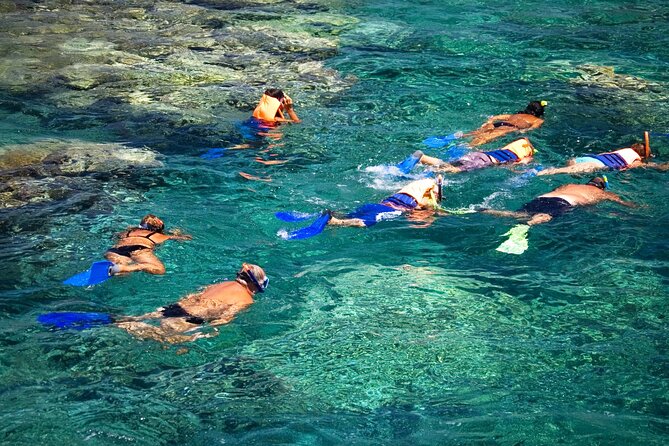
- Full snorkeling gear included: mask/visor, snorkel, fins, and wetsuit are provided.
- Small group size: capped at 13 travelers, so you get real attention in the water.
- You’ll also see a natural reef at Pichilingue: restoration work plus normal reef biodiversity.
- 2 hours total: a compact trip that’s easy to fit into a day in La Paz.
Why this coral restoration snorkel feels different than a standard reef trip
Most snorkeling tours in coastal Mexico are built around one goal: get you into the water and hope the reef is cooperative. This one adds a second goal, and it matters. You’re going to the nurseries of one of the key coral restoration projects in the Mexican Pacific, and the tour is framed around how corals are cared for while they’re growing.
The result is that you don’t just float over colorful life and move on. You’re looking with context. In the reviews, people repeatedly called out that the instruction helped them appreciate what they were seeing, and I think that’s the point. When you understand what coral looks like during growth stages, the experience becomes more than a photo stop.
And because it’s a small-group format (max 13), it’s easier for the guides to keep you oriented—important for snorkeling where you need to stay calm, follow cues, and not wander off.
You can also read our reviews of more tours and experiences in La Paz.
The 2-hour plan: talk on corals, nursery snorkeling, then Pichilingue reef
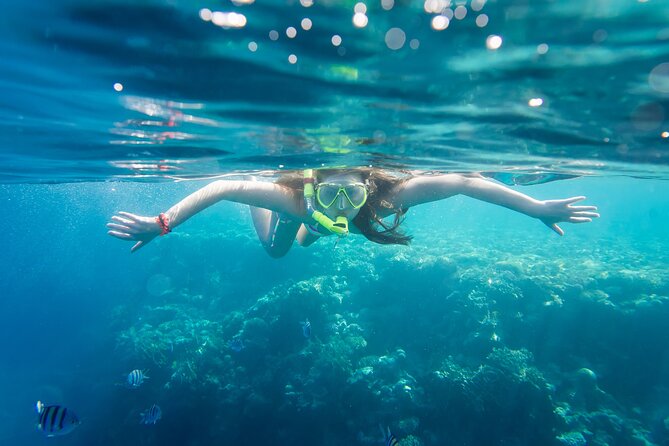
This tour is designed to move fast without feeling rushed. You’ll spend about 2 hours total, and the structure is simple: briefing, coral nursery snorkeling, then a natural reef stop.
1) Meeting up at Tours Perlas de La Paz
You’ll meet at Tours Perlas de La Paz in the Recinto Portuario area—Avenida Central Poniente esquina Avenida Central Sur, and it’s listed near Av. Pichilingue (23208, La Paz, B.C.S., Mexico). If you’re using public transport, you should find it easier to get to this port-adjacent area.
Practical tip: show up a little early. When you’re getting wet in a short tour, that first “where do we stand?” moment can eat into your actual time in the water.
2) The coral talk: why you’re snorkeling, not just snorkeling
Before you head out, there’s a guided talk about corals and their role in nature, and it explains the need for conservation. This isn’t a random lecture. It’s timed to set you up for what comes next: coral incubation and growth beds.
If you’ve ever snorkeled without knowing what you were looking at, you know the feeling—everything is pretty, but you can’t tell why it’s important. Here, the goal is to help you learn enough to make those underwater shapes feel meaningful.
From the review highlights, people specifically praised how well the presentation was done. That lines up with what you need: coral restoration is technical work, and a good explanation helps you understand that the nursery areas aren’t “just coral”—they’re part of a system.
3) Coral incubation and growth beds: the main snorkeling moment
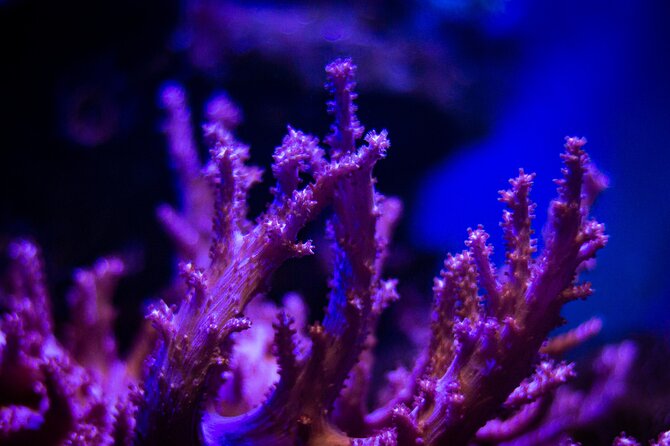
After the talk, you get your gear and join the guided snorkeling tour of the restoration nursery areas. The emphasis is on coral incubation and growth beds—meaning you’re observing coral that’s being cultivated and cared for, not simply a wild reef.
This part is often the “wow” segment for first-timers. Even if you’re not a science person, you’ll likely enjoy how guided attention changes your water experience. You’re listening, looking, and connecting the underwater scene to the conservation story you just heard.
Also, the tour includes what you need for comfort and safety: full snorkeling equipment plus a wetsuit. If you’ve snorkeled with your own gear before, you know how much small friction matters. Here, the friction is reduced because the kit is provided for you.
4) Pichilingue reef: natural biodiversity after the restoration stop
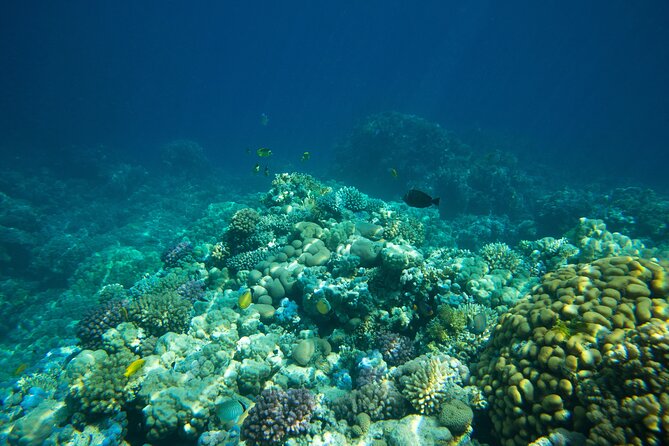
Once you’ve seen the restoration nursery, you’ll continue exploring a natural reef in Pichilingue. This is a smart sequencing choice. The nursery teaches you what restoration is trying to achieve; the reef shows you what the end result looks like in a living ecosystem.
Expect to see a different feel underwater. Nursery areas can be focused and lesson-oriented; a natural reef typically feels more like a whole neighborhood of species doing their normal routines.
What’s included (and what you should bring) for comfortable snorkeling
This tour is very clear about equipment: you’ll get mask/visor, snorkel, fins, and a wetsuit. That’s a big deal for value and comfort.
Equipment: why it matters for a 2-hour outing
A 2-hour snorkel doesn’t leave much time for gear problems. With the kit provided, you can spend your energy on breathing, buoyancy, and following the guide’s cues. The wetsuit also helps your comfort in the water, which makes it easier to stay relaxed longer.
The tour also notes that you’ll be equipped with the essentials and then guided through the coral beds. That combination usually means fewer “stand around while someone adjusts their stuff” moments.
What you should bring yourself
The tour data doesn’t list extra inclusions like towels or food, so plan for basics:
- A swimsuit you’re comfortable wearing under a wetsuit
- Sunscreen (and something simple for reapplying if you’re out of the sun after)
- Reef-safe habits, since you’re dealing with coral ecosystems (simple care goes a long way)
Food isn’t included, so if you’re doing this earlier in your day, you may want a snack plan.
Price and value: is $55.60 worth it in La Paz?
At $55.60 per person for roughly 2 hours, you’re paying for more than “just snorkeling.” You’re getting:
- A guided talk about corals and conservation
- Full snorkeling equipment
- A guided snorkeling experience in restoration nursery areas
- A second reef stop at Pichilingue
Here’s how I’d think about value. If you had to rent gear plus pay for a standard snorkel tour, you’d quickly feel like you were paying for the water time only. This experience prices in the education and the focused restoration route. That’s what makes it feel purposeful rather than generic.
Also, the small group size (up to 13) improves the experience. More attention in the water is not just nice; it helps you stay safe and get more out of the lesson.
If you’re the type who likes to understand where your ticket dollars go, this one makes a lot of sense.
Who should book the Coral Farm snorkel—and who should skip it
This is a guided snorkeling tour with a specific underwater focus. That means it fits best with the right kind of traveler.
You’ll likely love this if you:
- Enjoy snorkeling but want more than scenery
- Like learning how conservation projects work in real life
- Prefer small groups where you’re not lost in a crowd
- Feel excited by corals, reefs, or anything environmental
Consider skipping or asking questions first if:
- You don’t swim (the tour notes it’s not suitable for non-swimmers)
- You’re uncomfortable with time in the water for snorkeling
- You want a food-included, all-day experience (food is not included here)
This doesn’t mean you can’t have fun. It just means the tour is built around snorkeling participation and guided water time, not a casual walk-and-snack format.
Water conditions and the weather factor in La Paz
This experience requires good weather. That’s a realistic note for any sea-based activity, but it matters here because the core segments are underwater: the nursery snorkeling and the reef.
The good news is you’ll have the equipment and guidance in place once conditions are right. And because the tour ends back at the meeting point, you’re not committing to a half-day detour if the sea is rough.
If you’re planning multiple activities in La Paz, keep some flexibility. Coral visibility and water conditions can vary, and this tour is weather-dependent.
Tips to get more out of the coral beds snorkeling
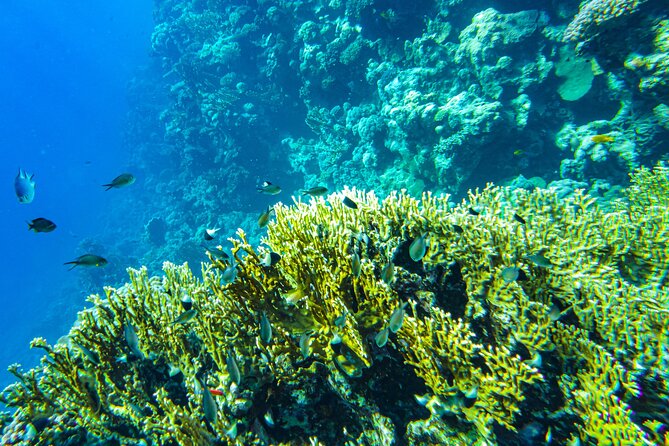
Even with gear provided, you’ll get more from the tour if you set yourself up for success. A few practical moves:
- Listen closely during the talk. You’ll recognize features faster underwater when you remember what the guide explained.
- Keep an easy pace. Coral snorkeling isn’t about rushing to see everything. It’s about controlled movement so you don’t spook the water or lose your place.
- Don’t fight the wetsuit or gear. If something feels off, tell your guide right away so it can be adjusted quickly.
And one extra note from the review vibe: people were impressed by how hard the restoration work is and how it’s driven by passion. That perspective changes your mindset underwater. You’ll likely come away feeling like your time supported something tangible, not just a pretty afternoon.
Is the Pichilingue reef stop worth it?
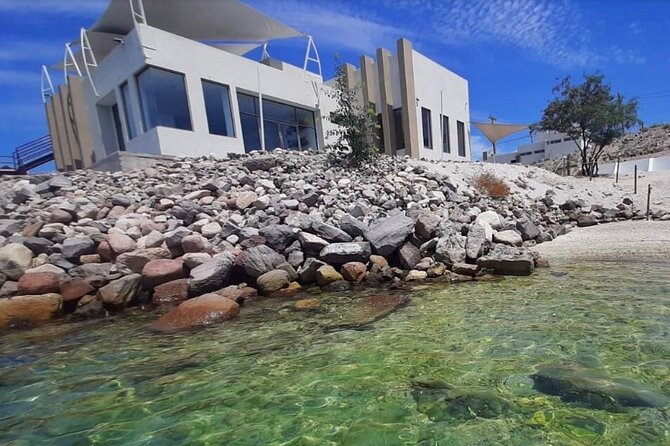
Yes, because it changes the tone. After seeing coral incubation and growth beds, the natural reef stop is a chance to view biodiversity in a more complete “ecosystem mode.”
Even if coral restoration sounds technical, the reef helps it feel real. You see how complex reefs can be when many forms of life share the same space.
Should you book this coral farm snorkel tour?
I’d book it if you want a La Paz snorkeling experience with purpose. The combination of a guided coral talk, full snorkeling gear, nursery snorkeling, and a second reef stop at Pichilingue is a solid package for the price.
Also, the small group size (up to 13) plus the fact that this is guided through restoration beds makes it feel more intentional than the typical reef-and-photos setup.
Skip it if you’re not confident as a swimmer, or if you’d rather have food included and a longer on-land hang. This is short, water-focused, and it works best when you’re ready to participate.
If you like eco-tours that explain what you’re seeing and why it matters, this one is easy to recommend.
FAQ
How long is the La Paz coral farm snorkel tour?
It runs for about 2 hours.
What is included with the tour?
You get a talk about corals, full snorkeling equipment (mask/visor, snorkel, fins, and wetsuit), and a guided tour of the coral beds.
Is food included?
No, food is not included.
Is the tour suitable for non-swimmers?
No. The tour is not suitable for non-swimmers.
Where does the tour start and end?
It starts at Tours Perlas de La Paz near the port area in La Paz, and it ends back at the meeting point.
How many people are in the group?
The tour has a maximum of 13 travelers.
What’s the cancellation policy if weather affects the tour?
You can cancel up to 24 hours in advance for a full refund. If the experience is canceled due to poor weather, you’ll be offered a different date or a full refund.
Is a mobile ticket used?
Yes, it uses a mobile ticket.