Pearls begin with patient oysters. In La Paz, this 2-hour pearl farm and shop experience connects local history to modern pearl culturing, including the idea that pearls from here reached Queen Elizabeth’s crown. I especially like the lab-focused way the tour explains the process, not just the final sparkle.
I also like that the guide, Ivan, keeps things practical and answers questions in English while you see the oysters used for cultivation. One catch: food isn’t included, so you’ll want to plan around it if you’re hungry before or after.
In This Review
- Key highlights you’ll care about
- Pearls From La Paz: what you’re actually paying for
- Where you meet and how the timing works
- The 2-part flow: story and then oysters
- Heading into the laboratory: where the process becomes real
- The oysters and the implant idea (the part you’ll remember)
- The history angle: Queen Elizabeth and why it’s mentioned
- Meeting Ivan and getting answers in English
- The pearl store visit: use what you learned to shop smarter
- Value check: is $70.02 worth it?
- Practical notes before you go
- Who should book this pearl farm experience?
- Should you book it?
- FAQ
- FAQ
- How long is the pearl farm experience in La Paz?
- How much does the tour cost?
- Where does the tour start?
- What language is the tour offered in?
- What’s included in the tour?
- Is food included?
- Are tips included?
- Are souvenirs included?
- How big is the group?
- What is the cancellation policy?
Key highlights you’ll care about
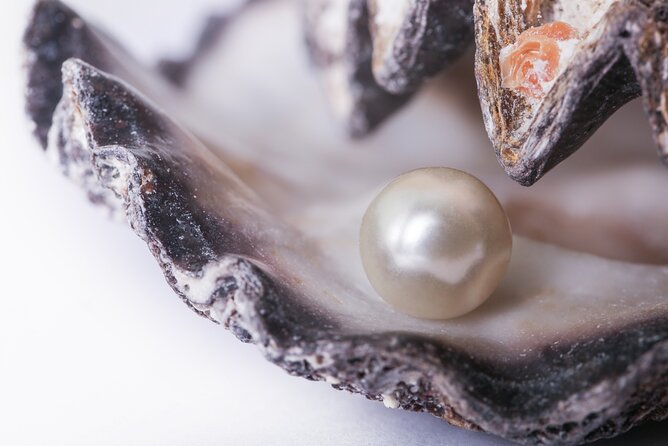
- Modern pearl culturing, explained in plain steps from cultivation to obtaining pearls
- Laboratory visit where you can watch the process more closely than a typical shop-only stop
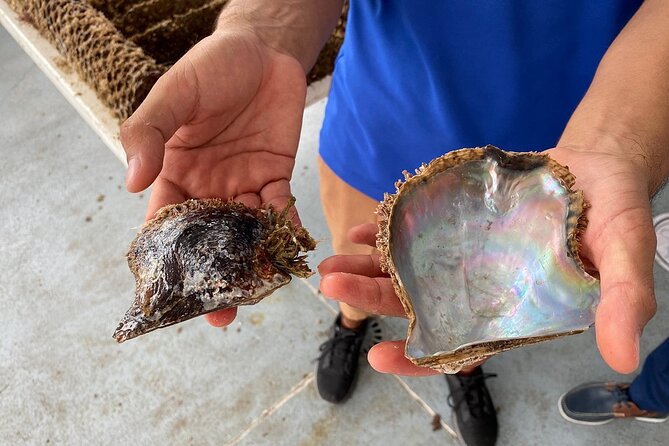
- Live marine organisms (oysters) used in pearl growing, including Mother Pearl and Rainbow Lip oysters
- About 6 years for pearls to form, giving you real time perspective
- Exclusive pearl store visit so you can match what you learned to what you buy
- Small groups (max 12), which usually means more time for questions
Pearls From La Paz: what you’re actually paying for
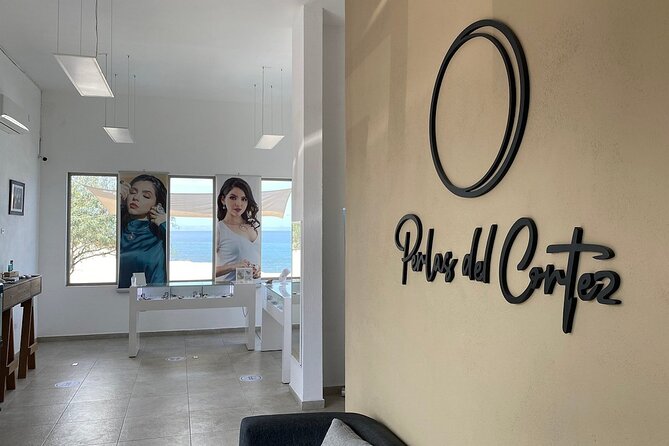
This tour isn’t just a sales stop with a quick story. You’re paying about $70.02 per person for a focused, two-hour experience that mixes history, hands-on explanation, and a chance to see the live organisms behind the product.
That price makes sense when you think about what you get: the tour includes a laboratory visit and a clear walkthrough of how pearls are grown today, plus time at the pearl store. If your schedule in La Paz is tight, it’s also efficient. In two hours you’ll go from big-picture facts (like why La Paz pearls are so valued) to the working reality of oyster cultivation.
You can also read our reviews of more tours and experiences in La Paz.
Where you meet and how the timing works
You’ll meet at Tours Perlas de La Paz, in the port area: Avenida Central Poniente esquina Avenida Central Sur, Recinto Portuario, Av. Pichilingue, 23208 La Paz, B.C.S., Mexico. The activity ends back at the same spot, which helps if you’re using public transportation or you want to keep the rest of your day simple.
This runs for about two hours. With a maximum of 12 travelers, it’s set up for a group that can hear details and ask questions without feeling rushed. Tour confirmations happen at booking, and you’ll use a mobile ticket, which is handy if you don’t want paper tickets to manage.
The 2-part flow: story and then oysters
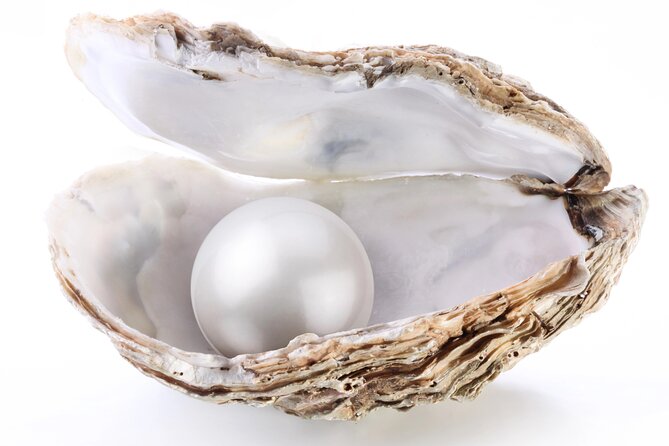
The experience has two big phases: first the explanation and laboratory visit, then the pearl store. The order matters. If you start in the store, you’ll just shop. If you learn how pearls are made first, you’ll shop with your brain switched on.
The tour’s theme is pretty direct: how pearls are made in La Paz, how cultivation works today, and why these gems take time—about 6 years to form. That long timeline is one reason pearl production is often misunderstood. You can’t treat pearls like a quick souvenir. You’re buying the result of slow work.
Heading into the laboratory: where the process becomes real
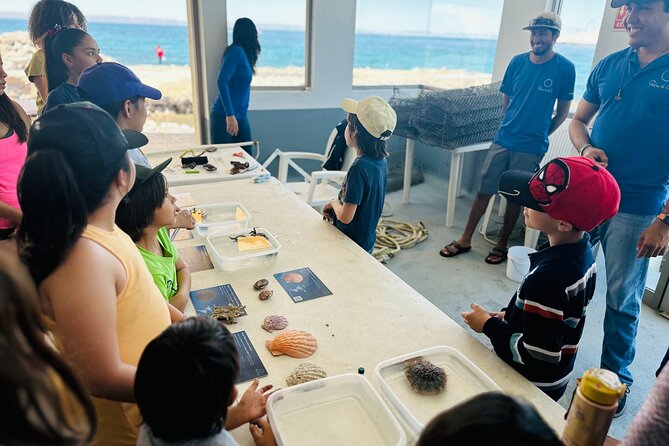
The laboratory stop is the heart of the tour. Instead of talking in generalities, you’ll get a guided walkthrough of the whole process, from the concept of pearl cultivation to what it looks like in practice.
This is where the experience feels most valuable for me, because it explains the chain of steps that people usually skip. You don’t just hear that pearls come from oysters. You learn how the farms manage and grow them, and you get context for why this region’s pearls have a reputation.
You’ll also learn about the area’s connection to pearl culture over time. The tour highlights how La Paz fits into a bigger pearl story, not just what’s happening now. That context helps you understand why the brand identity of Perlas de La Paz matters to the local industry.
The oysters and the implant idea (the part you’ll remember)
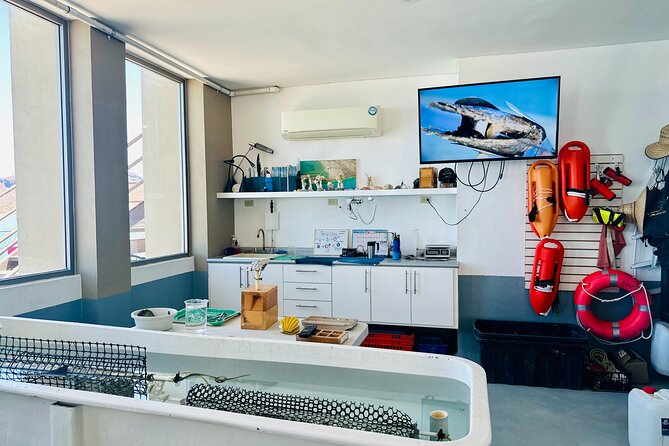
A big moment comes when you see and hear about the oysters used in the pearl-growing process. The guide, Ivan, points out live types used in cultivation—specifically Mother Pearl and Rainbow Lip oysters.
You’ll get to understand how pearl cultivation works on a practical level, including the idea of implanting pearl material into oysters. The goal of this part is to show you the method, not just claim it exists. It’s also tied to the tour’s emphasis on sustainability: you’re shown pearl farming as an aquaculture system, where the animals and the process are managed over time.
One reason this section works well: it gives you a mental model. After this, it’s easier to connect what you see in the lab to what you’ll find later at the shop. You’ll start noticing questions you didn’t have before—like how long the process takes, and why two pearls can look different even when they come from the same overall farm system.
The history angle: Queen Elizabeth and why it’s mentioned
The tour includes a fun, specific claim: the pearl in Queen Elizabeth’s crown comes from La Paz. Whether you treat it as a historical fact to admire or as a marketing anchor to remember, it functions the same way—this region’s pearl story matters beyond Mexico.
It also sets the tone for why La Paz pearls have an international reputation. When the guide connects local farming to global demand, you can see why these pearls get sought-after attention. It’s not just local pride; it’s a real market outcome tied to product quality and consistency.
And then the tour backs the claim up with a practical detail: pearls take about six years to form. That time element shifts your thinking from instant gratification to long-term craft, which is exactly what you want when you’re spending money on something that’s meant to last.
Meeting Ivan and getting answers in English
A standout part of the experience is the guide. Ivan is specifically called out as excellent in English and strong at answering questions.
That matters more than it might sound. In many tours, you’re given a script and the tour moves on. Here, the format leaves room for interaction, especially in the lab and around the oyster/cultivation questions. If you care about how pearls are grown, you’ll appreciate a guide who can explain details clearly and keep the flow moving without shutting down curiosity.
Also, because the group size is small, you’re more likely to get your question heard. If you like learning by asking, this format tends to suit you.
The pearl store visit: use what you learned to shop smarter
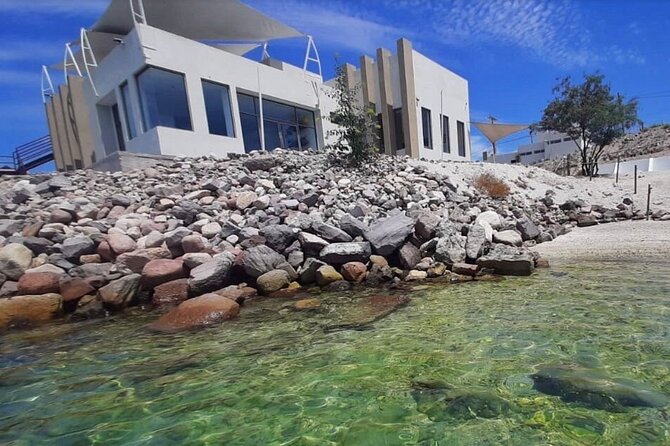
After the laboratory time, the tour ends at the exclusive pearl store. This part is where you can turn knowledge into choices.
You’ll have a better sense of what the tour taught you—like the long timeline of pearl formation and the basic cultivation process. That context helps you avoid treating pearls like a random trinket. Instead, you can look at pieces with a clearer understanding of the work behind them.
The tour doesn’t include souvenirs (and tips aren’t included either), so think of the store stop as your chance to decide if you want a purchase. If you love the science side and don’t plan to shop, you can still enjoy the store as a way to see results. If you do plan to buy, learning the cultivation background gives you something useful: questions you can ask and comparisons you can make more confidently.
Value check: is $70.02 worth it?
For a roughly two-hour experience, $70.02 can feel like a lot—until you compare it to what’s included. This isn’t an all-story museum talk. You get a laboratory visit, an explanation of cultivation steps, the chance to see different types involved in farming, and a store stop built around what you learned.
Here’s the value logic I’d use if I were deciding again:
- If you want a science-and-craft experience in La Paz, you’re getting a real process view, not just a sales pitch.
- If you like sustainable aquaculture as a topic, the tour’s focus on how pearls are grown today is aligned with that interest.
- If your time is limited, the 2-hour length and small-group format make it an efficient use of the day.
If you’re only looking for the cheapest souvenir option, this may not be the best fit. But if you want a meaningful cultural/artisan connection to the region, it’s one of the more focused choices you’ll find.
Practical notes before you go
Bring your curiosity. You’ll get more out of the lab if you’re ready to ask questions about oysters and the cultivation process.
Also, remember the tour doesn’t include food. If you tend to get hungry fast, plan something before you go. That’s the main practical drawback to watch for, because everything else feels well paced.
The tour is offered in English, and confirmation arrives at booking. It’s also described as near public transportation, so it should be straightforward to reach even if you’re not driving.
Who should book this pearl farm experience?
You’ll likely love this if:
- You want an explanation of pearl farming that goes beyond surface-level facts
- You enjoy practical, hands-on science topics (especially oysters and aquaculture)
- You like small groups and question-friendly tours
You might skip it if:
- You don’t care about how products are made and prefer fast shopping stops
- You need food included as part of the experience timing
Should you book it?
I’d book it if you’re the type who likes understanding the craft behind what you’re buying. This tour earns its cost by combining lab learning, a clear cultivation explanation, and a store visit that matches the story you just heard. With small group size and a strong English guide named Ivan, you’re set up to leave with real knowledge, not just a bag of pearls.
FAQ
FAQ
How long is the pearl farm experience in La Paz?
It’s listed as about 2 hours.
How much does the tour cost?
The price is $70.02 per person.
Where does the tour start?
It starts at Tours Perlas de La Paz at Avenida Central Poniente esquina Avenida Central Sur, Recinto Portuario, Av. Pichilingue, 23208 La Paz, B.C.S., Mexico.
What language is the tour offered in?
The tour is offered in English.
What’s included in the tour?
Included items include a laboratory visit, historical significance of the area and modern pearl culturing, and an appreciation of different types of pearls and the process to obtain them.
Is food included?
No, food is not included.
Are tips included?
Tips are not included.
Are souvenirs included?
Souvenirs are not included.
How big is the group?
The tour has a maximum of 12 travelers.
What is the cancellation policy?
You can cancel for free up to 24 hours in advance for a full refund.