REVIEW · MARRAKESH
Marrakech: Authentic Moroccan Cooking Class in a Farm
Book on GetYourGuide →Operated by One Life Trips · Bookable on GetYourGuide
A tajine lesson beats another souk stop. You’ll leave the noise of Marrakech and spend 3 hours cooking the real way, in a private farmhouse setting where you work with the ingredients and spices yourself, not just watch someone else do it. Tajine and farmhouse kitchens are where this experience gets interesting.
What I really like is the hands-on format, where you actually peel, chop, and assemble, plus you pick up techniques you can use at home. I also like that the class is more than the main dish: you’ll make a fresh Moroccan salad and learn the steps behind the world-famous mint tea.
One thing to consider: the farm setting includes animals, and the condition of some areas may not match the standards you expect. If you’re an animal lover who hates seeing animals in sheds, keep that in mind and focus on the cooking part.
In This Review
- Key Highlights Worth Booking For
- Marrakech’s Farm Escape: What Makes This Class Different
- The 3-Hour Flow: From Hotel Pickup to Your Lunch Plate
- Hotel pickup and the ride out of Marrakech
- Arriving at the private farmhouse kitchen
- Cooking your tajine, step by step
- Making Moroccan salad and the mint tea process
- Eating your meal with your host
- What You’ll Actually Learn (Beyond the Recipe Card)
- Tajine technique you can repeat
- Salad building and fresh balance
- Mint tea method, not just the taste
- The Farm Setting: Ingredients, Atmosphere, and the Animal Question
- What feels authentic and calm
- The possible drawback for animal lovers
- Price and Value: Is $78 Worth It?
- Who This Is Best For (And Who Might Skip It)
- Practical Tips for Getting the Most From Your Class
- Should You Book This Marrakech Tajine Farm Class?
- FAQ
- FAQ
- What is the duration of the cooking class?
- Where does the class take place?
- Is the cooking lesson hands-on or mostly a demonstration?
- What dishes will we make?
- Does the price include food and drinks?
- Is pickup and drop-off included?
- Is instruction available in English?
- Can I cancel for a full refund?
- Is pay later available?
Key Highlights Worth Booking For
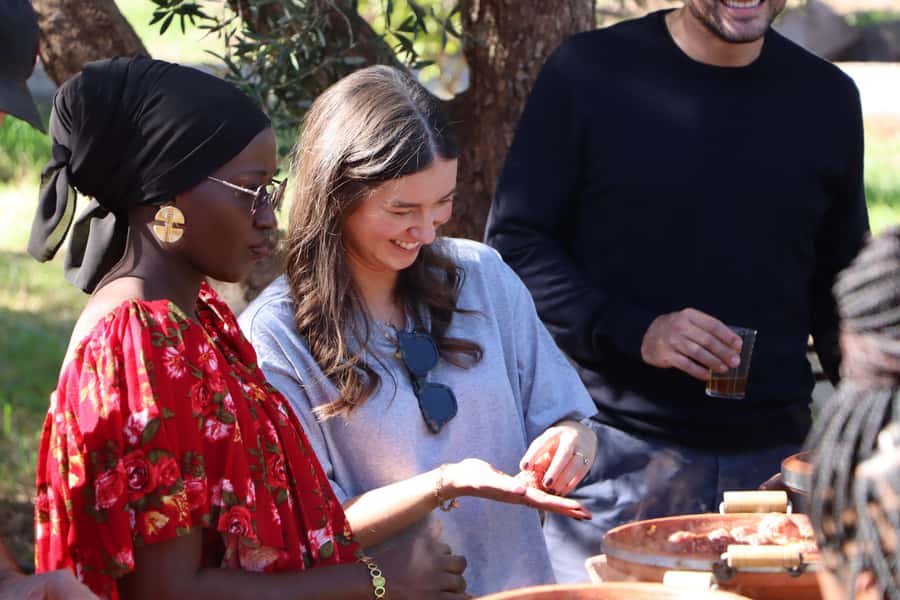
- A real hands-on tajine, not a show: you actively prepare your dish and follow clear steps
- Organic-style farm ingredients: multiple hosts emphasize ingredients grown on-site (lemons, olives, and more)
- Mint tea you can repeat at home: you learn the process, not just drink it
- Lunch with the host in a calm mood: homemade food plus a more mindful break from the city
- English instruction with patient guidance: hosts like Khaoula help you step-by-step
Marrakech’s Farm Escape: What Makes This Class Different
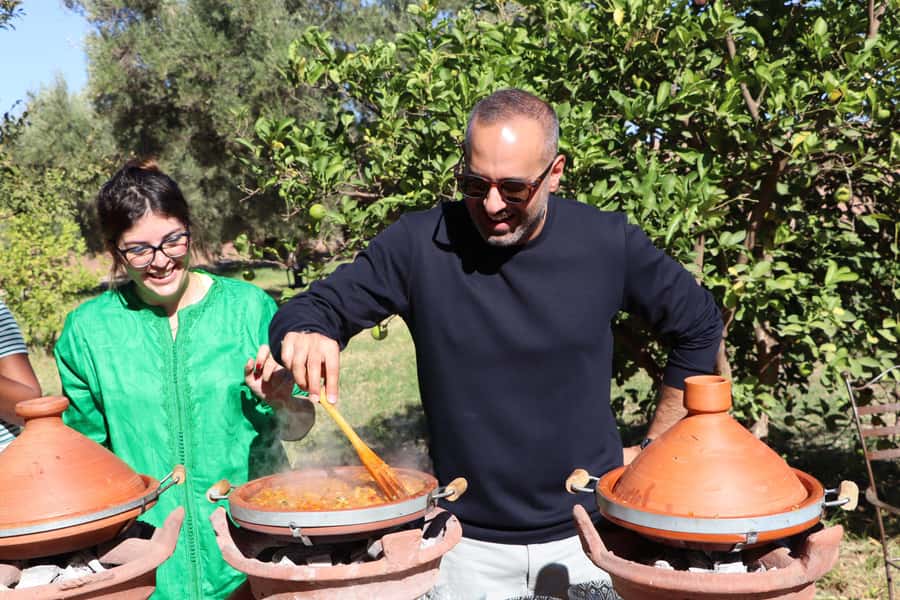
This is one of those Marrakech experiences that gives your day structure without turning it into a rigid tour. You get picked up from your hotel in Marrakesh-Safi, then you head out to a private farmhouse kitchen where the focus stays on food, not photo stops.
The setting matters here. In the city, you’re surrounded by noise and constant motion. On the farm, you slow down. One review even described it as a retreat from the mayhem of Marrakech, and that matches the overall feel of the experience: you’re there to cook, taste, and learn in a calmer rhythm.
Two details also make it feel authentic. First, the course emphasizes learning techniques you can replicate later, so it’s not only about eating a tasty meal on the day. Second, you’re taught alongside a local English-speaking host/chef—people like Khaoula (spelled a couple different ways in bookings) and others such as Nisrine show up as the kind of instructors who explain patiently rather than rush.
You can also read our reviews of more tours and experiences in Marrakesh.

The 3-Hour Flow: From Hotel Pickup to Your Lunch Plate
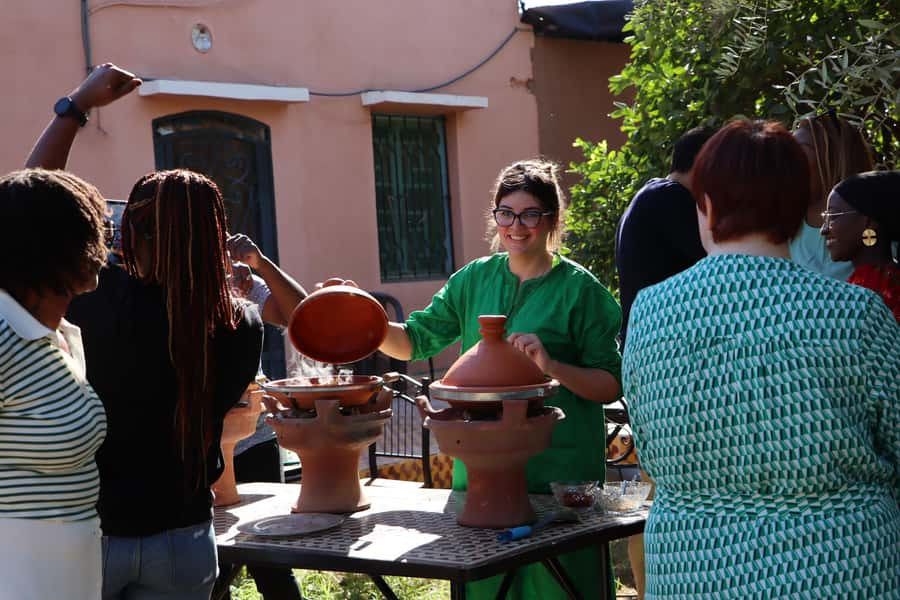
This experience runs about 3 hours, which is a sweet spot: long enough to learn and cook properly, short enough that you don’t lose your whole day to transportation and prep.
Hotel pickup and the ride out of Marrakech
You start with a driver picking you up from your hotel. In one case, the drive was around 25 minutes from the city centre, which helps if you want a break that still feels close. You’re basically setting up the day’s mood before you even reach the kitchen.
Tip for you: wear clothes you don’t mind getting splashed or smelling faintly of spices by the end. Morocco cooking uses real aromatics, and that’s part of the fun.
Arriving at the private farmhouse kitchen
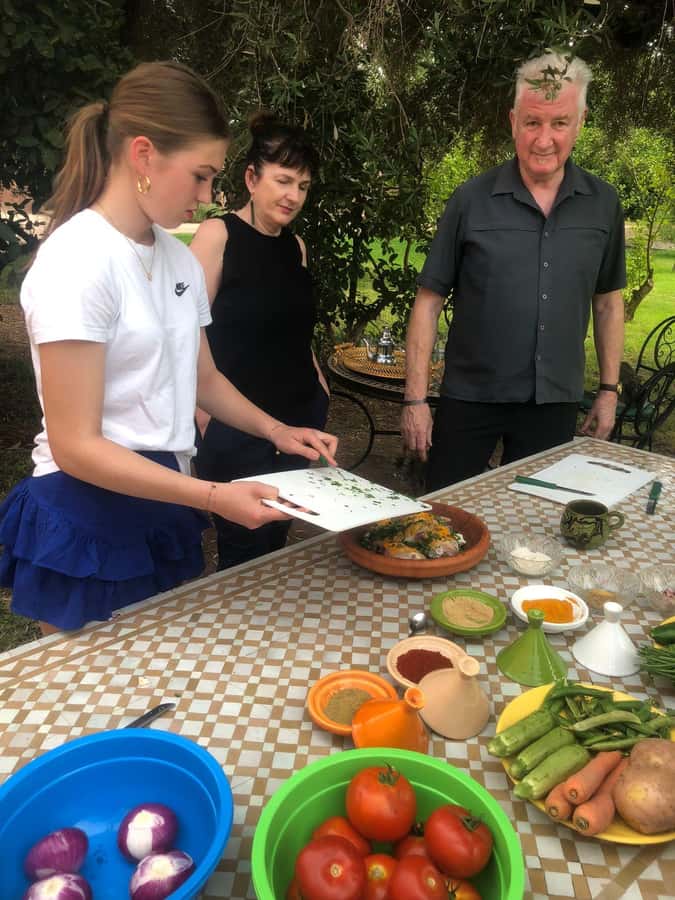
Once you reach the farmhouse, your host gives an overview of the class and how to get the most out of it. The big message is that this is interactive, not a lecture with samples. You’re expected to participate, and that’s where the value lives.
Some cooking classes have you doing one tiny task. Here, you’ll be involved enough to learn the workflow: prepping ingredients, seasoning, and putting it together for a slow-cooked result.
Cooking your tajine, step by step
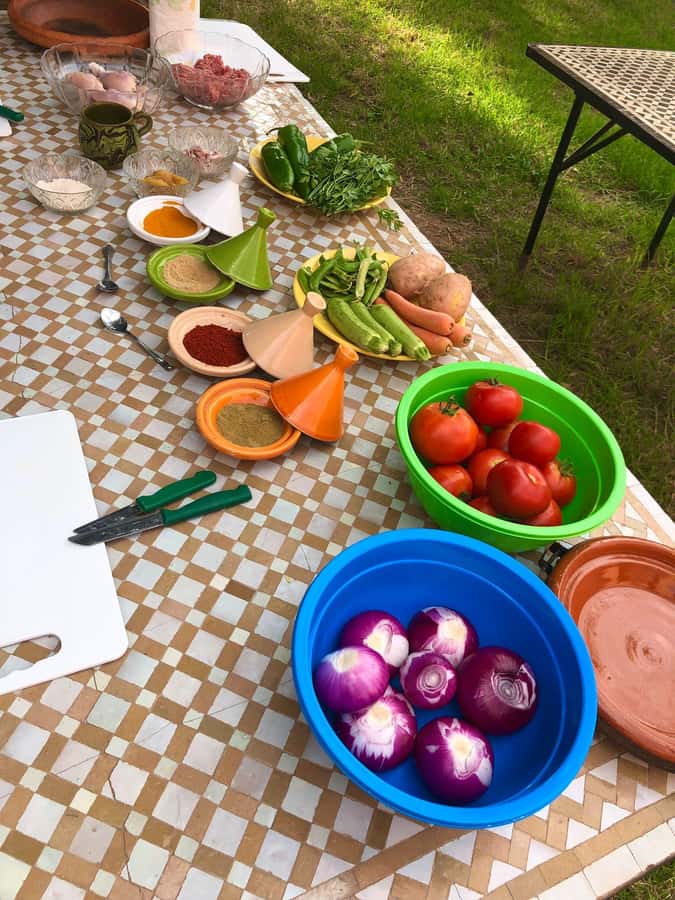
The main course is your own traditional Moroccan tajine. Depending on the class day and what you choose, you may work with chicken tagine and/or vegetable tagine-style preparations. You’ll also get hands-on experience with key prep steps like cutting chicken and chopping vegetables.
One of the smartest parts is the pacing. Your host explains what you’re doing and why, so you don’t just memorize a recipe. You pick up practical choices like how to build flavor with spices and how to structure the dish so it cooks properly.
Also, a few reviews mention that the farm uses traditional kitchenware and tableware. That’s not just for looks. Traditional tools often push you toward the correct technique, like how a tagine handles heat and moisture.
Making Moroccan salad and the mint tea process
While the tajine is cooking, you’ll also make a Moroccan fresh salad. This matters because it balances the rich, slow-cooked flavors of the main dish. It also gives you a break from the heat of the kitchen work without leaving you idle.
Then comes Moroccan mint tea, and it’s taught as a skill. You’re not only tasting mint tea—you’re shown how it’s made. Several hosts are known for being calm and patient, which helps if you’ve never made tea like this before.
Eating your meal with your host
When your food is ready, you’ll enjoy your homemade lunch with your host in a mindful, relaxed atmosphere. The point isn’t a fast, buffet-style eating experience. It’s a chance to sit, eat what you made, and ask questions about what you’ll do differently back home.
Many people end up feeling like the whole class turned into a conversation as much as a cooking session, especially with instructors like Khaoula, who reportedly shares hints about what to do next in Marrakech.
What You’ll Actually Learn (Beyond the Recipe Card)
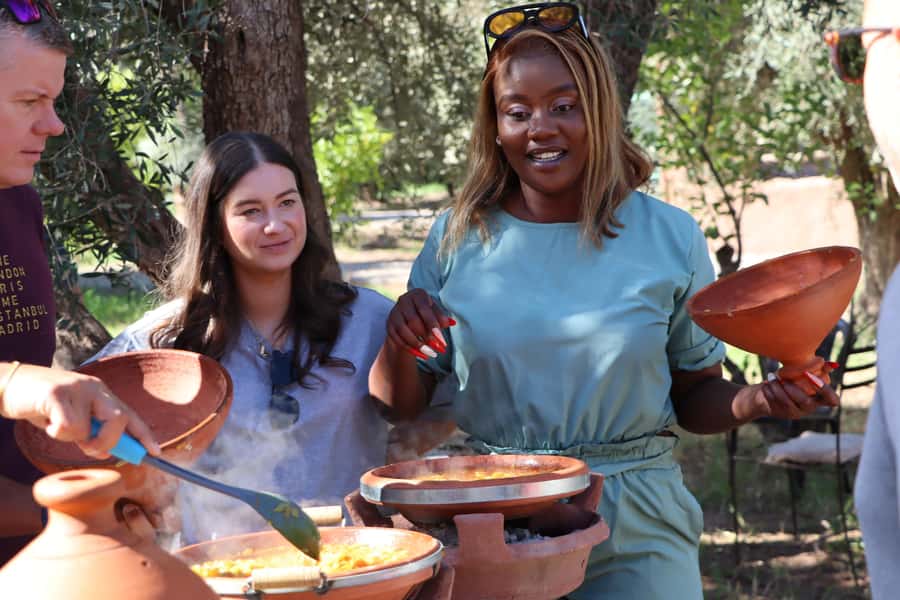
If your goal is to eat well in Marrakech, a restaurant meal is easy. If your goal is to bring something home, this class is built around learning techniques.
Tajine technique you can repeat
You’ll learn the traditional approach to preparing a tajine. That includes basic prep, seasoning, and the overall process of assembling a dish for slow cooking.
The practical win: you’re taught in a way that helps you understand the logic. That’s what lets you recreate it later even if your exact ingredients aren’t identical.
Salad building and fresh balance
Making the salad is more than a side task. It teaches you how Moroccan meals use fresh, bright flavors to balance heavier cooking. Once you’ve tasted the pairing on the day, it becomes easier to choose the right herbs, textures, and acidity back home.
Mint tea method, not just the taste
Mint tea is one of those Moroccan icons everyone orders. Here, you learn the method. Even small details can change the final result, like how the tea is handled and how you develop the flavor.
If you want a Marrakech souvenir that isn’t dust in a suitcase, this is one of the best options.
The Farm Setting: Ingredients, Atmosphere, and the Animal Question
Let’s talk about the farm itself, because it’s part of the promise—and part of the possible downside.
What feels authentic and calm
Many people love the farm as a quiet break. You’re cooking under orange, lemon, and olive trees in at least one described setting, and that kind of scene changes how you experience the day. When ingredients are actually grown on the property, it also adds meaning to what you’re cutting and seasoning.
One review specifically mentions growing lemons and olives, and another notes well-groomed horses. You’ll likely see some fruit trees and a lived-in rural space rather than a staged attraction.
The possible drawback for animal lovers
Not every part of the farm may match the expectations of people used to strict animal welfare standards. One review was honest about animals being housed in sheds and described the environment as not really a farm in the classic sense, with animals in limited outdoor areas and outdoor fruit trees.
So here’s the sensible way to handle it: if you’re sensitive about animal conditions, don’t treat the farm walk as a casual bonus. Go in knowing you might prefer to keep your attention on the kitchen activities.
Price and Value: Is $78 Worth It?
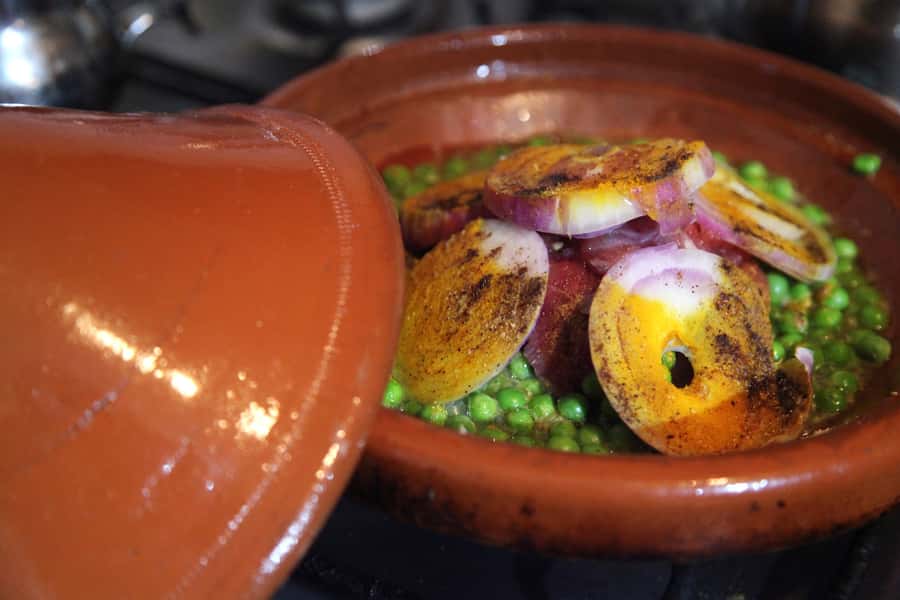
$78 per person for a 3-hour class might sound like a lot until you break down what’s included.
You’re paying for:
- a local English-speaking host/chef
- hands-on instruction (not a passive demo)
- lunch made from what you prepare: Moroccan salad plus main course
- Moroccan mint tea and local pastries
- hotel pickup and drop-off
When a cooking class includes transportation plus a full meal plus instruction, the math often makes sense—especially because you’re not just eating. You’re learning multiple components: tajine, salad, and tea.
Also, the group experience tends to feel personal. Reviews repeatedly mention personal attention and patient teaching, which matters because it means you’re less likely to leave with a vague memory of spices and more likely to leave with usable technique.
Who This Is Best For (And Who Might Skip It)
This is a great pick if you:
- want a real cooking class experience with hands-on learning
- enjoy Moroccan food and want to understand it, not just order it
- want a break from city chaos without leaving Marrakech behind for a full day
- travel with a child and want something structured and interactive (one family included a 12-year-old and all of them enjoyed it)
You might think twice if you:
- are very uncomfortable around farm animals or dislike seeing animals housed in sheds
- prefer a polished, fully curated tourism farm with no rough edges
- want a class that’s only about one recipe with no side dishes or tea-making
Practical Tips for Getting the Most From Your Class
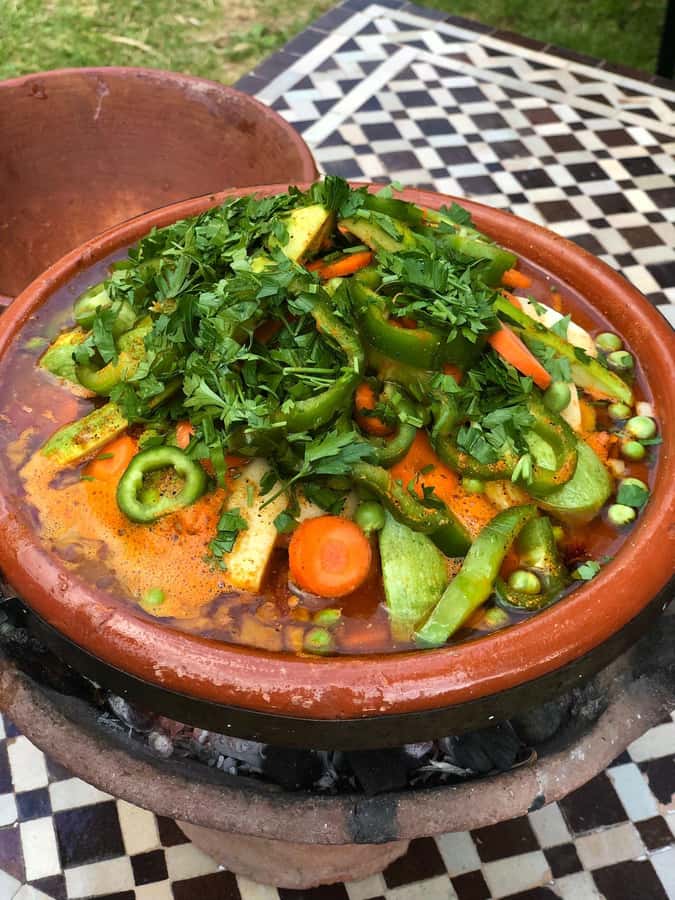
These are the small things that make the biggest difference in your day.
- Bring a light layer: farm kitchens can shift in temperature, especially if you’re outside during parts of the experience.
- Wear closed-toe shoes: you’ll likely spend time around a rural setting even if the main focus is cooking.
- Ask about spice choices: if you want to recreate the dish at home, the best conversations happen while you’re actively seasoning.
- Take notes during tea time: once you’re done eating, it’s easy to forget the exact flow of mint tea-making steps.
- If you care about animals: decide in advance how much you want to look around versus staying focused in the cooking area.
Should You Book This Marrakech Tajine Farm Class?
I’d book it if you want a Marrakech experience that’s both practical and enjoyable: cooking you can repeat at home, a meal you made yourself, and a calm break from city energy. With hosts like Khaoula providing clear step-by-step guidance and guests getting personalized attention, it’s the kind of class that feels worth the money.
The main reason to pause is the farm-and-animals factor. If you’re easily upset by animal conditions or you dislike farm walks, keep your expectations grounded and focus on the kitchen portion of the experience.
FAQ
FAQ
What is the duration of the cooking class?
The class lasts about 3 hours.
Where does the class take place?
It takes place at a private farmhouse outside Marrakech in the Marrakesh-Safi region.
Is the cooking lesson hands-on or mostly a demonstration?
It’s hands-on and interactive. You prepare your own tajine and also make the salad and mint tea.
What dishes will we make?
You’ll cook a traditional Moroccan tajine, prepare a Moroccan fresh salad, and learn how to make Moroccan mint tea. You’ll also have lunch that includes the salad and main course you prepare.
Does the price include food and drinks?
Yes. Lunch includes Moroccan salad and the main course, plus Moroccan mint tea and local pastries.
Is pickup and drop-off included?
Yes, hotel pickup and drop-off service is included.
Is instruction available in English?
Yes. The instructor/host is English speaking.
Can I cancel for a full refund?
You can cancel up to 24 hours in advance for a full refund.
Is pay later available?
Yes. You can reserve now and pay later, keeping your travel plans flexible.