REVIEW · MEDELLIN
Medellín Coffee Farm Tour with Trolley and Cable Car Ride
Book on GetYourGuide →Operated by Rosilvia del Socorro Eusse Loaiza · Bookable on GetYourGuide
Coffee becomes a community story here. This Medellín tour pairs tramvia and cable car rides with a walk into Barrio La Sierra, where Sra. Rosa’s family helps you understand coffee from the first cherry to your final cup. I love that it’s not just a farm stop—it’s a neighborhood experience tied to the real comeback of Comuna 8. I also love the hands-on part, especially harvesting coffee berries yourself and learning the whole process end-to-end.
The main thing to watch is effort. Expect uphill walking and steps (some guests count around 500 stairs), and there isn’t food you can buy along the way, so plan to rely on what’s included and pace yourself if you tire easily.
In This Review
- Key highlights you’ll feel the moment you start
- San Antonio Tramvia to the hills: why the tram and cable car matter
- Walking Barrio La Sierra: the neighborhood story behind the coffee
- Casa Finca de La Sierra and the museum stop that ties it together
- Berry picking in the fields: the hands-on part people rave about
- Seed-to-cup coffee in Medellín: what you learn and what you taste
- Value and price: is $56 a fair deal?
- Logistics that can make or break your afternoon
- Who should book this Medellín coffee tour—and who should pass
- Should you book it?
- FAQ
- Where is the meeting point for this tour?
- How long does the tour last?
- What transport rides are included?
- What do we do in Barrio La Sierra?
- Do we harvest coffee berries?
- Is there a coffee tasting?
- Is food or snacks included?
- Are coffee bags included?
- What languages are the tour guides?
- Do I need to bring my passport?
Key highlights you’ll feel the moment you start
- San Antonio Tramvia as your launching point: easy to find under the metro station, then you’re moving quickly.
- Trolley + cable car that doubles as sightseeing: the views make the ride feel like part of the tour.
- Barrio La Sierra, completely off the main tourist routes: you walk a neighborhood, not just a viewpoint.
- Casa Finca de La Sierra and its museum stop: history and coffee connect in a way you don’t get on standard tours.
- Hands-on coffee berry harvesting: you leave with a stronger sense of how much work one cup takes.
- Seed-to-cup lessons plus plenty of coffee: tasting and production steps happen as one story.
San Antonio Tramvia to the hills: why the tram and cable car matter
Your day starts at the main entrance of the San Antonio Tranvia station, which sits on street level under the San Antonio metro station. This matters because it sets the tone: you’re beginning in the city’s daily flow, not at some remote “attraction entrance.”
First comes the electric trolley ride (about 30 minutes). You’re not just being transported. You’re being oriented—slowly shifting from the metro area into Medellín’s hillside neighborhoods. Then the tour moves to the cable car ride (around 12 minutes). The cable car is one of those Medellín moves that works even if you’re not chasing photos. It gives you a different vertical view of the city, plus a calm, steady glide over the steep terrain you’ll be walking later.
In my mind, this is a smart way to structure a coffee tour in Medellín. You get scenery and context before you get to the fields, so coffee stops feeling like a standalone product and starts feeling like something grown by people living in the same landscape you just rode over.
You can also read our reviews of more tours and experiences in Medellin.
Walking Barrio La Sierra: the neighborhood story behind the coffee
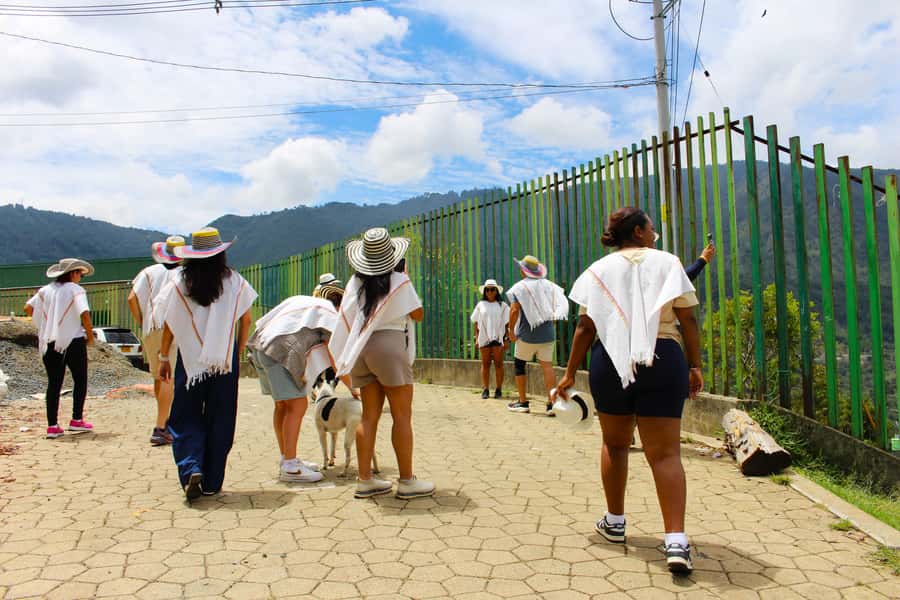
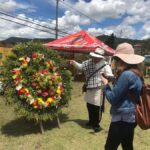
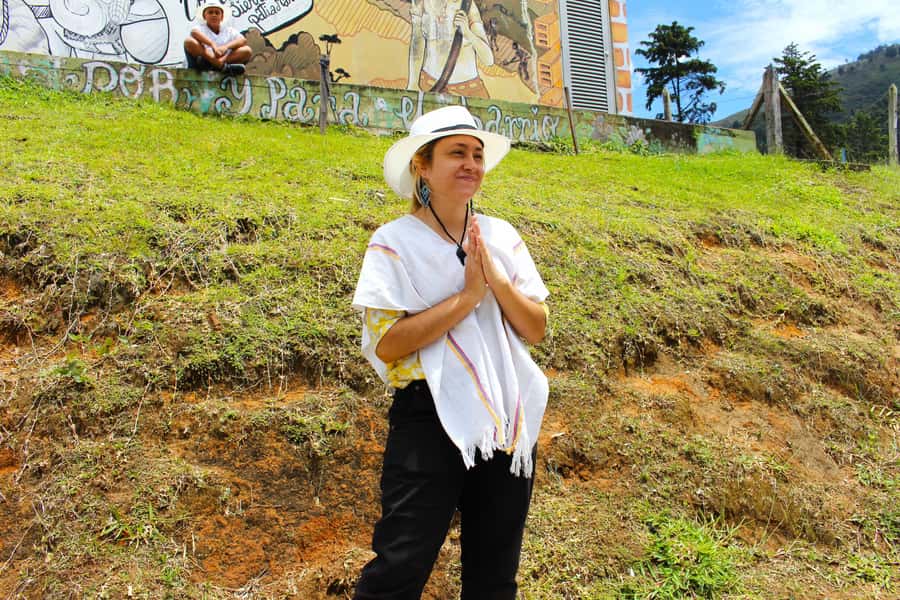
Once you’re in Barrio La Sierra, the tour shifts from transit to real walking—streets, steps, and everyday scenes that most Medellín visitors skip. This is the part I’d call the heart of the experience: you learn why Comuna 8 matters and how this hillside community changed over time.
What stands out is that the tour doesn’t treat the neighborhood like a backdrop. It treats it like a living community with families, pride, and ongoing projects. You’re guided through the area with an English/Spanish tour guide, and different guides bring different strengths—some guests highlight the translation quality (for example, guides like Melisa, Valentina, Carolina, Christian, Arturo, and David). That’s useful because coffee education is one layer, but the neighborhood context is the layer that makes it stick.
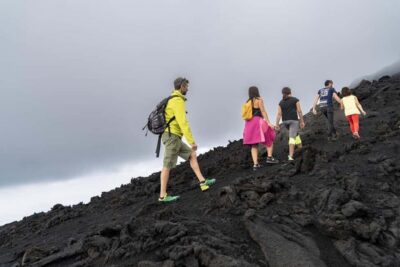
Expect a moderate-to-strong walking workout. Even if you’re not in a rush, the terrain is real. If you’re someone who gets winded on hills, you’ll want to take it slow on the way in. The upside is that the effort pays off when you reach the farm spaces and start seeing the coffee work in front of you.
Casa Finca de La Sierra and the museum stop that ties it together
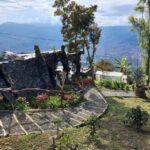
Before the harvesting, you’ll visit Casa Finca de La Sierra and a museum. This stop is valuable because it gives you the “why” before you get your hands dirty. Coffee production is easy to romanticize from a café chair. In the museum space, the story becomes grounded: how families learned, built systems, and kept improving over time.
Some guests describe this as moving and heartfelt, because the farm visit is linked to the neighborhood’s transformation. You’ll get a clearer sense that coffee here isn’t only a livelihood—it’s also a community project. And when the tour later returns to the steps of the coffee process, you’ll understand them as part of a bigger plan rather than a random list.
If you like context, you’ll appreciate this pacing. It’s the difference between tasting coffee and understanding what it required from people, season after season.
Berry picking in the fields: the hands-on part people rave about
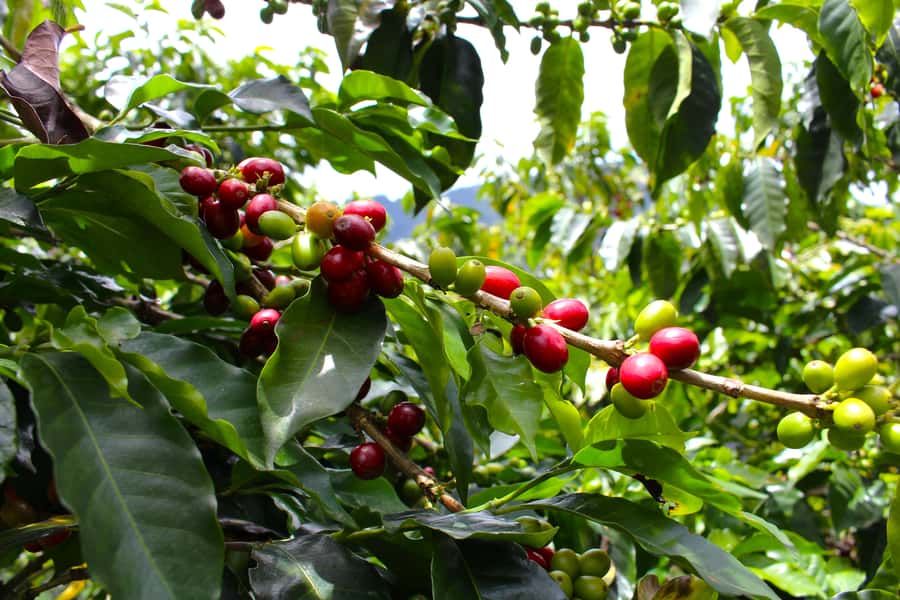
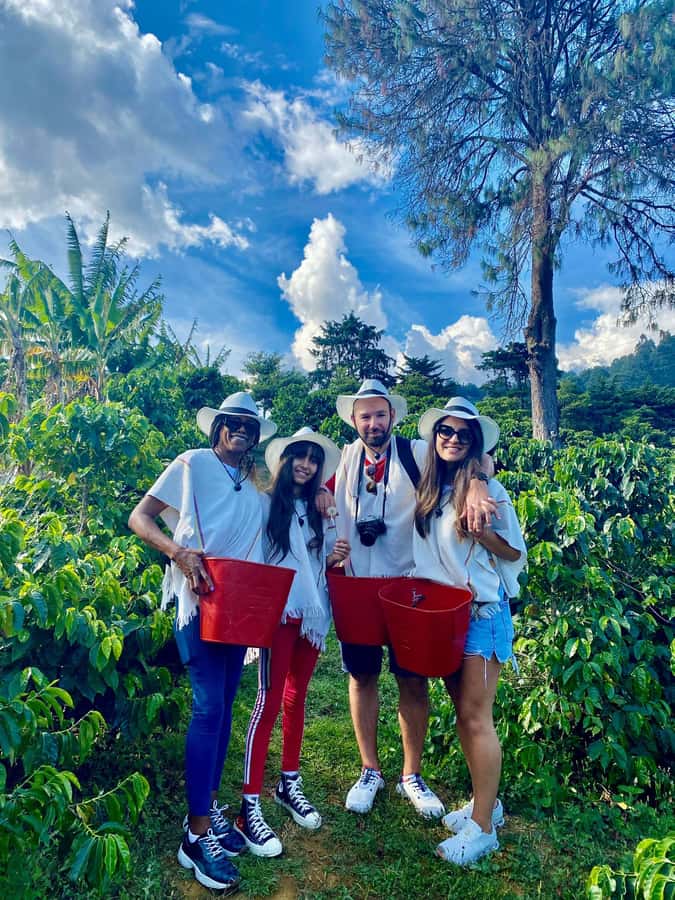
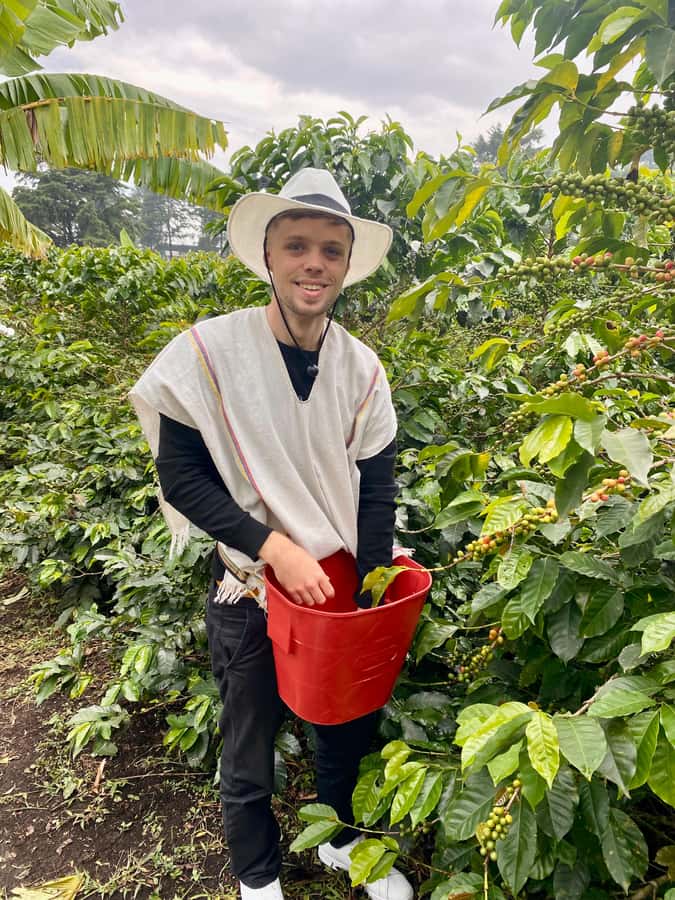
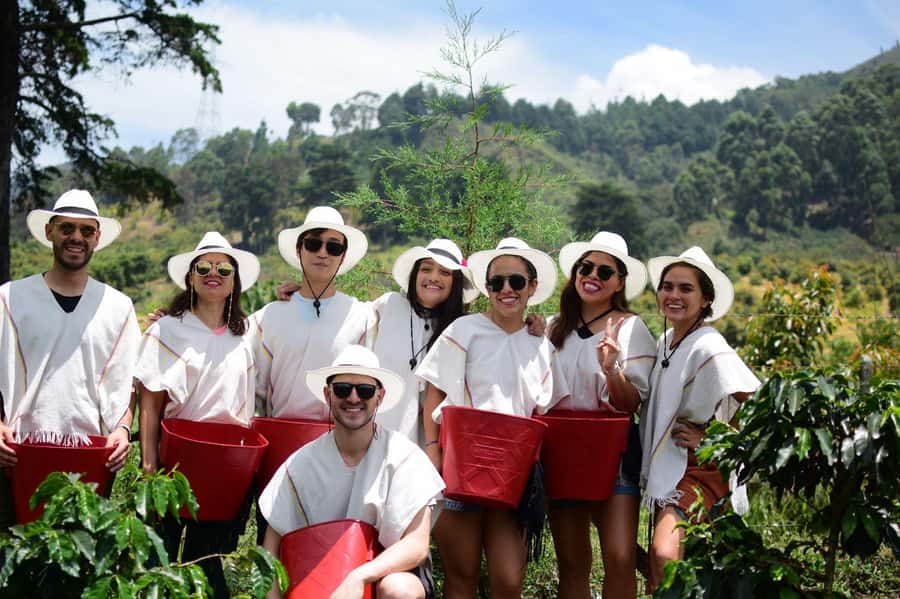
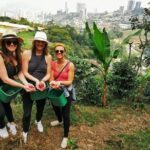
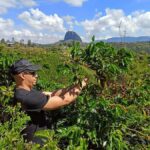
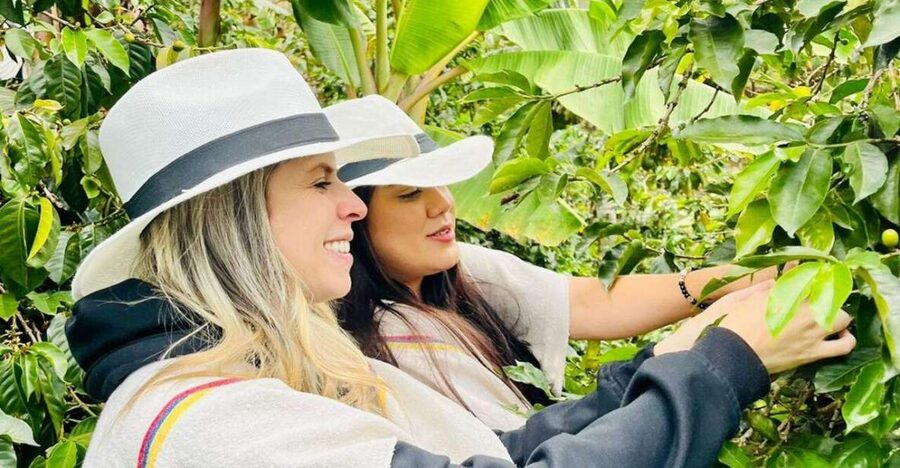
Now for the activity that gets the biggest emotional reaction: harvesting coffee berries on the farm. You don’t just watch. You join in. You walk through the coffee plants, pick the berries, and start seeing the crop up close.
This is where the tour becomes more than a lesson. It’s sensory and physical. You feel how small the berries are, how selective picking needs to be, and how much effort goes into getting to a final cup. A lot of guests say this is the moment that makes coffee “click,” especially if you’ve only experienced coffee as something brewed for you.
Practical note: wear closed shoes. You’ll be walking on uneven ground, and the farm environment can be slippery. One guest also suggested insect repellent if you’re sensitive to bites—always a smart idea in outdoor areas, even when no one warns you ahead of time.
Also, plan your energy. Harvesting takes time, and it comes after walking through the neighborhood. If you rush, you’ll miss the point. If you slow down, you’ll get more out of the step-by-step teaching and the chance to ask questions.
Seed-to-cup coffee in Medellín: what you learn and what you taste
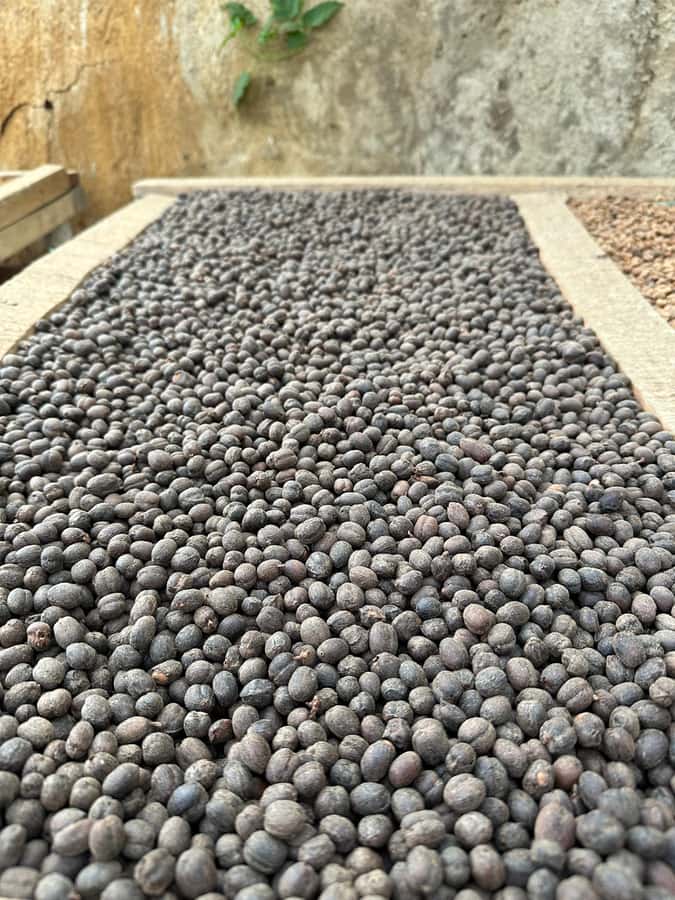
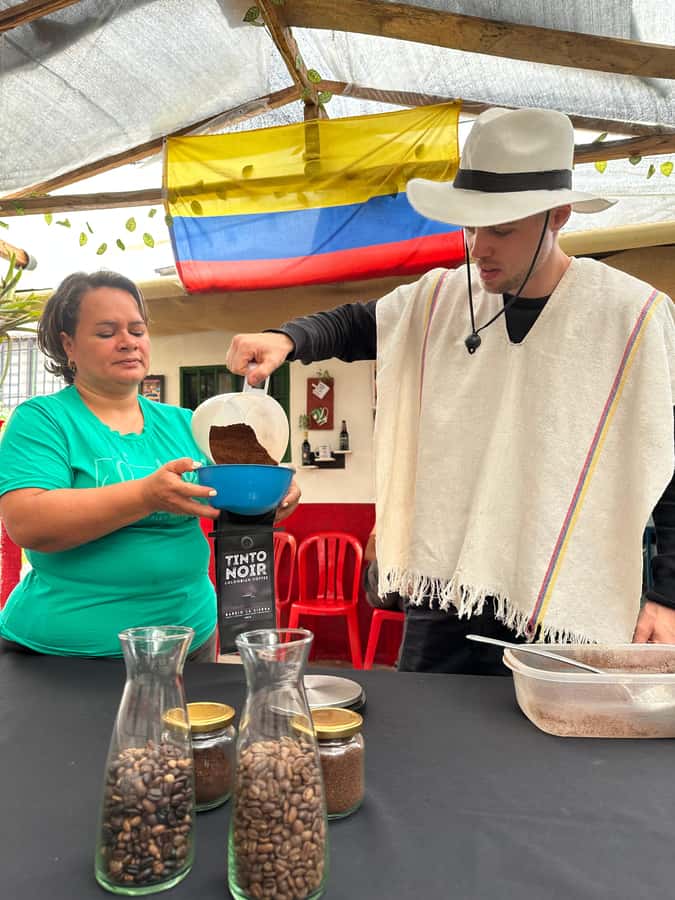
After berry picking, the tour moves through the coffee process—from seed to cup—with the farm family and your guide explaining each step. You’ll see and learn how coffee changes along the way, not just how it ends up in a mug.
The program includes coffee tasting and multiple segments of guided explanation. Based on the schedule, you’ll spend time listening, watching, and tasting at key points, including a tasting session that lasts about an hour. Guests repeatedly describe the coffee as delicious, and many highlight how much work goes into each stage, from harvested fruit through to preparation.
Here’s why this part is worth your attention: you get a real “process view” rather than a generic coffee tour script. You’re not just hearing that coffee is fermented or roasted—you’re learning how those steps connect to what you’ll taste. It’s also where guides really matter. Several guests praise how guides like Annie, Melissa, Caro/Carolina, and Camilo translated well and answered questions clearly, so you don’t end the tour with half-understood terms.
You’ll also get locally grown coffee throughout the experience. That means you’re not stuck tasting a single small sample. You’ll drink enough to notice differences in preparation styles and to feel like you’ve actually done the tour, not just walked through it.
Food-wise, the tour includes local snacks and welcome refreshments, and at least one guest notes pastry being part of the experience. The catch: there’s no place to buy food during the tour route. So don’t rely on finding snacks for purchase if you get hungry. Plan to eat before you go, then trust the included snack moments during the day.
Value and price: is $56 a fair deal?
At $56 per person for a roughly 270-minute experience, the value is mostly in three things you won’t get from a quick coffee stop:
- Transportation that’s part of the experience: tramvia and cable car rides are included, and the cable car is specifically listed as included.
- A guided neighborhood walk: Barrio La Sierra + Comuna 8 context takes time, and a strong local guide makes the difference.
- Hands-on farm activity: berry harvesting plus seed-to-cup learning isn’t the same as a tasting-only tour.
On top of that, the tour includes museum time, coffee tasting, and refreshments. When you add up the time outdoors, the guided explanation, and the access to a family farm in the city, the price starts to look reasonable—especially compared with tours that only offer viewpoints and short tastings.
What’s not included is coffee bags (you can buy if you want, but you should expect to pay separately). If coffee is your souvenir, budget for purchases on-site.
Logistics that can make or break your afternoon
This is a long, active half-day. About 4.5 hours total means you’ll spend plenty of time walking and moving between stops. You also need to follow the identity requirements: all visitors must provide full name and passport number, and you do not need to bring your passport. That’s a detail worth double-checking before you head out.
Language support is built in: guides operate in English and Spanish, which is a big help if your Spanish is basic. And the tone tends to be warm. Many guests describe meeting the farm family as welcoming, not staged.
The other logistics point is physical fitness. The tour is not suitable for people with mobility impairments due to the walking and steps. Even if you’re generally fit, expect hills and stairs.
If you’re the type who hates being rushed, you’ll probably like this more than high-speed tours. Many guests describe a relaxed pace and a small group feel, which makes it easier to ask questions and slow down for photos when you want to.
Who should book this Medellín coffee tour—and who should pass
This tour is a great match if you want:
- A coffee experience that’s inside Medellín, not just attached to it.
- Coffee education plus real community context in Comuna 8.
- Hands-on participation, especially picking coffee berries.
- A small-group feel where your guide can answer questions.
You might want to skip it if:
- You can’t handle hills, steps, and uneven ground.
- You need frequent opportunities to sit down or buy food along the way (since there’s no food-for-purchase route).
If you’re a coffee person, you’ll leave with more appreciation and better vocabulary for what you taste. If you’re not a coffee person, the neighborhood history and the hands-on farm work can still make it worthwhile—you’ll learn how coffee is made, not just drink it.
Should you book it?
Yes, if you like experiences with a purpose beyond a quick souvenir. This tour earns its cost with real access: Barrio La Sierra, a farm family welcome, harvesting your own berries, and a process lesson that’s connected to the people who live the work.
Book it now if you:
- Want tramvia + cable car sightseeing that feels earned, not random
- Prefer small-group walking tours
- Care about understanding how coffee actually gets from fruit to cup
Skip it if:
- Stairs and long uphill walks will ruin your day
- You rely on food stops for purchase during tours
- Mobility is limited
If you go in with the right expectations—comfortable shoes, patience for hills, and an open mind about community history—you’ll likely come away with a much stronger sense of Medellín than you’d get from another viewpoint day.
FAQ
Where is the meeting point for this tour?
The guide meets you in front of the main entrance to San Antonio Tranvia station, located on street level underneath the San Antonio metro station.
How long does the tour last?
The duration is listed as 270 minutes.
What transport rides are included?
You’ll ride an electric trolley (tramvia) and a cable car. The cable car is specifically listed as included.
What do we do in Barrio La Sierra?
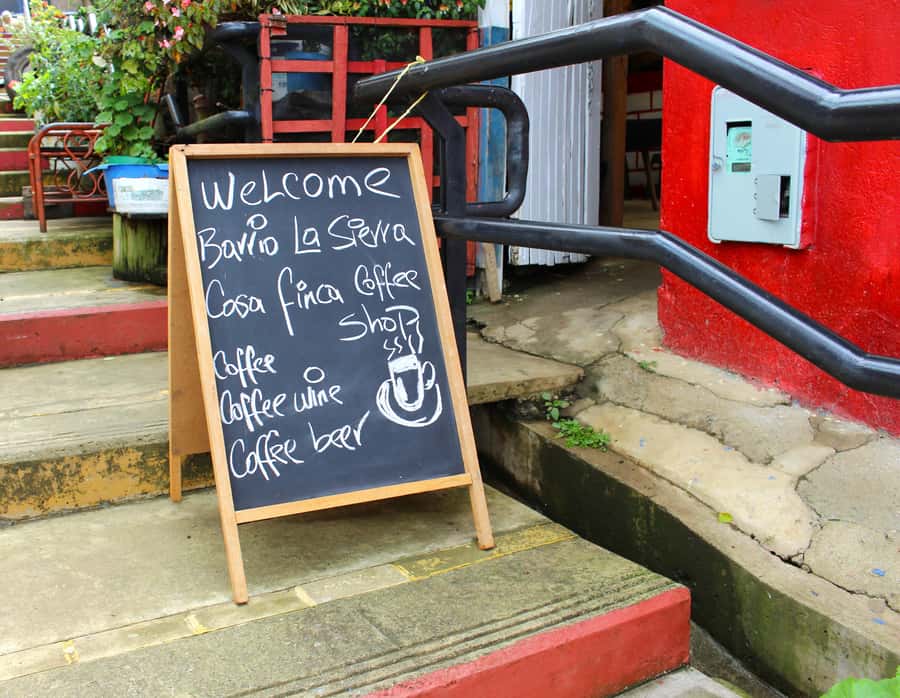
You walk through Barrio La Sierra with a local guide, you visit Casa Finca de La Sierra and its museum, and you spend time in the community area before and after the farm work.
Do we harvest coffee berries?
Yes. The tour includes harvesting coffee berries on the farm.
Is there a coffee tasting?
Yes. The tour includes coffee tasting, including a tasting segment that lasts about an hour.
Is food or snacks included?
Yes. Local snacks and welcome refreshments are included. One part of the tour includes coffee tasting.
Are coffee bags included?
No. Coffee bags are not included.
What languages are the tour guides?
The tour is offered with live guides in English and Spanish.
Do I need to bring my passport?
All visitors must provide their full name and passport number, but the guidance says do not bring your passport.