REVIEW · ZANZIBAR CITY
Private Zanzibar Spice Farm Tour
Book on Viator →Operated by Alfa Tours & Safaris · Bookable on Viator
Spices are Zanzibar’s secret soundtrack. This private tour connects you to the island’s 18th-century spice era and the everyday reality of growing and using cloves, nutmeg, cinnamon, peppers, and more—right down to how the plants are discussed from origin to root and branches. I like two things a lot: the hands-on taste-and-smell experience (including seasonal fruits if you’re interested) and the village-side peek at traditional houses while you learn. The only watch-out: if you’re staying outside Stone Town (for example, on a beach hotel), you may need to pay extra for the transfer.
What makes this outing feel efficient is that it’s built to run about 2 to 3 hours, with private transport and entrance fees handled, so you’re not juggling a half-day of logistics. Guides from the Alfa Tours & Safaris team are repeatedly praised for being flexible (even tailoring for a family of 5) and for keeping the session fun, not just lecture-like.
In This Review
- Key highlights you’ll remember
- Zanzibar spice plants, in plain human terms
- Price and what $65 buys you in real value
- How the pickup works from Stone Town (and when it won’t)
- Entering Jambo Spice Farm: where senses lead
- The “roots to branches” lesson you can actually remember
- Village life plus traditional houses: learning beyond the plantation
- What you’ll taste and what you can buy
- Lunch, souvenirs, and how to spend without overshooting
- Who this tour suits best (and who should skip it)
- Practical tips so the tour feels smooth
- What guides do well here: flexibility and a fun tone
- Should you book the Zanzibar Private Spice Farm Tour?
- FAQ
- How long is the Private Zanzibar Spice Farm Tour?
- Is hotel pickup included?
- What’s included in the price?
- Is lunch included?
- Do I need to tip?
- Can I cancel for a full refund?
Key highlights you’ll remember

- Hands-on spice tasting: sample spices and fruits directly connected to the farm and plantation setting
- Jambo Spice Farm focus: a structured walk that pairs explanations with smells and “guess that spice” style moments
- Village-life angle: see old, traditional houses where people live—not just plants in rows
- Private, guide-led pace: it’s only your group, so you can ask questions without feeling rushed
- Tour value built-in: entrance fees, bottled water, and a certified guide are included in the base price
Zanzibar spice plants, in plain human terms
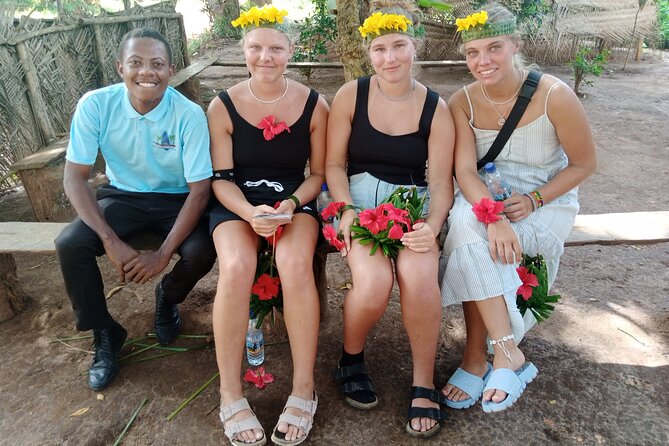
Zanzibar earns its nickname Spice Island for a reason. The island’s relationship with spices goes back to when the sultanate of Oman took control in the 18th century, and that influence still shows up in what gets grown and how people talk about plants. What I appreciate about this tour is that it doesn’t treat spices like museum objects. You’ll move through a working spice farm environment and learn how the story connects to daily life.
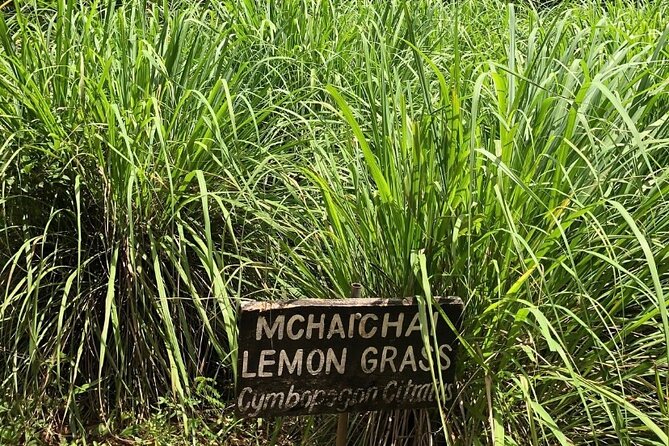
You’re not just hearing names. You’re learning how spices are connected to parts of the plant—described from origin, soil, root steam, and branches—so you start to understand why a clove smells different from cinnamon, and why certain plants are handled the way they are. If you like food facts, this kind of explanation sticks better than a slideshow.
The tour also makes room for you to be a bit playful. You’ll have chances to taste different spices and, if you’re interested, sample seasonal fruits directly from the tree. That matters because spice growing is visual, but spice understanding is sensory.
You can also read our reviews of more tours and experiences in Zanzibar City.



Price and what $65 buys you in real value
At $65 per person for a 2 to 3 hour private experience, this tour sits in the “reasonable for a private guide” zone—especially because several cost items are included. You’re getting hotel pickup (when your hotel is in the Stone Town area), private transportation, bottled water, entrance fees, and a professional guide based on spice plantations. There’s also a transport waiting charge included, which is a small detail but a big stress reducer when you’re on a timed outing.
Where it becomes an especially good deal is if you’re traveling as a small group or family. Private tours often cost more because you’re paying for the guide and vehicle regardless of headcount. Here, the base pricing stays straightforward, and the experience is repeatedly praised for being tailored—something you only get when your guide isn’t rushed or stuck in a fixed group script.
One consideration: the tour’s base transfer is limited. If you’re not in/near Stone Town, you’ll likely pay extra to get to the spice farm. And lunch isn’t included; you can arrange local food with soft drinks for $12 per person cash.
How the pickup works from Stone Town (and when it won’t)
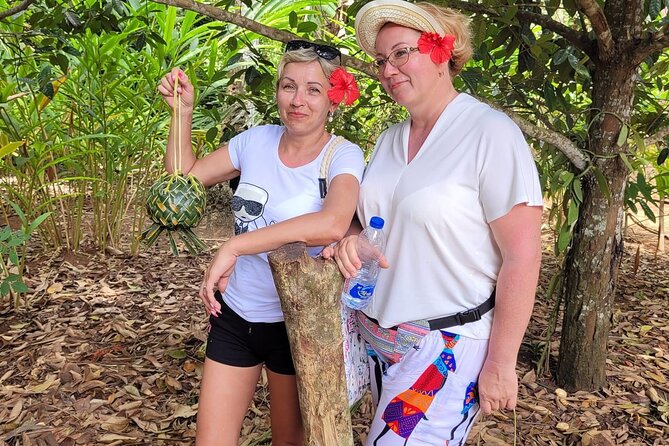
This tour includes round-trip taxi transfer from your hotel as long as your hotel is located in the Stone Town area. That’s a big deal on Zanzibar, because Stone Town is where most visitors stay and where getting started is easiest. You also get professional guidance plus bottled water, so you begin the walk ready to focus instead of figuring things out.
If your hotel is a beach hotel outside the Stone Town zone, the tour data says the transfer isn’t included and costs $45 two-ways. You’ll need to message in advance to arrange it. Plan for that, and it’s smooth. If you don’t, you’ll arrive later and spend time negotiating rides instead of enjoying the farm.
The duration (2–3 hours) is short enough that good transport matters. If your pickup is messy, you’ll feel it fast. If it’s handled well, you’ll spend the time where you want it—on the plants and in the guide’s explanations.
Entering Jambo Spice Farm: where senses lead
Your visit centers on Jambo Spice Farm, and the way the experience is paced makes sense. You start by orienting yourself to what the farm grows and what those plants mean on Zanzibar. You’ll hear why Zanzibar is often called Spice Island and how the spice trade history relates to the islands you’re seeing today.
Expect a guided tour through areas that highlight a mix of spices and plantation crops. From the tour description, you’ll encounter things like:
- cinnamons
- cardamoms
- nutmegs
- Indian almonds
- vanillas
- black peppers
- and other spices
This is where the tour earns its keep. You’re not just walking past plants; you’re learning by using your senses. You’ll taste different spices and take pictures as you go. In many spice farm experiences, tasting is token. Here, it’s part of the structure—so the walk feels active rather than passive.
One small bonus: the tour experience notes that you might see spice shops operated by villagers. If you want to buy spice, this is the point where it feels most legitimate—you can connect the product to the plant you just saw.
The “roots to branches” lesson you can actually remember
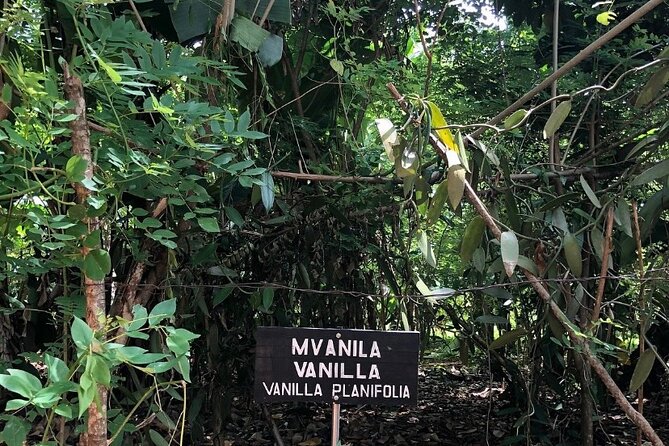
The farm portion of the tour is described in a way that helps you build a mental map: origin, soil, root steam, branches. That kind of breakdown matters because it turns spice knowledge into something you can repeat later.
Here’s what I like about the framing. It encourages you to pay attention to cause-and-effect. When you smell cinnamon and learn where and how it’s handled, it becomes easier to understand why the flavor is what it is. Same with nutmeg, cloves, and peppers—your brain starts grouping them by plant behavior and processing rather than random trivia.
Your guide is also key here. In reviews, names like Alfa, Abdul, Khalfan, and Watermelon come up repeatedly, with guests praising guides for being fun and informative. For example, Abdul is mentioned for making the experience entertaining with a guess-the-spice style moment, and Alfa is highlighted for being flexible and adjusting the tour to a family’s interests.
If you want an experience that feels like a conversation with a teacher—not a performance—you’ll likely like this format.




Village life plus traditional houses: learning beyond the plantation
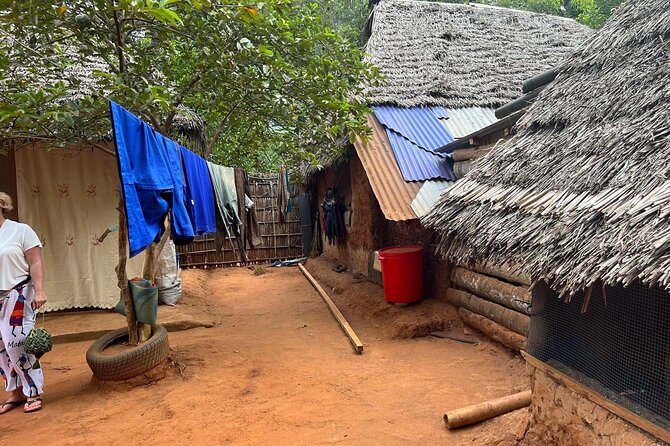
One reason I’d pick this tour over a purely agricultural walk is that it includes village life. The tour description notes that you’ll visit old and traditional houses that are still available in Zanzibar and that people live in. That adds context, because spices aren’t only a “tourist product.” They’re part of how people live and work.
In a short 2–3 hour tour, this section has to be efficient. The good news is that it doesn’t sound like it turns into a long cultural lecture. You’re seeing how everyday Zanzibar life intersects with the spice environment, which makes the whole thing feel more grounded.
If you’re the type who likes travel photos but also wants them to mean something, this is the part that helps your pictures tell a story. A spice farm sells smells. A village stop helps you understand why those smells matter.
What you’ll taste and what you can buy
Tasting is a central part of the experience. You’ll have opportunities to taste different spices, and the tour description also says you can taste seasonal fruits directly from the tree if you’re interested. That’s a big advantage for food-minded visitors, because it lets you experience Zanzibar’s flavors as living plants, not just packaged items.
For shopping: you might find spice shops run by villagers in the plantation area. That’s useful because you can ask questions in the moment. If you buy, try to focus on what you can use soon after your trip—spices lose their punch over time if they sit in a drawer for months.
Also, since lunch is optional, you can decide whether you want to stay light and keep tasting-focused, or sit down for local food afterward.
Lunch, souvenirs, and how to spend without overshooting
Lunch is not included in the base price. If you want it, Zanzibar local food with soft drinks costs $12 per person (cash), and you should message in advance to arrange it. For most people, that means you can keep the tour itself uncluttered and then decide later whether you want a meal.
Souvenirs are personal spending, so you’ll be responsible for those. The practical move is to treat spice shopping as the main souvenir here, because the tour connects the product to the plant and story you learned during the walk. If you’re shopping for gifts, consider buying spices that come in small, sealed containers—so they survive airline travel and stay aromatic once you get home.
If you’re the kind of traveler who hates feeling rushed, plan to eat after the tour. A short meal break fits the pacing and keeps you from turning the experience into a “food and then sprint back” situation.
Who this tour suits best (and who should skip it)
This tour is private, so it fits families, couples, and small groups who want control over pace. It’s also a strong match if you like sensory travel—smell, taste, and seeing plants up close. The guide-led structure and the chance for interaction (like the entertaining spice-guessing moments mentioned in reviews) make it work for visitors who don’t want to sit quietly for hours.
You might enjoy it less if you only want big-city sightseeing or if you’re hoping for a long, multi-stop day trip with multiple regions. This one is intentionally short and focused. It’s built for depth in a compact time window.
Also, the tour notes that most travelers can participate. That’s about as specific as it gets in the provided info, so if you have any mobility or medical needs, it’s smart to check with the operator before booking.
Practical tips so the tour feels smooth
A few smart habits help you get more out of a farm tour that’s only 2 to 3 hours:
- Wear comfortable shoes you don’t mind getting dusty, since you’re walking in farm environments.
- Bring a camera and be ready to take pictures during tastings—because you’ll want to remember which spice is which.
- If you’re interested in seasonal fruits, let your guide know early so you don’t miss the timing.
- If you want lunch, arrange it in advance so your day stays organized.
- Plan for extra transfer cost if you’re staying on the beach outside Stone Town.
One more practical note: bottled water is included, which is great. Still, treat the morning or afternoon as active time, especially if Zanzibar sun is strong for your schedule.
What guides do well here: flexibility and a fun tone
The most praised aspect across the feedback is guide quality and personality. Alfa is repeatedly mentioned as friendly, highly informative, and good at tailoring the experience. In one case, he adapted the tour for a family of 5 and kept things engaging from start to finish. Abdul is highlighted for lots of information and a fun “guess that spice” moment, with guests enjoying tasting and smelling spices through the jungle-like setting.
Other guide names show up too. Khalfan is credited with sharing knowledge about different spices connected to Zanzibar’s ties to Oman. Watermelon is noted for being very nice and for speaking French well. That variety suggests the operator assigns guides who can meet different language needs and keep the experience light even while teaching.
If you’ve ever done a “show up, walk, leave” tour that feels scripted, this one is aiming for something more interactive.
Should you book the Zanzibar Private Spice Farm Tour?
I’d book this tour if you want a short, private, sensory experience that gives you real context for Zanzibar’s spice identity. The combination of hotel pickup from Stone Town, bottled water, entrance fees, and a guided walk through Jambo Spice Farm makes it easy to justify the $65 price. It also has the right texture: tasting, smells, some interactive moments, and a village look at traditional houses where people live.
Skip it (or rethink timing) if your schedule is already packed with long day trips, or if you’d rather spend your limited time on beaches or only on Stone Town itself. This tour is focused on one idea—spices plus village life—and it does that job well.
If you want to get your bearings fast in Zanzibar beyond postcard views, this is one of the better ways to do it in a few hours.
FAQ
How long is the Private Zanzibar Spice Farm Tour?
It runs about 2 to 3 hours.
Is hotel pickup included?
Pickup is included if your hotel is in the Stone Town area. If you’re staying at a beach hotel, the transfer from that area to the spice farm costs $45 two-ways and must be arranged in advance.
What’s included in the price?
The tour includes round-trip taxi transfer from Stone Town hotels, private transportation, transport waiting charge, bottled water, a professional and certified tour guide, and entrance fees.
Is lunch included?
Lunch is not included. You can arrange local lunch with soft drinks for $12 per person (cash) if you message in advance.
Do I need to tip?
Tips are not included. The tour notes a tip at the end is optional if you are interested.
Can I cancel for a full refund?
Yes. Free cancellation is available up to 24 hours in advance for a full refund. If you cancel within 24 hours, the amount paid is not refunded.


![Zanzibar Cooking Class [Swahili food test ] and Spice farm Private tour - Meeting Mama Africa: Swahili Food Practice You Can Actually Do](https://e.farmtourer.com/wp-content/uploads/zanzibar-cooking-class-swahili-food-test-and-spice-farm-private-tour-400x267.jpg)