REVIEW · ZANZIBAR CITY
FROM NUNGWI: STONE TOWN, SPICE FARM TOUR AND PRISONAL ISLAND
Book on GetYourGuide →Operated by SHUMBIS TRAVEL AND TOUR · Bookable on GetYourGuide
Stone Town, spices, tortoises in one day. I love how the Stone Town guide ties what you see on the street to Zanzibar’s bigger story—Omani rule, Portuguese conflict, and the sultan’s world. I also love the interactive spice farm stop, where you smell and taste the island’s famous aromatics instead of just hearing names.
The only catch is the day is busy. After Stone Town, you head out to the countryside and then finish at Changuu Island, so plan for walking, sun, and some travel between stops. If you prefer slow travel and one neighborhood at a time, this full-day format may feel like a lot.
In This Review
- Key Things I’d Tell You Up Front
- Stone Town: Alley Stories, the Fort, and a Sultan’s Real-Life Museum
- The Spice Farm: Smell, Taste, and the Real Jobs Spices Do
- Prison Island (Changuu Island): From Detention and Quarantine to Tortoise Time
- How the Day Flows: A Full-Day Structure That Keeps Logistics Simple
- Price and Value: What $108 Covers (and What You Should Verify)
- Who This Tour Fits Best (and Who Might Want Something Different)
- Should You Book This Full-Day Stone Town, Spice Farm, and Prison Island Tour?
- FAQ
- Where does the tour start?
- What parts of Stone Town are included?
- What is the spice farm experience like?
- Which spices are mentioned for the spice farm tour?
- Do you get to sample fruits and spice products?
- What is Changuu Island (Prison Island) known for?
- Are the tortoises on Changuu Island adults?
- What languages are available for the guides?
- Is snorkeling included?
- What does the tour price include?
Key Things I’d Tell You Up Front
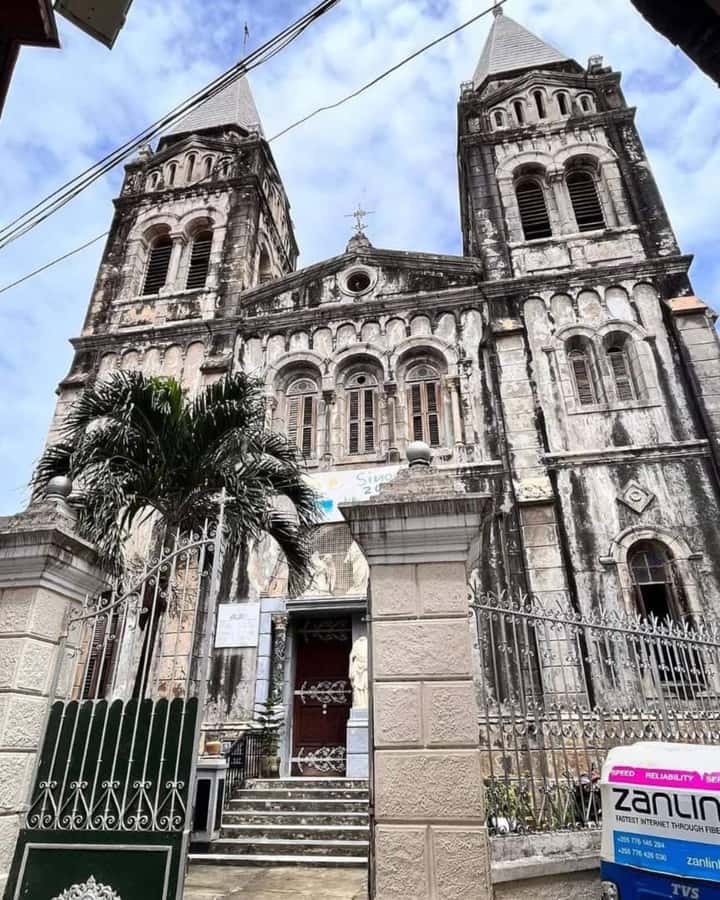
- Stone Town highlights that go beyond photos, including the House of Wonders and the slave-trade landmark area
- Hands-on spice farm time with tastings and explanations of uses like medicinal, culinary, and cosmetic
- Changuu Island’s giant Aldabra tortoises, plus a history that goes from detention to quarantine
- English-speaking guidance (also available in French, Italian, and German) to keep the whole day smooth
- Value built into the price, since guide, transport, and entry fees are included
- A well-run flow with a friendly driver and separate guides at key moments
Stone Town: Alley Stories, the Fort, and a Sultan’s Real-Life Museum

Stone Town is the place where Zanzibar’s trading past shows up in the smallest details—doors, carvings, and street layouts. With a guide leading the way, you don’t just drift through alleys. You get a timeline in your head as you walk.
A big early stop is a 17th-century fortress built by the Omanis to defend against the Portuguese. Today it works as a cultural hub, which matters because you’re not seeing ruins for the sake of ruins—you’re seeing how historic spaces are used now, with shops and exhibitions around the edges.
Next comes the House of Wonders (Beit al-Ajaib). It’s famous for being the first building in East Africa to have electricity and an elevator. That’s a striking fact to keep in mind while you’re standing there, because it flips the usual idea of “old” versus “modern.” Zanzibar’s history isn’t frozen in time—it has moments where it catches up fast.
Then you move to the Sultan’s Palace Museum area. Even without being a museum expert, you’ll appreciate the context it gives: this is where you see how the sultans lived and how Zanzibar’s ties to Oman shaped power and culture. The guide’s job here is to connect the rooms and objects to the story you’re hearing across the day.
Two other stops hit harder. You’ll visit the area connected to the slave market and the Anglican Cathedral. The slave-trade history in Zanzibar is difficult, but it’s also part of the island’s truth. The value of having a guide is that you can look at a place and understand what it meant, without guessing.
If you have time (and Stone Town will test your sense of time), you’ll also have chances to look around busy markets, artisan shops, and cafés. That’s where you can slow down and start choosing small gifts, snacks, or simple souvenirs that feel tied to local life rather than just sold to tourists.
My practical tip: go into Stone Town ready to listen. A guided walk works best when you don’t treat it like a sightseeing checklist. Ask questions when something grabs you—politics, religion, architecture, or trade. That’s where the guide’s explanations make the day feel personal.
You can also read our reviews of more tours and experiences in Zanzibar City.

The Spice Farm: Smell, Taste, and the Real Jobs Spices Do
After Stone Town’s stone streets, the day shifts into countryside air. The spice farm portion is one of the best “do something with your senses” experiences you can fit into Zanzibar.
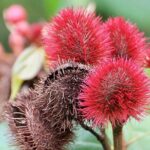
This isn’t a lecture where you watch from the sidelines. You get an interactive experience where you can see, smell, and taste a range of spices and fruits. The key spices mentioned are cloves, nutmeg, cinnamon, vanilla, and turmeric. It’s useful to have that short list in your head, because it gives you a framework as the guide points out the plants and explains how they’re cultivated and harvested.
What I like most is the way the guide ties the farm to everyday life. You learn about medicinal, culinary, and cosmetic uses. That matters because it changes how you think about spice on your plate. It’s not only about flavor—it’s also about how communities used these plants for health practices and personal care, depending on what the island grows well.
You’ll also get the chance to sample fresh tropical fruits and locally made spice products. This is where the day stops being “tour facts” and becomes “I can understand why people cared.” Even if you don’t buy anything, tasting gives you the kind of memory that photos never do.
What to consider: spice farms can move at a different pace than town walks. You may spend time in sun and on uneven ground (even if it’s light walking). Wear shoes you’re comfortable in, and plan for the fact that you’ll likely want water afterward.
Prison Island (Changuu Island): From Detention and Quarantine to Tortoise Time
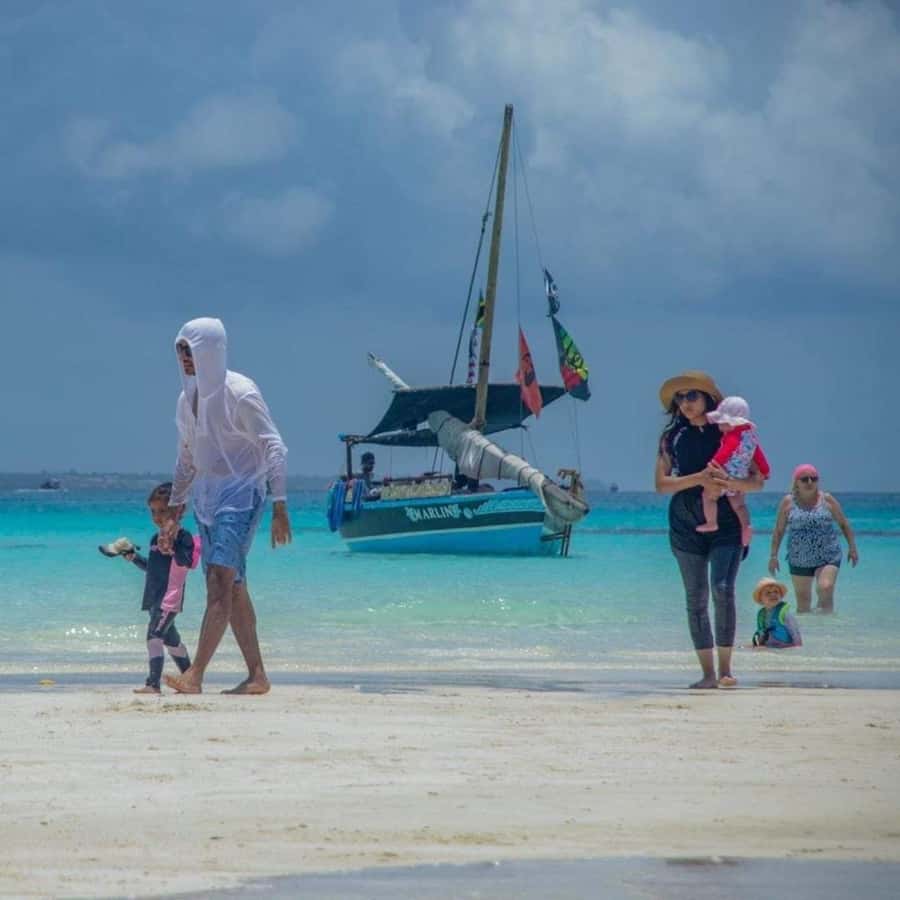
Then comes the most emotionally complex stop, paired with a surprisingly peaceful feeling at the end.
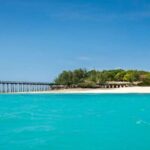
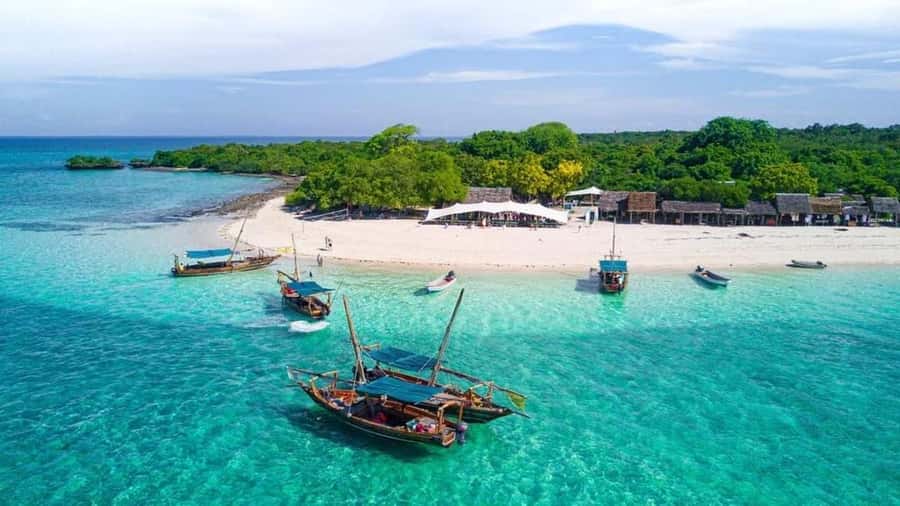
Changuu Island—often called Prison Island—sits just a short boat ride from Stone Town. The name comes from its earlier uses. It was intended as a detention center for rebellious slaves, and later it served as a quarantine station. That history is part of the experience, so you’ll want a moment to let the facts sink in rather than rushing straight to the photos.
Today, the island is known for its giant Aldabra tortoises. The colony includes tortoises that are over 100 years old. Standing near animals that old changes the vibe fast. You’re no longer thinking about dates and ships so much as time, slow movement, and survival.
What makes this stop work in a full-day tour is contrast. You go from street-level history in Stone Town to a farm built on spice cultivation to an island where the past is acknowledged, but the present is quiet and focused on the animals.
My practical advice: bring your phone camera mindset—but don’t let it steal your attention. Spend a bit of time just watching. Tortoises are calm and deliberate. If you’re the type who wants a moment to breathe between cultural stops, this is a good place for that.
Also, one note about snorkeling: it isn’t clearly listed in the tour details you provided. And in at least one experience, snorkeling wasn’t done, leaving uncertainty about whether it’s part of the day. If snorkeling matters to you, ask directly before you book so there’s no surprise.
How the Day Flows: A Full-Day Structure That Keeps Logistics Simple
This is designed as one coordinated day: Stone Town first, then the spice farm, then Changuu Island. That structure is the real convenience.
You don’t have to solve transport on your own or figure out how to connect three very different parts of Zanzibar. Transportation is included, and you’ll have a professional English-speaking guide leading the core stops. Separate guidance is also part of the flow—so you’re not stuck with one person trying to cover everything at every site.
One thing I appreciate about a day like this is how it turns planning stress into a simple routine. When your driver shows up on time and your guides are ready at each stop, the day feels smoother than DIY. It also tends to mean fewer wasted minutes trying to coordinate taxis or catch boats.
The trade-off: it’s still one full-day commitment. You’ll likely do more walking and moving than you would on a half-day plan. If you like to linger in cafés for long stretches or you’re easily worn down by heat and movement, this route might feel like a lot.
Price and Value: What $108 Covers (and What You Should Verify)
The price is listed at $108 per person. For a full day that includes a professional guide, transportation, and entry fees, that can be solid value—especially if you’d otherwise pay for separate guided walks and multiple admissions.
Here’s why it usually works well: you’re not just buying “a visit.” You’re buying interpretation. Stone Town sites like the House of Wonders and the Sultan’s Palace Museum make much more sense with someone explaining what you’re seeing. Same for the spice farm—your tasting experience improves when a guide connects plants, harvesting, and uses.
Where you should be careful is what’s not spelled out. Meals and any optional add-ons aren’t mentioned in the details you provided. So budget for snacks or lunch separately unless your operator confirms otherwise. And as mentioned earlier, snorkeling inclusion is unclear—so if you want it, confirm ahead.
The languages offered (English, French, Italian, German) also add value. It’s not just one-size-fits-all. If you’re not comfortable with English, you still have options.
If you’re the kind of traveler who likes structure, a day tour like this can feel like a fair trade for time. You get three major experiences without spending your vacation doing logistics.



Who This Tour Fits Best (and Who Might Want Something Different)
This tour is a strong match if you like variety and you want the “big Zanzibar hits” in one day.
You’ll probably enjoy it if you:
- like guided historical context in Stone Town
- enjoy food and plant-based learning at the spice farm
- want a calmer end to the day at Changuu Island with the giant tortoises
It may be less ideal if you:
- want a slow pace with minimal transfers
- plan to spend most of your day at the beach (because this route isn’t structured around beach time)
- prefer to choose every stop yourself without set group timing
In other words, choose this one when you want a guided sampler that’s still grounded in real places.
Should You Book This Full-Day Stone Town, Spice Farm, and Prison Island Tour?
I’d book it if your goal is smart convenience plus meaningful stops. Stone Town gets you the architectural and cultural story through key sites. The spice farm gives you hands-on sensory learning tied to everyday uses. And Changuu Island adds a powerful history and a peaceful animal encounter that’s hard to replicate on your own.
I’d think twice if you’re sensitive to long days or you really want downtime between activities. Since it’s one packed route, you’ll get the most out of it when you’re ready to stay engaged and keep moving.
If you decide to go, do one simple thing: bring questions. Ask about Oman’s role, how the fortress defended against Portuguese invasion, why the House of Wonders mattered, and what spices you’re tasting. This tour works best when you lean in.
FAQ
Where does the tour start?
The day starts in Stone Town.
What parts of Stone Town are included?
You’ll see a 17th-century fortress, the House of Wonders (Beit al-Ajaib), the Sultan’s Palace Museum, and the Slave Market & Anglican Cathedral area.
What is the spice farm experience like?
It’s interactive, with time to see, smell, and taste different spices and fruits. You’ll also learn how spices are cultivated and harvested.
Which spices are mentioned for the spice farm tour?
The tour description mentions cloves, nutmeg, cinnamon, vanilla, and turmeric.
Do you get to sample fruits and spice products?
Yes. You can sample fresh tropical fruits and locally made spice products.
What is Changuu Island (Prison Island) known for?
It has a history as a detention center and later a quarantine station, and it’s now known for giant Aldabra tortoises.
Are the tortoises on Changuu Island adults?
Yes. The island has a colony of giant Aldabra tortoises, including some over 100 years old.
What languages are available for the guides?
English, French, Italian, and German.
Is snorkeling included?
Snorkeling is not clearly stated in the tour details you provided, so you should confirm with the operator if it matters to you.
What does the tour price include?
The listed inclusions are a professional English-speaking guide, transportation, and entry fees.