REVIEW · CHIANG MAI
Morning Thai Cooking with Grandma – Market Visit & Farm Tour
Book on Viator →Operated by Grandmas Home Cooking School · Bookable on Viator
A morning cooking class is nice. This one adds a market visit and an organic farm tour, so you learn the ingredients before you cook them. You’ll get step-by-step guidance at your own outdoor cooking station while preparing four Thai dishes (and yes, you eat plenty). One thing to plan for: the hotel pickup can feel a bit hectic if you’re not ready on time, so arrive prepared.
I like how the day is paced. You start with Thai shopping habits, then move to rice fields and garden herbs, and only then do you step into the cooking. It’s also good value for the time—transport, drinks, ingredients, a digital recipe e-book, and dessert are all part of the package. If you come hungry and ready to work, this is the kind of experience you can actually recreate at home.
In This Review
- Key Points That Make This Tour Worth Your Morning
- First Stop: Charoen Charoen Market and How Thai Food Gets Made
- Farm Tour in Rice Fields: Chickens, Eggs, Mushrooms, and Herb Gardens
- Open-Air Kitchen Cooking: Your Station, Four Dishes, and Real Instruction
- Instructors you may encounter
- What You’ll Eat and Why It Tastes Better Than a Typical Class
- Price and Logistics: Why $38.79 Works (and When It Might Not)
- Take-Home Recipes: How You Keep Cooking After Chiang Mai
- Who Should Book This Morning Class (and Who Might Skip It)
- Should You Book Grandma’s Morning Thai Cooking Class?
- FAQ
- How long is the cooking class?
- Is hotel pickup included?
- What do I cook during the class?
- Do I get enough food to eat a full meal?
- Are drinks included?
- Do I receive recipes to take home?
- Can vegetarians join?
- What’s the group size like?
- Can I cancel for a full refund?
Key Points That Make This Tour Worth Your Morning
- Market basics you can use again: learn how to choose fresh herbs, spices, sauces, and seasonal vegetables
- Farm time beyond photos: feed and hug chickens, collect eggs, and explore a mushroom hut
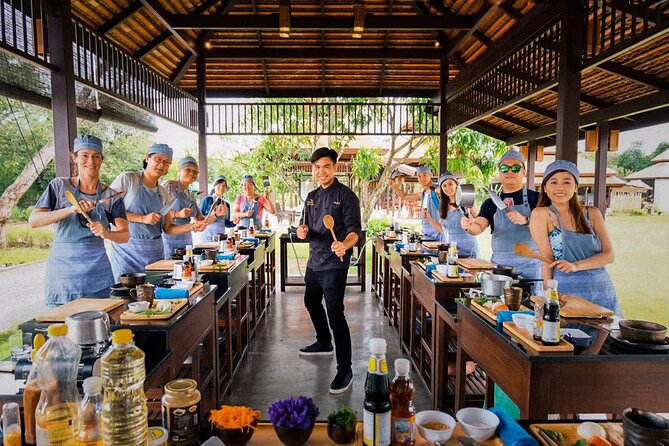
- Your own cooking station: hands-on class format with instructors walking you through each dish
- Food that keeps coming: you’ll cook and eat a full meal, then finish with mango sticky rice
- Take-home recipes: a digital recipe e-book, plus e-recipes you can download via QR code
- Small-group coaching inside a bigger day: max 100 overall, but cooking happens in small groups
First Stop: Charoen Charoen Market and How Thai Food Gets Made
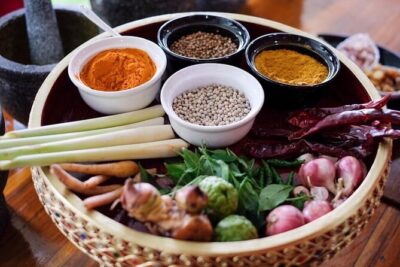
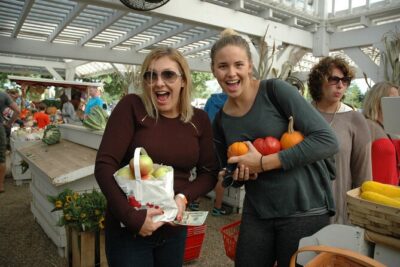
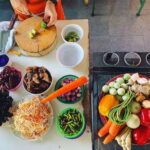
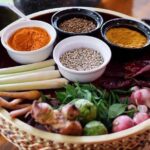
This tour starts with a morning run through a lively local market. Even if you’ve eaten Thai food in restaurants, you’ll see it differently after learning what people actually buy—and why. You’ll get an instructor-led walk focused on the building blocks: herbs, spices, sauces, and seasonal vegetables.
The market part matters more than it sounds. Thai cooking relies on flavor balance, and that starts at the ingredient choice. You’ll learn how locals shop, which helps you avoid a common home-cooking problem: buying the wrong version of a spice paste or using an ingredient that tastes fine in a store but not in a dish.
Before you head out of the city, you’ll also get a welcome drink—options include Thai milk tea, lemon tea, or butterfly pea flower tea. It’s a small touch, but it makes the day feel organized instead of rushed.
Logistically, you’ll either get hotel pickup within 5 km of Chiang Mai city center or meet at the start location at Charoen Charoen fresh market (ตลาดเจริญเจริญ) in San Kamphaeng. Either way, try to be ready for pickup timing. One hiccup that can happen is that pickup can feel chaotic if people are still getting organized right at the pickup window.
You can also read our reviews of more tours and experiences in Chiang Mai.
Farm Tour in Rice Fields: Chickens, Eggs, Mushrooms, and Herb Gardens
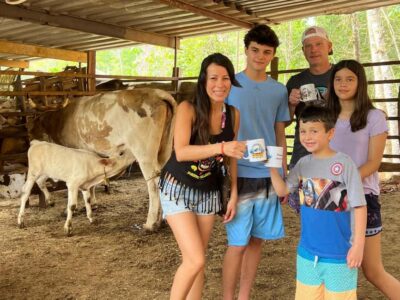
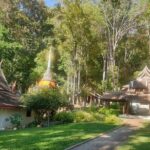
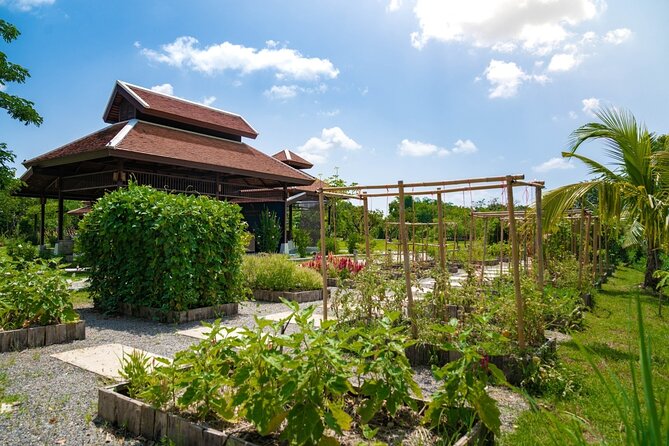
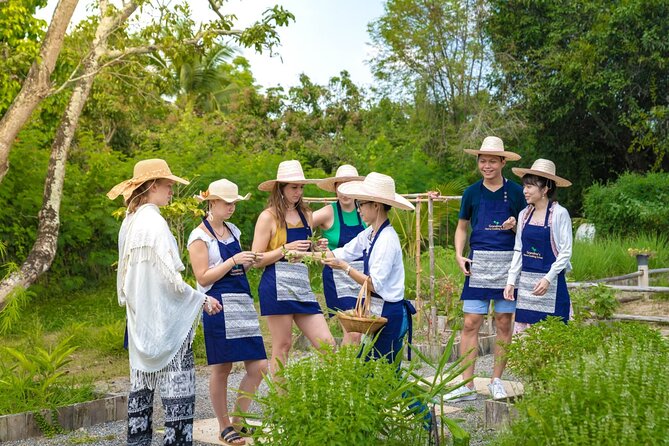
After the market, you move out toward an organic farm setting surrounded by rice fields. This is where the day shifts from browsing to doing. The farm isn’t just a scenic stop—it’s built into the learning.
You’ll take part in hands-on activities such as:
- feeding and hugging the chickens
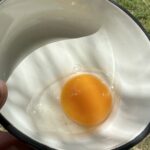
- collecting fresh eggs
- picking mushrooms
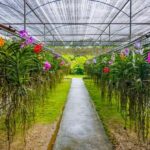
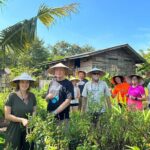
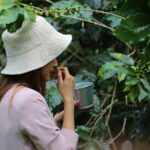
- exploring areas including rice fields, herb and vegetable gardens, a chicken coop, and a mushroom hut
If you’re the type who likes your travel experiences to have a story, this part gives you one. Watching where eggs come from and seeing herbs growing makes the later cooking steps feel less like following instructions and more like making something you understand.
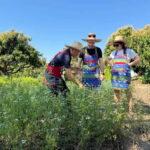
The herb and vegetable gardens are also practical for cooks. You get a sensory reminder of Thai flavor: the difference between leafy aromatics you can smell versus ingredients that only matter once they’re chopped and cooked. It’s not just about “fresh.” It’s about recognizing what a dish is going to taste like before you even start.
The farm setting also tends to feel calmer than the city. That matters because you’re about to stand in an open-air kitchen for several hours. A peaceful reset makes the rest of the class easier to enjoy.
Open-Air Kitchen Cooking: Your Station, Four Dishes, and Real Instruction
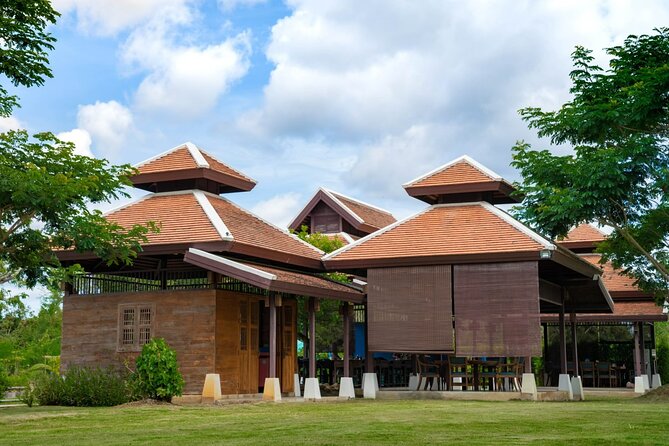
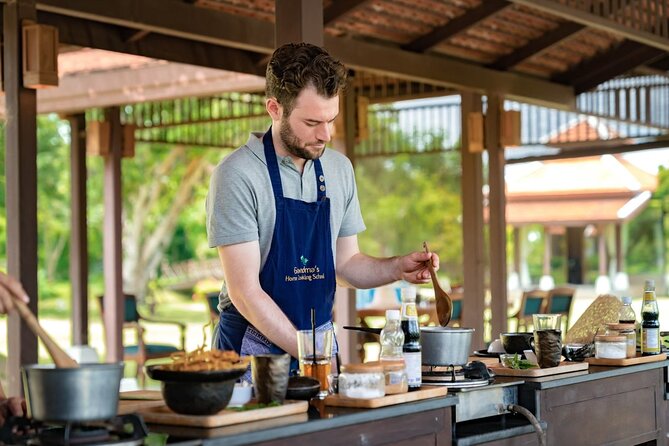
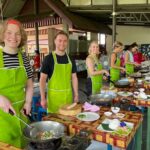
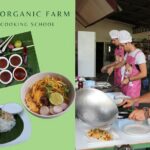
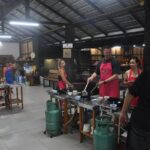
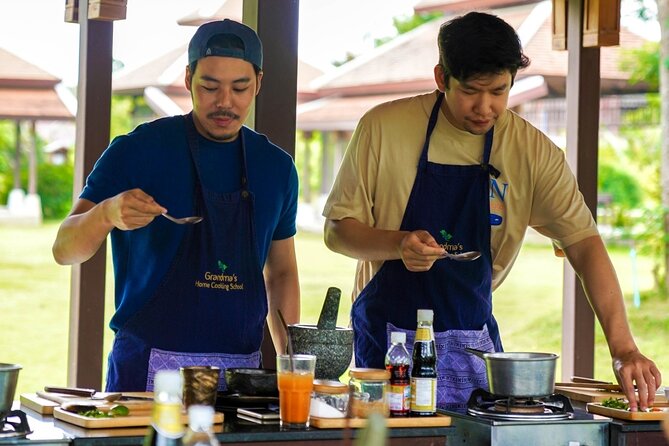
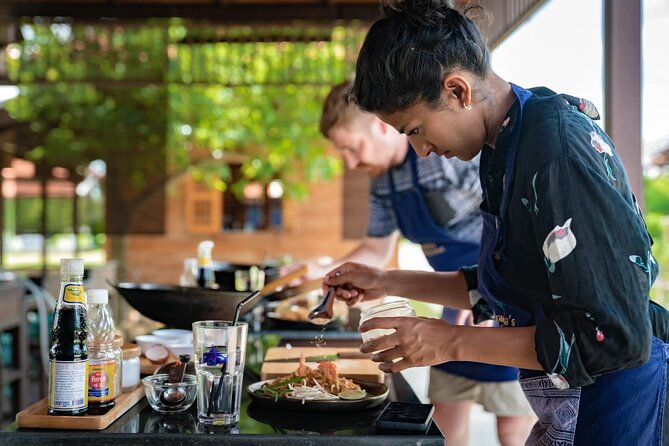
The cooking happens at an open-air kitchen with covered patios and individual cooking stations. You’ll work in a small-group setup, so you’re not just watching. The instructors guide you through the process step-by-step, and there’s a good amount of prep handled for you, which helps the class move smoothly.
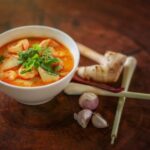
You’ll cook four Thai dishes, with common options including dishes like hot and sour soup (often Tom Yam), green curry, pad Thai, and curry paste. The exact menu can vary, but the format stays the same: you learn the ingredient roles, then you build the dish in sequence at your station.
Here’s why this style of teaching is a big deal. Thai cooking can feel intimidating when you try to replicate it at home with a single recipe. But when you learn the workflow—how to prep, how aromatics and pastes bloom, how sauces build—you can adjust later when you’re cooking without an instructor standing over your shoulder.
You’ll also get hands-on tasting during the process. Many people love that you’re not stuck waiting until the end. You cook and eat what you make, so every step feels worth it. By the time you finish, you’re usually stuffed in the best way.
And yes, dessert comes too. At the end of the meal, you’ll get complimentary mango sticky rice.
Instructors you may encounter
The instructor team varies by day, but feedback highlights trainers such as Kiki, Pat, Noi, Joy, and Ryan. What they tend to share is clear explanations and a light, fun teaching style that keeps the class from turning into a stressful cooking exam.
What You’ll Eat and Why It Tastes Better Than a Typical Class
This tour is designed around a simple idea: you’ll learn ingredients first, then use them immediately. That’s why the market and farm parts aren’t filler. They directly support the cooking.
For example, Thai curries and noodle dishes depend on a few key items—fresh aromatics, chili intensity, balanced sour and salty flavors, and the right paste or sauce structure. Once you’ve seen herbs growing and learned what to look for at the market, you’re more likely to use the ingredients the way Thai cooks do.
It also helps that you’re not just making one dish. Cooking four dishes forces you to understand different flavor styles:
- curry dishes rely on paste strength and simmering balance
- noodle dishes rely on sauce timing and texture
- soups rely on sourness, heat, and aroma layered during cooking
That variety is what keeps the class interesting even if you’re not a “serious cook.” You’ll likely taste things you don’t usually order at a restaurant, and you’ll understand why they work together.
A note for picky eaters or dietary needs: vegetarian adaptation is possible. One clear theme in feedback is that vegetarian diets can be accommodated, and at least some groups found the recipes easily adjusted. If you have dietary restrictions, this is exactly the kind of class to ask about adaptations before you start.
Price and Logistics: Why $38.79 Works (and When It Might Not)
At about $38.79 per person, this isn’t a “cheap and cheerful” experience. It’s closer to a value bundle: market guide, organic farm tour with activities, a hands-on cooking class, four dishes, dessert, drinks, transport within a specific radius, and a digital recipe e-book.
That’s the part I focus on when I judge value. You’re not just paying for a cooking session. You’re paying for a full morning of structured food education:
- ingredient sourcing (market)
- ingredient origin (farm)
- cooking technique (open-air kitchen)
- meal outcome (you eat what you make)
Transport included within 5 km of Chiang Mai city center is another big cost saver. If you’re staying close to downtown, it’s one less hassle to manage in the morning.
The one practical consideration is timing. Pickup can run a little chaotic if you assume the window is flexible. Plan to be ready and waiting. Also, the class runs about 4 hours, so eat lightly beforehand. Multiple people emphasize that you’ll make and eat a lot of food, so you don’t want to arrive overly full.
Finally, alcohol isn’t included, though it can be purchased. If you want a drink, budget for it separately.
Take-Home Recipes: How You Keep Cooking After Chiang Mai
A lot of cooking classes fail at the finish. You leave with good memories and maybe a recipe scribbled on a scrap of paper. This tour does better on the practical side.
You get:
- a digital recipe e-book to recreate dishes at home
- e-recipes that can be downloaded using a QR code
That’s helpful because Thai recipes can involve technique, not just ingredients. Having the method in a reusable format lets you practice again when you’re shopping for ingredients on a different schedule than you had in Thailand.
If you’re someone who wants to cook Thai food at home, the market visit is part of your long-term value. You’ll come away knowing what ingredients should exist in your local stores (or what substitutes might be needed). Even if you can’t buy the exact same brand, you’ll have a better sense of what matters—fresh versus dried, what’s used fresh for aroma, and what’s used as a paste or seasoning.
Who Should Book This Morning Class (and Who Might Skip It)
This is ideal if you:
- love Thai food and want more than a sightseeing-only day
- want a structured, hands-on cooking lesson rather than watching
- care about ingredients—how they’re chosen and where they come from
- like peaceful, outdoor settings outside the city noise
- want a full meal you cooked yourself, not just a snack-sized tasting
It may be less ideal if you:
- hate getting up early for a full morning activity
- prefer a very casual, no-instruction experience
- have mobility needs that make outdoor farm activities difficult (the cooking is in open-air spaces and the farm includes walking around)
Good news: children under 10 are welcome as visitors. Also, many people find the class friendly for different levels of cooking ability because the instructors provide step-by-step help and the stations are set up for you.
Should You Book Grandma’s Morning Thai Cooking Class?
I’d book it if your goal is to understand Thai flavors and learn cooking steps you can repeat. The mix of market visit, organic farm time, and an open-air station class is a strong combination for value. You’re not just paying for dishes—you’re paying for ingredient context and technique.
I’d think twice if you’re the type who hates any schedule stress. Do your part: be ready for pickup timing, come with a lightly-hungry stomach, and plan to enjoy a full 4-hour food-focused morning.
If you want an authentic Chiang Mai food day that feels organized, ingredient-smart, and actually satisfying to eat, this is an easy yes.
FAQ
How long is the cooking class?
It’s about 4 hours.
Is hotel pickup included?
Yes, pickup and drop-off are included within 5 km of Chiang Mai city center. If you’re outside that range, you may need to meet at the start location.
What do I cook during the class?
You’ll cook four Thai dishes with step-by-step guidance. Options can include dishes such as hot and sour soup, green curry, pad Thai, or curry paste.
Do I get enough food to eat a full meal?
Yes. You cook and then eat what you make, and the class also includes complimentary mango sticky rice for dessert.
Are drinks included?
You’ll get a welcome drink (Thai milk tea, lemon tea, or butterfly pea flower tea), plus unlimited bottled water and a free herbal drink during the class. Alcohol is not included (it’s available for purchase).
Do I receive recipes to take home?
Yes. You’ll receive a digital recipe e-book, and e-recipes can be downloaded via a QR code.
Can vegetarians join?
Vegetarian-friendly cooking is possible, and the experience has been described as adaptable for vegetarian diets.
What’s the group size like?
The overall activity has a maximum of 100 travelers, and the cooking portion is run in small groups with each guest having their own cooking station.
Can I cancel for a full refund?
You can cancel up to 24 hours in advance for a full refund. If you cancel less than 24 hours before the start time, the amount paid is not refunded.